Can Dogs Eat Flour? Raw Powder, Dough, and Inhalation Risks
A lick of plain flour dust is unlikely to harm a healthy dog, but raw flour is not sterile and a large powder raid can affect the gut, eyes, and airway. Dough, batter, yeast, salt, sweeteners, chocolate, nuts, and packaging often matter more than the flour itself.
Identify the form before reacting
- Small lick of plain dry flour: usually monitor and clean the area safely.
- Large mouthful or burst bag: assess coughing, eye exposure, vomiting, and amount.
- Raw batter or cookie dough: check eggs, chocolate, xylitol, raisins, and other ingredients.
- Raw yeast dough: contact a veterinarian or animal poison service promptly.
- Almond, coconut, chickpea, seasoned, or premixed flour: read the complete label.
Save the bag, lot code, recipe, and packaging, then record flour type, raw or cooked status, amount, time, dog weight, health conditions, medications, symptoms, and every co-ingredient. Do not describe a missing bowl only as “flour” when it contained a full dough or batter.
Raw flour can carry harmful germs
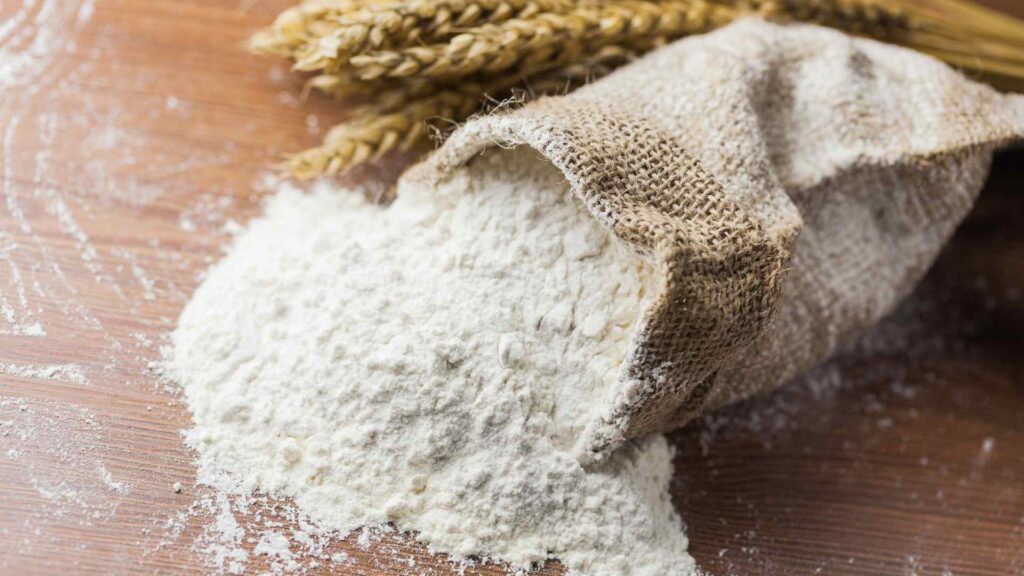
Most ordinary flour is a raw agricultural food, even when it looks clean and dry. The FDA raw-flour guidance explains that grinding and bleaching do not reliably kill bacteria and that outbreaks have involved Salmonella and pathogenic E coli.
The risk is contamination, not a certainty that every bag is dangerous. One dust lick is different from eating raw dough repeatedly, but no raw flour should be marketed as a safe snack for dogs or people.
Vomiting, diarrhea, appetite loss, abdominal pain, fever, weakness, or unusual lethargy after raw flour deserves veterinary advice, especially in puppies, seniors, pregnant dogs, or dogs with immune or digestive disease. Report the brand and lot in case a recall is involved.
The CDC raw dough guidance recommends cooking products as directed and washing hands, bowls, utensils, and surfaces with hot soapy water. Flour spreads easily, so clean beyond the obvious pile.
Do not “sanitize” flour with guesswork
Microwaving or toasting a random amount at home does not guarantee every particle reaches a validated pathogen-killing temperature. Follow the product or recipe’s tested cooking directions rather than relying on color, smell, or a quick warm-up.
Raw flour should not be sprinkled onto food as a digestive remedy, stool firmer, calorie supplement, or binder for medication. If a dog needs a therapeutic diet or compounded medicine, the veterinarian should define the ingredients and preparation.
Discard recalled flour according to the recall notice and clean the storage area without creating airborne dust. Do not donate, bake with, or feed a recalled bag to animals.
Powder can irritate the airway
A torn bag, mixer burst, or playful dig can suspend fine particles around the nose and lungs. Move the dog away from the cloud, ventilate the room, and avoid sweeping or vacuum exhaust that throws dust back into the air.
Sneezing and brief coughing may settle after fresh air, but persistent coughing, wheezing, labored breathing, blue or gray gums, weakness, or collapse needs urgent care. Dogs with airway disease deserve earlier advice.
Do not pour water into the nose or force food to clear inhaled powder. A veterinarian may need to distinguish simple upper-airway irritation from aspiration or another respiratory problem.
Eyes and coat need gentle handling
Flour dust can stick to tears and form paste around the eyes. Call for flushing instructions and seek care for squinting, redness, cloudiness, pain, pawing, or persistent discharge.
Do not use oil, milk, ointment, vinegar, essential oil, or another powder in the eye. Keep the dog from rubbing and bring the flour label if it was a seasoned or specialty blend.
Dry flour on the coat becomes an oral exposure when the dog grooms, while wet flour can mat. Prevent licking, brush away loose material outdoors if breathing is comfortable, and ask before bathing a heavily coated or symptomatic dog.
Raw yeast dough is a separate emergency
Yeast dough can expand in the warm stomach and produce ethanol as it ferments. This is not the same as licking dry flour or eating a bite of fully baked bread.
The Merck Veterinary Manual bread-dough review describes gastric distention, unproductive retching, lethargy, disorientation, abnormal walking, weakness, low blood sugar, low temperature, seizures, and coma.
Call promptly after raw yeast dough ingestion even before signs appear, and state whether it contained baker’s yeast, sourdough starter, or another leavening method. Do not give cold water, induce vomiting, or try to slow fermentation unless a veterinary professional directs it.
A swollen painful abdomen, repeated unsuccessful attempts to vomit, breathing difficulty, collapse, or severe disorientation is an emergency. Transport instructions may differ for a bloated or neurologically abnormal dog.
Cookie dough and batter hide other hazards
Raw cookies, cakes, brownies, pancakes, pie crust, and bread mixtures may add raw eggs, chocolate, xylitol, raisins, macadamias, coffee, alcohol, butter, and salt. The most urgent ingredient may not be flour.
Our pumpkin-pie guide covers raw dough, nutmeg, rich dairy, sweeteners, raisins, crust, and packaging. Save the full recipe rather than reporting only the finished food name.
Dry cake, brownie, pancake, gravy, and bread mixes can contain milk powder, cocoa, sweeteners, salt, leaveners, or seasoning. A prepackaged mix deserves the same label check as wet batter.
Specialty flours are not interchangeable
Almond flour is ground nuts and has more fat and calories than wheat flour, while coconut flour is highly absorbent and fiber-rich. Large amounts can cause digestive upset, and flavored products may include sweeteners or chocolate.
Chickpea, lentil, quinoa, rice, oat, corn, and cassava flours have different nutrient, allergy, and gastrointestinal profiles. “Gluten-free” describes gluten, not canine safety, pathogen treatment, calorie density, or freedom from additives.
Nut flour that smells rancid, looks damp, or shows mold should be discarded securely. Macadamia flour, mixed nut meal, or products processed with toxic co-ingredients require product-specific advice.
Our almond-milk guide uses the same label-first rule for sweeteners, chocolate, homemade formulas, allergy, and cartons. The word almond alone cannot tell you concentration or co-ingredients.
Seasoned flour and breading
Frying flour, fish coating, gravy mix, and seasoned breading may contain garlic powder, onion powder, salt, pepper, chili, cheese, or bouillon. Powders are concentrated and can be inhaled as well as swallowed.
Our garlic-powder guide explains why Allium-related red-cell injury may be delayed and cumulative. Report seasoned foods eaten over recent days, not just today’s spill.
Deep-fried finished food adds substantial oil even if its flour was cooked. A breaded scrap and a bowl of raw flour pose different risks and should not be merged under one serving rule.
Gluten sensitivity and food allergy
Most dogs do not need a gluten-free diet, and removing wheat without a diagnosis can complicate nutrition and allergy testing. A true food allergy is an immune reaction to proteins, not a response to every carbohydrate.
Itching, recurrent ear or skin disease, vomiting, or diarrhea can have many causes, so a flour exposure does not prove wheat allergy. Facial swelling, widespread hives, breathing difficulty, weakness, or collapse is an emergency.
Do not introduce a new flour during a veterinary elimination-diet trial unless it is part of the written plan. Cross-contact and premixed ingredients can invalidate a carefully controlled trial.

Large dry amounts and packaging
A large dry mouthful can clump with saliva, trigger gagging, and lead to vomiting or constipation-like stool changes. Do not force water into the mouth because a coughing dog can aspirate.
Paper sacks, plastic liners, clips, scoops, measuring spoons, desiccant packets, and mixer attachments can choke, cut, or obstruct. Inventory the scene before assuming only powder is missing.
Food bags can seal around the muzzle and cause suffocation. Store flour in a rigid sealed container and keep bulk bags behind a closed door.
Store and measure flour without creating a cloud
Transfer flour gently with the dog outside the workspace, and keep the original label and lot code even if using a sealed canister. Avoid shaking a nearly empty bag or using compressed air to clean shelves.
Close mixers before starting them at speed and add dry ingredients slowly according to appliance directions. A simple barrier during baking protects the dog from raw eggs, hot pans, dropped utensils, and every ingredient beside the flour.
After a spill, pick up the bulk material gently and clean hard surfaces with hot soapy water. Launder contaminated towels separately and wash hands before touching ready-to-eat food, bowls, or treats.
What to do after exposure
Move the dog away from dust, secure the product, and identify flour type, amount, route, recipe, time, symptoms, and packaging. Photograph the label and lot code, then clean surfaces with methods that avoid redistributing powder.
Call for raw yeast dough, a large or uncertain amount, significant inhalation or eye exposure, toxic co-ingredients, packaging, a vulnerable dog, or symptoms. For one lick of plain dry flour in a healthy dog, cleanup and monitoring are usually proportionate.
Do not use peroxide, salt, oil, milk, activated charcoal, or human medicines unless directed. Keep normal water available when the dog is breathing and swallowing comfortably, but do not force it.
Bottom line
A lick of plain flour dust is usually low risk, but raw flour can carry pathogens and a powder cloud can irritate eyes or airways. Yeast dough, batter ingredients, specialty flours, seasoning, large amounts, allergies, and packaging each need their own decision.