Can Dogs Eat Citrus? Flesh, Peel, Oils, Juice, and Products
Some dogs can tolerate a tiny piece of peeled sweet citrus flesh, especially orange or mandarin, but citrus is not one uniform food. Peel, pith, seeds, stems, leaves, essential oils, cleaners, juice, sugar, acidity, choking, species differences, and the dog’s health all change the answer.
Citrus species are not interchangeable
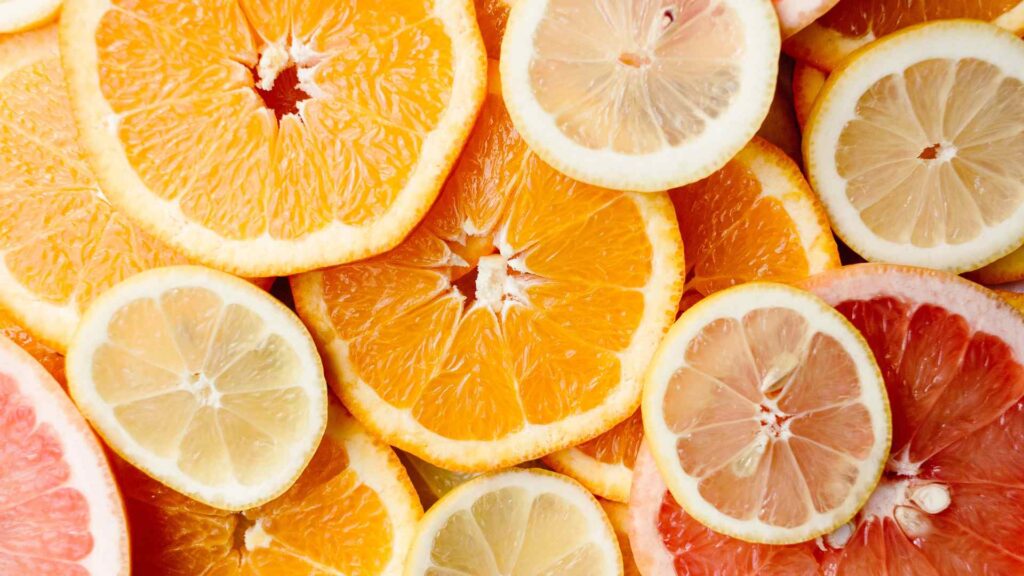
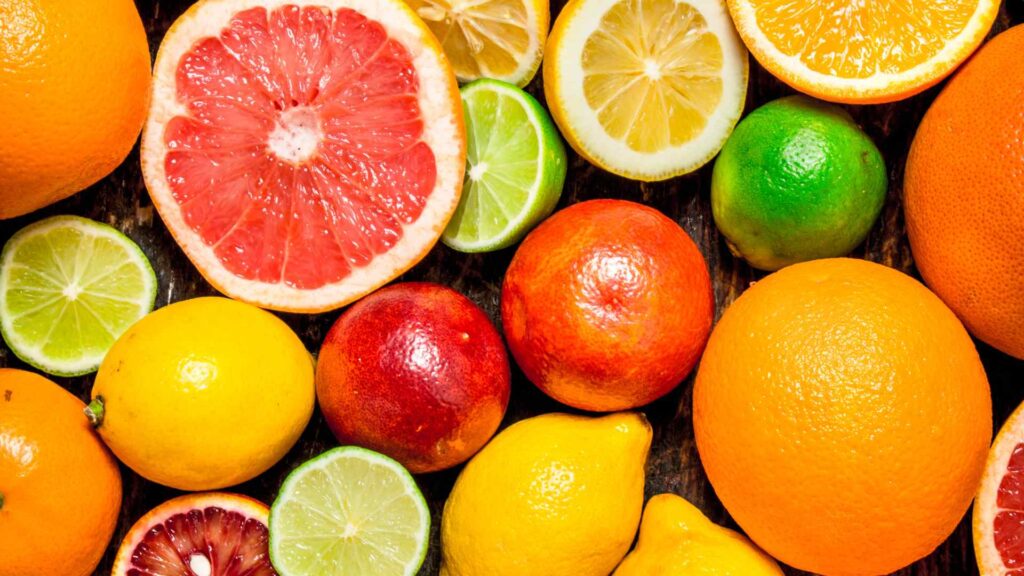
Sweet oranges and mandarins are usually the easiest flesh to discuss because a tiny peeled seed-free piece may be tolerated. Their peel and plant material remain unsuitable.
Lemon and lime flesh or juice is intensely acidic and can irritate the mouth and stomach even without peel. There is no reason to teach a dog to tolerate the sourness.
Grapefruit can interact with some human medicines, and dog-specific interaction data is not a reason to experiment. Ask the prescribing veterinarian before any grapefruit exposure when a dog takes medication.
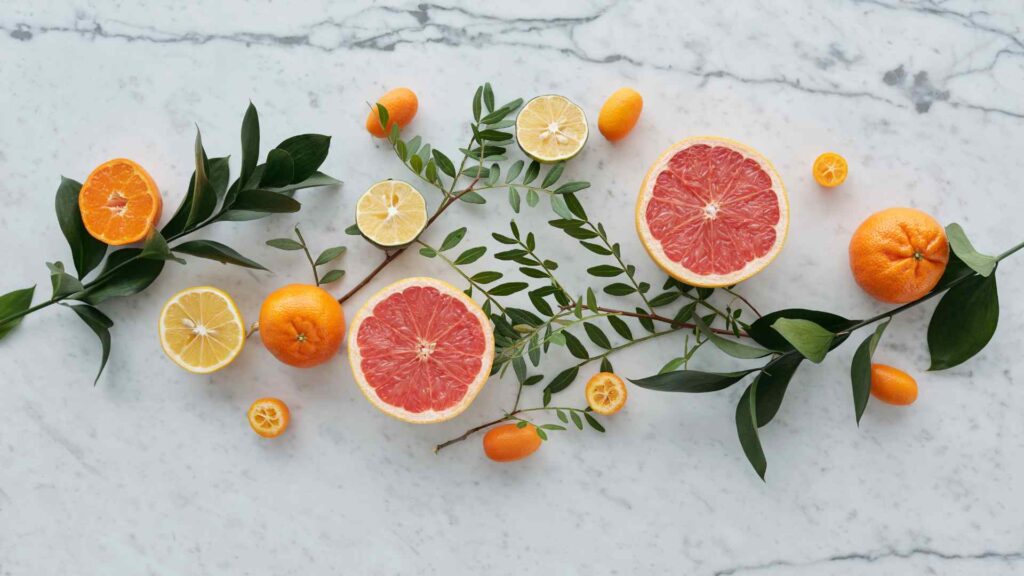
Bitter orange, calamondin, kumquat, pomelo, citron, and hybrids vary in peel-to-flesh ratio, seeds, bitterness, and products. Identify the fruit instead of applying one orange serving rule.
Kumquats are commonly eaten peel-on by people, which makes them a poor share for dogs. The human preparation style does not remove canine peel and oil concerns.
Juice and drinks are different products
Citrus juice concentrates sugar and acid while removing the chewing step that naturally limits intake. It is not needed for hydration, vitamin C, urinary health, or appetite.
Lemonade, limeade, orange drink, sports beverages, smoothies, and cocktails may add sugar, xylitol, grapes, caffeine, alcohol, dairy, or supplements. Read the complete label.
A tiny splash of plain juice is usually an irritation question, while concentrate, essential oil, cleaner, or an alcoholic drink needs faster case-specific advice.
A practical citrus decision
- Identify the citrus species and whether exposure was flesh, peel, pith, seed, plant, juice, oil, cleaner, or mixed product.
- Save labels and estimate amount, concentration, time, dog weight, symptoms, health conditions, medications, and normal diet.
- Account for bags, mesh, stickers, clips, bottles, caps, droppers, glass, skewers, and plant-treatment chemicals.
- Call promptly for essential oil, cleaner, substantial peel or plant material, dangerous co-ingredients, medication concerns, significant symptoms, or missing packaging.
Orange flesh and orange peel are different answers
The juicy flesh of a sweet orange is generally considered edible for dogs in a small seed-free piece. Peel, pith, seeds, stems, leaves, flowers, and concentrated oils are not equivalent to that prepared bite.
The ASPCA orange entry identifies essential oils and psoralens as toxic principles and notes that fruit is edible while skins and plant material can cause problems. Report vomiting, diarrhea, depression, or dermatitis.
Do not panic over one pinhead-size zest fleck, but do not deliberately offer peel as roughage. Amount, dog size, chewing, symptoms, plant parts, and product concentration determine the response.
A wedge handed over with the rind still attached lets a dog swallow everything at once. Peel and remove seeds first, then cut the flesh into a small piece if the dog’s health plan allows fruit.
Why peel causes gastrointestinal trouble
Orange peel is tough, bitter, fibrous, and rich in aromatic oil glands. It can trigger drooling, nausea, vomiting, diarrhea, abdominal discomfort, or reduced appetite.
White pith contains less aromatic surface oil than the colored zest but remains fibrous and unnecessary. It should not be promoted as a safe fiber supplement.
Large curled strips can lodge in the throat or bunch within the gastrointestinal tract. Small dogs, puppies, flat-faced dogs, dental patients, and habitual gulpers face more physical risk.
Merck’s obstruction guide lists vomiting, appetite loss, abdominal pain, lethargy, and shock among possible signs. Symptoms can develop after the kitchen looks cleaned up.
Do not give bread, oil, pumpkin, or extra fiber to push peel through. Repeated retching, vomiting, a swollen painful abdomen, inability to keep water down, or breathing difficulty needs prompt care.
Zest, extract, and essential oil are concentrated
Culinary zest distributes the colored outer peel through food, while orange extract and orange essential oil are much more concentrated products. A visible strip of peel cannot be used to estimate an oil exposure.
Merck’s essential-oil toxicosis review says risk rises with concentration and that oils can be absorbed through the gut, skin, lungs, and mucous membranes. Concentrated oils should not be applied directly to pets.
Possible essential-oil signs include vomiting, drooling, lethargy, poor coordination, tremors, skin irritation, low body temperature, or respiratory signs. Call promptly after ingestion, a substantial skin spill, or inhalation symptoms.
Do not induce vomiting after an essential-oil exposure because aspiration is a concern. Move an animal with inhalation exposure into fresh air if safe, prevent grooming of contaminated fur, and call for decontamination instructions.
Never put orange oil in a dog’s mouth, water, ears, collar, shampoo, bedding, or diffuser as a flea remedy. Natural origin does not make a concentrated extract gentle.
Orange trees and houseplants
Leaves, stems, flowers, fallen fruit, peel, sap, fertilizer, pesticide, mulch, and irrigation products may all be accessible beneath a citrus tree. Clean fallen material and supervise dogs in orchards or treated yards.
Calamondin, bitter orange, mandarin, tangerine, and ornamental citrus are not all identical products. Photograph the plant and label when the species or treatment is uncertain.
A dog chewing branches may swallow wood as well as plant compounds. Splinters, coughing, oral bleeding, repeated swallowing, or refusal to eat requires examination.
Candied peel, marmalade, and baked goods
Candied orange peel adds a heavy sugar coating and sometimes chocolate. Marmalade can add concentrated sugar, peel shreds, alcohol, spices, or sugar substitutes.
Sugar-free marmalade requires an immediate check for xylitol, birch sugar, or wood sugar. Confirmed xylitol exposure is an emergency even if the dog looks normal.
Fruitcake, scones, muffins, cookies, chocolate orange, cocktails, and holiday breads may contain raisins, currants, macadamias, chocolate, alcohol, nutmeg, or raw dough. Save the recipe and identify the complete food.
The pancake guide shows why toppings and mix-ins often matter more than the plain base. Orange zest does not make a dessert a fruit serving.
Cleaning products are not food exposures
Orange-scented cleaner may contain detergents, solvents, disinfectants, concentrated d-limonene, or other chemicals. Do not assess a floor-cleaner lick using guidance for fruit peel.
Save the product label and Safety Data Sheet if available, then call a veterinarian or animal poison service. Do not mix cleaners or try to neutralize them with vinegar, baking soda, or another chemical.
After a paw or coat spill, stop the dog from licking and follow professional bathing instructions. Eye exposure needs gentle flushing with room-temperature water or sterile saline and prompt advice if squinting or redness persists.
Orange peel is not a vitamin or flea treatment
Dogs eating a complete diet do not need peel for vitamin C, antioxidants, fiber, dental cleaning, fresh breath, immunity, or detoxification. The irritating part of the fruit is a particularly poor supplement.
Citrus peel and oil should not replace veterinary flea and tick prevention. Inconsistent homemade sprays can expose eyes, skin, lungs, and the gastrointestinal tract without proving parasite control.
The site’s lemon guide covers similar peel, pith, plant, essential-oil, drink, and cleaner distinctions. Different citrus products still require their own label.
For small peeled citrus flesh, the mandarin orange guide explains sugar, seeds, canned syrup, and portion context. Flesh advice is not peel permission.
Produce handling still matters
The FDA produce-safety guide recommends rinsing fruit under running water and keeping it separate from raw animal foods. Wash the orange before peeling so a knife does not drag surface contamination into the flesh.
Do not use soap, bleach, or detergent on fruit. Discard moldy, fermented, slimy, chemically contaminated, or badly spoiled oranges rather than cutting away one patch for a dog.
Keep produce bags, mesh sacks, stickers, twist ties, and clips out of reach. Missing packaging can cause choking or obstruction separate from citrus irritation.
What to do after peel is swallowed
- Remove access and identify fresh peel, zest, candied peel, marmalade, plant material, essential oil, cleaner, or mixed food.
- Estimate the amount, concentration, time, dog weight, symptoms, medical history, and current diet.
- Save labels and recipes, especially for xylitol, chocolate, raisins, alcohol, cleaners, oils, pesticides, and other active ingredients.
- Account for bags, mesh, stickers, clips, glass, bottles, caps, droppers, wrappers, skewers, and plant debris.
- Call promptly for a large peel amount, oil or cleaner exposure, dangerous co-ingredients, significant symptoms, or missing packaging.
A healthy adult dog that swallowed one tiny fresh peel piece and remains comfortable may only need monitoring after professional triage when uncertain. Keep ordinary water available and do not force food or fluid.
Do not induce vomiting or give oil, milk, salt, charcoal, antacids, or human medicine unless directed. Essential oil, cleaner, and foreign-body exposures need different responses.
Breathing difficulty, collapse, seizures, severe tremors, marked weakness, inability to swallow, or a swollen painful abdomen is an emergency. Call ahead while traveling if someone can do so safely.
Dogs who need an earlier call
Puppies, toy breeds, seniors, dogs with swallowing problems, and habitual foreign-body eaters are less forgiving of peel strips. Dogs with liver, kidney, gastrointestinal, or respiratory disease also deserve individualized advice.
A dog on an elimination, diabetic, weight-loss, or prescription diet should not receive orange products casually. Even edible flesh may add sugar or an unapproved ingredient.
Compost and kitchen scraps broaden the exposure
A compost raid may combine orange peels with coffee grounds, moldy food, onions, garlic, grape stems, fruit pits, corn cobs, bones, and plastic. Inventory the whole bin rather than reporting citrus alone.
Secure countertop peel bowls and trash cans immediately after juicing. A dog that ignores one bitter strip may still grab a greasy napkin or food-covered wrapper underneath it.
Dried orange slices used in garlands and potpourri may carry fragrance oil, glue, wire, ribbon, preservatives, or other botanicals. Decorative citrus should be treated as an unknown household product, not dried fruit.
Bird feeders, craft projects, and simmer pots can also contain cinnamon oil, cloves, alcohol, salt dough, or sharp hooks. Save a matching item and recipe when a decoration disappears.
Monitoring should be specific
After a minor peel nibble, watch appetite, vomiting, stool, comfort, energy, and ability to keep water down. New drooling, depression, skin irritation, tremors, poor coordination, or breathing changes deserves a call.
Write down the time and amount instead of relying on memory if symptoms develop later. Accurate details help a professional distinguish irritation, obstruction, essential-oil exposure, and an unrelated illness.
Frequently asked questions
Is one small piece of orange peel fatal?
A tiny piece does not guarantee severe poisoning, but size, amount, symptoms, and whether it was concentrated oil or cleaner matter. Remove access and call if concern persists.
Can dogs eat orange pith?
Skip it. Pith is fibrous and unnecessary, and leaving it attached makes a peel strip easier to swallow.
Can orange peel repel fleas?
Do not apply peel or citrus oil as a home flea remedy. Use veterinarian-recommended parasite control with a known formulation and label.
What orange part can a dog eat?
A tiny seed-free piece of peeled sweet-orange flesh may be tolerated by some healthy dogs. Sugar, medical diets, and individual digestive tolerance still matter.
The bottom line
Do not intentionally feed orange peel. A tiny accidental nibble often causes limited irritation, but large strips add choking and obstruction risk, while concentrated oil and cleaners are more serious exposures.
Separate prepared flesh from peel, pith, plant parts, extracts, desserts, and household products. Skip vitamin and flea claims, save labels, and seek prompt help for symptoms or concentrated exposure.