Can Dogs Eat Steak Bones? Cooked and Raw Risks
Do not give dogs steak bones as chews, whether cooked or raw. Cooked bones can splinter, while raw bones can still fracture teeth, choke, lodge around the jaw, obstruct or perforate the digestive tract, and expose the household to pathogens.
No bone size or cooking method removes every serious risk.
If your dog has a bone right now
Trade for a valued treat if the dog will release objects safely, then move the bone and trash out of reach. Do not wrestle with a guarding dog or put your fingers near the throat.
If the dog cannot breathe, has blue or gray gums, collapses, or is frantically pawing at the mouth, seek emergency help immediately. Call ahead while traveling so the clinic can prepare.
Cooked steak bones can splinter
Roasting, grilling, broiling, smoking, and pan cooking remove moisture and can make bones brittle. Sharp pieces can injure the mouth, throat, stomach, or intestines even when the original bone looked thick and sturdy.
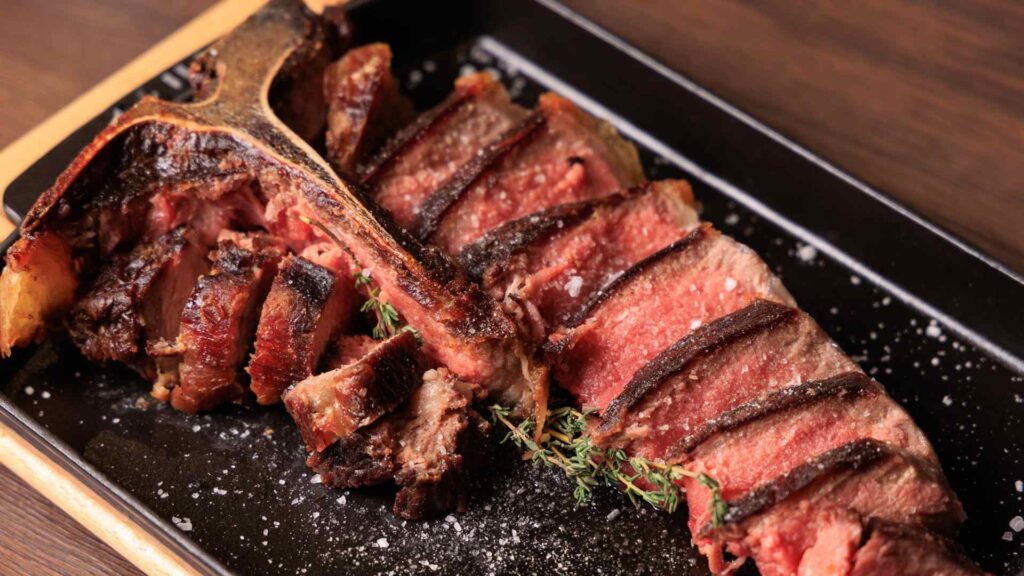
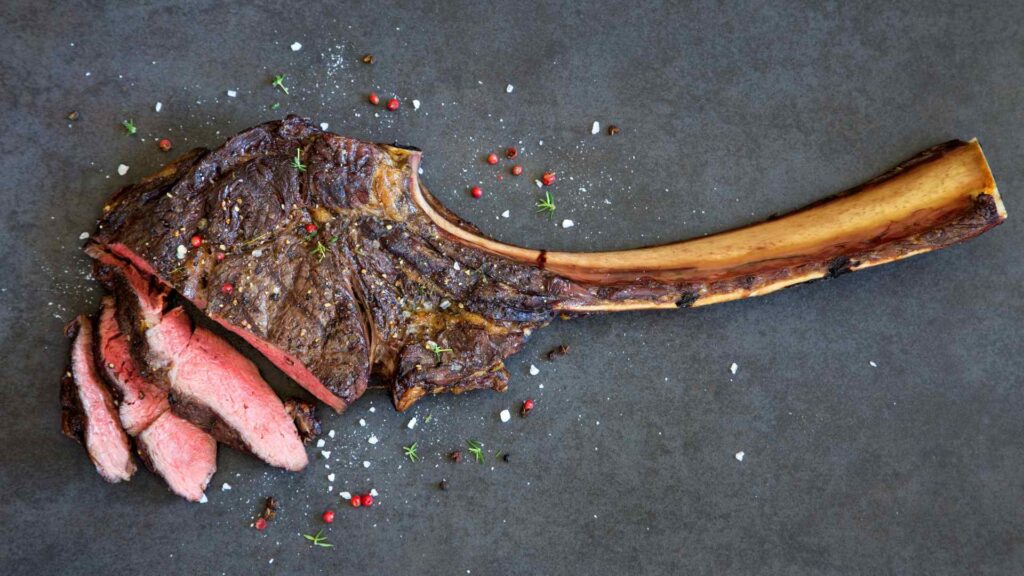
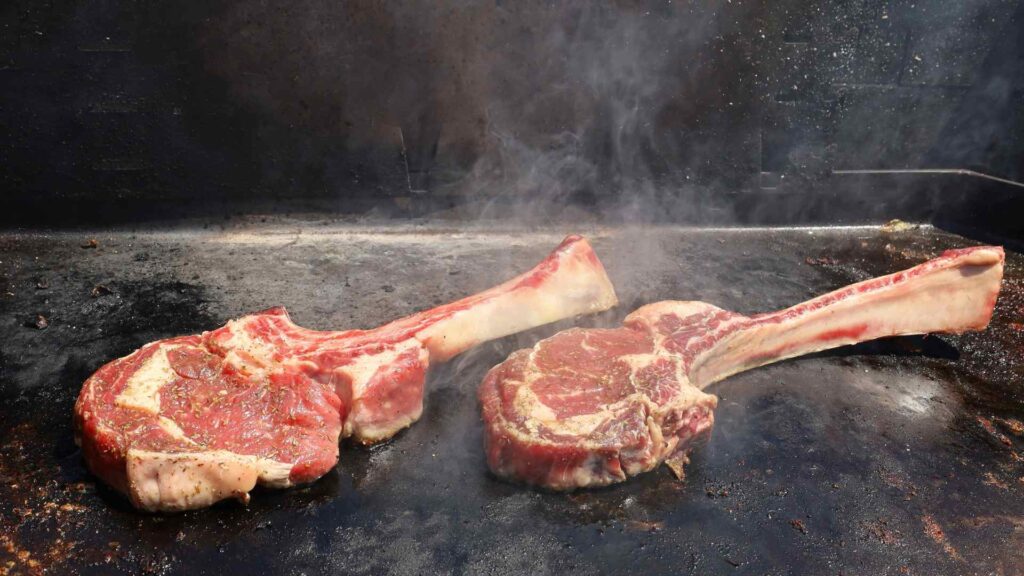
The ASPCA warns that cooked bones can splinter and injure a dog. A T-bone, rib bone, porterhouse bone, tomahawk bone, and trimmed steak bone all deserve the same caution.
Raw is not a safe switch
A raw steak bone may be less brittle than a cooked one, but it remains hard enough to break teeth and large enough to choke or obstruct. Knuckles and marrow cavities can also catch over the lower jaw.
The ASPCA describes marrow bones causing broken teeth, choking, obstruction, and perforation. Raw bones also add microbial risks that cooking was meant to reduce.
There is no reliable safe-size formula
Advice such as “bigger than the dog’s head” does not prevent a slab from trapping the jaw, a chewed fragment from becoming small enough to swallow, or a tooth from cracking. Breed, jaw strength, chewing style, dental health, bone geometry, and time all change the exposure.
A bone that one dog chewed without trouble is not proven safe for another session. Serious injuries are intermittent, which makes anecdotes especially poor safety tests.
Broken teeth are painful emergencies
Hard bones can fracture the large upper premolar called the carnassial tooth and other teeth. A fracture may expose the pulp, leading to severe pain and infection even if the dog keeps eating.
The UC Davis School of Veterinary Medicine warns that very hard chew objects can fracture teeth. Watch for drooling, blood, pawing at the mouth, chewing on one side, dropping food, facial swelling, or sudden reluctance to eat.
Choking and throat injuries
A round, flat, or wedge-shaped fragment can lodge behind the tongue or in the esophagus. Signs include coughing, gagging, repeated swallowing, retching, drooling, neck extension, distress, and inability to swallow water.
Do not push the bone down with bread or another meal, and do not blindly sweep deep in the mouth. A visible loose object may be removable only if it can be reached safely without forcing it farther or being bitten.
Bones can circle the lower jaw
Marrow rings and holes can slide over the canine teeth and lock around the lower jaw. This can cause swelling, pain, tongue injury, drooling, and panic, and removal may require sedation and cutting equipment.
Do not saw, drill, heat, or pry a trapped bone at home. Protect yourself from an accidental bite and go to a veterinarian promptly.
Stomach and intestinal obstruction
Swallowed pieces may become stuck at the stomach outlet or farther along the intestine. Symptoms can begin with vomiting and appetite loss, then progress to dehydration, abdominal pain, weakness, and tissue damage.
The FDA lists bones among items that can choke pets or block the digestive tract. Repeated vomiting, a painful or swollen abdomen, lethargy, inability to keep water down, or repeated unproductive retching needs urgent assessment.
Sharp fragments can perforate
A pointed fragment can puncture the esophagus, stomach, or intestine and leak contents into surrounding tissue. This can cause life-threatening infection and may require surgery.
Severe pain, collapse, pale gums, fever, rapid breathing, black stool, bloody vomit, or sudden weakness is an emergency. Do not wait for a sharp piece to appear in the stool before seeking help.
Constipation and painful stool
Bone fragments can accumulate into hard, dry material in the colon and cause straining, pain, or injury near the rectum. White, chalky stool after a bone meal does not prove the exposure ended safely.
Do not give oil, laxatives, enemas, bulky food, or more bones to push material through. A veterinarian may need imaging, fluids, pain relief, stool removal, endoscopy, or surgery depending on location and symptoms.
Raw meat and bone pathogens
Raw beef can carry organisms that affect the dog and contaminate bowls, floors, hands, saliva, and stool. A dog without symptoms can still spread pathogens to people or other animals.
The FDA reports that raw pet food is more likely than processed food to contain disease-causing bacteria, including Salmonella and Listeria. Young children, older adults, pregnant people, and immunocompromised household members need particular protection.
Clean up a raw-bone raid
Use separate utensils, wash hands with soap and water, disinfect contacted surfaces with a suitable product, and keep the dog away from food-preparation areas. Launder contaminated fabric and prevent face licking until the muzzle and paws are clean.
The CDC advises washing hands and cleaning bowls and surfaces after handling pet food. Do not rinse raw meat in the sink because splashing can spread contamination.
Fat and marrow are separate hazards
The rich fat around a steak bone and inside marrow can trigger vomiting or diarrhea and may contribute to pancreatitis in susceptible dogs. Risk is especially concerning after a large theft or in a dog with prior pancreatitis or a prescribed low-fat diet.
Persistent vomiting, refusal to eat, lethargy, marked abdominal pain, or a prayer-like posture needs veterinary evaluation. A fatty meal does not diagnose pancreatitis by itself, but waiting through worsening pain is not sensible.
Seasonings can change urgency
Steak bones may carry garlic, onion, salt, pepper, chili, butter, alcohol-based sauce, or sugar-free glaze. Scraping the surface does not reliably remove powder, marinade, or cooked-in ingredients.
Our salt guide explains concentrated exposures, while the exact recipe is needed for Alliums or xylitol. Save rub packets, sauce bottles, restaurant receipts, and ingredient labels.
Grill and trash hazards
A stolen bone may come with foil, plastic wrap, absorbent meat pads, butcher string, skewers, corn cobs, napkins, grease, or a trash bag. Count every missing object instead of focusing only on the bone.
Skewers and sharp foil can perforate, while bags can suffocate or obstruct. Tell the clinic about all materials because one object may change whether vomiting is appropriate.
Mold and spoiled leftovers
Old bones from the trash or yard add spoilage and mold concerns. Moldy food can expose dogs to tremorgenic toxins that cause agitation, poor coordination, tremors, overheating, and seizures.
Do not wash off a spoiled bone and return it. Dispose of bones in a secured lidded container that the dog cannot tip or open.
What if the bone was swallowed whole?
Call a veterinarian or emergency clinic promptly with the bone type, cooked or raw status, approximate dimensions, time, dog’s weight, symptoms, and missing packaging. A clinic may recommend examination and imaging before symptoms develop, depending on the exposure.
Do not assume a large dog can pass a large bone or that stomach acid will safely dissolve it. Location, shape, sharpness, and individual anatomy matter more than reassuring folklore.
Do not induce vomiting
Do not give hydrogen peroxide, salt, mustard, oil, bread, cotton, or a bulky meal to make the dog vomit or cushion the bone. A sharp object can injure the esophagus on the way back up or become lodged.
A veterinarian may choose observation, imaging, endoscopic removal, or surgery based on the actual case. Home vomiting advice found online cannot account for bone shape, timing, aspiration risk, or the dog’s condition.
What about a tiny cooked fragment?
A crumb of soft gristle or a minuscule bone fleck in food is not the same exposure as swallowing a rib segment. If the dog is comfortable, call for tailored advice rather than assuming either guaranteed harm or guaranteed safety.
Monitor only when a veterinary professional agrees it fits the situation. Seek care if vomiting, gagging, drooling, appetite loss, pain, lethargy, straining, blood, black stool, or breathing trouble appears.
Steak meat is a different question
Lean, fully cooked, unseasoned, boneless beef can be offered in small pieces to some healthy dogs. Our ground beef guide covers cooking, fat, portions, and cross-contamination without suggesting that beef is a complete diet.
Trim away bone, large fat deposits, string, and hard gristle before sharing. A bite of meat does not make the attached bone an acceptable chew.
Pork and poultry bones need the same caution
Pork chop and poultry bones differ in shape, but cooking and chewing can still create sharp fragments and obstruction risks. See our guides to pork chops and raw chicken for species-specific handling.
Do not rotate among bone types looking for a loophole. The safe plan is to remove bones before the dog receives any table food.
Safer chewing choices
Ask your veterinarian for a chew matched to the dog’s size, dental condition, chewing intensity, diet, and history of swallowing objects. Choose products with some give, supervise every session, and replace damaged pieces before chunks detach.
Dental chews bearing the Veterinary Oral Health Council seal can support oral-care plans when appropriately sized, but no chew replaces brushing and dental examinations. Stop any chew that causes bleeding, gagging, frantic swallowing, or broken pieces.
Information to collect before calling
- Identify the cut and whether the bone was cooked, smoked, grilled, raw, spoiled, or seasoned.
- Estimate its original dimensions and how much remains, but do not risk a bite to retrieve it.
- Record the dog’s weight, ingestion time, symptoms, dental history, digestive history, and medications.
- Count foil, plastic, pads, string, skewers, sauce packets, napkins, and trash.
- Photograph a matching bone or package and call promptly for swallowing, sharp fragments, distress, or uncertainty.
Emergency signs
Go now for breathing difficulty, blue or gray gums, collapse, a trapped jaw, severe bleeding, repeated retching, inability to swallow, or a visibly lodged object. Prompt care also matters for repeated vomiting, abdominal swelling or pain, black stool, marked weakness, tremors, or seizures.
Keep the dog quiet during transport and do not offer food unless the clinic asks. If choking is suspected, call on the way so staff can give case-specific first-aid instructions.
Bottom line
Steak bones are not worth the tradeoff: cooked bones can splinter, and raw bones still carry dental, choking, obstruction, perforation, fat, and pathogen risks. Remove bones before sharing any meat, secure the trash, avoid home vomiting remedies, and call promptly after swallowing or any concerning sign.