Can Dogs Eat Lobster? Meat, Shell, Tomalley, and Seasoning
Some healthy dogs can eat a tiny amount of plain, fully cooked, shell-free lobster meat. Raw or undercooked seafood, hard shell, allergy, sodium, butter, garlic, tomalley, rich dishes, large portions, and swallowed packaging change the answer, and lobster is not an omega-3 treatment.
The low-drama version is plain meat
- Fully cooked plain lobster meat: a tiny occasional taste may suit many healthy adult dogs.
- Raw, undercooked, marinated, or spoiled lobster: do not feed.
- Shells, legs, claws, body plates, and hard fragments: remove completely and secure in trash.
- Butter, boil seasoning, garlic, onion, sauces, and breading: assess the entire recipe.
- Imitation lobster: read the label for fish, wheat, egg, sugar, sodium, flavorings, and other ingredients.
Lobster is not required in a balanced dog diet, so a dog that has never eaten it is not missing a nutrient. The safest portion is small enough to inspect carefully and large enough not to disappear as an unchewed lump.
Shrimp has similar shell and cooking questions, covered in our shrimp guide. Do not assume one shellfish allergy or preparation rule predicts every seafood product.
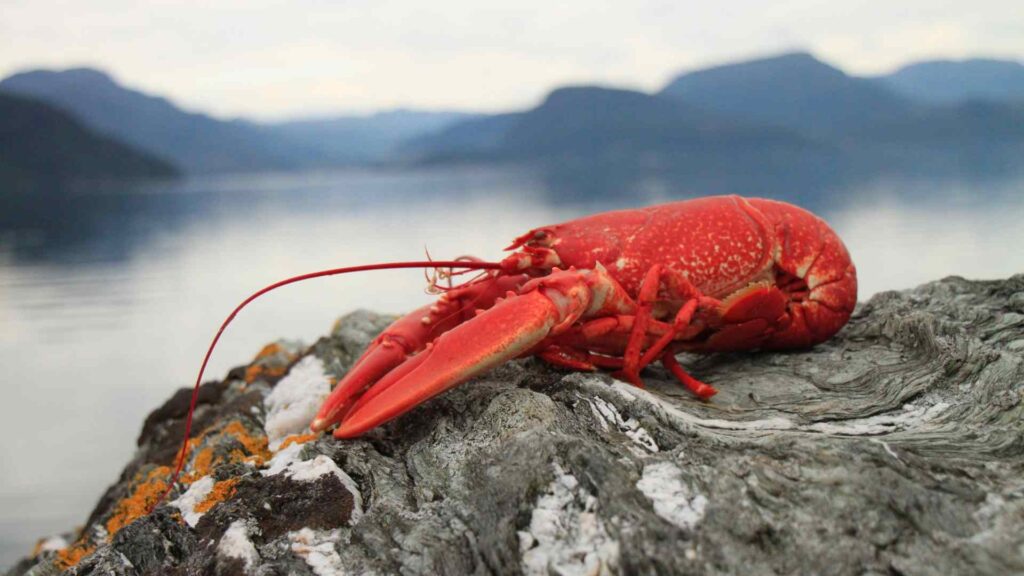
Tail, claw, and knuckle meat can be prepared plainly
Choose fully cooked meat removed from every shell fragment, cartilage-like piece, and cooking liquid. Serve it cool and unseasoned in one small bite.
Do not let a dog work meat from a whole tail or claw. Cracking tools, picks, skewers, napkins, rubber bands, and shell shards can disappear during a table raid.
Raw and undercooked lobster is not a better treat
FDA recommends cooking seafood thoroughly and preventing cross-contamination. Its seafood safety guidance also covers refrigeration, thawing, and spoilage.
CDC advises against raw or undercooked seafood because Vibrio and other germs may be present. Human guidance does not establish a raw-feeding exception for dogs.
Wash hands and tools after handling raw lobster, and keep juices away from ready-to-eat food. A dog can spread contamination from its muzzle, bowl, or stool.
Shell is a physical hazard, not a calcium supplement
Lobster shell is hard, sharp-edged, and poorly suited to chewing. Pieces can cut the mouth, choke, lodge in the esophagus, obstruct the intestine, or injure the digestive tract.
A larger shell does not guarantee safety because powerful chewers can break it. A small fragment does not guarantee passage in a small dog.
Repeated gagging, drooling, regurgitation, vomiting, appetite loss, abdominal pain, lethargy, blood, or breathing difficulty needs prompt care. Do not make the dog vomit after swallowing shell unless a veterinarian directs it.
What about tomalley?
Tomalley is the soft green hepatopancreas in the body cavity, not ordinary tail or claw meat. It can accumulate marine biotoxins, so there is no reason to feed it to a dog.
FDA fishery guidance identifies lobster tomalley as a potential natural-toxin concern. Cooking does not make every marine biotoxin disappear.
If tomalley was eaten, report lobster species or product, harvest information if available, amount, time, dog weight, and symptoms. Get case-specific advice rather than applying a human serving recommendation.
Butter, garlic, salt, and restaurant dishes
Drawn butter and oil add fat, while garlic butter adds an Allium hazard. Salted boiling water, seasoning blends, and sauces make the final sodium impossible to judge by taste alone.
Lobster roll filling may contain mayonnaise, butter, celery, onion, garlic, or seasoning. Bisque may add cream, alcohol, stock, and concentrated sodium.
Mac and cheese, ravioli, thermidor, and seafood boils bring cheese, fat, salt, spices, sausage, corn cobs, and other ingredients. Inventory the entire dish.
Allergy needs calm, fast observation
A dog can react to a food protein, but one episode of vomiting after buttery lobster does not prove allergy. Fat, salt, spoilage, shell, quantity, and other ingredients are competing explanations.
Facial swelling, widespread hives, breathing trouble, collapse, or profound weakness is an emergency. Recurrent mild signs need a veterinary diagnostic plan, not repeated home challenges.
Cans, tubs, and leftovers
Canned lobster can be salty or packed with additives, and imitation products vary by label. Rinse only if a veterinarian has already approved the product and serving.
Refrigerate cooked meat promptly and discard it when slimy, sour, moldy, or outside safe storage guidance. A trash raid may also include shells, foil, plastic, picks, and butter containers.
After a lobster raid
- Identify plain meat, raw seafood, shell, tomalley, seasoned dish, canned or imitation product, spoiled leftovers, or packaging.
- Save labels and recipes; estimate amount, time, dog weight, symptoms, conditions, medications, and normal diet.
- Flag shell, garlic, onion, high fat or salt, alcohol, dangerous co-ingredients, spoilage, tomalley, and missing nonfood items.
- Call promptly for any flagged hazard, symptoms, an allergy-type reaction, large or unknown amount, or a medically restricted dog. Do not use home emetics.
Cook lobster thoroughly and control cross-contamination
Raw lobster can carry harmful bacteria and other pathogens, and freezing does not eliminate every germ. A dog can become ill or spread organisms around the household even when symptoms are not dramatic.
The FDA seafood-safety guide recommends thorough cooking and says lobster flesh should become firm, pearly, and opaque. It also advises separating raw seafood, washing hands and surfaces, and keeping seafood cold.
The USDA safe-temperature chart lists 145°F for fish and shellfish. A clean food thermometer is more dependable than judging only by shell color.
- Buy lobster from a reputable source and keep it refrigerated or properly iced.
- Prepare raw seafood away from ready-to-eat foods, using clean hands, boards, and utensils.
- Cook thoroughly, then set the dog’s portion aside before butter, salt, sauce, or seasoning.
- Pick through the cooled meat under good light and remove every hard or translucent fragment.
- Cut or flake a small piece and offer it only after the meat has cooled completely.
Previously cooked refrigerated lobster
Check the package date, storage instructions, sodium, preservatives, and seasoning. Ready-to-eat for people does not guarantee plain or suitable for a dog with a medical diet.
Discard lobster with sour, rancid, fishy, or ammonia odor and any product left warm beyond safe storage guidance. Do not let the dog clean up seafood people consider spoiled.
Shell is not calcium and not a chew
Lobster shell is hard, sharp, and capable of splintering into irregular pieces. It can cut the mouth, lodge in the throat or esophagus, cause vomiting, or obstruct or injure the gastrointestinal tract.
Grinding shell at home does not create a measured calcium supplement and may leave sharp particles. Complete dog food already contains minerals in a planned balance, and home mineral additions can be especially risky for puppies and dogs with urinary or kidney disease.
- Active choking, breathing difficulty, blue or pale gums, collapse, or severe distress needs emergency care.
- Repeated gagging, drooling, pawing at the mouth, or trouble swallowing needs prompt assessment.
- Repeated vomiting, abdominal pain, food refusal, profound lethargy, or reduced stool can follow obstruction.
- Blood from the mouth, vomit, or stool after shell ingestion is not a normal wait-and-see sign.
Do not induce vomiting after shell ingestion unless a veterinary professional explicitly directs it. Sharp pieces can cause additional injury on the way back up.
Butter, salt, and boil seasoning are the usual party crashers
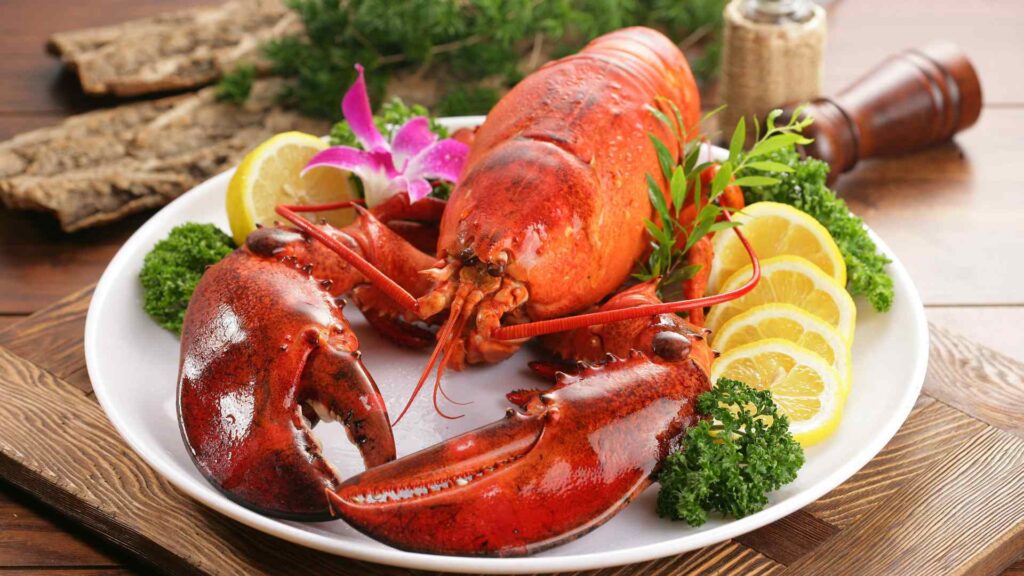
Lobster legs are often served with melted butter, garlic butter, lemon, salt, hot sauce, or spice blends. Seafood boils add concentrated seasoning, sausage, corn, potatoes, onion, garlic, and cooking liquid that can be extremely salty.
One lick of plain melted butter is usually a calorie-and-stomach issue for a healthy dog, while a missing bowl can deliver a large fat load. Dogs with prior pancreatitis, hyperlipidemia, obesity, or a prescribed low-fat diet need stricter avoidance.
Garlic and onion can damage canine red blood cells, so use our garlic guide and onion guide when seasoning or boil liquid disappears. Powders can be concentrated, and effects may be delayed.
Dogs with heart disease, kidney disease, high blood pressure, or sodium-restricted diets should not receive brined, seasoned, or salty lobster. Rinsing removes surface seasoning but cannot prove a therapeutic sodium limit.
Lobster rolls, bisque, mac and cheese, dip, and salad
Lobster cakes add bread crumbs, egg, mayonnaise, mustard, onion, garlic, salt, seasoning, and frying oil. A cake can contain more binder and seasoning than lobster.
Lobster rangoon adds cream cheese, wrappers, oil, and often garlic or onion seasoning. Lobster dip and lobster salad can add mayonnaise, cheese, hot sauce, alcohol, scallions, celery, and high sodium.
Bisque, chowder, gumbo, and soups may contain cream, butter, stock, onion, garlic, spice, and shells used for flavor. Straining out a spoonful of meat does not remove ingredients absorbed into it.
Sushi may pair lobster with avocado, mayonnaise, wasabi, soy sauce, pickled ginger, raw seafood, sesame, and seaweed. The roll needs an ingredient-by-ingredient review.
Imitation lobster is a processed product, not plain lobster
Imitation lobster is usually made from processed white fish with starch, sugar, salt, flavoring, color, and sometimes egg or wheat. Recipes and allergens vary, so the front label cannot answer the whole question.
A tiny piece is unlikely to poison most healthy dogs, but it is often saltier and more processed than plain cooked lobster meat. Avoid it for sodium-restricted dogs, elimination diets, or dogs with known fish, egg, or wheat reactions unless the veterinary plan allows it.
Krab salad, seafood sticks, and sushi fillings may add mayonnaise and seasoning after the imitation product is made. Save the ingredient label if a package disappears.
Food allergy is possible but cannot be diagnosed from one itch
Dogs can react adversely to seafood proteins, and possible signs include vomiting, diarrhea, itching, hives, facial swelling, or recurring skin and ear problems. Those signs have many causes, so coincidence after one bite is not proof of lobster allergy.
The Merck Veterinary Manual food-allergy review describes a controlled elimination diet and rechallenge as the reference diagnostic method. Hair, saliva, and convenient food panels cannot replace that process.
Facial swelling, breathing difficulty, widespread hives, weakness, or collapse after eating is an emergency. For mild recurring signs, stop lobster and call rather than rotating seafood proteins at random.
Do not give lobster during a prescribed elimination trial unless it is explicitly included. A tiny treat can introduce the very protein being tested and spoil weeks of careful feeding.
Protein and omega-3 do not make lobster medicine
Lobster provides protein and nutrients, but a treat portion cannot build muscle by itself, treat arthritis, fix a dry coat, improve cognition, or replace a balanced diet. Complete dog food already supplies required amino acids, fatty acids, vitamins, and minerals.
Muscle loss, weight loss, weakness, stiffness, or coat change needs diagnosis. Adding seafood calories can mask how little normal food a dog is eating without treating the cause.
The UC Davis veterinary treat guideline recommends keeping all treats and extras below 10 percent of daily calories. Lobster shares that allowance with every chew, reward, table scrap, and pill food.
Salmon and tuna have their own frequency, preparation, and contaminant questions, covered in our salmon guide and tuna guide. Seafood is not one interchangeable supplement category.
What to do after a lobster feast
- Remove access and collect remaining meat, shells, claws, legs, wrappers, skewers, picks, and bags.
- Identify raw versus cooked, plain versus seasoned, real versus imitation, and meat versus shell.
- Estimate the amount, time, dog’s weight, symptoms, and relevant medical history.
- Check for garlic, onion, butter, high salt, xylitol, alcohol, chocolate, and swallowed objects.
- Call for shell ingestion, raw seafood, unsafe ingredients, a large amount, allergy signs, or a vulnerable dog.
A healthy adult dog that ate one small piece of fully cooked plain shell-free meat and remains comfortable can usually be monitored. Keep water available and return to the normal diet.
A dog that raided a shell bucket or seafood boil needs a faster call because the situation combines sharp objects, salt, fat, spices, and uncertain quantities. Do not reduce it to lobster meat alone.
Frequently asked questions
Can puppies eat lobster?
A tiny piece of fully cooked plain shell-free meat may be tolerated, but puppies need nearly all calories from complete growth food. Inspect especially carefully for shell.
Can dogs eat lobster shells?
No. Shells can choke, cut tissue, and obstruct the gastrointestinal tract and are not a safe calcium source.
Can dogs eat canned lobster?
Check sodium, preservatives, and seasoning. A tiny drained plain piece may suit some healthy dogs, but fresh plain cooked meat offers more control.
Can dogs eat imitation lobster?
It is processed fish with variable starches, salt, sugar, flavors, and allergens, so it is not equivalent to plain lobster. Read the label and avoid routine feeding.
Is lobster good for a dog’s joints?
Lobster is not arthritis treatment. Pain and mobility changes need veterinary assessment and therapies chosen for the individual dog.
The bottom line
A small piece of fully cooked, plain, shell-free lobster meat can be an occasional treat for many healthy adult dogs. Raw lobster, shells, butter, salt, seasoning, rich recipes, and imitation products require separate decisions.
Inspect the meat under good light and keep the portion small. Shell ingestion, breathing trouble, facial swelling, repeated vomiting, abdominal pain, collapse, or unsafe co-ingredients needs prompt professional help.