Can Dogs Have Gatorade? Sugar, Electrolytes, Labels, and Heat
One lick of ordinary ready-to-drink Gatorade is unlikely to poison a healthy dog, but it should not replace water or veterinary fluid therapy. Large volumes, sugar, sodium, zero-sugar sweeteners, caffeinated adjacent products, concentrated powders, heat illness, diabetes, and swallowed caps or plastic require separate decisions.
Start with the exact product and amount
- One lick of ordinary ready-to-drink sports drink: usually monitor for stomach upset and keep normal water available.
- A bowl, bottle, or uncertain large amount: call for a small dog, symptoms, diabetes, kidney or heart disease, or a restricted diet.
- Zero-sugar, low-sugar, tablet, concentrate, gel, or powder: read every sweetener and calculate the prepared versus unprepared amount.
- Energy-branded product: check caffeine rather than assuming every item under one brand is a hydration drink.
- Bottle, cap, ring, seal, scoop, packet, or desiccant missing: report the foreign-object risk.
Keep the label and record the product line, flavor, liquid or powder form, prepared concentration, amount range, time, dog weight, symptoms, conditions, and medicines. Brand alone is not enough because formulas and formats vary.
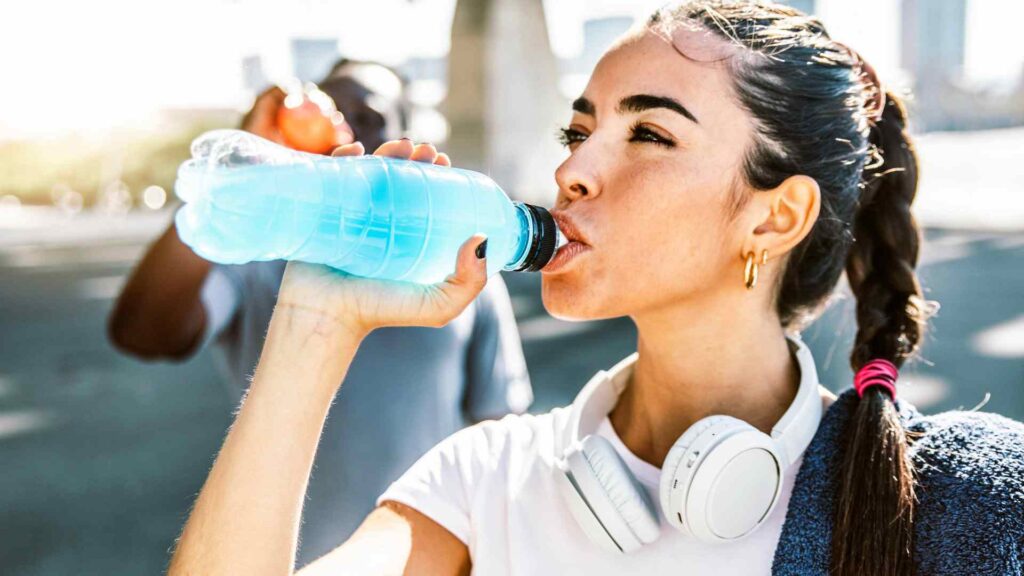
A sports drink is designed for people, not routine canine hydration
Traditional sports drinks combine water, carbohydrate, sodium, potassium, flavoring, acid, and color. Zero-sugar and specialized formulas can use different sweeteners, electrolyte levels, vitamins, or other ingredients.
The manufacturer product FAQ directs consumers to ingredient and nutrition information for each product and notes that most hydration products lack caffeine while specific energy products contain it. Current label reading is more reliable than remembering one familiar bottle.
Dogs regulate heat mainly through panting and have different exercise and electrolyte needs from sweating human athletes. A human sports formula is not automatically the right concentration for a dog.
Use fresh water for ordinary daily access unless a veterinarian gives a different plan. A healthy dog does not need colorful electrolyte drinks after a normal walk.
Sugar is a portion and medical-context issue
Ordinary Gatorade contains carbohydrate from sugar, and one lick does not cause instant diabetes. A large volume can add substantial sugar and calories, cause digestive upset, or disrupt a diabetic feeding plan.
Dogs with diabetes should not receive a sugary drink to manage routine hydration or appetite without clinician direction. Insulin timing, food intake, symptoms, and blood glucose management are individualized.
Vomiting, weakness, unusual sleepiness, tremors, collapse, or seizures in a diabetic dog needs prompt veterinary advice. Do not improvise with a sports drink unless the veterinarian handling the case specifically tells you to use it.
Repeated sweet-drink access can also contribute to excess calories and dental residue. It offers no advantage over an appropriate complete diet and plain water for a healthy pet.
Sodium and electrolytes are not automatically beneficial
Sodium and potassium help make a sports drink useful for its intended human setting, but more electrolyte is not always better for a dog. The correct fluid depends on what was lost, hydration status, organ function, and laboratory findings.
The Merck Veterinary Manual fluid-therapy review describes veterinary fluid selection around the patient’s deficits and clinical condition. A grocery beverage cannot provide that assessment.
Dogs with heart disease, kidney disease, high blood pressure, fluid-balance problems, or a prescribed sodium restriction may have little room for salty extras. Call the clinician managing the diet after more than a trivial exposure.
The Merck Veterinary Manual salt review explains that severe sodium imbalance requires controlled correction. Never use salt or concentrated electrolyte powder to induce vomiting.
Zero sugar means read the sweetener panel
Zero-sugar Gatorade products are not automatically xylitol products, and it would be inaccurate to label them all toxic. Formulas can change, however, and powders, tablets, supplements, and adjacent brands require a fresh label check.
Look for xylitol, birch sugar, wood sugar, and birch bark extract, especially in unusual electrolyte tablets, gels, supplements, or homemade mixes. Also record sucralose, acesulfame potassium, erythritol, stevia, or other sweeteners so the product is identified correctly.
The FDA xylitol warning advises immediate veterinary contact after xylitol exposure because dogs can develop dangerous low blood sugar and liver injury. Do not wait for weakness, staggering, tremors, collapse, or seizures.
Our stevia guide explains why steviol glycosides, erythritol, and xylitol must not be conflated. Photograph the label rather than shortening every sugar substitute to artificial sweetener.

Powder and concentrate change the dose
A powder stick, tub, electrolyte tablet, pod, or liquid concentrate is intended for dilution into a larger volume. Eating it dry can deliver the sodium, sweeteners, acids, flavors, and vitamins from several prepared servings at once.
Report whether the dog ate concentrate or drank a correctly mixed beverage, the packet size, number missing, and intended preparation volume. Do not compare a scoop of powder with a sip of finished drink.
Powder clouds can irritate eyes and airways. Move the dog to clean air and call for persistent coughing, wheezing, breathing effort, squinting, or eye pain.
Do not force water to dilute concentrate inside the dog. A veterinarian should decide how quickly fluids can be given after evaluating symptoms and electrolyte risk.
Opened drinks and mixed powder need clean storage
Once a dog drinks from a bottle or bowl, saliva and food debris enter the liquid. Do not return that serving to the original container or leave it available for repeated unsupervised drinking.
Follow the current product label for refrigeration and use after opening or mixing, and discard liquid that smells odd, is visibly contaminated, or sat in heat. A best-before date does not correct poor handling after opening.
Wash reusable bottles, shaker cups, scoops, and bowls thoroughly before the next use. Residue in a gym bag or car cup holder can invite another raid and may support microbial growth.
Caffeine belongs to adjacent energy products
Most classic Gatorade hydration products are marketed without caffeine, but the brand also sells energy-oriented products and formulas change. The product name and ingredient list determine whether caffeine is present.
Caffeine can cause restlessness, vomiting, rapid heart rate, abnormal rhythm, tremors, overheating, or seizures. Call promptly for a caffeinated product and report caffeine milligrams per serving, servings missing, dog weight, and time.
Our coffee guide covers caffeine triage and why a do-it-yourself safe-dose table is unreliable. Energy label, guarana, coffee extract, and caffeine anhydrous all deserve attention.
Gatorade is not heatstroke treatment
Heatstroke is an emergency involving dangerous body temperature and possible injury to the brain, kidneys, gastrointestinal tract, muscles, and clotting system. A sports drink cannot assess or reverse that damage.
The Merck Veterinary Manual emergency guide lists hot skin, vomiting, drooling, rapid panting, distress, abnormal coordination, collapse, or unconsciousness as heatstroke signs. Move the dog out of heat, begin recommended cooling, and seek emergency veterinary care.
Do not force Gatorade or water into a panting, vomiting, weak, confused, or collapsed dog because aspiration is possible. Call the clinic while cooling and follow transport instructions.
Our beer guide explains another drink exposure that can impair coordination and temperature control. Never assume abnormal behavior after a party or hot outing is simple dehydration.
Vomiting and diarrhea need a diagnosis
Sports drink should not be used as routine home treatment for vomiting, diarrhea, refusal to eat, kidney disease, or surgical recovery. Fluid type, volume, rate, and electrolyte content depend on the cause and severity.
Repeated vomiting, blood, a painful or swollen abdomen, weakness, dehydration, fever, or inability to keep water down needs veterinary advice. Puppies, seniors, and dogs with chronic disease can deteriorate faster.
If a veterinarian recommends a specific oral electrolyte product, ask for the exact product, dilution, amount, frequency, duration, and stop signs. That does not create blanket approval for any sports drink.
Colors and acids can complicate what you see
Bright dye can stain fur, carpet, vomit, or stool and make color harder to interpret. Save a photo of the original liquid and tell the clinic which flavor was involved.
Citric acid and flavor acids can contribute to stomach irritation or mouth discomfort after a concentrated exposure. They do not turn one lick into a corrosive emergency, but concentrate and symptoms matter.
Do not use bleach, solvent, or concentrated cleaner on stained fur. Prevent licking and use a pet-safe cleanup method.

Bottles, caps, and coolers can be the bigger hazard
Plastic caps, tamper rings, foil seals, packet film, scoops, desiccants, straws, and bottle pieces can choke or obstruct. A chewed hard bottle edge can cut the mouth.
Food or drink bags can seal around the muzzle and cause suffocation. Store multipacks and powder pouches behind a closed door and cut disposal loops where practical.
Repeated vomiting, gagging, drooling, abdominal pain, refusal to eat, or inability to keep water down after missing packaging needs prompt evaluation. Do not induce vomiting around sharp or bulky plastic without veterinary direction.
What to do after a spill or raid
Remove access, separate pets, save the label, estimate minimum and maximum amount, and account for powder, tablets, caffeine, sweeteners, caps, packets, and other products in the cooler or gym bag.
A comfortable healthy dog after one lick of ordinary ready-to-drink product can usually be monitored while normal water remains available. Call for larger amounts, concentrate, xylitol, caffeine, medical vulnerability, significant symptoms, or missing objects.
Bottom line
One lick of ordinary Gatorade is usually low risk, but the drink is unnecessary for routine canine hydration. Sugar, sodium, patient health, zero-sugar labels, caffeine products, powders, heat illness, symptoms, bottles, and caps determine when professional advice is needed.