Can Dogs Eat Hazelnuts? Kernels, Shells, Spreads, and Risks
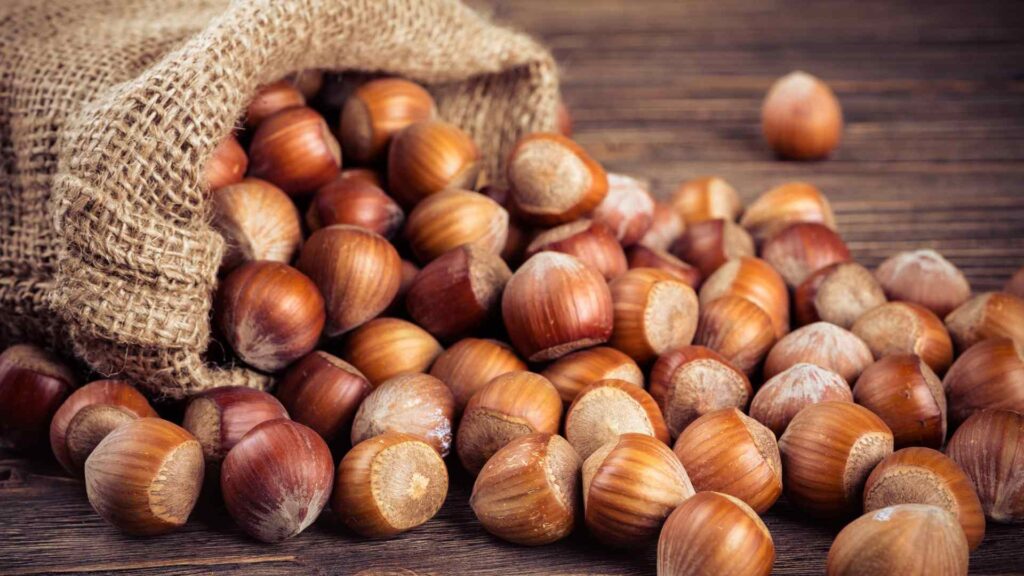
A plain, fresh, shelled hazelnut is not known to cause the dog-specific toxicosis linked to macadamia nuts, and one stolen kernel is usually a minor event for a healthy dog. Whole kernels, hard shells, choking, obstruction, fat, salt, mold, chocolate spreads, mixed nuts, seasoning, packaging, and medical restrictions still make hazelnuts a poor planned treat.
The practical verdict
A healthy medium or large dog that steals one plain, shelled hazelnut and acts normal usually needs calm observation, not a declaration of poisoning. A small dog, a gulper, multiple whole hazelnuts, shells, symptoms, or a mixed snack deserves a quicker veterinary call.
There is no meaningful health reason to teach a dog to eat hazelnuts. Softer dog treats are easier to portion and less likely to ricochet across the floor, disappear whole, or arrive coated in something unsafe.
For a wider snack-bowl check, start with our guide to nuts for dogs. The species, shell, seasoning, quantity, freshness, and added ingredients all matter.
Hazelnut spread is usually a dessert product
Nutella and similar chocolate-hazelnut spreads should be assessed by their current label, amount, and container. Cocoa or chocolate, fat, sugar, milk ingredients, hazelnut, and portion all matter, while xylitol should be reported only if it actually appears on the product label.
Do not claim every hazelnut spread contains xylitol, and do not assume every sugar-free spread is xylitol-free. The FDA xylitol warning explains why a confirmed xylitol exposure in a dog requires immediate veterinary or poison-control contact.
Chocolate cakes, pralines, truffles, cookies, candy, and pastries can add cocoa, coffee, raisins, alcohol, macadamias, raw dough, wrappers, foil, or skewers. Inventory the whole dessert instead of calculating hazelnuts alone.
Hazelnut shells are not chew toys
A shell is hard, splinter-prone, and poorly digestible. Shell fragments can cut the mouth, lodge in the throat, or contribute to an intestinal foreign body, especially when a dog raids a bowl of in-shell nuts.
Do not give bread, oil, pumpkin, or another bulky food to push a shell through. Repeated retching, vomiting, abdominal pain, appetite loss, lethargy, or inability to keep water down needs veterinary assessment.
Plain, roasted, salted, and flavored are separate products
Dry roasting does not remove the kernel’s fat or change its compact shape, and oil-roasting adds more fat. Salt, barbecue powder, garlic, onion, chile, smoke flavor, candy coatings, and glazes require a label check.
A rinse cannot prove that fine seasoning or oil has been removed. Dogs with pancreatitis history, hyperlipidemia, obesity, heart or kidney disease, or prescription diets should not receive nut snacks casually.
What hazelnuts cannot do
Hazelnuts should not be sold as heart, skin, coat, brain, inflammation, vitamin E, or healthy-fat therapy for dogs. A treat-sized fragment cannot correct a deficiency, and a larger amount only increases fat, calories, and physical risk.
Hazelnuts and macadamias are not interchangeable
The Merck Veterinary Manual macadamia review describes a syndrome in dogs that can include vomiting, weakness, incoordination, tremors, depression, and increased body temperature. Ordinary culinary hazelnuts are not listed as the cause of that syndrome.
That distinction prevents unnecessary panic after one plain hazelnut, but it does not make hazelnuts ideal. A mixed container may contain macadamias, chocolate, raisins, xylitol-sweetened pieces, garlic seasoning, or shells, so identify every ingredient before choosing a response.
Our pistachio guide and cashew guide cover two other nuts with different shapes, shells, and product risks. Never apply one nut’s advice to the entire mix.
Why a whole hazelnut is an awkward dog treat
A hazelnut is firm, oval, and easy to swallow with little chewing. It can lodge in the airway or esophagus, while several kernels can become a gastrointestinal foreign-body concern in a small dog.
The FDA dangerous-items guide explains that food objects and nonfood objects can obstruct a pet’s esophagus, stomach, or intestines. The bag, clip, scoop, and desiccant packet may matter as much as the nuts after a pantry raid.
Signs that should not wait
- Active choking, trouble breathing, blue or pale gums, collapse, or severe distress.
- Repeated retching, excessive drooling, pawing at the mouth, or inability to swallow.
- Repeated vomiting, inability to keep water down, painful abdomen, or marked lethargy.
- Refusal of food, reduced stool, straining, or worsening discomfort after multiple hazelnuts or shells.
- Tremors, weakness, wobbliness, or fever after a mixed-nut exposure that may include macadamias.
Do not push a hazelnut farther down the throat or sweep blindly with your fingers. If an object is clearly visible and easy to remove without forcing it, act carefully, but breathing distress requires emergency veterinary help.
Fat and calories are the everyday limitation
Hazelnuts pack considerable fat and calories into a bite that looks tiny. A few kernels can use a meaningful share of a toy dog’s treat allowance, especially when training rewards and chews are already part of the day.
Too many hazelnuts can cause vomiting, diarrhea, gas, abdominal discomfort, and poor appetite. A rich intake can also be particularly unsuitable for dogs with current or previous pancreatitis, hyperlipidemia, obesity, or a prescribed low-fat diet.
One hazelnut does not guarantee pancreatitis, and repeating that claim would be alarmist. Persistent vomiting, a painful or tense belly, a hunched posture, profound lethargy, or food refusal should prompt veterinary assessment.
The UC Davis veterinary treat guideline recommends keeping treats and extras below 10 percent of a dog’s daily calories. The remaining calories should come from a complete and balanced food or a diet formulated specifically for that dog.
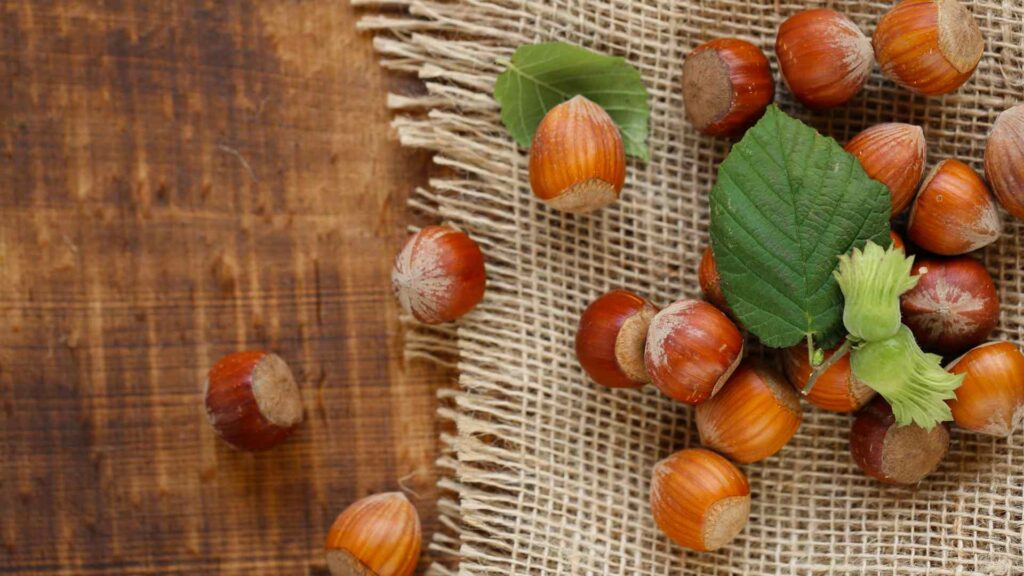
Salted, smoked, spiced, and coated hazelnuts
One lightly salted kernel is unlikely to cause salt poisoning in a healthy dog with water available, but a large raid can deliver much more sodium. Dogs with heart, kidney, blood-pressure, or sodium-restricted dietary concerns should not receive salted snacks casually.
Smoke flavor, chili, ranch powder, garlic, onion, barbecue seasoning, and spice blends can irritate the digestive tract or add toxic ingredients. A quick rinse cannot prove that fine powder or oil has been removed.
Chocolate-coated hazelnuts create a chocolate calculation involving the chocolate type, cocoa concentration, total amount, dog’s weight, and time. Yogurt-style coatings may be sugar-heavy and are not necessarily yogurt or dog-safe.
Wasabi, hot pepper, and heavily spiced nuts can cause painful oral and gastrointestinal irritation. There is no benefit to testing whether a dog tolerates them.
Hazelnut butter is a separate label-reading job
A tiny lick of plain, unsalted hazelnut butter made only from roasted hazelnuts may be easier to swallow than a whole kernel, but it is still concentrated in fat and calories. Sticky nut butter can also be difficult for some dogs with swallowing or breathing problems.
Check the ingredient panel every time because the FDA warns that some nut butters contain xylitol. Xylitol can trigger a dangerous insulin release and low blood sugar in dogs, so suspected exposure calls for immediate veterinary or poison-control advice.
Do not rely only on a sugar-free claim because xylitol may appear under names such as birch sugar or wood sugar. Save the jar, note the amount missing, and call before symptoms begin.
Our peanut guide shows how kernel, butter, coating, mold, and mixed-snack questions can differ. Hazelnut butter and spread still need their own current labels.
Shells, orchard nuts, and unfamiliar kernels
Commercial snack hazelnuts are normally sold without the hard outer hull and shell, but pantry or orchard exposures can look different. Shell fragments are hard, indigestible, and capable of injuring the mouth or contributing to choking and obstruction.
Do not let a dog forage unidentified nuts or kernels from a garden, trail, orchard, or mixed shell bowl. Plant identity matters because a hazelnut-shaped object may be a different nut, a fruit stone, an acorn, or nonfood debris.
Photograph the plant, package, and kernels if the source is unfamiliar. A poison expert can work with evidence, while a guess based on shape may miss a different nut or fruit stone entirely.
Mold and rancidity require a measured response
The FDA overview of mycotoxins explains that certain molds can produce toxins and that tree nuts are among susceptible foods. FDA monitoring and modern processing reduce risk in the commercial food supply, so a sealed bag of normal hazelnuts should not be treated as contaminated by default.
Discard nuts that are visibly moldy, damp, insect-damaged, discolored, or sharply rancid-smelling, and do not let a dog clean them up. If a dog eats suspicious nuts, retain the package and lot code and call about the amount, source, and any symptoms.
Neurologic signs such as tremors, wobbliness, unusual agitation, seizures, or collapse are emergencies regardless of the suspected mold type. Repeated vomiting, poor appetite, jaundice, bruising, or profound lethargy also needs veterinary care.
A proportionate plan after a hazelnut raid
- Secure the food and inspect for missing packaging, shells, clips, desiccant packets, and utensils.
- Identify plain hazelnuts versus a mix, flavored product, candy, baked food, or nut butter.
- Estimate the amount, dog’s weight, time, symptoms, and whether kernels were swallowed whole.
- Check for macadamias, chocolate, raisins, xylitol, onion, garlic, alcohol, and unfamiliar kernels.
- Call promptly for a large or uncertain amount, small dog, shells, mixed ingredients, symptoms, or relevant medical history.
A healthy adult dog that ate one plain shelled hazelnut and remains comfortable can often be monitored after veterinary guidance. Keep water available, skip additional rich food, and do not attempt home-induced vomiting without explicit instructions.
A handful is not just many copies of one hazelnut because the chance of swallowing kernels whole and the total fat load both rise. Call rather than trying to invent a universal kernel-per-pound rule.
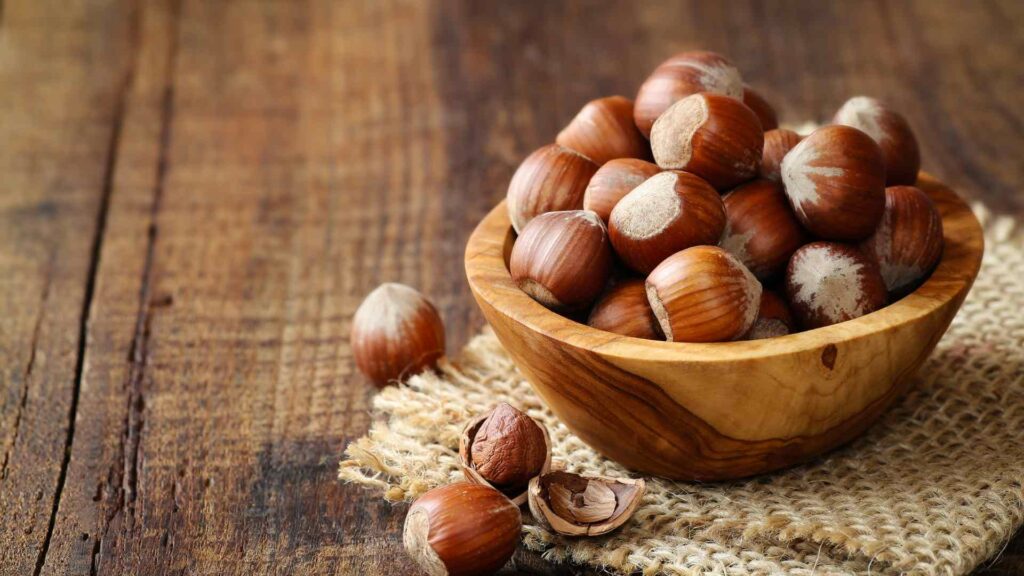
If you deliberately offer any hazelnut
There is little reason to do so, but the lower-risk form is a tiny fragment of a fresh, plain, shelled, unsalted hazelnut for a healthy adult dog that chews reliably. A smear of verified xylitol-free plain hazelnut butter may avoid the hard-kernel issue but does not avoid calories or fat.
Start with less than you think and stop after that taste. Hazelnuts should not replace a meal, balance a homemade diet, deliver vitamin E therapy, improve a coat, or treat inflammation.
Frequently asked questions
Are hazelnuts poisonous to dogs?
Ordinary culinary hazelnuts are not known for the specific canine toxin syndrome caused by macadamias. Their practical risks are choking, obstruction, digestive upset, fat, calories, salt, coatings, mold, and mixed ingredients.
What if my dog ate one hazelnut?
Identify whether it was plain, shelled, and separate from unsafe ingredients, then watch for choking or gastrointestinal signs. Small dogs, gulpers, symptomatic dogs, and uncertain products justify a veterinary call.
Can dogs drink hazelnut milk?
Hazelnut milk is unnecessary and may contain sugar, flavorings, gums, cocoa, or sweeteners. Water is the correct routine drink, and every packaged milk needs an ingredient check.
Can dogs eat hazelnut flour?
Hazelnut flour is less likely to act as a whole-kernel foreign body, but it remains fatty and calorie-dense. Baked goods add separate ingredients such as chocolate, raisins, xylitol, butter, or raw dough.
Are roasted hazelnuts safer than raw hazelnuts?
Roasting does not remove the hard shape, fat, calories, or mixed-product risks. Plain commercial hazelnuts of either type should be fresh, shelled, unsalted, and given only as a tiny optional taste.
The bottom line
Hazelnuts are not macadamias, but that narrow reassurance is not a recommendation. Whole kernels, shells, high fat, sodium, flavorings, mold, and surprise ingredients make purpose-made dog treats the simpler choice.
After an accident, identify the exact product and amount before deciding how worried to be. Breathing trouble, repeated vomiting, abdominal pain, weakness, tremors, collapse, or swallowed packaging needs prompt professional care.