Can Dogs Eat Cantaloupe? Safe Pieces, Rind Risks, and Storage
Yes, most dogs can eat a small amount of plain cantaloupe flesh after the melon is washed, the rind and seeds are removed, and the soft flesh is diced for the dog’s size and eating style. Cantaloupe is an optional treat, not a hydration plan or vitamin prescription.
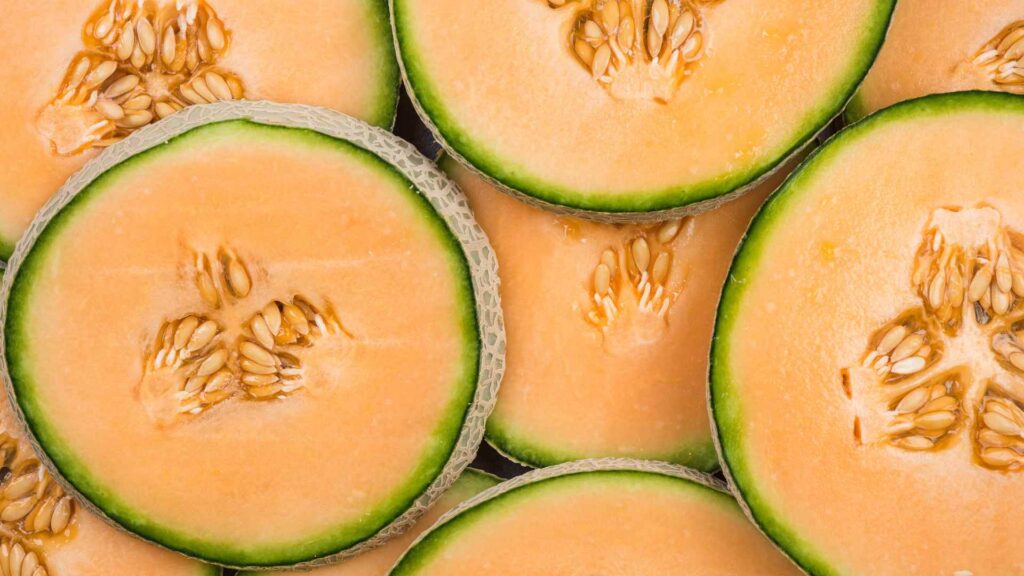
The short version
- Share only fresh, plain orange flesh.
- Wash the whole melon before the knife goes through its rind.
- Remove the rind and scoop out the seeds.
- Cut small, soft pieces and supervise eating.
- Offer a tiny first taste and stop if it causes digestive upset.
The flesh is not considered toxic to dogs, but the rind is difficult to chew and digest. Seeds are not known to be poisonous, yet removing them reduces choking and mess without costing the dog anything important.
What makes cantaloupe dog-safe?
A safe piece is soft enough to chew, small enough not to plug the throat, and stripped of the tough outer rind. It should contain no syrup, sweetener, cream, salt, spice, or ingredients borrowed from a fruit salad.
A veterinarian-reviewed PetMD cantaloupe guide classifies the flesh as safe in moderation and identifies the rind as a potential choking and intestinal-obstruction hazard. It also advises removing the seeds before serving.
The American Kennel Club’s cantaloupe guidance likewise separates edible flesh from problematic rind. That agreement is more useful than a long list of nutrients, because preparation is what decides whether this snack is sensible.
Rind is the part to take seriously
Cantaloupe rind is thick, fibrous, and awkward to break down. A strip can lodge in the throat, and a swallowed chunk may become stuck farther along the gastrointestinal tract.
Do not hand the dog a melon wedge and expect careful excavation. Cut the flesh away in the kitchen, trim off any green edge, and put the rind directly into a dog-proof trash or compost container.
If your dog swallowed rind, call your veterinarian and describe the dog’s weight, the amount and shape of rind, when it happened, and any symptoms. A thumbnail-size nibble and an entire half-melon shell do not call for identical decisions.
Repeated vomiting, unsuccessful retching, drooling, belly pain, swelling, loss of appetite, lethargy, straining, or inability to keep water down can signal obstruction. Choking, blue or pale gums, collapse, or breathing difficulty require emergency care now.
What about cantaloupe seeds?
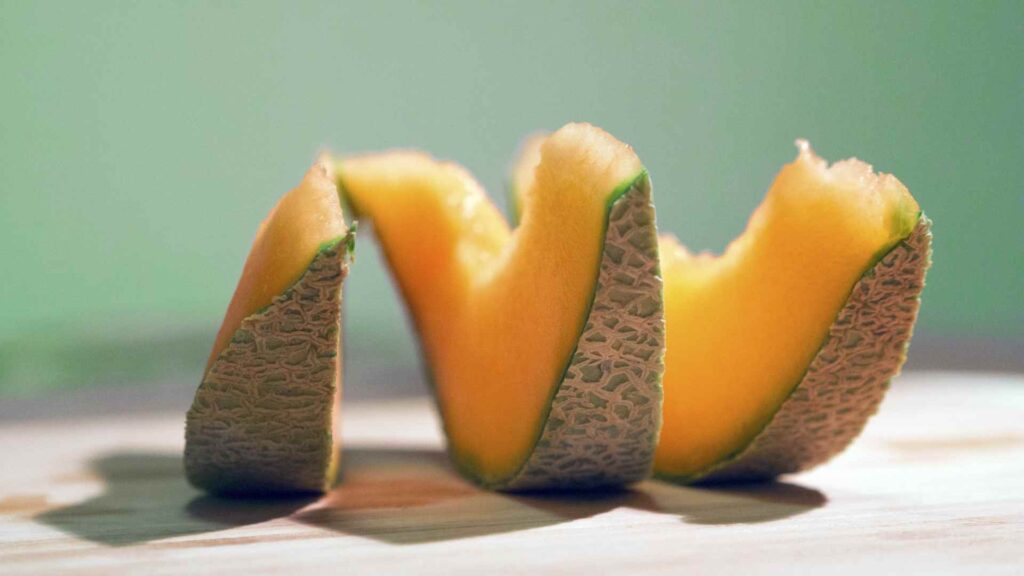
Cantaloupe seeds are not comparable to peach pits and are not considered toxic. Still, their slippery shape can be a nuisance for a tiny dog or an animal that inhales food, so scoop them and the stringy center out before portioning.
A couple of stray seeds stuck to otherwise prepared flesh are not usually a poisoning concern. Watch the dog normally, and call the veterinarian if choking, repeated vomiting, or another significant symptom develops.
Wash the melon before you slice it
Cantaloupe’s netted rind can hold dirt and microorganisms, and a knife can carry surface contamination into the flesh. Wash your hands, rinse the whole melon under running water, and scrub the rind with a clean produce brush before cutting.
The FDA’s produce-cleaning tips recommend running water rather than soap, detergent, bleach, or commercial produce wash. Clean the knife, cutting board, counter, and bowl as well.
Choose a melon without cracks, bruised wet areas, visible mold, or an unpleasant fermented odor. If cut flesh becomes slimy, moldy, or suspicious, discard it rather than trimming a dog-size portion from the better-looking corner.
Refrigerate cut cantaloupe promptly in a clean covered container. A dog should not become the cleanup plan for fruit that sat warm through a picnic or overnight on the counter.
Cut pieces for the actual dog
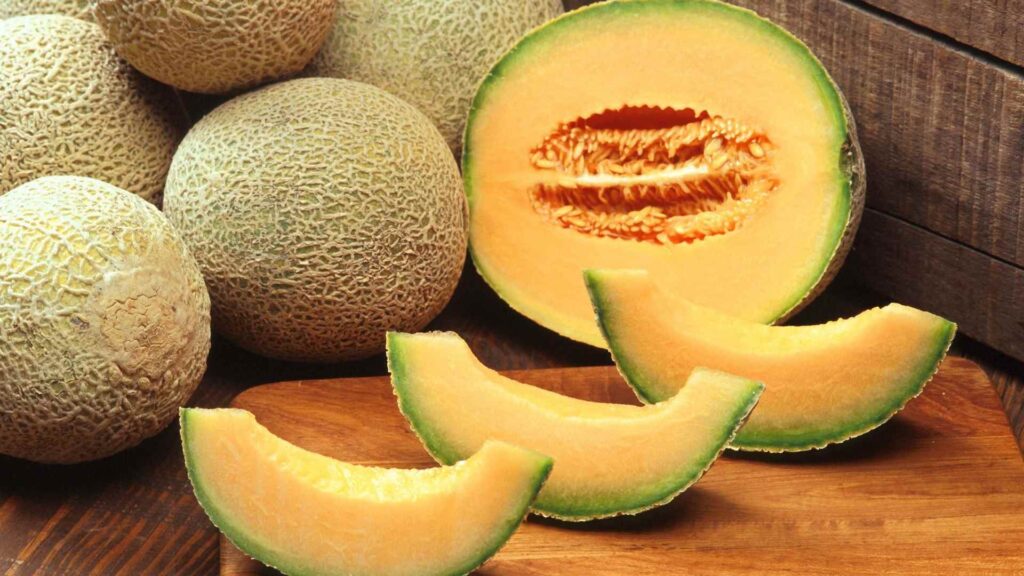
“Bite-size” means something different for a Yorkshire Terrier and a Great Dane. Cut a piece small enough to chew comfortably, then make it even smaller or mash it for puppies, toy breeds, seniors with poor teeth, and dogs known to gulp.
Soft flesh is safer than a large slippery melon ball, which can roll straight toward the throat. Supervise the snack and do not toss whole chunks for the dog to catch in midair.
Frozen cantaloupe looks playful online but becomes hard enough to challenge teeth and swallowing. Thaw it until soft, or freeze a thin smear inside an appropriate food toy if your veterinarian approves that style of enrichment.
How much cantaloupe can a dog eat?
Start with one tiny piece, especially if this is your dog’s first melon encounter. A few properly sized cubes may fit a healthy larger dog’s day, while one small cube can be plenty for a toy dog.
A rigid serving table would ignore the calories already coming from meals, training treats, chews, and scavenged crumbs. The WSAVA treat guide recommends keeping all treats under 10 percent of daily calories, with the rest supplied by a complete diet.
Cantaloupe contains natural sugar, so dogs with diabetes, obesity, or another condition affected by diet need individualized veterinary guidance. Dogs with pancreatitis, chronic bowel trouble, food reactions, or a prescription diet also deserve a check before a new snack becomes routine.
More melon is not more wellness. Large portions can add calories and provoke gas, loose stool, vomiting, or abdominal discomfort even when every seed and scrap of rind is gone.
Cantaloupe is not hydration therapy
Melon contains plenty of water, but a few cubes cannot correct dehydration or treat heatstroke. Keep clean drinking water available, and seek urgent veterinary care for collapse, confusion, severe weakness, breathing distress, repeated vomiting, or suspected overheating.
A dog refusing water or unable to keep it down needs medical advice, not sweeter fruit. The same principle applies to vitamins and fiber: cantaloupe is food, not a dose-controlled treatment for deficiency or constipation.
The FDA explains what “complete and balanced” pet food means. A well-chosen main diet should supply required nutrients in the right proportions, while cantaloupe remains optional.

Fruit cups, dried melon, smoothies, and salads
Fresh plain flesh is easier to control than cantaloupe packed in syrup or sweetened juice. One stolen syrupy cube is more likely to cause stomach upset than poisoning, but sugary fruit cups offer no advantage over fresh fruit.
Dried cantaloupe concentrates sugar and calories, and sticky pieces may be awkward to chew. Check ingredient labels for added sweeteners and mixed fruits before considering even a sliver.
Smoothies can contain grapes, xylitol, chocolate, caffeine, supplements, or dairy that a dog does not tolerate. Our guides to grapes and milk explain why a blender can combine several separate safety questions.
Fruit salad may include grapes or raisins, which require prompt veterinary attention, plus sweetener or alcohol in the dressing. Pick a fresh piece from an untouched melon instead of fishing cantaloupe out of a mixed bowl after ingredients have mingled.
Melon wrapped in prosciutto or served with salty cheese is also not plain cantaloupe. The dog gets the safest deal when the presentation is boring enough to fit in one ingredient.
What to do after an accidental melon raid
Secure the remaining food and work out whether the dog ate flesh, seeds, rind, packaging, or another ingredient. Save labels, estimate the amount, note the time, and record your dog’s weight and current behavior.
Call the veterinarian promptly if rind or packaging was swallowed, the amount was large, or the dog has a health condition that changes the risk. The clinic may recommend examination, monitoring, or other steps based on details an online article cannot see.
Do not induce vomiting or give bread, oil, salt, hydrogen peroxide, laxatives, or human medicine unless a veterinary professional directs it. A bulky or sharp object can cause harm on the way back up, and home remedies may delay useful care.
Emergency signs include choking, breathing difficulty, repeated unproductive retching, collapse, a painful or swollen abdomen, repeated vomiting, or inability to keep water down. Obstruction signs may be delayed, so follow the veterinarian’s monitoring instructions even if the first hour looks uneventful.

Cantaloupe questions people actually ask
Can puppies eat cantaloupe?
A weaned puppy may taste one tiny, mashed piece of plain flesh if the veterinarian has no concerns. Puppy food must carry the nutrition for growth, so melon should never displace a meaningful amount of the balanced meal.
Can a dog eat cantaloupe every day?
There is rarely a reason to make it daily, and repetition can quietly inflate calories. Rotate appropriate rewards or use pieces of the dog’s measured daily food for training.
Is cantaloupe better than peaches or blackberries?
Each has a different preparation hazard, and none is essential. Read our guides to peaches and blackberries before choosing, then use whichever plain fruit your veterinarian and dog both tolerate.
Is a small piece of rind always an emergency?
Not every tiny nibble causes an obstruction, but rind is not safe to feed and the consequences depend on size, shape, amount, and dog. Call the veterinarian for case-specific advice instead of relying on a universal internet cutoff.
The bottom line
Plain cantaloupe flesh can be an enjoyable occasional bite after the melon is washed, peeled, seeded, and cut small. Keep rind away from dogs, refrigerate cut fruit, and treat the snack as a bonus rather than medicine, hydration, or a nutritional necessity.