Can Dogs Eat Figs? Fresh Fruit, Dried Figs, and Plant Sap
Many healthy adult dogs can tolerate a small piece of ripe fresh fig flesh, but the stem, leaves, branches, and milky sap should stay off the menu and skin. Dried figs are concentrated in sugar and chewiness, while jam, bars, cakes, and preserves add ingredients that require their own review.
Fruit bowl or fig tree? Start there
- Ripe fresh edible fig flesh: a small cut piece may suit many healthy adult dogs.
- Stem, leaf, twig, bark, root, or white milky sap: prevent contact and call after meaningful exposure.
- Dried fig: optional, sticky, sugary, and easier to overfeed or gulp.
- Jam, preserves, bars, cookies, cake, or filled pastries: check every ingredient and the amount.
- Unknown Ficus houseplant fruit or leaf: do not assume it is the edible grocery species.
The word fig covers the edible common fig and hundreds of ornamental Ficus relatives. A ripe grocery fig is not the same object as a dog chewing a weeping fig houseplant or snapping a sap-filled branch.
Common edible fig is Ficus carica
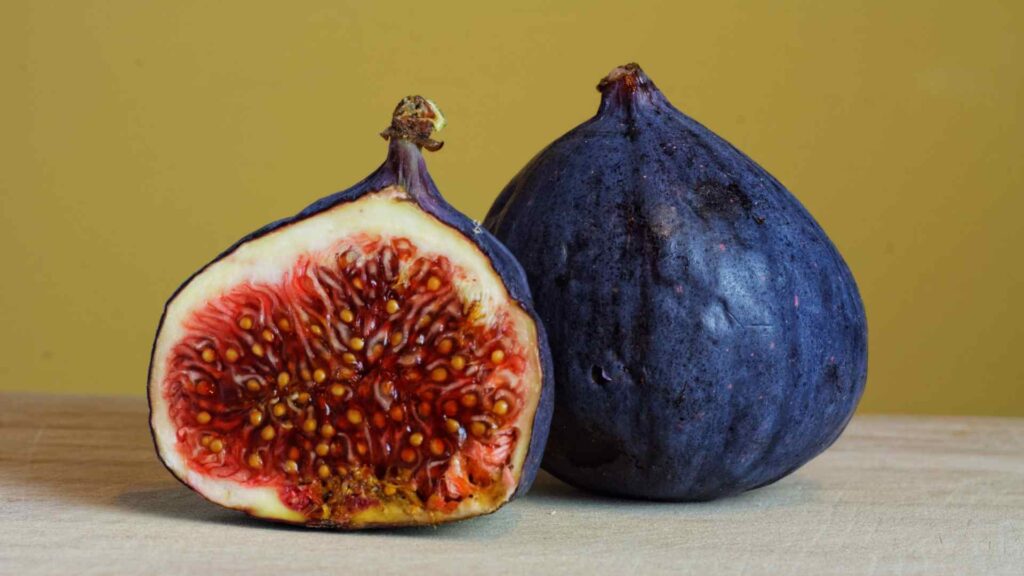
The North Carolina Extension common-fig profile identifies Ficus carica as the common edible fig and describes its fruit as edible. The same profile flags the white milky sap for furanocoumarins and contact dermatitis.
That split is the backbone of a useful dog answer: ripe inner fruit is a food, while sap-bearing plant parts are irritants. Remove the stem and avoid using leaves as a plate, wrap, supplement, or tea.
Sap contains irritant plant chemistry
The MSD Veterinary Manual review of toxic ornamentals states that Ficus sap contains furocoumarins, psoralens, ficin, and related compounds implicated in contact dermatitis in pets and people. It recommends symptomatic supportive care as needed.
Ficin is a protein-degrading enzyme, while furocoumarins and psoralens can participate in light-related skin injury. Risk varies with plant species, amount of sap, contact area, licking, coat coverage, skin condition, and sun exposure.
Do not assume that peeling a stem or leaf makes it edible. Breaking plant tissue can release more sap onto the mouth, nose, paws, coat, and human hands.
What sap exposure can look like
Drooling, lip smacking, pawing at the mouth, vomiting, diarrhea, red skin, swelling, rubbing, pain, or blistering deserves a call after fig-plant contact. Eyes exposed to sap need prompt veterinary guidance and gentle flushing only as directed.
Move a dog with sap on the skin out of direct sunlight while calling, prevent licking, and use gloves to avoid spreading the material. Do not apply citrus, essential oil, vinegar, alcohol, bleach, or a human burn cream.
ASPCA’s fig listing is about an ornamental species
The ASPCA fig entry names Ficus benjamina, also called weeping fig or Indian rubber plant, and lists ficin and psoralen with gastrointestinal and skin irritation. It should not be quoted as proof that every ripe Ficus carica fruit is toxic.
It does, however, reinforce why common names and plant parts matter. Photograph the whole plant, label, leaves, stem, sap, and any fruit if a dog chews an ornamental fig.

How to offer a ripe fresh fig
- Choose a ripe grocery fig intended for people, without mold, fermentation, split spoilage, or attached leaves.
- Wash the outside under running water and dry it with a clean towel.
- Remove the stem and any sap-bearing damaged area without letting the dog lick your hands or knife.
- Cut a tiny piece of soft flesh and skin small enough for the dog to chew safely.
- Offer one piece, then stop if vomiting, diarrhea, itching, swelling, or mouth irritation appears.
The soft edible skin of a clean ripe fig does not need special removal for most dogs, but peeling may help separate flesh from a damaged or sappy stem end. Do not rescue spoiled fruit by cutting away one visibly bad patch for the dog.
Sugar and fiber make portions self-limiting
Fresh figs contain natural sugar and fiber, so too much can cause gas, bloating, loose stool, diarrhea, or vomiting. A dog with diabetes, obesity, gastrointestinal disease, or a prescription diet needs an individual decision.
A small piece is enough to learn whether the dog likes the flavor. There is no useful size chart that ignores the fig’s size, ripeness, the dog’s calories, and the rest of the day’s treats.
The UC Davis veterinary treat guideline recommends that all treats and extras stay below 10 percent of daily calories, with at least 90 percent from a complete and balanced diet. Figs share that allowance with every training treat and table scrap.
Dried figs are a concentrated, sticky version
Removing water concentrates sugar and calories into a smaller package, making dried figs easy to overfeed. Their dense chewiness can lodge in the throat, cling to teeth, or be swallowed in a sticky lump.
Cutting a dried fig reduces choking risk but does not lower its sugar or make it constipation treatment. Dogs with diabetes, calorie restriction, dental disease, or swallowing problems should generally skip it unless the veterinarian says otherwise.
Check packages for sulfites, added sugar, coatings, spices, and mixed dried fruits. A dried-fruit assortment may contain raisins or currants, which create a separate urgent toxicity concern.
Our grape and raisin guide explains why susceptibility varies and why a dog should not wait for symptoms after dried grape exposure. Keep the package so the fruit mixture can be identified.
Fig jam, preserves, paste, and syrup
Fig jam and preserves combine concentrated fruit with sugar and sometimes lemon, spices, alcohol, or sweeteners. A teaspoon of ordinary jam is unlikely to poison most healthy dogs, but it adds calories without a canine benefit.
Sugar-free fig spread requires a careful sweetener check because xylitol is dangerous to dogs, even though it is not expected in every product. The actual label matters more than guessing what a traditional recipe contains.
Fig syrup and fig concentrate are not digestive remedies. They can deliver sugar quickly, stick to the mouth, and complicate blood-glucose or calorie management.
Fig bars, cookies, cakes, and cheese boards
Packaged fig bars add flour, sugar, oil, salt, leavening, and preservatives, while bakery versions may add chocolate, raisins, nuts, alcohol, or sugar substitutes. Wrappers can be more obstructive than the filling.
Fig cake and pudding can include butter, cream, eggs, nutmeg, alcohol, chocolate, or dried grape fruit. Save the recipe and assess the entire dessert instead of estimating the percentage that was fig.
Cheese boards pair figs with rich dairy, nuts, cured meat, grapes, and skewers; our cheese guide and almond guide cover two common companions. Toothpicks, plastic picks, and rind pieces need their own inventory.
Figs do not cure constipation
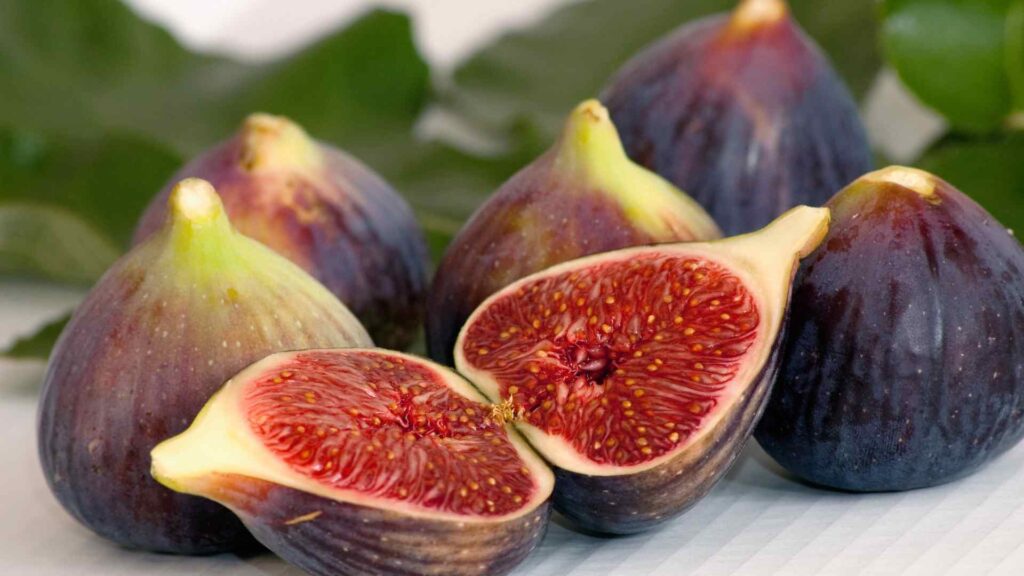
Fiber can change stool consistency, but adding figs does not diagnose why a dog is straining or passing little stool. Dehydration, pain, diet, medication, prostate disease, pelvic injury, neurologic problems, and obstruction can all matter.
Repeated unproductive straining, vomiting, abdominal pain, marked lethargy, blood, or inability to pass stool needs veterinary assessment. A sticky dried fruit can make an obstruction question more confusing, not less.
Do not repeatedly increase fig portions until diarrhea appears. A veterinarian can recommend water, dietary fiber, medication, imaging, or another plan based on the cause.
Figs are not digestion, enzyme, or prebiotic therapy
Ficin in plant sap is not a home digestive-enzyme supplement for dogs. The sap irritates tissue, commercial products vary, and swallowing more proteolytic material is not a safe way to improve digestion.
Claims about prebiotics or antioxidants do not establish that a bite of fig treats inflammatory bowel disease, immune dysfunction, cancer, or aging. Complete food and evidence-based veterinary care should do the heavy lifting.
Food allergy and latex-related concerns
Fresh fig can rarely trigger allergy in people, and dogs can develop adverse reactions to many foods, but canine fig allergy is not something to assume from one itch. Possible food-reaction signs overlap with environmental allergy, parasites, infection, and unrelated digestive disease.
Stop the new food and call for itching, hives, vomiting, diarrhea, or swelling. Facial swelling, breathing trouble, weakness, or collapse is an emergency.
A dog on a prescribed elimination diet should receive no fig unless the supervising veterinarian includes it. Even a tiny fruit treat can invalidate a strict diet trial.
Wild fruit, wasps, mold, and garden supplies
Fallen outdoor figs can ferment, mold, collect pesticide, attract insects, or mix with compost. Bee or wasp stings in the mouth can cause rapid swelling, and moldy material can cause serious neurologic illness.
Keep dogs away from fallen fruit, broken branches, pruning debris, fertilizer, plant ties, and tools. Tremors, seizures, severe agitation, collapse, or abnormal temperature after compost access needs emergency care.
What to do after a fig incident
- Identify ripe edible fruit, dried fruit, processed food, common-fig plant, or ornamental Ficus.
- Record the amount, time, dog’s weight, symptoms, health conditions, and sun exposure after sap contact.
- Save the plant label, food package, recipe, and photographs of the plant parts or product.
- Check for raisins, xylitol, chocolate, alcohol, macadamias, mold, pesticides, and missing wrappers or picks.
- Call for sap, leaves, stems, unknown plants, a large amount, unsafe co-ingredients, or significant symptoms.
A healthy adult dog that eats one small piece of ripe fresh fig flesh and remains comfortable can usually be monitored. Remove access and return to the normal diet.
Do not induce vomiting or apply home remedies to irritated skin unless a veterinary professional directs it. Plant sap, dried fruit, mixed recipes, and swallowed objects require different responses.
Frequently asked questions
Are fresh figs toxic to dogs?
A small piece of ripe edible common-fig flesh is not treated like toxic fig-plant material. Avoid the stem, leaves, branches, and milky sap and keep portions tiny.
Can dogs eat dried figs?
They are not an ideal treat because sugar and calories are concentrated and the texture can choke. Check mixed-fruit packages for raisins.
Can figs help a constipated dog?
Do not use them as treatment. Constipation has multiple causes, and straining with pain, vomiting, or lethargy needs assessment.
What if my dog touched fig sap?
Prevent licking, move the dog out of sunlight, and call for cleaning guidance. Mouth, eye, or widespread skin exposure deserves prompt attention.
The bottom line
A tiny piece of ripe fresh fig flesh can be an occasional treat for many healthy adult dogs. Plant parts and milky sap belong in a more cautious category.
Keep portions small, dried fruit rarer, and processed products label-led. If the dog raided the tree, houseplant, compost, mixed dried fruit, or wrapper pile, call with evidence rather than guessing.