Can Dogs Eat Caramel? Candy, Chocolate, Xylitol, and Wrappers
Plain caramel is not a canine poison, but it is not a sensible dog treat. A small lick usually causes no more than possible stomach upset, while sticky chews, hot caramel, chocolate-coated candy, sugar-free products, nuts, caffeine, and swallowed wrappers can turn the same flavor into a much more serious problem.
What “caramel” can mean
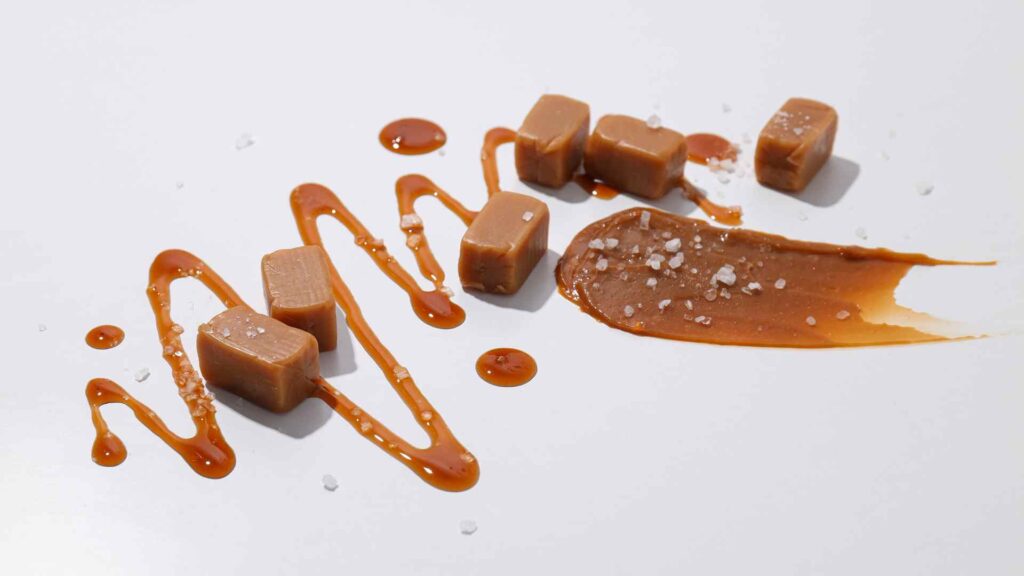
Caramel begins as heated sugar, but finished products may add butter, cream, salt, chocolate, coffee, nuts, flavorings, or sweeteners. The ingredient list and form matter more than the word printed on the front.
Caramel color is a food coloring used in drinks and sauces, not a lump of chewy candy. Caramel flavor can be natural or artificial and tells you little about sugar, xylitol, chocolate, caffeine, or alcohol.
A lick of ordinary caramel drizzle differs from swallowing several wrapped caramels. Good triage identifies the exact product, amount, dog weight, time, symptoms, and any missing packaging.
Plain caramel: sugar, fat, and digestive upset
Sugar is not acutely toxic to dogs, so one lick of plain caramel should not be described like poison. Large amounts can cause vomiting, diarrhea, gas, abdominal discomfort, and a sizable calorie load.
Soft caramel often contains butter or cream, adding fat and possible lactose-related digestive trouble. Rich food is especially inappropriate for dogs with pancreatitis, obesity, diabetes, or a prescribed low-fat diet.
Salted caramel adds sodium, but one salted lick is not automatically salt toxicosis. A tub, baking spill, or combined salty snack needs label-based advice, particularly for a small dog or sodium-restricted patient.
Repeated sugary treats can contribute to unwanted weight gain and poor dental health over time. Caramel does not supply useful canine nutrition that compensates for those costs.
Sticky candy can choke or lodge
Chewy caramels can stick to teeth, the roof of the mouth, or the throat, especially when swallowed whole. A large candy relative to the dog can also become a gastrointestinal foreign body.
Do not offer a caramel for the dog to chew and do not toss one into the air. Toy breeds, puppies, senior dogs, and enthusiastic gulpers have the least margin for a sticky mistake.
Gagging, repeated swallowing, pawing at the mouth, sudden drooling, regurgitation, or breathing trouble needs prompt attention. Do not sweep fingers blindly through the mouth because the candy can be pushed deeper or the frightened dog may bite.
The Merck Veterinary Manual lists drooling, gagging, difficulty swallowing, regurgitation, and repeated attempts to swallow among esophageal foreign-body signs.
Hot caramel can burn
Fresh caramelized sugar holds heat and clings to tissue, so a kitchen spill can burn the lips, tongue, mouth, or skin. Keep the dog out of the kitchen while candy, sauce, or spun sugar cools.
After a hot spill, prevent licking and gently cool exposed skin with cool running water rather than ice, butter, oil, or ointment. Mouth burns, blistering, severe pain, or a large skin area requires veterinary care.
Do not peel hardened caramel from damaged tissue. A clinician can assess the depth of a burn and provide pain control without causing additional injury.
Chocolate caramel needs a chocolate calculation
Chocolate-coated caramels, brownies, cookies, candy bars, hot cocoa, and desserts add theobromine and caffeine. Dark chocolate and cocoa powder generally carry more methylxanthines than milk or white chocolate.
The Merck Veterinary Manual chocolate review explains that product concentrations vary and signs can include vomiting, restlessness, rapid heart rate, tremors, and seizures. Save the wrapper and report chocolate type, cocoa percentage, amount, and dog weight.
Do not subtract the caramel weight and guess at chocolate grams from a photograph. A veterinarian or poison service can use the actual package and dog weight to estimate risk.
Review the site guide to chocolate for dogs when cocoa appears, because the caramel itself is no longer the main question.
Sugar-free caramel and xylitol
Sugar-free does not automatically mean xylitol, but it demands a full sweetener check. Look for xylitol, birch sugar, wood sugar, and birch bark extract on candy, sauce, pudding, ice cream, protein bars, and baked goods.
The FDA warns that xylitol can rapidly trigger profound low blood sugar in dogs and may also cause liver injury. Call immediately after a known or possible xylitol exposure instead of waiting for weakness or seizures.
Other sugar alcohols may cause gastrointestinal upset without sharing xylitol’s canine toxicity profile. That difference is another reason to read the exact ingredient rather than treating every “-itol” as identical.
Nuts, coffee, and fancy caramel products
Macadamia nuts can cause weakness, incoordination, vomiting, tremors, and increased temperature in dogs. Walnuts raise separate mold, fat, and shell concerns, covered in the walnut guide.
Caramel coffee, espresso candy, energy bars, and coffee ice cream can contain caffeine. Report the product, amount, and caffeine information rather than assuming caramel flavor dilutes the stimulant.
Caramel popcorn adds hard unpopped kernels, partially popped pieces, butter, salt, and bag hazards. The popcorn guide explains why the kernels and coatings need separate attention.
Caramel apples include a firm whole fruit, stick, seeds, core, nuts, chocolate, and sticky coating. A swallowed stick or large core can be more urgent than the sugar.
Wrappers and packaging deserve their own inventory
Dogs often swallow wax paper, plastic film, foil, sticks, lollipop handles, or an entire bag while pursuing candy. Packaging can obstruct or injure the digestive tract even when the food ingredients are low risk.
Count missing candies and wrappers separately, note wrapper dimensions, and keep an identical sample. Do not assume the wrapper will dissolve because it looks thin.
Repeated vomiting, appetite loss, abdominal pain, marked lethargy, a swollen belly, or inability to keep water down after packaging ingestion needs prompt care. Do not feed bread, pumpkin, oil, or more candy to push it through.
The FDA pet-hazard guide also warns that food bags can suffocate dogs that put their heads inside. Empty candy bags belong in a closed bin.
Portions and better rewards
There is no recommended caramel serving because dogs do not need it. The UC Davis veterinary nutrition service recommends that at least 90 percent of calories come from complete and balanced food.
A few pieces of regular kibble, a compatible commercial training treat, or a tiny approved food provides reward without sticky sugar. Dogs value attention and repetition more reliably than a dessert’s reputation.
Dental brushing with dog-safe toothpaste and professional dental care matter more than blaming one candy for every tooth problem. Still, routine sticky sugar gives oral bacteria extra substrate and is easy to avoid.
What to do after a caramel raid
After one lick of plain, cooled caramel, remove access, offer normal water, and monitor for digestive upset. Skip additional rich or sugary treats that day.
After several candies or dessert portions, save the recipe and package, then check chocolate, xylitol, caffeine, macadamia nuts, raisins, alcohol, sodium, and missing wrappers. Call with the dog’s weight, amount, time, and symptoms.
Seek emergency care for choking, breathing trouble, collapse, tremors, seizures, severe weakness, repeated vomiting, a painful swollen abdomen, or inability to stand. Known xylitol exposure deserves immediate help before symptoms.
Do not induce vomiting or give peroxide, salt, oil, milk, charcoal, or human medication unless a veterinary professional directs it for that exact exposure.
Caramel in baked goods, ice cream, and snack bars
Caramel brownies, cookies, pies, cheesecakes, and ice cream are mixed exposures, not simply another form of plain caramel. Check for chocolate, coffee, raisins, macadamia nuts, alcohol, xylitol, and rich dairy before deciding that sugar is the only issue.
Protein bars and meal-replacement snacks deserve especially careful label reading because a caramel flavor may sit beside concentrated sweeteners, chocolate, caffeine, or other active ingredients. Keep the full wrapper, including the nutrition panel and net weight, so a professional can calculate from facts instead of a product photo.
A dog that steals caramel ice cream may develop vomiting or diarrhea from the combination of fat, sugar, and dairy even when no classic toxin is present. Repeated vomiting, obvious abdominal pain, refusal of food, or unusual lethargy is a reason to call rather than repeatedly offering bland foods at home.
Homemade caramel deserves a written ingredient inventory too. Ask the baker about extracts, liqueurs, chocolate, nuts, sweeteners, and whether any toothpicks, skewers, silicone liners, or parchment disappeared with the dessert.
If caramel is stuck to the dog
For caramel on fur or paws, soften it with lukewarm water and a pet-safe shampoo, then rinse and dry the area. Avoid scissors close to skin, solvents, essential oils, very hot water, and forceful pulling that can tear hair or skin.
For caramel stuck around the teeth, do not pry with a knife or hard tool and do not force the jaw open. If the dog is breathing comfortably, a veterinarian can advise whether gentle rinsing is reasonable or an examination is needed.
A cracked tooth, bleeding mouth, persistent drooling, refusal to eat, or repeated pawing at the face deserves an oral examination. Hard caramel can damage teeth, while a sticky piece wedged behind a tooth can remain painful after the visible candy is gone.
Make the next raid less likely
Store candy, baking chips, sauces, and snack bars behind a closed door or in a latched cabinet instead of on a counter. Dogs can learn to open zipper bags, tip bins, and pull light packages from shelves.
During holidays, ask visitors to keep handbags and children’s treat buckets off the floor. A single household rule about closed containers is more reliable than trying to remember which caramel products contain the dangerous extras.
If a dog needs food for medication, ask the veterinary team for a compatible option that fits the dog’s diet and the drug instructions. A measured bite of approved food is easier to repeat safely than a sticky candy with changing ingredients.
The bottom line
Plain caramel is not a blanket toxin, and one lick is usually a monitoring event for a healthy dog. It remains sticky, sugary, calorie-dense, and sometimes fatty, so there is no reason to make it a treat.
Chocolate, xylitol, caffeine, macadamia nuts, hot sugar, sticks, wrappers, and large portions change the response. With caramel products, read past the flavor and solve the whole ingredient and packaging puzzle.