Can Dogs Have Maple Syrup? Pure, Pancake, and Sugar-Free Types
Pure maple syrup is not toxic to dogs, but it is concentrated sugar and should not be a routine treat. One lick usually causes no problem beyond possible stomach upset, while sugar-free syrup, pancake syrup, flavored products, alcohol infusions, sticky packaging, and a large portion need closer label-based attention.
Pure maple syrup versus pancake syrup
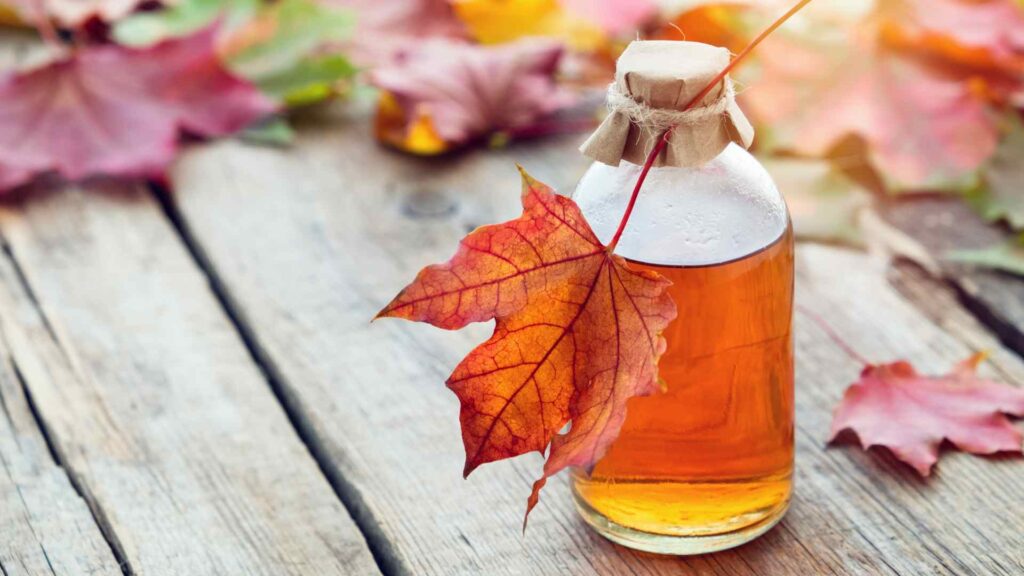
Pure maple syrup is concentrated tree sap, with sugar as its main nutritional feature. Pancake syrup may use corn syrup, cane sugar, water, flavoring, color, preservatives, gums, salt, and sweeteners.
Neither product supplies something a dog needs, but the distinction matters after a spill. “Maple flavored” is not proof that a product contains maple syrup, and “natural” is not a canine safety claim.
Read the ingredient list, Nutrition Facts panel, serving size, and calories rather than judging by bottle shape or color. Save the exact package after a meaningful exposure.
A lick is not a syrup-pitcher raid
One small lick of ordinary pure syrup is unlikely to poison a healthy dog. Several tablespoons, a tipped pitcher, or a small dog trapped with an open bottle can deliver a large sugar and calorie load.
Estimate how much is missing, including syrup soaked into pancakes, napkins, or carpet. Dog weight, diabetes, digestive history, and co-ingredients change the response.
Mild vomiting, diarrhea, gas, or restlessness may follow a sugary raid. Persistent vomiting, abdominal pain, profound lethargy, collapse, or inability to keep water down deserves veterinary care.
Sugar is not poison, but it is not health food
Ordinary sucrose in maple syrup is not acutely toxic to dogs, so a tiny lick should not be described like a toxin exposure. The useful concerns are calorie density, digestive upset, dental hygiene, and medical restrictions.
One syrup taste does not cause diabetes or obesity. Repeated additions can contribute to excess calories and undermine a measured feeding plan.
Dogs with diabetes should not receive syrup unless their veterinarian has given a specific emergency instruction for that individual. Do not use maple syrup to treat suspected low blood sugar based on internet advice.
Weakness, collapse, tremors, or seizures can have many causes and require urgent assessment. Giving sugar to a dog that cannot swallow safely can add aspiration risk.
Sugar-free syrup is the label emergency
Sugar-free and keto syrups may use various sweeteners, and not all contain xylitol. Check for xylitol, birch sugar, wood sugar, and birch bark extract every time.
The FDA warns that xylitol can rapidly cause profound low blood sugar in dogs and may also injure the liver. Call a veterinarian, emergency clinic, or animal poison service immediately after known or possible exposure.
Do not wait for vomiting, weakness, staggering, collapse, or seizures. Give professionals the dog weight, product, xylitol position on the label, amount missing, and time.
Other sugar alcohols commonly cause gastrointestinal upset but should not be assumed identical to xylitol. Exact ingredient names prevent both panic and dangerous delay.
Flavored and infused syrups
Bourbon maple syrup, rum syrup, cocktail syrup, and homemade infusions can contain alcohol. Alcohol is a separate hazard that can cause vomiting, incoordination, depression, breathing difficulty, tremors, coma, or worse.
Coffee-maple and energy products may add caffeine, while chocolate-maple sauces add theobromine and caffeine. Report cocoa type, coffee or caffeine content, amount, and dog weight.
Cinnamon, vanilla, pecan, walnut, and butter flavors vary widely. A flavor name does not prove the presence or absence of nuts, alcohol, essential oil, xylitol, or dairy.
Cannabis-infused syrup requires immediate veterinary advice and honest product details. Keep the package because cannabinoid concentration and other ingredients affect care.
Pancakes, waffles, and toppings complicate the plate
A plain cooked pancake bite may mainly add calories, but batter or toppings can contain xylitol, chocolate chips, raisins, macadamia nuts, nutmeg, coffee, or alcohol. Raw batter creates separate egg and flour food-safety concerns.
Butter, whipped cream, and ice cream add fat and possible lactose trouble. Richness is particularly unsuitable for dogs with pancreatitis or a prescribed low-fat diet.
Peanut butter needs repeated label checking for xylitol, as explained in the peanut butter guide. Bacon adds fat and sodium, covered in the bacon guide.
Breakfast oatmeal may already contain raisins, chocolate, sweetener, milk, or nuts before syrup arrives. The oats guide covers cooked, dry, granola, and baked forms.
Sticky syrup and the mouth
Syrup clings to fur, paws, teeth, and household surfaces. A small smear is not a choking emergency, but a dog may swallow paper towels, wipes, fabric, or plastic while licking up the spill.
Wipe fur and paws with lukewarm water and a pet-safe cleanser if needed, then dry thoroughly. Do not use essential oils, solvents, or concentrated household cleaner on the coat.
Routine sugar exposure can work against dental hygiene, but maple syrup is not the sole cause of dental disease. Brush with dog-safe toothpaste and follow professional dental recommendations rather than relying on chews or hard food to clean teeth.
Bottles, caps, packets, and glass
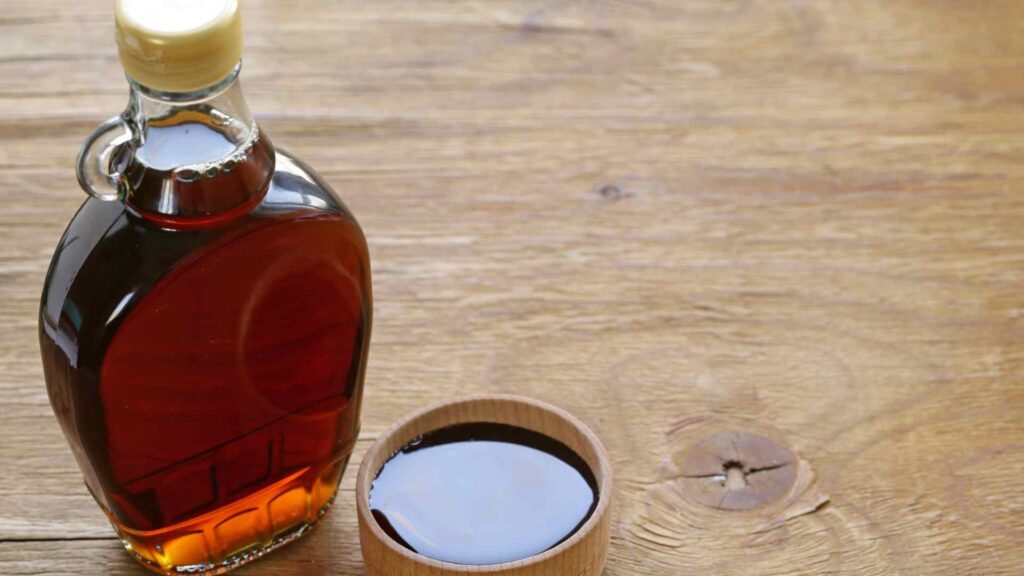
Plastic caps, foil seals, squeeze-bottle valves, single-serve cups, and packets can be swallowed during a raid. Flexible packaging may obstruct, while chewed glass bottles can cut the mouth and digestive tract.
Keep the dog away from broken glass and do not sweep the mouth blindly. Visible bleeding, repeated swallowing, drooling, gagging, vomiting blood, or known glass ingestion requires urgent care.
Count missing packets and caps separately from syrup volume. Do not induce vomiting after sharp or bulky packaging unless a veterinary professional explicitly directs it.
Food bags can also suffocate a dog that puts its head inside. Store bottles in closed cabinets and discard empty packaging in a lidded bin.
Calories and the treat budget
Syrup packs many calories into a small volume and is easy to pour without measuring. The UC Davis veterinary nutrition service recommends that at least 90 percent of calories come from complete and balanced food.
All extras share the remaining allowance, including chews, table scraps, medication foods, and training rewards. A drizzle that seems invisible can outweigh several ordinary dog treats.
Maple syrup does not provide useful workout energy, immunity support, antioxidants, minerals, or hydration therapy for dogs. Water, balanced food, conditioning, and veterinary care serve those jobs.
Special-risk dogs
Dogs with diabetes, obesity, pancreatitis, chronic digestive disease, dental pain, or prescription diets should not receive syrup casually. Their medical plan matters more than whether the bottle says pure or organic.
Puppies and toy breeds have little room for empty calories and smaller margins after xylitol or packaging exposure. Growing puppies need almost all calories from complete growth food.
Dogs on elimination diet trials should not receive flavored syrups, toppings, or pancake scraps. Multiple hidden ingredients can compromise weeks of controlled feeding.
What to do after a syrup incident
After one lick of ordinary pure maple syrup, remove access, provide normal water, and monitor for digestive upset. Wipe sticky fur and skip more sugary or rich treats.
After a large amount, sugar-free product, flavored or alcohol-infused syrup, or missing packaging, save the label and call with dog weight, amount, time, symptoms, and missing objects.
Seek urgent care for collapse, marked weakness, staggering, tremors, seizures, breathing trouble, repeated vomiting, severe abdominal pain, or altered awareness. Known xylitol exposure requires immediate help before symptoms.
Do not induce vomiting or give peroxide, salt, oil, milk, charcoal, sports drinks, or human medication unless directed for the exact case. The ASPCA people-food guide reinforces the risks from alcohol, chocolate, xylitol, macadamia nuts, and other mixed-product hazards.
Maple grades, sap, and maple water
Light and dark grades of pure maple syrup differ in color and flavor, but both remain concentrated sugar for this decision. Organic, local, single-origin, and grade labels do not turn syrup into a balanced canine food.
Maple sap or packaged maple water is more dilute than syrup, yet it is not a substitute for ordinary fresh water or veterinary electrolyte care. Check packaged versions for added sugar, flavors, sweeteners, caffeine, or other ingredients.
Do not let a dog drink from sap buckets or outdoor collection equipment. Standing liquid can be contaminated, and tubing, lids, wire, and collection bags add chewing and entanglement hazards.
Storage, spoilage, and kitchen safety
Opened pure maple syrup can develop visible mold or off odors when stored improperly. A dog should not be used as the disposal system for spoiled syrup, and scraping the surface does not make a questionable product a suitable treat.
Discard moldy or fermented syrup where pets cannot reach it, and clean spills before the floor becomes a sticky scavenger station. If a dog consumes a visibly spoiled product and becomes ill, save the container and contact a veterinarian.
Hot syrup can cling to skin and mouth tissue and cause burns, much like other heated sugar. Keep dogs away during candy making, cool exposed skin with cool running water, and seek care for mouth burns, blistering, severe pain, or a large affected area.
Maple candy, baked goods, and frozen treats
Maple candy and taffy concentrate sugar into sticky or hard pieces that can lodge in the mouth, crack a tooth, or be swallowed whole. Their wrappers create an additional foreign-body problem.
Maple cookies, doughnuts, granola, cakes, and frozen desserts may contain chocolate, raisins, macadamia nuts, xylitol, caffeine, alcohol, rich fat, or dairy. Read the complete recipe and treat the most consequential ingredient as the triage priority.
A frozen syrup cube is not a clever enrichment toy because it delivers concentrated sugar and can be gulped. Choose a measured dog-appropriate food puzzle instead, particularly for a dog with dental disease or a history of swallowing treats whole.
The bottom line
A tiny lick of pure maple syrup is unlikely to harm most healthy dogs, but concentrated sugar and calories make it a poor routine treat. Pure does not mean medicinal, necessary, or consequence-free.
Pancake syrup, sugar-free formulas, flavored infusions, toppings, and packaging can change the risk completely. Read the whole label and let xylitol, alcohol, caffeine, chocolate, nuts, amount, and symptoms guide the response.