Can Dogs Eat Plums? Flesh, Pits, Trees, and Products
Dogs can eat a few small pieces of ripe plum flesh only after the pit, stem, and leaves are removed. The flesh is not the main danger; an intact pit can choke or obstruct, while chewed or crushed pits and plum plant material can release cyanide, so whole-fruit raids deserve prompt, detail-based veterinary advice.
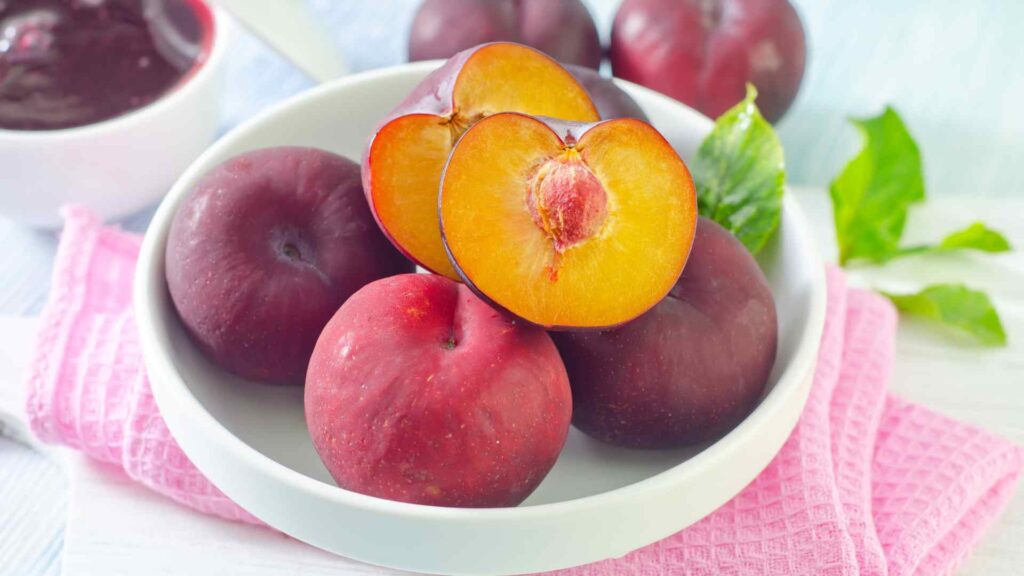
The safe part is a small amount of prepared flesh
Choose a ripe, fresh plum, wash it, cut it open, remove the pit completely, and trim away the stem or leaf. Offer only a few bite-size pieces that the dog can chew comfortably.
Plum skin is edible but can add fiber, so peeling may help a dog with a sensitive stomach. The skin does not neutralize the pit and should not be used as proof that a whole plum is safe.
Plum flesh contains sugar and fiber, which can cause gas, loose stool, vomiting, or discomfort in a large amount. Dogs with diabetes, obesity, chronic gastrointestinal disease, or a therapeutic diet need individualized advice.
Plums do not detox the body, cure constipation, boost immunity, or treat dehydration. Fresh water and a complete diet already have those jobs.
An intact pit is mainly a physical hazard
A plum pit is hard, smooth, and large enough to lodge in the throat, esophagus, stomach outlet, or intestine depending on the dog. Small dogs have less room, but large gulpers can swallow several pits quickly.
The FDA pet-hazard guide says gastrointestinal obstruction is the bigger risk when dogs or cats swallow Prunus fruit pits. That distinction prevents every intact pit from being mislabeled as immediate cyanide poisoning.
Gagging, repeated swallowing, drooling, regurgitation, coughing, pawing at the mouth, or breathing trouble can signal a lodged object. Breathing difficulty is an emergency, and blind finger sweeps can push a pit deeper or lead to a bite.
Do not feed bread, pumpkin, oil, or another bulky food to push the pit through. A veterinarian may recommend examination, imaging, monitoring, endoscopic retrieval, or surgery based on pit size, location, time, dog size, and symptoms.
What obstruction can look like later
A pit that reaches the stomach can still obstruct farther along, and a dog may look normal initially. Symptoms vary with the location and whether blockage is partial or complete.
The Merck Veterinary Manual obstruction guide lists vomiting, appetite loss, lethargy, diarrhea, abdominal pain, dehydration, and shock among possible findings. Repeated vomiting or worsening pain is not a wait-and-see situation.
Track eating, drinking, vomiting, stool, comfort, and energy while following the clinic’s plan. Seeing one bowel movement does not prove the pit passed unless the object is recovered or a veterinarian confirms progression.
Never pull a foreign object protruding from the rectum. A pit attached to plant fiber, string, or packaging could cause injury if traction is applied.
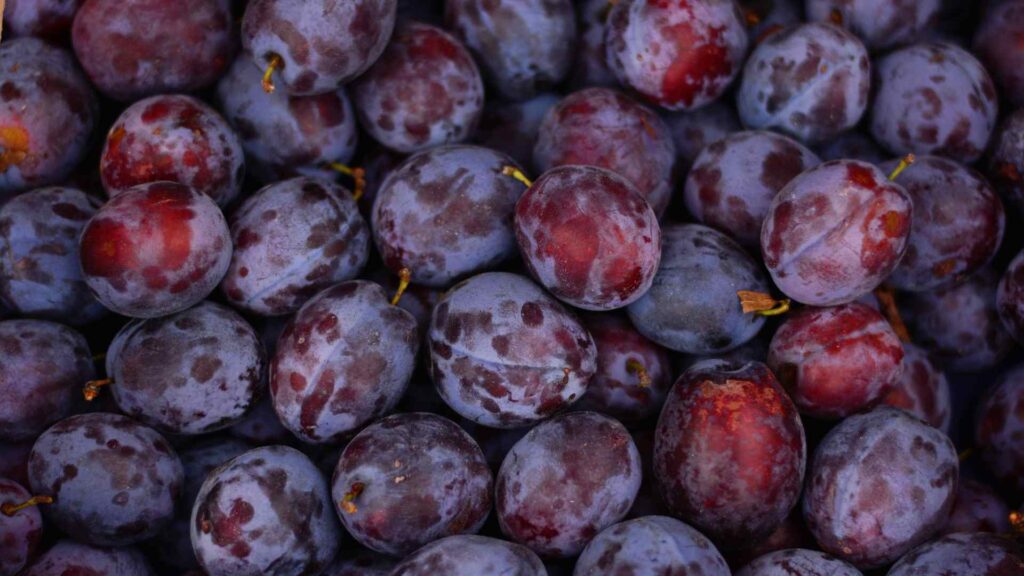
Chewed or crushed pits add cyanogenic risk
Plum pits contain cyanogenic compounds within the seed material. Crushing, grinding, or thoroughly chewing the pit can expose that material and allow cyanide release.
FDA explains that cyanide poisoning from Prunus pits is rare unless a pet eats many pits and chews them up. The number, damage to each pit, dog size, symptoms, and time matter, so there is no useful universal pit-count table.
The Merck Veterinary Manual cyanide review includes Prunus species among cyanogenic plants and notes that acute signs can begin quickly. Possible signs include rapid or difficult breathing, excitement, drooling, vomiting, muscle spasms, weakness, collapse, and altered gum color.
Call immediately after known chewing of pits, multiple missing pits, crushed pit material, or symptoms. Do not wait to see whether an obstruction develops because cyanide and foreign-body risks require different timelines.
Leaves, stems, and the tree are not snack material
The ASPCA plum listing identifies stems, leaves, and seeds as cyanide-containing parts and notes that wilting plant material can be particularly hazardous. Keep pruned branches and storm debris away from dogs.
Fruit picked from a store is easier to control than fruit under a backyard tree. Fallen plums may be fermented, moldy, insect-damaged, attached to stems, or surrounded by multiple loose pits.
Block access during harvest and cleanup, collect pits after cooking or canning, and secure compost. A dog browsing repeatedly under a tree can accumulate more exposure than anyone witnesses at once.
If plant material was chewed, photograph the tree and collect a sample safely for identification. Report whether leaves were fresh, wilted, dried, burned, or ground up.
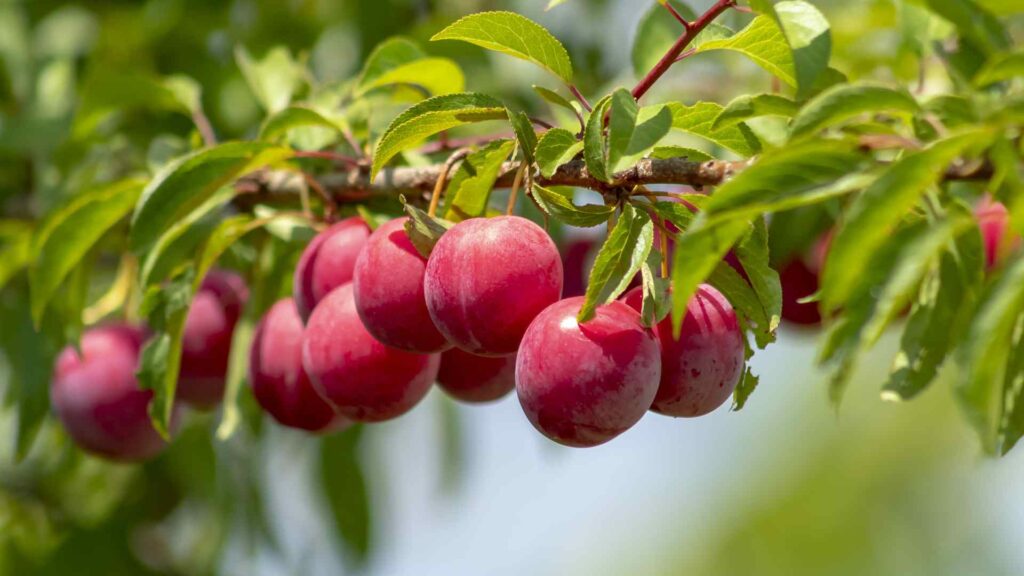
Plum, peach, cherry, and other stone fruits
Plums belong to the same broad Prunus group as peaches, nectarines, apricots, and cherries. Each has edible flesh and a pit or seed structure that changes the safety question.
The peach guide covers a larger stone and similar preparation, while the cherry guide addresses smaller fruits that may be swallowed in multiples.
Do not assume that a small pit is safer because it passes the throat. Several cherry pits can create a different obstruction and cyanogenic exposure than one plum stone.
Pears and apples are not stone fruits, but their cores and seeds still deserve removal. The pear guide explains that separate preparation problem.
Prunes are concentrated plums
Prunes are dried plums, with sugar and fiber concentrated into a smaller, sticky portion. They can cause diarrhea, gas, or abdominal discomfort and are not a canine constipation remedy.
Some prunes are pitted, while others contain stones or fragments. Check the package and inspect what remains rather than trusting the word pitted after a dog empties the bag.
Prune juice can contain sweeteners or other fruit juices and allows quick consumption. It should not be used to force a bowel movement because constipation can reflect dehydration, pain, medication, obstruction, or another illness.
Sugar-free prune products and mixed dried-fruit snacks require checks for xylitol, raisins, chocolate, macadamia nuts, and packaging. Raisins create a separate kidney risk that can overshadow the plum.
Jam, sauce, desserts, and alcohol
Plum jam, preserves, and sauce can contain large amounts of sugar, spices, vinegar, onion, garlic, chili, or sweeteners. Sugar is not acutely toxic, but the recipe may include ingredients that are.
Plum pie, cobbler, cake, and pastries add butter, fat, raw dough, chocolate, raisins, nuts, and wrappers depending on the recipe. Ask the baker for the complete ingredient list.
Sugar-free preserves require a xylitol check every time. Known xylitol exposure needs immediate veterinary or poison-control contact before weakness or seizures develop.
Plum wine, brandy, liqueur, cocktails, and fermented fallen fruit add alcohol. Incoordination, depression, vomiting, breathing problems, tremors, collapse, or coma after an alcoholic product is urgent.
Canned plums and syrup
Canned plums may be packed in water, juice, or heavy syrup and may still contain pits. Check the label, drain the fruit, and inspect each piece if a veterinarian has approved a small taste.
Syrup adds concentrated sugar without making the fruit safer. A large serving can cause digestive upset and adds calories quickly.
Home-canned fruit raises recipe and jar-safety questions, including alcohol, sweeteners, spices, broken glass, lids, rings, and seals. A raid on the pantry needs an inventory of objects as well as food.
Discard bulging, leaking, moldy, fermented, or questionable containers where pets cannot reach them. Do not use the dog as a test for spoiled preserves.
Plum allergies and stomach sensitivity
True food allergy to plum is not the first explanation for every itch or soft stool. A large sugary, fibrous portion can cause digestive signs without an immune reaction.
Facial swelling, widespread hives, breathing difficulty, collapse, or rapidly worsening signs after any food requires urgent care. Mild recurring signs should still be discussed rather than tested with larger portions.
Dogs on elimination diets should receive no unapproved plum, jam, flavored chew, or medication carrier. A small off-plan fruit can complicate a diagnostic trial.
If the dog tolerates one or two pieces, that only establishes tolerance to that serving and preparation. It does not make whole fruit, pits, tree parts, or plum products safe.
What to do after a whole-plum raid
Count whole plums and loose pits, inspect any recovered pits for tooth marks or cracks, and check the tree or trash for plant material. Note dog weight, time, symptoms, and whether packaging disappeared.
Call promptly after any swallowed pit for case-specific advice, especially in a small dog, a dog that swallowed several, or when pit damage is uncertain. Known chewing, crushed seed material, plant ingestion, or breathing and neurologic signs requires immediate help.
Seek emergency care for choking, breathing trouble, collapse, severe weakness, tremors, seizures, repeated vomiting, a painful or swollen abdomen, or inability to keep water down. Bring an identical pit or plant sample if one is safely available.
Do not induce vomiting or give peroxide, salt, oil, bread, milk, charcoal, or human medicine unless a veterinary professional directs it for the exact exposure. A hard pit can injure or lodge on the way back up.
The bottom line
A few small pieces of ripe, washed plum flesh can be an occasional treat after the pit, stem, and leaves are completely removed. The flesh adds sugar and fiber, so modest portions are enough.
An intact pit is mainly a choking and obstruction problem, while chewed pits and plant material add cyanogenic risk. Count, inspect, save evidence, and call early instead of treating every pit as identical.