Can Dogs Eat Bread? Plain Slices, Dough, and Hidden Risks
Most healthy dogs can eat a small piece of plain, fully baked bread, but they do not need it. Raw yeast dough is an emergency, and breads containing raisins, xylitol, chocolate, garlic, macadamia nuts, or other hazardous ingredients require a much faster response.
Bread for dogs: the quick slice
- Usually acceptable: a tiny piece of plain baked white or whole-wheat bread for a healthy dog who tolerates its ingredients.
- Not useful: bread is an extra source of calories, not a nutritional upgrade or treatment for an upset stomach.
- Never offer: raw yeast dough or bread with toxic add-ins.
- Read the label: “multigrain,” “natural,” “artisan,” and “gluten-free” do not tell you whether every ingredient is safe for dogs.
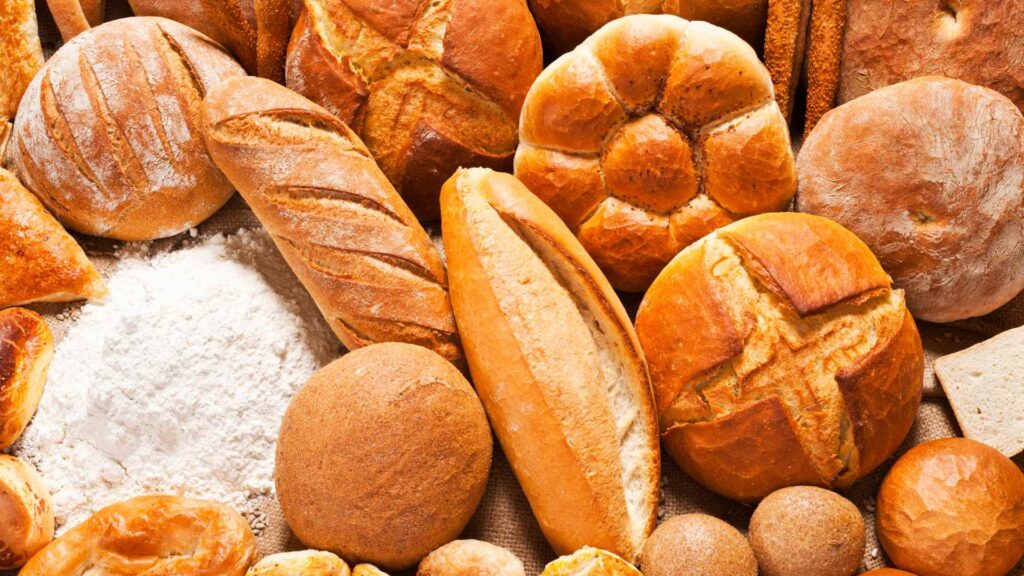
The American Kennel Club’s veterinarian-informed bread guide reaches the same basic conclusion: plain baked bread may be tolerated in moderation, but dough and dangerous additions change the answer. The ingredient list matters more than the rustic loaf photography.
Plain baked bread is usually safe, not especially beneficial
Flour, water, yeast, and a modest amount of salt in a fully baked loaf do not automatically create a canine poison. A small bite of plain bread is therefore unlikely to harm most healthy dogs.
Bread still contributes carbohydrate and calories without supplying anything a complete and balanced dog food should be missing. Frequent handouts can quietly promote weight gain or displace food formulated for the dog’s life stage.
Whole-wheat bread may contain more fiber than white bread, but “more fiber” is not always better for a dog with digestive disease. Neither variety should be used to treat constipation, diarrhea, reflux, nausea, or a swallowed object without veterinary direction.
If your dog wants a small training reward, a measured piece of familiar dog food often works just as well. For another plain carbohydrate that still needs portion control, see our dog-safe oatmeal guide.
Raw yeast dough is a veterinary emergency
Raw yeast dough is completely different from a baked slice. The warm, moist stomach allows the dough to expand while yeast fermentation produces ethanol, creating both a space-occupying mass and alcohol poisoning.
The Merck Veterinary Manual’s bread-dough toxicosis review describes gastric distention, metabolic abnormalities, and central nervous system depression. Early signs may include a swollen abdomen, unsuccessful attempts to vomit, and lethargy, followed by disorientation, an unsteady gait, weakness, low body temperature, seizures, or coma.
Call a veterinarian or emergency clinic immediately after a dog eats raw yeast dough, even if the dog looks normal. Do not wait for the abdomen to enlarge or for the dog to appear drunk.
Do not induce vomiting or pour cold water, salt, oil, milk, or another remedy into the dog unless a veterinary professional gives case-specific instructions. Expanding, sticky dough and developing neurologic signs can make home treatment dangerous.
What about sourdough starter?
Active starter contains fermenting yeast and microbes and should also stay out of reach. An ingestion can involve acidity, flour, expanding material, and ethanol, so call with the starter’s ingredients, amount, and activity level.
What about play dough?
Homemade play dough is not bread dough and may contain a dangerously high amount of salt. Treat that as a separate potential poisoning and contact a veterinarian or animal poison-control service promptly.
Bread ingredients dogs should not eat
Once bread moves beyond flour, water, and yeast, the safety check becomes a line-by-line label review. Bakery cases and homemade loaves may not have a complete printed ingredient list, so ask rather than guess.
Raisins, currants, and grapes
Grapes and raisins can cause acute kidney injury in dogs, and susceptibility varies enough that there is no dependable safe number for home testing. Picking visible raisins out of a loaf does not remove juice, fragments, or the exposure that already occurred.
If raisin bread was eaten, call immediately and have the package, amount, time, and dog’s weight ready. Our grape and raisin guide provides context, but it should not delay the call.
Xylitol
Xylitol may appear in sugar-free or reduced-sugar baked goods and can also be called birch sugar or wood sugar. In dogs it can trigger a rapid insulin release, causing life-threatening hypoglycemia, and some exposures are associated with liver injury.
The U.S. Food and Drug Administration warns that signs can include vomiting, weakness, staggering, collapse, and seizures. A xylitol exposure requires immediate veterinary or poison-control contact, not symptom watching.
Garlic, onion, and chives
Garlic bread, onion rolls, focaccia, stuffing, and savory biscuits may contain fresh or powdered Allium ingredients. These can irritate the digestive tract and damage red blood cells, with some anemia signs delayed rather than immediate.
Our garlic guide explains the concern in more detail. Do not assume a small amount of powder is irrelevant merely because it is hard to see.
Chocolate, cocoa, and coffee
Chocolate babka, cocoa bread, mocha loaves, and chocolate-chip muffins introduce methylxanthines that dogs process poorly. Dark chocolate and cocoa powder are more concentrated than milk chocolate, but any meaningful exposure deserves professional calculation.
See our chocolate guide for warning signs and the variables a clinic will ask about. Keep the wrapper because cocoa percentage and product type matter.
Macadamia nuts and other rich additions
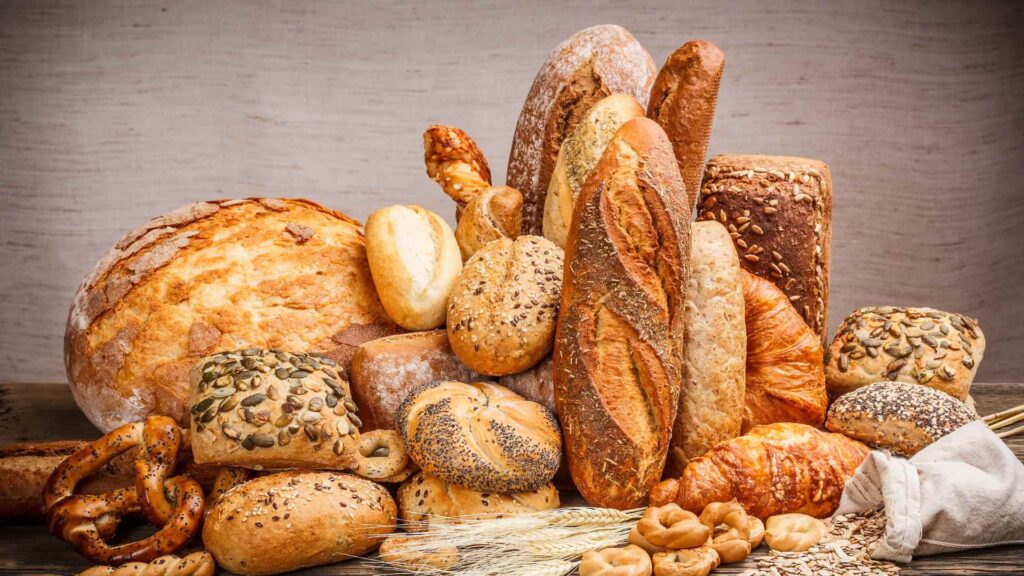
Macadamia nuts are toxic to dogs, while many other nuts add fat, salt, mold, and obstruction concerns. Seeds are not all automatically dangerous, but a dense seeded loaf is still harder to evaluate and more calorie-rich than plain bread.
For a wider comparison, our nuts guide separates toxic nuts from those that are merely poor routine treats. Mixed breads should be judged by their riskiest ingredient.
How much plain bread can a dog eat?
There is no sensible palm-sized serving for every dog, because a human palm is unrelated to canine calorie needs. For a first taste, use a thumbnail-sized piece for a small dog or a couple of small bites for a larger dog, then stop.
Those examples are cautious introductions, not daily prescriptions. Bread and all other treats should fit inside the dog’s calorie allowance while the complete and balanced diet supplies essential nutrients.
The World Small Animal Veterinary Association’s treat guide recommends that treats make up no more than 10 percent of a dog’s daily calories. A veterinarian can help translate that limit for a dog with obesity, diabetes, pancreatitis, or another condition.
White, wheat, rye, sourdough, and gluten-free bread
Plain white bread: A tiny baked piece is generally tolerated, but it is calorie-dense for its nutritional contribution. Butter and jam change the answer.
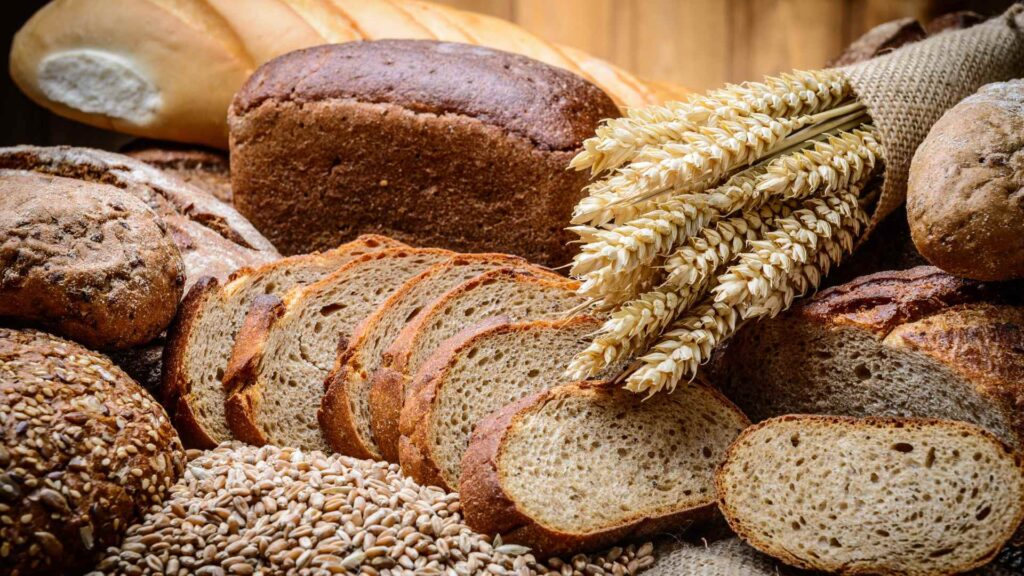
Whole-wheat bread: This can be safe if the ingredient list is plain and the dog tolerates wheat. Extra fiber does not make it a necessary daily food.
Rye and pumpernickel: Check for caraway, raisins, onion, garlic, chocolate, and sweeteners, and avoid moldy bread of every type. Plain baked rye is not automatically toxic, but complex recipes create more uncertainty.
Sourdough bread: Fully baked plain sourdough may be tolerated in a tiny amount, but active dough or starter is hazardous. Salt and specialty additions still require a label check.
Gluten-free bread: “Gluten-free” is designed for a human dietary need and does not mean dog-safe. These loaves may contain xylitol, nuts, seeds, chocolate, raisins, or other ingredients that require separate evaluation.
Bread allergies and food intolerance
Dogs can react to dietary proteins, including wheat proteins, but itching or diarrhea after bread does not prove a wheat allergy. Similar signs can result from parasites, environmental allergy, infection, another ingredient, or an unrelated digestive problem.
Blood, saliva, and hair tests marketed for food allergy do not reliably establish a diagnosis. Veterinarians typically use a strict elimination diet followed by a controlled challenge, and an unapproved bread scrap can invalidate that process.
Facial swelling, hives, collapse, or trouble breathing after any food is an emergency. Recurring ear disease, itching, vomiting, or diarrhea deserves a scheduled veterinary evaluation rather than serial experiments with different loaves.
Bread is not first aid for swallowed objects
A common internet tip says bread will cushion bones, hooks, glass, string, or other swallowed objects. That advice can delay imaging and treatment, add material behind an obstruction, or create false reassurance.
Call a veterinarian immediately after a dog swallows a sharp, toxic, battery-powered, magnetic, long, or unknown object. Do not feed bread, induce vomiting, pull visible string, or wait for the object to “pass” unless the clinic specifically directs you.
What to do after a bread raid
If a healthy dog eats a small amount of plain baked bread and acts normal, remove the rest, provide fresh water, and monitor for digestive upset. Repeated vomiting, a painful or swollen abdomen, severe lethargy, collapse, or inability to keep water down warrants veterinary care.
For raw yeast dough, xylitol, raisins, grapes, chocolate, macadamia nuts, alcohol, or a large amount of garlic or onion, contact a veterinarian, emergency clinic, or animal poison-control service immediately. Save the package or recipe and estimate the amount and time.
For a whole loaf, plastic bread bag, twist tie, clip, or wrapper, mention the packaging as well as the food. Plastic and closures may create choking or foreign-body problems that calories alone do not explain.
Bread questions worth answering
Can bread settle a dog’s stomach?
It is not a universal bland diet and may worsen symptoms or delay diagnosis. Ask the clinic what to feed when vomiting or diarrhea is repeated, bloody, painful, or accompanied by weakness.
Can dogs eat toast?
A tiny piece of plain toast follows the same rules as baked bread. Burnt toast, butter, jam, avocado, chocolate spread, garlic, and xylitol-containing nut butter add new concerns.
Can puppies have bread?
A crumb of plain baked bread is unlikely to benefit a puppy, and extras can displace calories needed for growth. Raw dough and toxic ingredients are dangerous at any age.
Can dogs eat bread crust?
Plain crust has the same ingredient questions as the center and may be harder to chew when very dry. Cut it small or skip it for dogs with dental or swallowing problems.
The bottom line
A tiny piece of plain, fully baked bread is usually safe for a healthy dog, but it is optional and easy to overfeed. Raw yeast dough and hazardous add-ins are the real story, so read labels, secure the kitchen, and call quickly when the exposure is more than a plain crumb.