Can Dogs Eat Rosemary? Culinary Herbs, Oils, and Product Risks
A small amount of correctly identified rosemary used in cooking is generally non-toxic to dogs, but concentrated rosemary oil is a different exposure. Garden lookalikes, woody stems, seasoning blends, rich recipes, extracts, supplements, and homemade flea treatments all need more scrutiny than a few chopped leaves.
Match the response to the product
- A few fresh or dried culinary leaves: usually low concern for a healthy dog, though stomach upset is possible.
- A large bunch or woody stems: watch for gagging, vomiting, abdominal pain, appetite loss, or packaging ingestion.
- Seasoning mix or prepared food: check onion, garlic, salt, fat, alcohol, and every other ingredient.
- Essential oil, extract, or concentrate: call a veterinarian or animal poison-control service promptly.
- Unknown garden plant: do not assume identity from smell, a phone app, or one photo.
Save the package and note the product, concentration, route, amount, time, dog’s weight, and symptoms. Say rosemary essential oil when oil was involved because calling it rosemary can make a concentrated exposure sound like dinner seasoning.
Culinary rosemary is the low-risk form
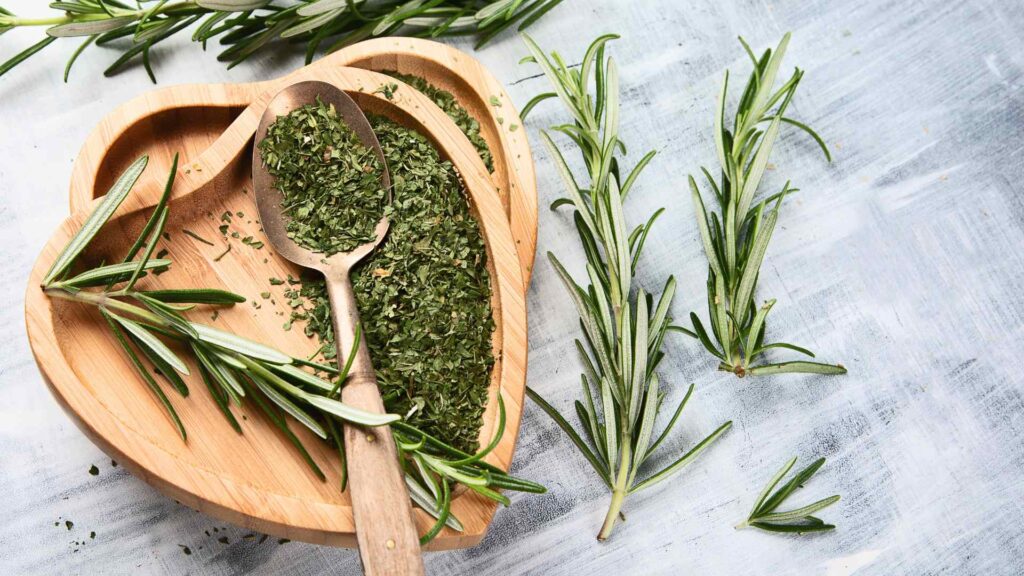
The ASPCA rosemary entry lists Rosmarinus officinalis as non-toxic to dogs, cats, and horses. Non-toxic means the identified plant is not expected to cause a characteristic systemic poisoning syndrome, not that unlimited plant material suits every stomach.
A few finely chopped leaves on otherwise dog-appropriate food are unlikely to cause trouble. Larger amounts can still cause vomiting or diarrhea simply because they are pungent, fibrous, and unfamiliar.
Fresh needles and dried leaves are more concentrated by volume than one another, so do not convert a recipe by guessing. If sharing a taste, use only a tiny amount and serve it plain.
Dogs do not need rosemary added to a complete diet. Its presence in a formulated pet food as a flavoring or preservative does not prove that spoonfuls of the herb or a supplement will improve health.
Stems and whole sprigs are physical hazards
Mature rosemary stems can be woody and sharp, while long sprigs may lodge across the mouth or trigger gagging in a fast eater. Strip and finely chop the leaves rather than handing a dog a branch to chew.
Do not pull a deeply lodged stem from the throat or blindly sweep the mouth with your fingers. Continuous coughing, pawing at the mouth, blue or gray gums, or difficulty breathing is an emergency.
Plant ties, wire, plastic pots, labels, landscape fabric, and garden clips may disappear during a rosemary raid. Report every missing object and call for repeated vomiting, a painful belly, inability to keep water down, or refusal to eat.
Garden identity comes before reassurance
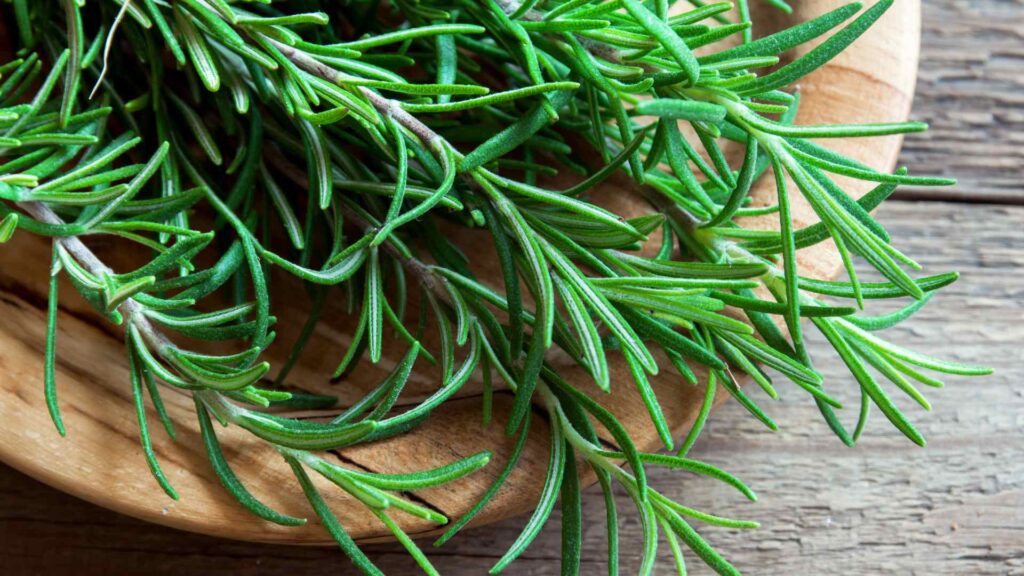
Rosemary has narrow aromatic leaves, but smell and leaf shape alone are not enough to identify an unknown ornamental or wild plant after ingestion. Cultivars also vary in form, and another plant may be growing through the same pot.
Photograph the whole plant, leaves, stem, flowers, roots, container, and growing site, then save a sample in a sealed container if it is safe. Tell the veterinarian about fertilizer, systemic insecticide, herbicide, slug bait, compost, mulch, mushrooms, and nearby plants.
Do not make the dog vomit after an unknown-plant exposure unless a veterinarian directs you. An unidentified plant may be irritating, oily, sharp, or capable of causing signs that make vomiting unsafe.
Our basil guide and thyme guide use the same plant-identification rule. Familiar kitchen herbs are low risk only when they are actually the familiar kitchen herb.
Seasoning blends hide more important ingredients
Italian seasoning, poultry seasoning, herb salt, rubs, marinades, soup packets, and roast blends may combine rosemary with garlic, onion, salt, pepper, chile, sugar, or unknown natural flavors. The herb named on the front may not drive the risk.
Garlic and onion can damage canine red blood cells in raw, cooked, dried, and powdered forms, with anemia sometimes delayed for days. Save the label and call promptly when a meaningful or unknown amount was eaten.
Salt-heavy rubs can be a problem after a large theft, while hot spices can cause drooling, vomiting, and diarrhea. Do not force water or give milk, oil, bread, or another seasoning as a home antidote.
A sprinkle licked from the floor is different from swallowing the seasoning jar, cap, shaker insert, or desiccant. Count the packaging and report every missing piece.
Rosemary foods are often rich foods
Rosemary chicken may include skin, bones, butter, oil, garlic, onion, salt, gravy, and cooking twine. Roast potatoes may carry substantial fat and seasoning, while focaccia can include garlic, onion, cheese, or olives.
Cooked bones can splinter and injure or obstruct the digestive tract, and string can behave as a dangerous linear foreign body. Do not pull visible string from the mouth or rectum.
Large fatty meals can cause digestive upset and may contribute to pancreatitis in susceptible dogs. Call for repeated vomiting, abdominal pain, weakness, appetite loss, or inability to keep water down.
Rosemary crackers, chips, and bread add calories and sodium without a useful canine benefit. Treat the complete recipe as the exposure rather than clearing it because rosemary is non-toxic.
Essential oil is not a strong tea
Rosemary essential oil is a concentrated mixture of volatile plant compounds and cannot be compared with leaves teaspoon for teaspoon. Tinctures and extracts may also contain alcohol, glycerin, other oils, or ingredients that change absorption and risk.
The Merck Veterinary Manual essential-oil review explains that oils can be absorbed through the digestive tract, skin, lungs, and mucous membranes and that risk rises with concentration. It advises never applying concentrated essential oil directly to pets.
Possible signs include drooling, vomiting, lethargy, appetite loss, abnormal walking, tremors, coughing, wheezing, breathing difficulty, skin irritation, or seizures. Seek urgent care for breathing trouble, collapse, severe weakness, or neurologic signs.
If oil spills on fur, prevent licking and call for product-specific decontamination advice before bathing. Move a dog with inhalation exposure to fresh air if it is safe, but do not delay care to clean the room.
Do not induce vomiting after essential-oil ingestion because aspiration is a concern. Bring the original bottle and safety information to the clinic.
Diffusers and scented household products
A diffuser can tip over and expose a dog by mouth, skin, eyes, and inhalation at once. Active diffusers may also place tiny droplets on the coat, where a dog later ingests them while grooming.
Keep diffusers inaccessible and ventilate rooms, especially around animals with respiratory disease. Coughing, watery eyes, nasal discharge, rapid breathing, wheezing, or distress warrants prompt advice.
Rosemary-scented cleaners, candles, soaps, sprays, and cosmetics may use fragrance rather than rosemary oil and can contain surfactants, alcohols, solvents, or other essential oils. Use the full label and product type, not the scent name, to assess an exposure.
Do not improvise flea and tick treatment
Rosemary rinses, sprays, powders, oils, collars, and garden mixtures are often promoted online for fleas and ticks without a reliable formula, proven effectiveness, or a dog-specific safety assessment. Failing treatment also leaves the dog exposed to parasites and the diseases they carry.
The EPA flea and tick guidance advises using pet products according to the exact species, weight, age, directions, and precautions on the label. It also recommends consulting a veterinarian about the best protection plan.
Never apply a homemade rosemary essential-oil mixture to the coat, skin, collar, bedding, mouth, or ears. Natural does not mean correctly dosed, effective, or safe to lick.
If a labeled flea product causes a reaction, follow its first-aid directions and contact a veterinarian. Save the package, registration information, lot code, and applicator for treatment and reporting.
Skip digestion and antioxidant promises
Rosemary should not be used to treat gas, vomiting, diarrhea, constipation, bad breath, infection, inflammation, cognitive change, or cancer. Laboratory antioxidant activity does not establish that sprinkling an herb treats disease in a dog.
Persistent digestive signs require a diagnosis because causes range from dietary change and parasites to obstruction, pancreatitis, endocrine disease, or organ dysfunction. Adding a pungent herb can complicate the history without fixing the cause.
Bad breath often reflects dental disease and needs an oral examination, not a masking fragrance. Never put rosemary oil into a dog’s mouth for breath.
Supplements may vary in extraction, concentration, purity, and other active ingredients. Discuss any product with the veterinarian who knows the dog’s medications and conditions before using it.

How to share a culinary taste
- Use correctly identified, fresh culinary rosemary or a single-ingredient dried herb.
- Wash fresh sprigs, remove woody stems, and finely chop only a tiny amount of leaf.
- Serve it on plain, dog-appropriate food without garlic, onion, salt, fat, sauce, bones, or string.
- Count the food within the daily treat allowance and do not use the herb as a supplement.
- Stop if vomiting, diarrhea, itching, or discomfort appears.
Dogs with prescription diets, food-allergy trials, chronic digestive disease, or current medication plans should receive no new garnish without approval. An optional flavor is not worth disrupting a controlled treatment plan.
What to do after an exposure
Secure the product, identify culinary herb versus oil or extract, estimate amount and time, and check every co-ingredient and missing object. Call promptly for concentrated products, unknown plants, large amounts, dangerous seasonings, significant symptoms, or packaging ingestion.
Our mint guide shows why plant identity and concentrated oils matter across the herb shelf, while the oregano guide covers another common seasoning mix. Do not use one herb article to clear a mixed product.
Do not induce vomiting or apply a second oil, detergent, salt, milk, or medication unless a veterinarian directs you. Route, concentration, signs, and aspiration risk determine the safest response.
Bottom line
A few correctly identified rosemary leaves in food are generally low risk, but they are optional flavor rather than treatment. Essential oil, concentrates, unknown plants, seasoning blends, rich recipes, flea remedies, symptoms, and swallowed packaging require a separate assessment.