Can Dogs Eat Brussels Sprouts? Safe Prep and Portion Tips
Yes, dogs can eat a small amount of plain, cooked Brussels sprouts. Chop them into bite-sized pieces, skip butter and seasoning, and expect that even a modest serving may produce impressive gas.
They are an optional treat, not a vitamin prescription. A whole raw sprout, a rich holiday casserole, or a large helping needs a different risk check than one tender leaf.
The simple answer, with the important conditions
Brussels sprouts are members of the cruciferous vegetable family, alongside cabbage, broccoli, and cauliflower. The vegetable itself is not considered toxic to dogs, but preparation and portion size decide whether it lands as a harmless taste or an uncomfortable afternoon.
The American Kennel Club’s feeding guidance permits plain Brussels sprouts with precautions, while emphasizing digestive upset and simple cooking. That is a much more useful answer than calling the vegetable a canine superfood.
- Best form: Washed, tender, plain, and cut to suit the dog’s mouth.
- Most common downside: Gas, bloating, loose stool, or occasional vomiting after too much.
- Physical hazard: A whole firm sprout or tough stalk can be difficult to chew and may choke or obstruct.
- Recipe hazard: Onion, garlic, heavy salt, fatty sauces, bacon, and butter can matter more than the sprout.
Why Brussels sprouts make dogs gassy
Brussels sprouts contain fermentable carbohydrates and fiber that gut microbes can break down, producing gas along the way. That is ordinary digestive chemistry, not proof that the vegetable is “detoxing” your dog or cleaning anything out.
A small amount of flatulence in an otherwise cheerful dog is usually more awkward than dangerous. Bloating with pain, repeated retching, restlessness, a distended abdomen, weakness, or collapse is not a joke and needs immediate veterinary attention.
Dogs with inflammatory bowel disease, chronic diarrhea, recent gastrointestinal surgery, or another sensitive-digestion problem should not join the tasting panel without veterinary approval. A food that is safe for the average healthy dog can still be a poor match for an individual patient.
Does the fiber make Brussels sprouts necessary?
No, because a complete and balanced dog food is already formulated to cover nutritional needs. Adding fibrous vegetables at random can increase stool volume or gas, but it does not replace a veterinary plan for constipation, weight management, anal-gland trouble, or chronic diarrhea.
If your veterinarian wants more fiber in the diet, ask which type, amount, and food source fit the diagnosis. Different fibers behave differently in the gut, so “more roughage” is not a precise treatment.
How to prepare Brussels sprouts for a dog
- Choose fresh sprouts. Discard slimy, badly wilted, moldy, or spoiled pieces.
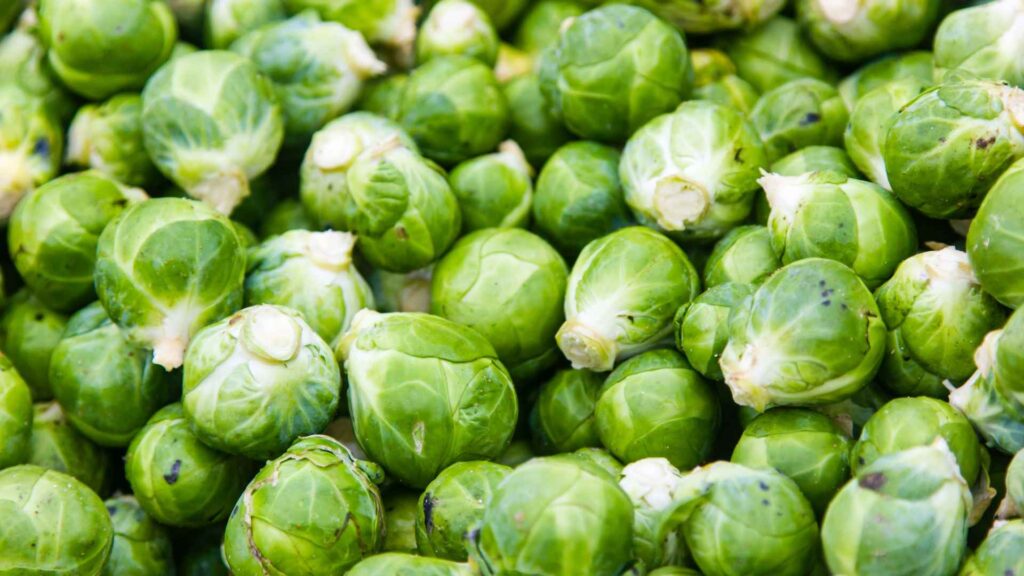
- Wash them. Rinse away soil and surface debris, then remove the tough base and loose damaged leaves.
- Cook until tender. Steam, boil, or microwave in plain water without stock, oil, salt, or seasoning.
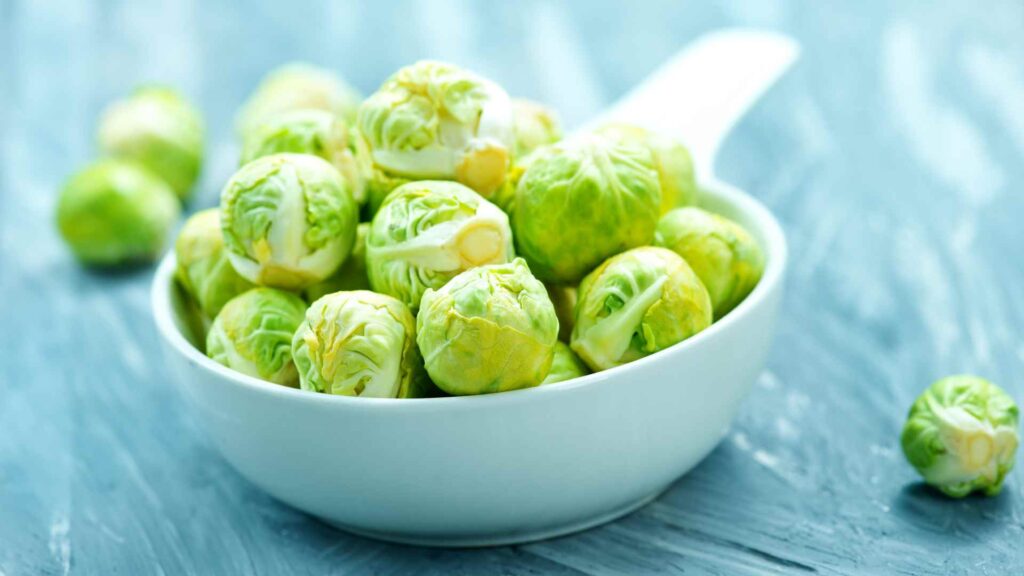
- Cut before serving. Dice the cooked sprout into pieces small enough for your dog to chew and swallow comfortably.
- Cool and test. Offer one tiny piece at room temperature, then wait to see how the digestive system votes.
PetMD’s veterinarian-reviewed guide also recommends tender, bite-sized, plain pieces and warns against feeding a whole sprout. That choking precaution matters most for puppies, small dogs, fast gulpers, and dogs with dental or swallowing problems.
Raw, frozen, roasted, or steamed?
Steamed or boiled plain sprouts are the easiest starting point because cooking softens their structure without requiring added fat. Raw and frozen whole sprouts are firmer and easier to gulp badly, so do not use them as crunchy balls.
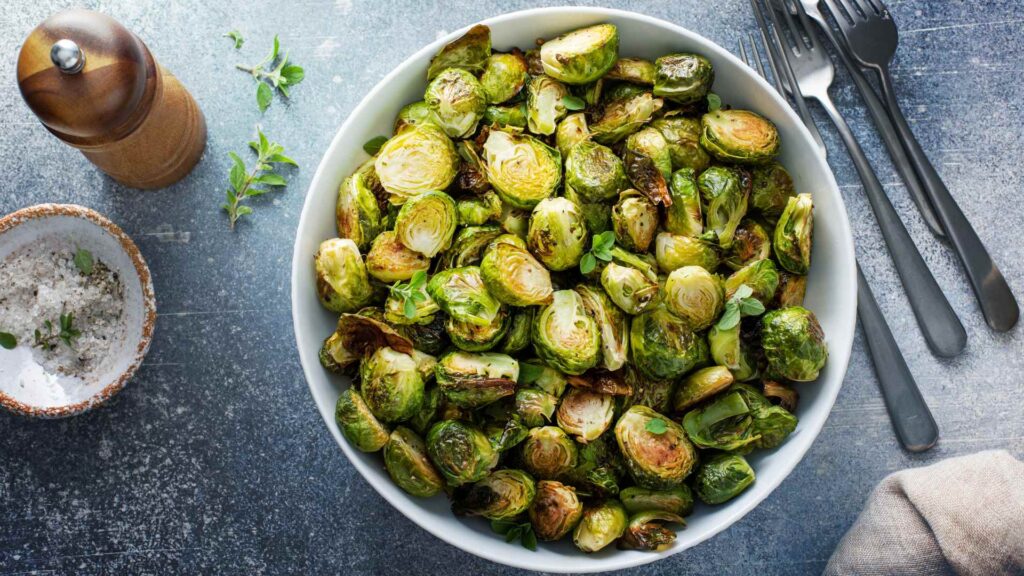
Roasting can be fine if you set aside a plain portion before dressing the human pan. Burned, heavily browned, oily, or salted pieces have no special advantage for a dog.
Leftovers, canned sprouts, and frozen blends
Refrigerate plain cooked leftovers promptly in a clean covered container and discard them when their smell, texture, or storage time is questionable. A dog is not a food-waste system, and reheating spoiled vegetables does not reliably make them safe.
Frozen plain sprouts can be convenient once they are cooked tender and chopped, but mixed vegetable bags may include onion, sauce, cheese, or seasoning. Canned sprouts are less common and may contain added sodium, so the label still gets the final say.
Dehydrated sprouts become dense and chewy, which can make portion size and swallowing harder to judge. Use a commercial dog treat designed for the dog’s size if you want a shelf-stable training reward, and keep home-dried experiments away from a dog that gulps.
Do not ferment or pickle Brussels sprouts for a canine probiotic project. Fermented foods vary in salt, acidity, microbes, and added flavorings, while a veterinarian can recommend a better-studied product if digestive support is actually needed.
How much can a dog eat?
There is no evidence-based universal serving chart for Brussels sprouts, and recipes vary in size and preparation. Start with one tiny chopped piece for a healthy adult dog, then wait until the next day before deciding whether this particular vegetable deserves a repeat appearance.
Keeping the first taste tiny makes any gas or loose stool easier to manage. If your dog tolerates it, an occasional few pieces can fit inside the day’s treat allowance, but there is no benefit to building toward a bowlful.
The World Small Animal Veterinary Association recommends keeping all treats to no more than 10% of daily calories. Dogs on prescription diets or formal food trials may need approved treats only, even when a vegetable is generally safe.
Dogs that should skip the experiment
- Dogs with current vomiting, diarrhea, abdominal pain, or unexplained appetite loss
- Dogs with chronic digestive disease unless their veterinary team approves
- Dogs following a therapeutic diet or elimination trial
- Dogs with chewing or swallowing difficulty unless the food is prepared to a clinician-approved texture
- Puppies whose complete growth diet should not be crowded out by extras
Seasoned sprouts and holiday casseroles
The average dinner-table sprout is not plain. It may arrive with bacon grease, butter, cheese, cream, onion, garlic, sweet glaze, nuts, or enough salt to turn a simple vegetable into a much richer exposure.
Onion and garlic are members of the Allium group and can damage canine red blood cells. The ASPCA lists onion, garlic, chives, and excessive salt among foods that can harm pets, so check recipes and seasoning blends rather than relying on what the dish looks like.
Our guides to garlic and onions explain why powders count too. If either ingredient is present, call your veterinarian or animal poison control with the recipe, amount eaten, time, and dog’s weight.
What to do if your dog ate too many sprouts
- Remove the leftovers. Keep the dog away from skewers, foil, plastic wrap, compost, and the trash.
- Identify the dish. Save the package or recipe and note every seasoning, sauce, topping, and cooking fat.
- Estimate the amount. A few plain chopped pieces and a whole casserole are not the same call.
- Contact a professional when needed. Call promptly for onion, garlic, a large quantity, swallowed packaging, medical risk factors, or any concerning symptom.
- Monitor as directed. Watch appetite, energy, vomiting, stool, belly comfort, and normal drinking.
Do not induce vomiting or give hydrogen peroxide, laxatives, antacids, or human pain medicine unless a veterinary professional tells you to. A clinician may advise simple monitoring, but that call should be based on the real ingredients and your dog’s health.
When it is urgent
Seek urgent care for repeated vomiting, a painful or swollen abdomen, unproductive retching, trouble breathing, marked weakness, collapse, pale gums, tremors, seizures, or inability to keep water down. A dog that swallowed a whole sprout and is gagging, coughing, or pawing at the mouth may be choking.
Other vegetables with easier table manners
A dog who finds Brussels sprouts personally offensive has lost nothing. Plain carrot or green beans may be easier to portion, although every new food still deserves a small introduction.
Other cruciferous vegetables share some of the same digestive quirks. Read the specific guidance for broccoli, cauliflower, or cabbage instead of assuming every stem, floret, and leaf works the same way.
Frequently asked questions
Can puppies eat Brussels sprouts?
A weaned puppy may tolerate a tiny tender piece, but there is no need to add it. Puppies need a complete growth diet, and whole sprouts create an avoidable choking risk.
Can dogs eat Brussels sprout stalks?
Do not offer the tough central stalk. It is harder to chew and digest than a tender chopped sprout, so the practical risk outweighs any imagined benefit.
Can dogs eat frozen Brussels sprouts?
Cook them plain until tender and chop them before serving. A rock-hard frozen sprout is not a safe enrichment ball.
Can Brussels sprouts treat constipation?
Do not use them as a treatment without veterinary advice. Constipation can have several causes, including pain, dehydration, obstruction, medication effects, or underlying disease.
The bottom line
Plain cooked Brussels sprouts can be an occasional bite for a healthy dog, but tender texture, tiny portions, and a seasoning-free recipe are the whole game. Skip them for sensitive dogs, call about toxic ingredients or large exposures, and treat painful bloating or repeated vomiting as a veterinary problem rather than normal “sprout gas.”