Can Dogs Eat Dried Cranberries? Labels, Risks, and Safety
Dogs can eat an occasional plain, unsweetened dried cranberry, but the package matters more than the berry. Many products add sugar, some use sweeteners, and trail mixes may include raisins, chocolate, macadamia nuts, or other hazards, so check every ingredient before deciding whether to monitor or call.
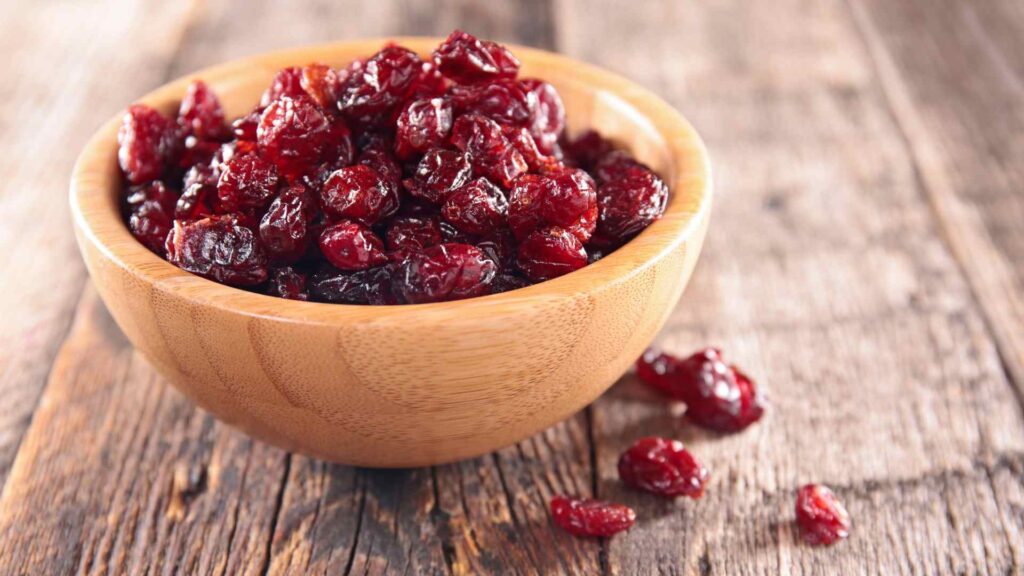
A fast answer for the snack-bag surprise
If your dog ate one or two clearly identified plain dried cranberries and feels normal, remove the bag, provide ordinary access to fresh water, and watch for stomach upset. A large or unknown amount, a mixed product, symptoms, missing packaging, or any possible raisin or xylitol exposure deserves prompt veterinary advice.
Do not judge the exposure from the red color alone because dried cranberries, raisins, cherries, and flavored fruit pieces can look similar in a mixed snack. Save the label and a sample, then count what remains only if doing so will not delay an urgent call.
Plain dried cranberry is not the same as raisin
Cranberries belong to the Vaccinium genus, while raisins are dried grapes from the Vitis genus. Cranberries are not known to cause the unpredictable acute kidney injury associated with grapes and raisins, but a bag can contain both fruits.
The FDA lists grapes and raisins among potentially dangerous items for pets. If the ingredient list says raisins, grapes, currants made from grapes, sultanas, or mixed dried fruit that cannot be identified, call a veterinarian or animal poison-control service immediately.
Do not wait for symptoms after a possible raisin exposure because early treatment decisions can matter. Our guides to raisins and grapes cover that separate emergency in more detail.
Read all three parts of the label
Start with the ingredient list, then check the Nutrition Facts panel and serving size. Finally, scan the allergy statement and any cross-contact wording, which may reveal nuts or other ingredients handled on the same equipment without proving that they are present in a dangerous quantity.
A short list reading only cranberries and perhaps a small amount of conventional sugar is simpler than a flavored blend. “Reduced sugar,” “keto,” “sugar free,” and “no added sugar” do not tell you which sweetener was used, so keep reading.
Xylitol changes everything
Xylitol may appear as birch sugar, wood sugar, or birch bark extract in some low-sugar foods and supplements. The FDA warns that xylitol can cause a rapid, profound drop in a dog’s blood sugar and may also cause liver injury.
Call a veterinarian or emergency clinic immediately if xylitol is listed or the sweetener cannot be identified. Do not wait for vomiting, weakness, stumbling, collapse, or seizures, and do not try to calculate a safe amount from a generic internet chart.
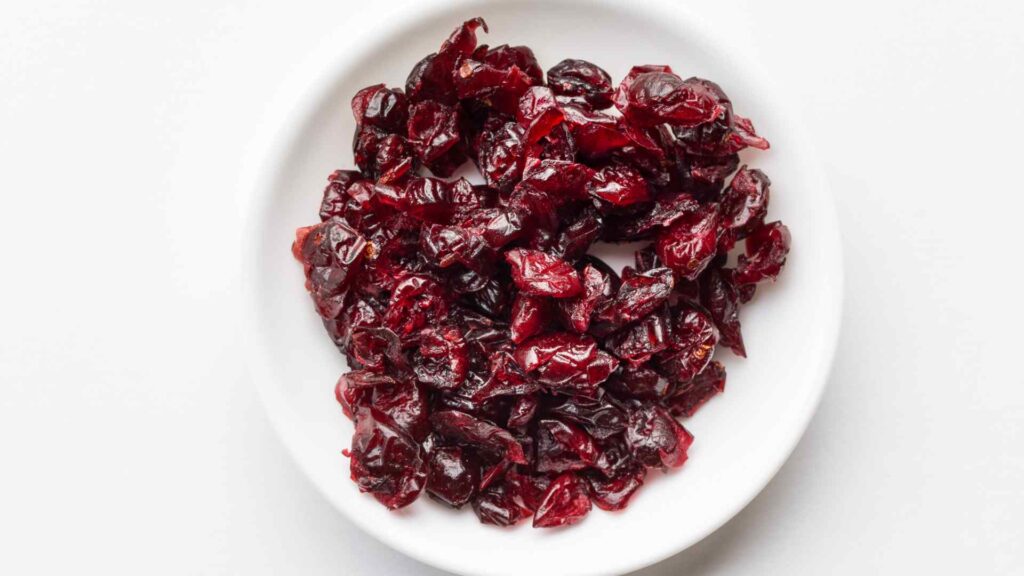
Added sugar, calories, and sticky texture
Most commercial dried cranberries are sweetened because the fresh fruit is tart. Added sugar is not a poison in the way xylitol is, but it increases calories, makes overeating easy, and can complicate diets for dogs with diabetes, obesity, or other nutrition-sensitive conditions.
Drying removes much of the water and concentrates a food into a small package. A dog can swallow many pieces before the household notices, so compare the missing amount with the label’s serving size rather than treating each piece like a fresh berry.
The chewy, sticky texture can cling to teeth and may be awkward for a tiny dog, puppy, senior, or dog with dental disease to manage. Cut a plain piece into smaller bits if a veterinarian has approved it as a treat, and never toss a handful for a dog who gulps.
Trail mix is a full ingredient investigation
Trail mix can combine dried cranberries with raisins, chocolate, macadamia nuts, salty nuts, candy, coffee beans, yogurt coatings, or sugar-free pieces. The cranberry may be harmless while a neighboring ingredient creates the emergency.
The ASPCA food-hazard guide explains why grapes and raisins, chocolate, macadamia nuts, xylitol, and excessively salty foods warrant concern. Report the whole recipe and approximate amount of every component you can identify.
Homemade granola and baked oatmeal deserve the same scrutiny because raisins and sweeteners may be mixed throughout. Chocolate chips can melt into other pieces, so sorting out the visible chocolate does not make the remaining food reliably safe.
What stomach upset can look like
Several dried cranberries can deliver a compact load of sugar, fiber, and acidity that may cause gas, loose stool, vomiting, or appetite changes. These effects are more likely after a large raid or in a dog with a sensitive gastrointestinal tract.
One isolated soft stool in an otherwise bright dog after a known small plain-fruit exposure is different from repeated vomiting, marked lethargy, abdominal pain, or inability to keep water down. Call when signs persist, intensify, or do not fit the amount you believe was eaten.
Dried cranberries do not treat a urinary infection
Cranberry products are often marketed for urinary health, but dried snack fruit is not equivalent to a standardized veterinary extract. The Merck Veterinary Manual states that evidence supporting cranberry extract for managing bacterial UTIs in animals is lacking.
A dog straining to urinate, urinating frequently, passing blood, crying while urinating, or being unable to pass urine needs veterinary evaluation. Feeding dried cranberries can delay diagnosis and will not identify bacteria, stones, inflammation, obstruction, or another cause.
Likewise, broad antioxidant language is not a reason to add sugary dried fruit to a complete diet. Nutrients in one ingredient do not establish that it prevents disease or improves immunity in dogs.
Who should skip dried fruit?
Dogs with diabetes, obesity, pancreatitis history, chronic gastrointestinal disease, food allergies, dental pain, or a therapeutic diet should receive extras only with veterinary approval. Puppies and toy breeds also have a smaller calorie budget and can be affected by less food relative to body weight.
A dog on an elimination trial should not receive a cranberry snack unless the supervising veterinarian approves every ingredient. Even a non-toxic treat can invalidate weeks of careful diet testing.
A sensible way to offer a taste
- Choose a single-ingredient, unsweetened product with no raisins, grapes, chocolate, nuts, coatings, xylitol, or mystery sweeteners.
- Check that the fruit is soft, fresh-smelling, and free of mold or moisture damage.
- Cut one piece into smaller bits for the dog’s chewing style and offer it without other new foods.
- Keep the portion genuinely tiny and stop if vomiting, diarrhea, itching, or discomfort follows.
- Store the resealed bag in a closed cabinet rather than on a counter, in a purse, or beside an open trash can.
Fresh plain fruit may be easier to portion and less calorie-dense than dried fruit, although it still is not necessary for health. See our cranberry guide for the distinctions among fresh berries, juice, sauce, and supplements.
UC Davis advises that treats and extras supply no more than 10 percent of daily calories, leaving at least 90 percent for a complete and balanced diet. A few tiny dried pieces can fit some healthy dogs, but the limit is a ceiling for all extras combined.
What to do after an accidental ingestion
- Remove the food and locate the original package, recipe, or online ingredient page.
- Identify raisins, grapes, xylitol, chocolate, macadamia nuts, caffeine, high sodium, and any missing wrappers or oxygen absorbers.
- Estimate the amount and time, then record the dog’s weight, health conditions, medications, and current signs.
- Call immediately for xylitol, any possible grape or raisin, a large mixed-food theft, swallowed packaging, or significant symptoms.
- Do not induce vomiting or give milk, oil, salt, charcoal, or another home remedy unless a veterinary professional directs it.
Frequently asked questions
Are unsweetened dried cranberries safe?
A tiny amount of plain unsweetened dried cranberry is generally low risk for a healthy dog, although too much may upset the stomach. Verify that “unsweetened” does not hide an alternative sweetener and that no raisins are mixed in.
Can dogs eat cranberry trail mix?
Do not offer trail mix because the other ingredients can include raisins, chocolate, macadamias, salty nuts, candy, or xylitol. If a dog raided a bag, treat it as a recipe exposure and call with the complete label.
Can dried cranberries prevent UTIs?
No reliable evidence shows that snack-style dried cranberries prevent or treat a dog’s bacterial UTI. Urinary signs deserve testing and veterinary treatment rather than a fruit experiment.
What if the bag says “may contain” raisins?
Cross-contact wording does not prove a toxic dose, but it does create uncertainty that cannot be resolved by appearance alone. Call a veterinarian or animal poison-control service with the product, dog’s weight, and amount eaten for case-specific advice.
Storage and spoilage matter too
Dried fruit that becomes damp can support mold, and a torn package may collect pantry debris or nonfood items. Discard fruit with visible mold, an odd odor, insect contamination, or texture that no longer matches the product, and call if the dog ate spoiled food and then develops repeated vomiting, diarrhea, weakness, tremors, or unusual behavior.
Bottom line
One or two verified plain dried cranberries are usually a modest food exposure, not a poisoning crisis. The urgent risks come from raisins, xylitol, dangerous trail-mix ingredients, large quantities, symptoms, or swallowed packaging, so read first and react to the whole product.