Can Dogs Eat Jell-O? Ingredients, Mix-Ins, and Risks
Dogs should not be offered Jell-O, although a small lick of ordinary gelatin dessert is usually a sugar and stomach issue. Sugar-free xylitol, chocolate, coffee, alcohol, unsafe fruit, supplements, dry powder, choking, or swallowed packaging can make the same-looking dessert much more serious.
Start with the exact product
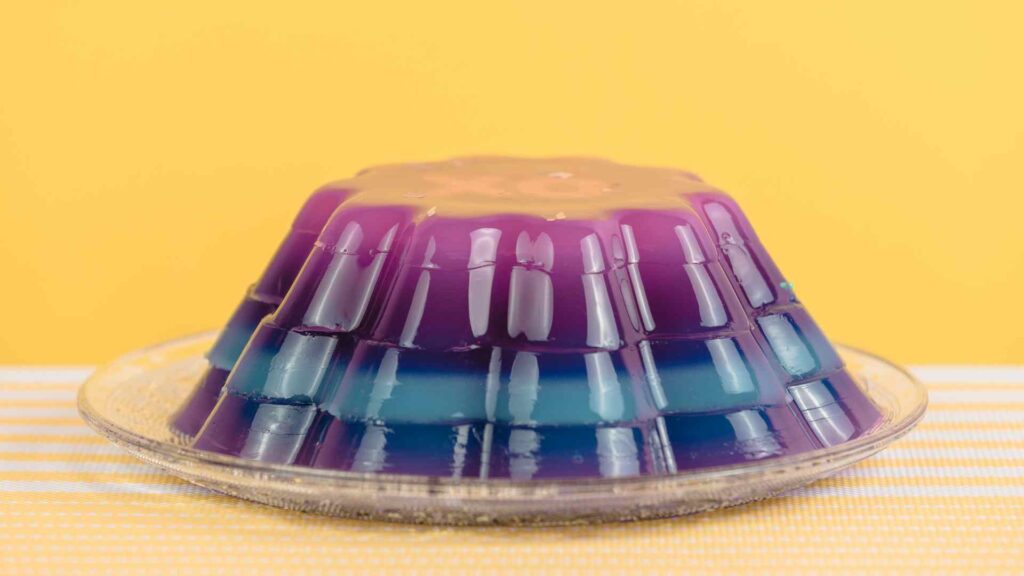
Jell-O is a brand name used for several desserts, and people also use it generically for gelatin. Keep the box, tub, recipe, or ingredient list because regular gelatin dessert, sugar-free mix, pudding, shots, homemade molds, and supplements are different exposures.
A tiny lick of conventional prepared gelatin in a healthy dog can usually be watched. Call promptly for xylitol, alcohol, caffeine, chocolate, grapes or raisins, medication, a large amount, symptoms, dry powder inhalation, or missing packaging.
Plain prepared gelatin dessert
Traditional flavored gelatin dessert is mostly water, sugar, gelatin, acid, flavor, and color. It is not a balanced treat, and several servings can cause vomiting, diarrhea, gas, or appetite changes.
A small lick is not likely to create a gelatin poisoning syndrome. The sensible response is to stop access, confirm the recipe, and avoid turning a low-value sweet into a routine snack.
Sugar-free requires a xylitol check
Look for xylitol, birch sugar, wood sugar, or birch bark extract on sugar-free mixes, prepared cups, homemade desserts, and flavored gelatin supplements. The FDA warns that xylitol can cause rapid, profound hypoglycemia in dogs and may injure the liver.
If xylitol is listed or the sweetener is unknown, call an emergency veterinarian immediately. Do not wait for vomiting, weakness, staggering, collapse, seizures, or bleeding abnormalities.
Other low-calorie sweeteners may cause gastrointestinal upset without sharing xylitol’s exact risk. Labels settle the question better than assumptions about the words “diet” or “zero sugar.”
Jell-O shots and alcohol
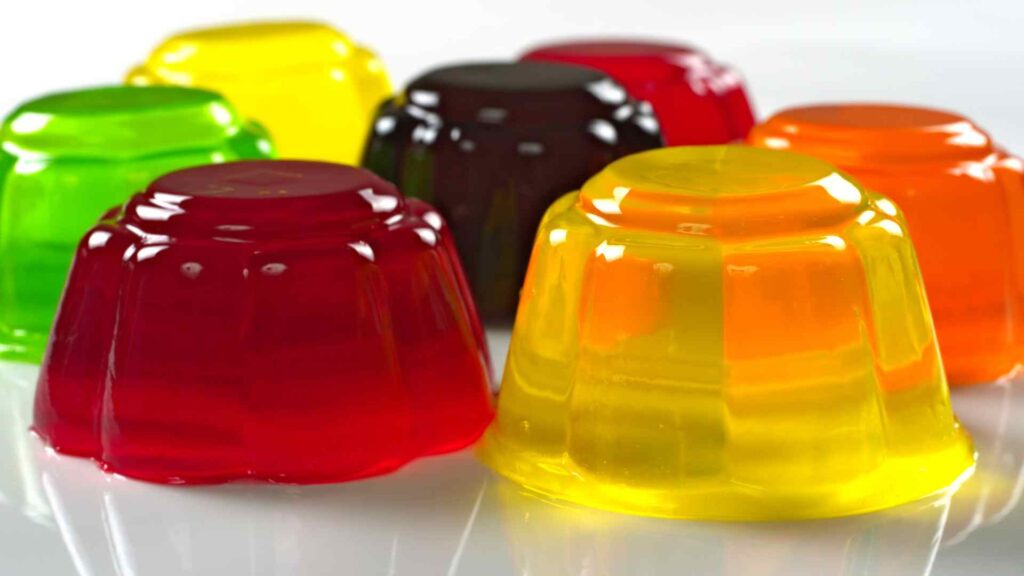
Gelatin shots can contain vodka, rum, liqueur, or another alcohol, and sweet flavor can encourage fast ingestion. Alcohol can cause vomiting, poor coordination, low body temperature, low blood sugar, breathing depression, coma, or death.
The ASPCA lists alcohol-containing foods and drinks as dangerous to pets. Call immediately and provide the alcohol type, proof, recipe, amount, and time.
Coffee and chocolate desserts
Mocha gelatin, chocolate pudding, coffee jelly, tiramisu-style cups, and dessert shots may contain caffeine or theobromine. The FDA explains that chocolate risk varies by type, amount, dog size, and sensitivity.
Coffee concentrate and espresso can contribute substantial caffeine even when the dessert is pale. Report both ingredients and do not delay care while trying to decide which is worse.
Fruit mix-ins
Gelatin molds can contain grapes, raisins, cherries with pits, citrus peel, canned fruit in syrup, or pieces large enough to choke. Grapes and raisins warrant immediate veterinary advice because canine kidney injury is unpredictable.
The FDA lists grapes and raisins among potentially dangerous pet foods. Our grape guide provides focused next steps.
Plain dog-safe fruit does not rescue a sugary gelatin recipe. Check every mix-in, pit, peel, sweetener, and topping before deciding how to respond.
Gelatin powder is not the same texture
Dry flavored mix can irritate the mouth and nose, clump when wet, and create coughing if inhaled. Move the dog away from airborne powder and call for persistent coughing, breathing difficulty, eye exposure, or a large ingestion.
Do not pour water into the mouth of a coughing or distressed dog. Gently rinse powder from fur to prevent grooming, while following product-specific veterinary or poison-control instructions.
Choking and aspiration
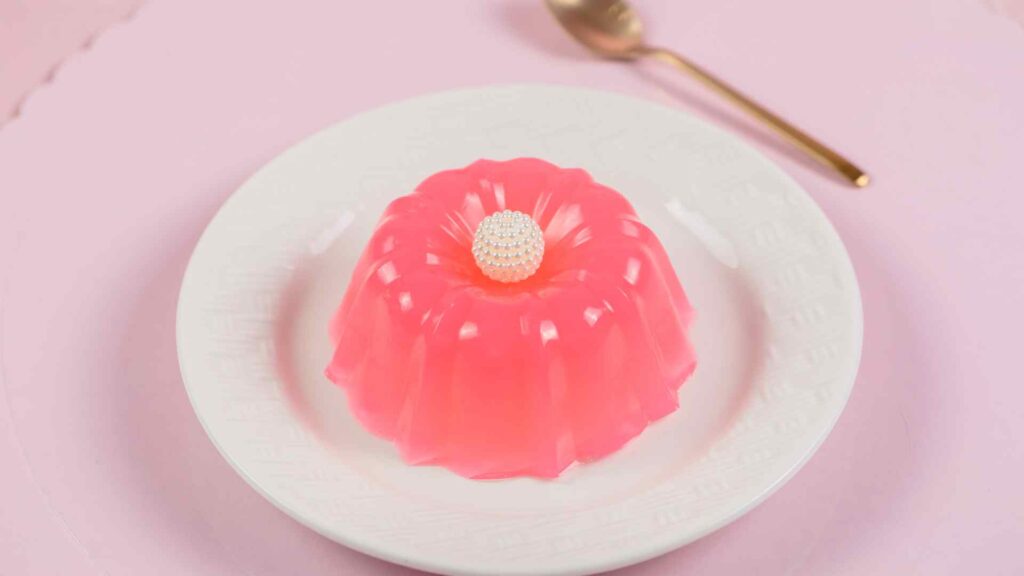
Prepared gelatin is soft, but large cubes can slide backward, and whipped toppings, fruit, or candy can form a bulky mouthful. Small dogs, puppies, seniors, and dogs with swallowing disorders need extra caution.
Breathing difficulty, blue or gray gums, collapse, or frantic pawing at the mouth is an emergency. Do not blindly sweep a finger deep into a conscious dog’s throat.
A dog that coughs after swallowing and later develops fast breathing, fever, lethargy, or reduced appetite needs veterinary assessment for possible aspiration complications.
Pudding is not gelatin dessert
Chocolate pudding adds cocoa, while vanilla pudding may contain dairy, sugar, fat, or sugar-free sweeteners. Instant mixes and refrigerated cups vary, so use the actual label rather than the Jell-O brand name alone.
Dairy can cause gas or diarrhea in lactose-intolerant dogs, and rich whipped cream adds fat. Our milk guide separates a small lick from a larger flavored-dairy exposure.
No collagen or joint-health promise
Gelatin contains protein fragments, but a sugary dessert has not been shown to treat canine arthritis, repair joints, strengthen skin, or replace veterinary nutrition. A nutrient name on a label is not evidence of a clinical benefit.
Dogs with mobility pain need diagnosis, weight management when appropriate, controlled activity, and evidence-based treatment. Human gelatin cups cannot substitute for that plan.
It is not hydration therapy
Prepared gelatin contains water, but sugar, flavoring, and uncertain ingredients make it a poor way to manage dehydration. A vomiting, diarrheic, overheated, or ill dog may need veterinary assessment and controlled fluid treatment.
Do not add gelatin dessert to the water bowl to encourage drinking. It can make intake hard to measure and may introduce xylitol or other ingredients.
Calories and medical diets
Regular gelatin dessert adds sugar without balanced nutrients, while pudding and toppings add more fat and calories. Dogs with diabetes, obesity, pancreatitis, food allergy, or a therapeutic diet should skip it unless a veterinarian approves the exact product.
The UC Davis veterinary nutrition service recommends keeping extras within 10 percent of daily calories. Plain complete food remains the safer default reward.
For another syrupy sweet, see our maple syrup guide. Gummy products require a different label review covered in our gummy bear guide.
Cups, lids, and wrappers
Foil lids, plastic cups, pouches, measuring scoops, and cardboard can be swallowed during a raid. Sharp plastic can injure tissue, while flexible material can obstruct the intestines.
Repeated vomiting, abdominal pain, inability to keep water down, straining, or marked lethargy after packaging ingestion needs urgent care. Do not pull visible plastic or string from the rectum.
What to do now
- Remove the dessert, powder, toppings, and packaging.
- Identify the exact product and scan for xylitol, alcohol, caffeine, chocolate, grapes, raisins, medicines, and supplements.
- Estimate the amount and time, then record the dog’s weight, conditions, medicines, and symptoms.
- Check for missing lids, cups, pouches, packets, and utensils.
- Call for any dangerous ingredient, a large unknown amount, breathing signs, repeated vomiting, weakness, poor coordination, or packaging ingestion.
Do not induce vomiting or give salt, mustard, oil, milk, or charcoal without veterinary direction. The safest response depends on the ingredient, timing, and dog’s condition.
Frequently asked questions
Can dogs eat plain Jell-O?
A tiny lick of conventionally sweetened prepared gelatin is usually low risk for a healthy dog, but it offers no benefit. Check the label and do not serve it intentionally.
Can dogs eat sugar-free Jell-O?
Do not offer it. Verify the sweetener after an accident, and call immediately if xylitol or an unknown sweetener is involved.
Is plain unflavored gelatin safe?
Food-grade unflavored gelatin in a recipe is different from flavored dessert, but it is not necessary as a supplement. Ask a veterinarian before routine use and check every co-ingredient.
Homemade molds need a recipe audit
Homemade gelatin can hide condensed milk, cream cheese, marshmallow, candy, nuts, fruit cocktail, alcohol, coffee, or sweetener in layers. Ask the cook for the complete recipe and brand names rather than relying on one visible slice.
A decorative mold may include toothpicks, skewers, plastic decorations, candles, or foil. Count the nonfood pieces before deciding the dog ate only dessert.
Gelatin capsules and supplements
Empty food-grade gelatin capsules are not the same as filled medicine capsules. The drug, herb, vitamin, or supplement inside determines the risk, and multiple capsules can deliver many human doses.
Keep the bottle and count what remains. Do not assume the capsule shell neutralizes its contents or that a natural supplement is safe for pets.
Dogs with swallowing disease
Dogs with megaesophagus, laryngeal disease, neurologic impairment, or recent sedation may aspirate foods that other dogs swallow easily. A soft texture does not make gelatin an appropriate feeding aid without veterinary direction.
Coughing during eating, repeated swallowing, nasal discharge after a meal, fast breathing, fever, or lethargy deserves assessment. Feeding more gelatin to push food down can worsen the problem.
Refrigerator and party safety
Place desserts behind a closed refrigerator door and clear party plates promptly. Low tables, trash bags, picnic coolers, and children carrying cups create easy access to alcohol shots, sugar-free products, and wrappers.
Label adult gelatin shots clearly and keep them physically separate from alcohol-free desserts. This protects people as well as pets and gives responders better information after an accident.
What not to do
Do not give bread, milk, salt, oil, or a second sweet to absorb an unknown ingredient. Do not force fluids into a sleepy, uncoordinated, coughing, or vomiting dog because aspiration can be dangerous.
Do not wait for illness after xylitol, alcohol, caffeine, chocolate, or raisin exposure. Early telephone triage can determine whether decontamination, monitoring, blood tests, or hospital care is appropriate.
Monitoring a plain-dessert lick
For a known small conventional gelatin lick, watch appetite, energy, vomiting, diarrhea, swallowing, and breathing. Keep the regular diet and normal water available rather than inventing a bland-food plan.
Call if vomiting repeats, the dog cannot keep water down, the abdomen is painful, or weakness, tremors, poor coordination, unusual sleepiness, coughing, or breathing changes develop.
Portion context still matters
A lick from a spoon and a family-size bowl are different calorie and gastrointestinal exposures even when the recipe is ordinary. Estimate the missing volume and include toppings rather than reporting only the product name.
Toy dogs and puppies receive more food per pound from the same cup, while seniors and medically fragile dogs may tolerate dietary accidents poorly. Lower the threshold for veterinary advice when the dog has little margin for error.
Bottom line
A small ordinary gelatin lick is usually minor, but “Jell-O” covers products with very different risks. Xylitol, alcohol, caffeine, chocolate, grapes, powder inhalation, choking, symptoms, and packaging determine the next step.