Can Dogs Eat Bacon? Risks, Symptoms, and Safer Treats
No, bacon is not a good treat for dogs. A tiny bite of plain, fully cooked bacon is unlikely to harm most healthy adult dogs, but its fat, salt, and seasoning make it a poor choice.
If your dog stole bacon, consider the amount, ingredients, size, and medical history. Here is how to tell a crumb from an emergency.
Why bacon and dogs are a poor match
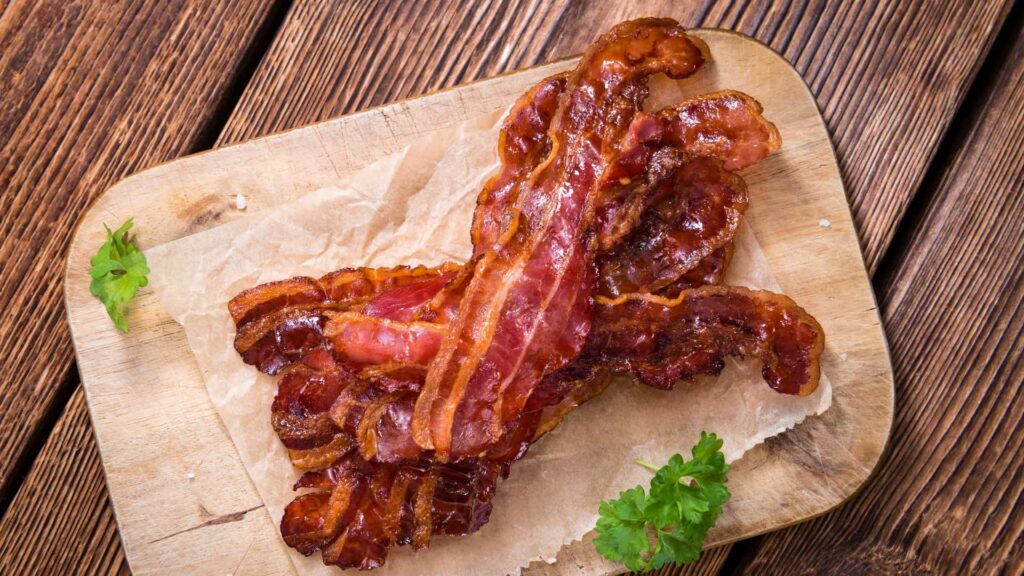
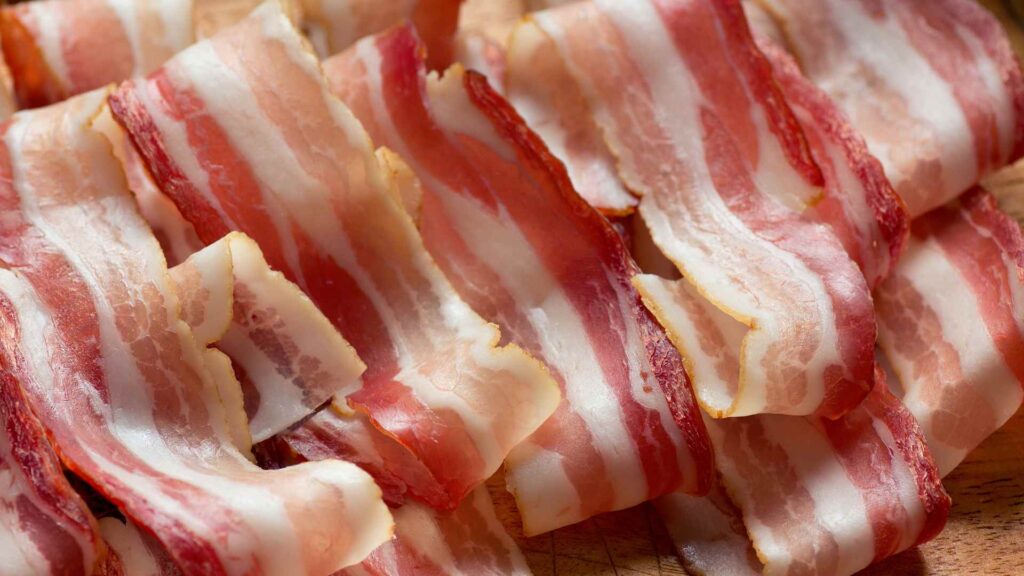
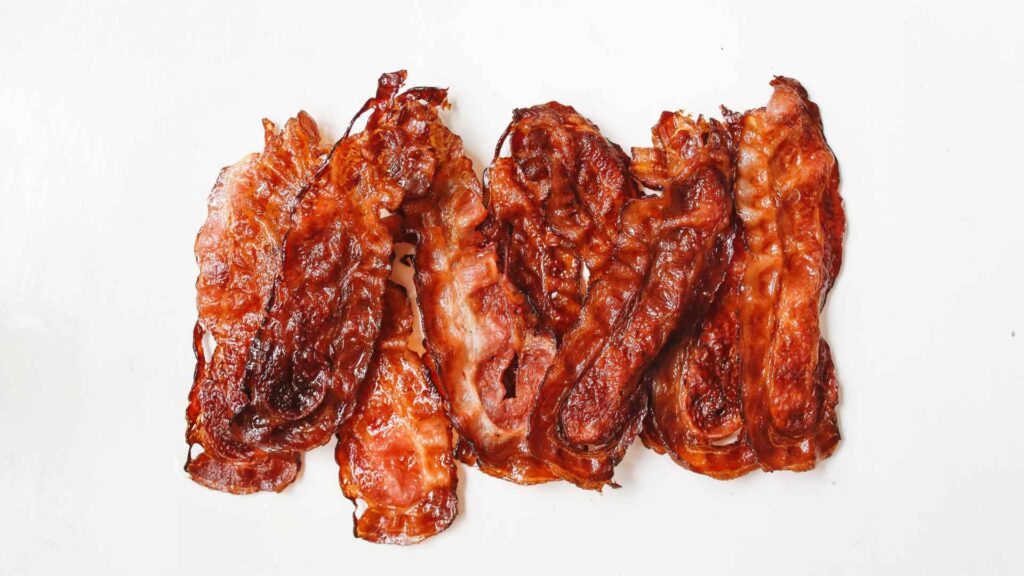
Bacon is cured pork belly or back meat, and its nutrition varies by cut, brand, and cooking method. What stays fairly consistent is the combination that causes trouble for dogs: concentrated fat, plenty of sodium, and sometimes seasonings that are unsafe on their own.
The meat itself is not a classic canine poison, which is why one stolen nibble and a plateful should not trigger the same reaction. The problem is that “not poisonous” does not mean “sensible to feed,” especially for a dog with a touchy gut or a history of pancreatitis.
- Fat: A rich meal can cause vomiting or diarrhea, and dietary indiscretion is a recognized risk factor for pancreatitis in dogs.
- Salt: A small taste is different from eating a package, but large salt exposures can cause serious neurologic and digestive signs.
- Seasonings: Onion and garlic are unsafe for dogs, including the powders commonly used in flavored meats.
- Calories: Bacon packs a lot of energy into a small bite, making it easy for treats to crowd out a balanced diet.
The FDA includes fatty foods, salt, garlic, and onions among potentially dangerous items for pets. That list is a useful reminder that the bacon plus its flavoring matters more than the word “pork” on the package.
The biggest concern: pancreatitis
The pancreas helps digest food, and pancreatitis means that organ has become inflamed. A fatty food raid does not guarantee pancreatitis, but the Merck Veterinary Manual identifies dietary indiscretion as a common suspected risk factor in dogs.
Signs can include repeated vomiting, loss of appetite, weakness, dehydration, diarrhea, and abdominal pain. Some dogs hunch, stretch into a “prayer” position, act restless, or pull away when their belly is touched, but the signs are not identical in every dog.
Call your veterinarian promptly if those signs appear after a fatty meal. Pancreatitis cannot be confirmed from symptoms at home, and a dog that keeps vomiting can become dehydrated quickly.
Dogs that deserve extra caution
Do not deliberately offer bacon to a dog with previous pancreatitis, high blood lipids, diabetes, obesity, chronic digestive disease, or a prescribed low-fat diet. Puppies, toy breeds, seniors, and dogs taking medication also have less room for casual experiments, so ask their veterinary team before adding human food.
A tiny piece is proportionally much larger for a five-pound dog than for a seventy-pound dog. Body size is not the only variable, but it is one reason there is no honest one-size-fits-all “safe number of strips.”
Why a homemade bacon treat is not an upgrade
Baking bacon into a biscuit spreads the meat through more calories, but it does not erase the bacon’s sodium or fat. Homemade recipes can also become nutritionally unpredictable when rich treats are fed often, and wheat-free or “natural” labels do not solve that problem.
If cooking for your dog is part of the fun, keep the project modest and use ingredients already approved for that dog. A board-certified veterinary nutritionist can formulate a complete home-prepared diet when a medical or lifestyle need calls for one, while an occasional treat should remain small and uncomplicated.
A bacon-scented reward is not more meaningful to a dog than a tiny reward delivered at the right moment. Training value comes from timing, consistency, and what your individual dog enjoys, not from turning breakfast meat into a canine recipe.
Salt and seasoning are separate hazards
Bacon is designed to taste salty, and dogs do not need that bonus sodium. The ASPCA notes that excessive salt exposure can cause vomiting, diarrhea, depression, tremors, seizures, and even death.
Those severe effects are not what you expect from a crumb, but they are a reason to call after a small dog eats a large quantity or drinks bacon grease. Do not try to “flush out” salt by forcing water, since forced drinking can create another emergency.
Check the ingredient label or recipe for onion, garlic, chives, spicy pepper, sweeteners, and heavy glazes. Our guides to garlic and dogs and onions and dogs explain why an apparently minor seasoning deserves its own assessment.
What to do if your dog ate bacon
First, move the remaining bacon, grease, packaging, skewers, and bones out of reach. Then look at what is missing and gather the package or recipe, because the label tells a veterinarian far more than “some breakfast food.”
- Estimate the exposure. Note how many pieces were eaten, whether they were cooked or raw, whether grease was swallowed, and when it happened.
- Check every ingredient. Flavored bacon, candied bacon, bacon-wrapped foods, dips, and sandwiches can add onion, garlic, chocolate, alcohol, xylitol, bones, or wrappers.
- Call for tailored advice. Contact your veterinarian, an emergency clinic, or ASPCA Animal Poison Control at 888-426-4435 if the amount was large, the ingredients are concerning, or your dog has a relevant medical condition.
- Watch closely. Monitor appetite, energy, drinking, urination, stool, vomiting, and comfort over the next couple of days, following the timing your veterinarian recommends.
Do not induce vomiting, give hydrogen peroxide, administer human medicine, or withhold food for a prolonged period unless a veterinary professional specifically tells you to. Treatment decisions depend on the full exposure and the dog in front of them.
Go to urgent care now for these signs
- Repeated vomiting or inability to keep water down
- A painful, tight, or swollen abdomen
- Collapse, marked weakness, tremors, seizures, or disorientation
- Bloody vomit or stool, pale gums, or trouble breathing
- Suspected ingestion of a bone, skewer, wrapper, or toxic ingredient
If your dog is already symptomatic, do not wait for an online answer. Bring the packaging and an estimate of your dog’s weight, the amount eaten, and the time of the incident.
What about raw bacon, bacon grease, and turkey bacon?
Raw bacon
Raw bacon still carries the fat and salt concerns, plus the microbial risks of uncooked animal products. The FDA warns that raw pet food can contain harmful bacteria such as Salmonella and Listeria, which can affect pets and the people handling their food.
Do not serve raw bacon, and wash hands and clean contaminated surfaces after a counter raid. Call your veterinarian if your dog ate a large amount, feels unwell, or belongs to a high-risk household with very young, elderly, pregnant, or immunocompromised people.
Bacon grease
Grease is not a clever kibble topper. It delivers concentrated fat without making the dog’s meal more complete, and a lapped-up panful can set the stage for significant stomach upset or pancreatitis.
Turkey bacon and “uncured” bacon
Turkey bacon is not automatically dog-friendly, and “uncured” is not a safety badge. Products differ, so compare the nutrition and ingredients instead of assuming a different label removes the salt, fat, or seasoning problem.
The same logic applies to ham and hot dogs. Processed meats are easy to love and hard to justify as routine dog treats.
Better treats that still feel special
Your dog is not grading brunch, so “special” can be wonderfully simple. A pea-sized piece of unseasoned, fully cooked lean meat or a bit of carrot can create the same happy dance with fewer complications.
- Use part of your dog’s regular kibble as training rewards.
- Offer tiny flakes of plain, fully cooked salmon after removing skin and bones.
- Try small pieces of carrot, green bean, cucumber, or apple with the core and seeds removed.
- Choose a complete commercial dog treat that suits any allergies and medical restrictions.
The World Small Animal Veterinary Association recommends keeping treats at no more than 10% of daily calories. That is a ceiling, not a target, and dogs on prescription diets may need approved treats only.
Common questions about dogs and bacon
Can one small piece of bacon kill a dog?
A tiny plain piece is unlikely to be fatal to a healthy adult dog, but nobody can guarantee a reaction from a website. Call if the bacon contained a toxic ingredient, your dog is very small or medically vulnerable, or any symptoms develop.
Can dogs eat bacon bits?
Skip them, because bacon bits and bacon-flavored toppings may be salty, fatty, or heavily seasoned. Read the whole label if your dog ate them, since products sold under similar names can have very different ingredients.
Can puppies have bacon?
There is no nutritional reason to give a puppy bacon. Puppies need a complete growth diet, and their small size makes a rich, salty bite a larger part of the day’s intake.
Is crispy bacon safer?
Cooking lowers the raw-meat risk, but crispness does not remove fat, sodium, or seasoning. Draining the bacon may change the amount of surface grease, yet it does not turn processed meat into a balanced dog treat.
The bottom line
Bacon is not necessary, balanced, or worth building into your dog’s routine. If a healthy dog snatches a tiny plain piece, gather the facts and monitor rather than panicking, but call promptly for a large amount, suspicious ingredients, medical risk factors, or any sign of illness.