Can Dogs Eat Broccoli Stems? Safe Cutting and Cooking
Yes, many healthy dogs can eat a few small pieces of plain broccoli stem, but the stem must be cut for that dog and offered sparingly. Tough raw chunks, frozen sections, large rounds, and seasoned leftovers can create choking, obstruction, stomach-upset, or ingredient problems that a soft plain sliver does not.
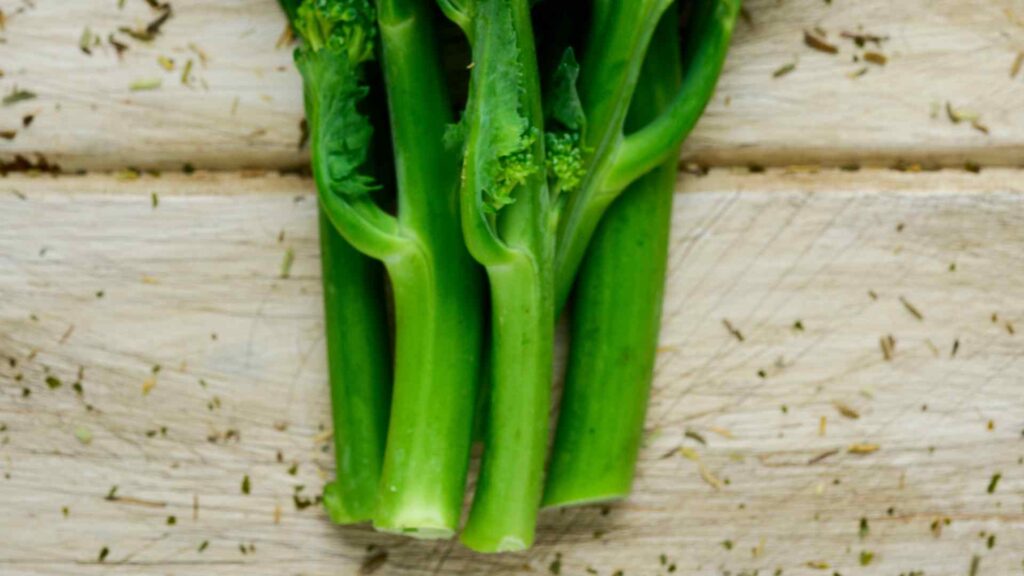
The stem is edible, but shape changes safety
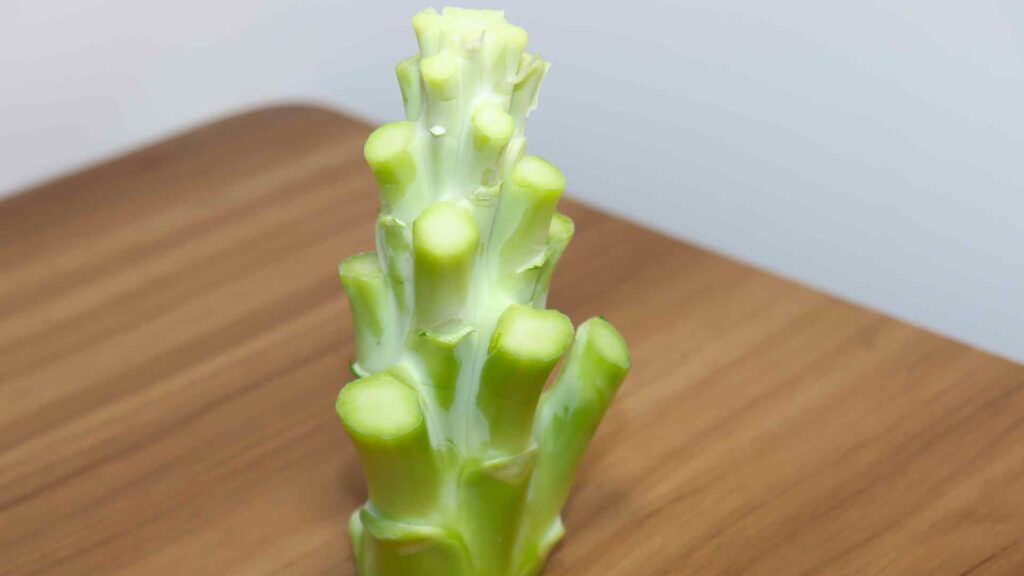
Broccoli stems are the firm central stalk below the florets. They are not a canine toxin in ordinary food portions, yet their dense, fibrous texture makes preparation more important than nutritional salesmanship.
A whole stalk can be gulped, wedged across the mouth, or broken into a chunk too large for the esophagus. Thick coin-shaped slices can also act like plugs, especially for small dogs, flat-faced dogs, seniors, puppies, or habitual gulpers.
Cooking until fork-tender and cutting across the fibers into small irregular pieces usually makes chewing easier. The correct piece is one the individual dog can swallow comfortably, not a rigid measurement borrowed from a breed-size chart.
Raw stem is not automatically forbidden, but it should be peeled if very woody and cut much smaller than a human crudité stick. Supervise the entire snack and remove leftovers before the dog tries to swallow a long strip.
Broccoli can still upset the stomach
Broccoli contains fermentable fiber and plant compounds that may lead to gas, loose stool, vomiting, or abdominal discomfort in some dogs. Tolerance varies, so introduce only one small plain piece rather than serving a bowl.
The claim that broccoli becomes toxic at exactly 25 percent of a dog’s diet is not a useful home rule and should not guide feeding. A dog eating that much unbalanced vegetable already has a major diet-displacement problem before a neat percentage can predict symptoms.
Stop offering it if the dog develops repeated gas, diarrhea, vomiting, appetite loss, or discomfort. Persistent, bloody, painful, or severe signs need veterinary assessment rather than another fiber-rich food.
Broccoli is not a constipation treatment, diarrhea remedy, detox, immune booster, or weight-loss prescription. Dogs with gastrointestinal disease should follow the diet chosen by their veterinarian instead of adding roughage experimentally.
How to prepare a plain stem
- Wash the broccoli under running water and remove damaged, slimy, moldy, or heavily woody portions.
- Trim leaves and the dry base, then peel the tough outer layer if the stalk is mature and stringy.
- Steam or boil without salt until fork-tender, or use a finely cut raw piece only for a dog that chews reliably.
- Cool completely and cut into small irregular bites appropriate to the dog’s mouth, teeth, and swallowing style.
- Offer one piece under supervision, then refrigerate the rest promptly or discard it safely.
The FDA’s produce-cleaning guidance recommends washing produce under running water and avoiding soap or commercial produce wash. Washing reduces surface dirt and microbes, but it does not rescue spoiled broccoli.
Keep the preparation genuinely plain. Oil, butter, cheese sauce, salt, pepper, garlic, onion, chile, bacon, gravy, and creamy dips add risks without making the stem safer to swallow.
Microwave carefully because dense pieces can develop hot spots. Test the center after cooling, and never hand a steaming stalk to a dog waiting underneath the counter.

Frozen stems are not cooling toys
A frozen chunk is harder than the same vegetable after thawing and may crack a damaged tooth or be swallowed before softening. Large icy rounds can also create choking risk, so freezing is not a safety shortcut.
If cooked broccoli was frozen for storage, thaw it fully and inspect the texture before cutting. Discard pieces with freezer-burned sharp edges, off odors, slime, or mold.
Do not use frozen stems as teething aids for puppies. Ask a veterinarian for an age-appropriate chew that matches the puppy’s size, chewing style, and dental health.
Seasoned broccoli changes the answer
Restaurant broccoli may carry far more butter, oil, salt, and seasoning than its plain appearance suggests. Casseroles and stir-fries commonly include garlic, onion, soy sauce, cheese, cream, cured meat, hot pepper, or sweet sauce.
Garlic and onion-family ingredients can damage canine red blood cells, including concentrated powders. Salty sauce can matter after a large theft, while a high-fat cheese or cream sauce can trigger gastrointestinal trouble or pancreatitis in a susceptible dog.
Our salt guide covers concentrated exposures, and the soy sauce guide explains why a lick differs from an emptied dipping bowl. Report the whole recipe instead of saying the dog ate a vegetable.
Broccoli-cheese bakes may also leave foil, plastic film, skewers, toothpicks, or absorbent pads within reach. Foreign material can become the most urgent part of the incident.
Choking and obstruction warning signs
A choking dog may gag, paw at the mouth, drool heavily, stretch the neck, make little sound, struggle to breathe, or develop blue-gray gums. This is an emergency, and you should contact an emergency veterinary hospital while following trained first-aid instructions.
Do not blindly sweep fingers into the mouth or pull at material you cannot clearly grasp without pushing it deeper. A frightened dog may bite, and a wedged stem may need veterinary removal.
A swallowed chunk can cause later obstruction signs such as repeated vomiting, refusal of food, abdominal pain, lethargy, straining, or reduced stool. Do not wait for a visible piece to pass if those signs develop.
Long strings or fibrous plant material protruding from the rectum should not be pulled. Contact a veterinarian because traction can injure tissue if material is anchored farther inside.
Portion and diet displacement
Broccoli stem is an extra, not a balanced meal component. The UC Davis treat guidelines advise that at least 90 percent of daily calories come from a complete and balanced diet formulated for the dog.
The current WSAVA guide to dog treats likewise limits treats to no more than 10 percent of daily calories. That ceiling includes every training treat, chew, table scrap, topper, and vegetable combined.
Calories are not the only reason to stay modest. A bowlful of stem supplies fiber and bulk while displacing protein, fats, minerals, and vitamins that a complete diet balances in the correct relationships.
Dogs on kidney, cardiac, gastrointestinal, urinary, allergy, or weight-management diets need specific advice before adding produce. A low-calorie food can still disrupt a therapeutic plan or trigger signs in a sensitive dog.
Dogs who need extra caution
Puppies, toy breeds, seniors, flat-faced dogs, dogs with missing or painful teeth, and dogs that inhale food need softer and smaller pieces or a different reward. Prior choking, esophageal disease, swallowing dysfunction, or gastrointestinal surgery should prompt a veterinary conversation first.
Dogs with active vomiting, diarrhea, pancreatitis, inflammatory bowel disease, or recent abdominal surgery should not be given broccoli as a home remedy. Follow the treating clinician’s feeding plan during recovery.
Food-allergic dogs on an elimination trial should receive only approved foods. Broccoli may be uncommon as an allergen, but any unplanned ingredient can make the trial harder to interpret.
What to do after an accidental serving
For one small plain piece in a comfortable dog, observation may be reasonable. Keep normal water available and watch swallowing, breathing, appetite, energy, vomiting, stool, gas, and abdominal comfort.
Call promptly if a large or whole stem disappeared, the dog gulped without chewing, frozen pieces were swallowed, dangerous seasoning or packaging was involved, or the dog has a relevant medical history. Bring the recipe or product label and estimate the amount and time.
Seek emergency care for breathing difficulty, blue-gray gums, collapse, repeated unproductive retching, repeated vomiting, severe abdominal pain, or inability to keep water down. Do not induce vomiting after a possible obstruction unless a veterinarian specifically directs it.
Broccoli stem versus florets and leaves
Florets are softer when cooked but can crumble into pieces that still need sensible sizing. Stems are denser and more fibrous, so they deserve more cutting even if the total portion is the same.
Ordinary broccoli leaves from the identified vegetable can be treated like another edible plant part in a small plain serving, but garden identification matters. Do not assume every brassica-like leaf or weed is broccoli.
Our raw broccoli guide covers the entire vegetable and corrects exaggerated toxicity claims. The practical rule is small, plain, and supervised rather than an imaginary medicinal dose.
Better reward habits
Use pieces of the dog’s regular kibble when possible because those calories already belong to the diet. A few safely cut pieces of plain carrot may suit some dogs, but whole carrots and frozen chunks can also choke.
Do not market the crunch as tooth brushing. Broccoli does not replace brushing, veterinary dental assessment, or a product accepted for evidence-based dental benefit.
Do not rely on water content as hydration therapy. Fresh water should remain the dog’s normal hydration source, and dehydration from illness needs veterinary guidance.
Frequently asked questions
Can dogs eat raw broccoli stems?
Some healthy dogs can manage a very small, thin, plain raw piece, but woody stems are harder to chew. Cooking until tender is the easier choice for many dogs.
Should I peel the stem?
Peel a mature stem when the outer layer is stringy or tough. Peeling does not replace cutting, cooling, supervision, or portion control.
Can broccoli stems clean teeth?
No reliable dental benefit justifies using a hard stalk as a toothbrush. Hard or frozen pieces can damage vulnerable teeth, and home dental care should follow veterinary advice.
My dog swallowed a whole stalk. What now?
Call a veterinarian with the dog’s size, stalk size, time, symptoms, and whether seasoning or packaging was involved. Difficulty breathing, collapse, repeated vomiting, or severe pain needs emergency care.
The bottom line
A few tiny plain broccoli-stem pieces can be acceptable for many healthy dogs, especially when cooked tender and cut across the fibers. Whole stalks, tough rounds, frozen chunks, rich seasonings, and large servings create avoidable risk.
Skip unsupported detox, dental, vitamin, hydration, and weight-loss promises. Prepare for the individual dog, count every extra within the treat allowance, and stop immediately if chewing, swallowing, or digestive comfort changes.