Can Dogs Eat Broccoli? Safe Prep, Portions, and Stomach Risks
Yes, dogs can eat small amounts of plain broccoli, raw or cooked, when florets and stems are cut into pieces the dog can chew, every seasoning is skipped, and the new food is introduced slowly. Broccoli is an optional treat, not a vitamin supplement, cancer preventive, or digestive treatment.
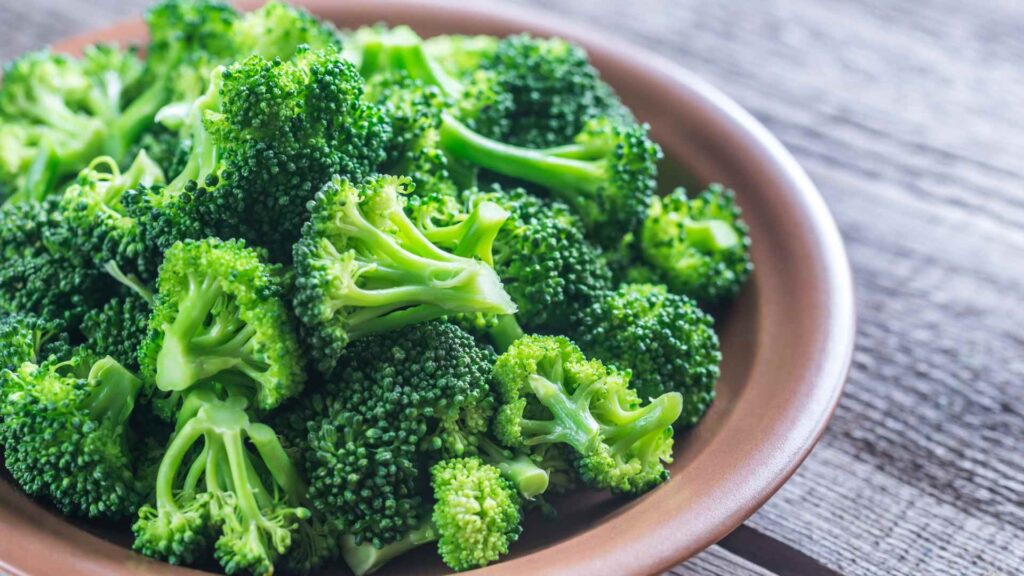
The broccoli answer in one bowl
The safest version is fresh, washed broccoli served plain in a modest amount. Steaming can soften tough pieces, but cooking does not give permission to add butter, oil, salt, cheese sauce, onion, or garlic.
Broccoli is not classed as a poisonous vegetable in normal treat-size portions. Its two practical problems are physical choking or obstruction from badly sized pieces and gastrointestinal irritation when a dog eats more than it tolerates.
- Wash the broccoli under running water before cutting.
- Trim away wilted, slimy, moldy, or spoiled areas.
- Dice florets and stems for the individual dog.
- Offer one small piece the first time.
- Stop if vomiting, diarrhea, painful gas, or marked discomfort appears.
Why the florets can irritate a dog’s stomach
Broccoli florets contain isothiocyanates, plant compounds that can irritate the gastrointestinal tract in some dogs. The American Kennel Club’s veterinary guidance recommends very small quantities and emphasizes that individual tolerance varies.
This is a portion and tolerance issue, not a reason to describe every broccoli nibble as poisoning. A couple of properly sized pieces may cause no trouble, while a larger raid can produce gas, abdominal discomfort, vomiting, or diarrhea.
Do not rely on a percentage quoted online as a challenge to feed right up to a boundary. The 10 percent treat rule is a calorie ceiling for all extras, not a guaranteed broccoli dose and not proof that a particular stomach will be comfortable.
Dogs with chronic gastrointestinal disease, previous pancreatitis, food sensitivities, or prescription diets need more individualized advice. A veterinarian may prefer no broccoli at all during a diagnostic food trial or digestive flare.
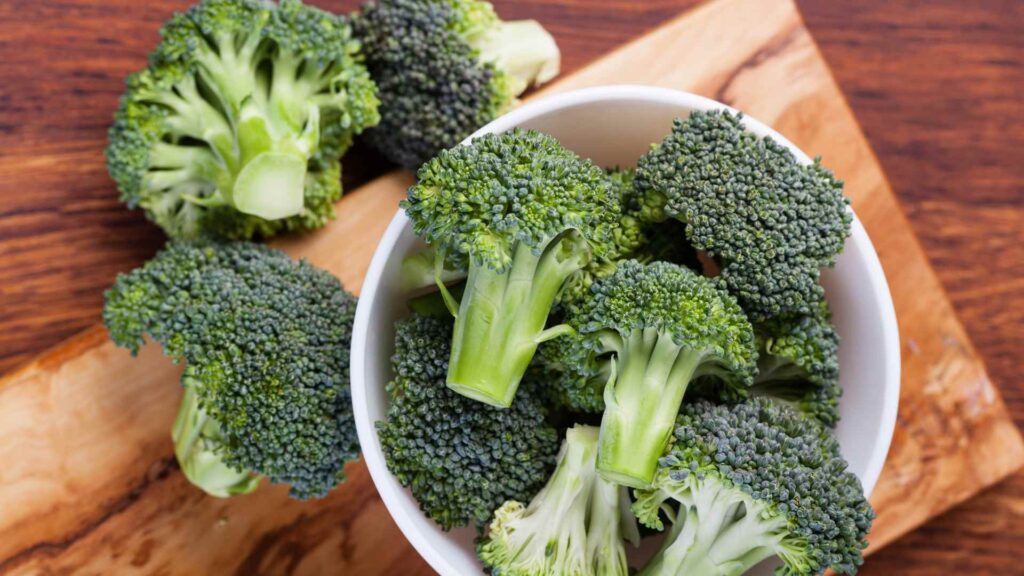
Florets, stems, and the choking question
Both florets and stems can be offered, but neither should be handed over in a large chunk. Dense stalks are tougher than the crown and may be especially awkward for a toy breed, puppy, senior with dental disease, or dog that gulps.
The same AKC guidance notes that broccoli stalks can create an esophageal-obstruction risk, particularly in small dogs. Cutting across the stem into soft, tiny pieces is safer than letting a dog gnaw a long stalk like a chew toy.
A floret can also be bulky and springy enough to lodge in a small throat. Separate the crown into small buds, then supervise instead of tossing whole florets for the dog to catch.
Choking looks urgent because it is urgent. Trouble breathing, blue or pale gums, frantic pawing at the mouth, collapse, or inability to move air requires immediate emergency action and transport.
A swallowed piece can cause trouble farther down even if breathing stays normal. Repeated vomiting, a painful or swollen abdomen, refusal of food, severe lethargy, or inability to keep water down warrants prompt veterinary evaluation.
Raw or cooked: which is better?
A healthy dog may eat a tiny amount of either raw or cooked broccoli, but texture decides which is easier. Raw broccoli is crisp and fibrous, while plain steaming or boiling softens it for dogs with delicate teeth or cautious chewing skills.
Cooking does not neutralize every digestive effect, so a softened mountain of broccoli is still a mountain. Start small regardless of preparation and avoid turning cooking time into an unsupported safety formula.
Let cooked broccoli cool before serving, and keep hot pans or steam out of reach. Refrigerate leftovers promptly and discard food that smells sour, looks slimy, or has spent too long at room temperature.
Frozen broccoli should be thawed or cooked before it reaches a dog that gulps. A rock-hard frozen stem can be a tooth or choking hazard even though the ingredient itself is plain.
Bagged florets and pre-cut vegetable trays still need inspection for spoilage, and they may be packaged beside dips or seasoned foods. Serve from a clean portion before people add sauce, and keep absorbent pads, plastic film, skewers, and bags away from the dog.
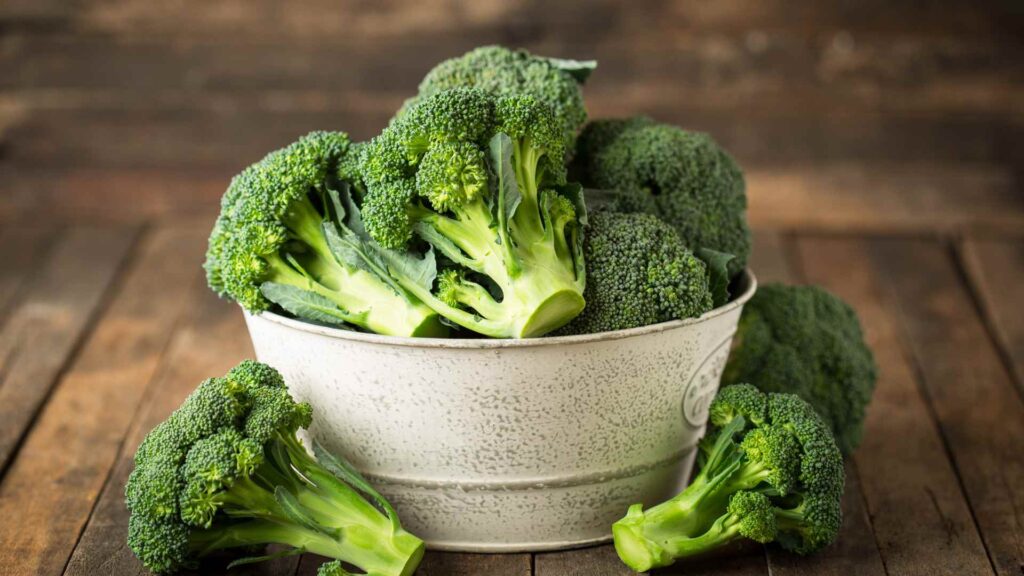
A simple preparation method
- Choose firm green broccoli without mold or an unpleasant odor.
- Rinse it under running water, including between the florets.
- Cut off any woody end and slice the remaining stem very small.
- Separate the crown into pieces sized below an easy swallow.
- Serve raw or steam in plain water, then cool completely.
The FDA recommends rinsing produce under running water and advises against soap, detergent, or commercial produce wash. Clean hands, knives, bowls, and cutting boards also belong in the routine.
Plain means exactly that. The dog does not need a drizzle, sprinkle, glaze, dip, or heroic dusting of “healthy” seasoning.
Seasoned broccoli is a different food
Garlic and onion are unsafe for dogs, including concentrated powders commonly used on roasted vegetables. Our cabbage guide covers similar cruciferous-vegetable preparation issues, but seasoning labels must be checked every time.
Butter, cheese sauce, bacon, and frying add fat, salt, and calories. A stolen bite of ordinary buttered broccoli is not automatically a toxic emergency, yet it can be a poor choice for a dog with pancreatitis, heart disease, kidney disease, or a sensitive stomach.
Casseroles may hide onion soup mix, garlic, cream, salty broth, breadcrumbs, and processed cheese. Do not rinse off a casserole floret and assume the ingredients have disappeared.
Takeout broccoli can be coated in sauce containing garlic, onion, high sodium, or other unfamiliar ingredients. If your dog raids a dish, save the menu or ingredient list so a veterinarian can assess the whole recipe.
How much broccoli makes sense?
There is no honest one-size serving table for broccoli. Begin with one tiny piece and consider body size, the dog’s complete diet, health conditions, and every other treat already eaten that day.
The WSAVA treat guide recommends keeping treats below 10 percent of daily calories. That allowance includes dental chews, training rewards, table bites, and vegetables together.
A small dog may need only a pea-size taste, while a large dog can manage a few small pieces if tolerance is good. Stop well before the serving resembles a human side dish.
If weight loss is the goal, do not add broccoli on top of the existing diet and call it a strategy. Ask the veterinarian to calculate calories and choose a balanced plan, then account for every reward within it.

What broccoli cannot do
Broccoli contains nutrients, but tiny occasional servings do not deliver a predictable medical dose. It cannot prevent cancer, “detox” the liver, strengthen immunity on command, or repair a nutritionally incomplete homemade diet.
Fiber does not make broccoli a universal constipation or diarrhea remedy. Straining, blood, vomiting, a painful belly, repeated loose stool, or failure to pass stool deserves veterinary advice rather than an escalating pile of vegetables.
The FDA explains complete and balanced pet-food labeling, which is where the serious nutrition work belongs. Broccoli can add novelty, but it should not displace balanced meals.
A dog that dislikes broccoli is not missing a wellness secret. Use part of the measured regular food as a reward or choose another veterinarian-approved treat.
What if my dog ate too much broccoli?
Remove access and determine whether the food was plain, seasoned, raw, cooked, or still attached to packaging. Estimate the amount, note the time, and save labels or recipes for the veterinary call.
For a modest amount of plain broccoli in a dog acting normally, a veterinarian may recommend monitoring for gastrointestinal upset. Keep fresh water available and avoid adding more treats while you watch.
Call promptly for repeated vomiting or diarrhea, blood, severe lethargy, facial swelling, breathing difficulty, marked abdominal pain, or a swollen belly. Mention any onion, garlic, xylitol, packaging, skewers, or other non-broccoli material that may also be missing.
Do not induce vomiting or give hydrogen peroxide, oil, salt, human medicine, or antidiarrheal drugs without direct veterinary instruction. The correct response depends on the ingredients, timing, symptoms, and dog.

Broccoli questions, answered plainly
Can puppies eat broccoli?
A weaned puppy may taste one tiny, soft, plain piece if the veterinarian has no concerns. Puppy food must support growth, so broccoli should remain a minor extra and never replace a meaningful amount of the meal.
Can dogs eat broccoli leaves?
Small washed leaf pieces are not generally treated as a separate toxin, but they are fibrous and unnecessary. If you share any, chop them finely and use the same modest-portion rules.
Is broccoli better than green beans or asparagus?
There is no vegetable trophy a dog needs to win. Our guides to green beans and asparagus explain their different texture and product risks.
Can broccoli cause gas?
Yes, some dogs become gassy after cruciferous vegetables, especially with a large or unfamiliar portion. Stop serving it if discomfort follows, and seek veterinary advice for bloating, unproductive retching, restlessness, or a suddenly swollen abdomen.
The bottom line
Plain broccoli can be a small, occasional treat when it is washed, cut for safe swallowing, and served without seasoning. Keep portions modest, respect stomach feedback, and let complete dog food handle the nutrition that actually matters.