Can Dogs Eat Candy Canes? Xylitol, Chocolate, and Choking Risks
One small piece of ordinary candy canes candy is unlikely to poison a healthy dog, but it is still hard sugar candy, not a useful treat. The exact label, amount, filling, sweetener, chocolate, dog size, symptoms, and missing wrappers determine the response.
Read the package before deciding
- One small piece of an ordinary peppermint candy cane: usually monitor for choking or stomach upset.
- Zero sugar or sugar-free product: read every sweetener and call immediately if xylitol appears.
- Chocolate, filled, sour, or mixed candy: assess the complete ingredient list.
- Several candy canes or an open bulk box: call for a small dog, symptoms, or uncertain amount.
- Wrappers, clips, bag pieces, or display hooks missing: report the foreign-object exposure.
Save the bag and record the exact product name, flavor, sweeteners, amount missing, time, dog weight, conditions, medications, prescribed diet, symptoms, and packaging. A standard peppermint cane, filled cane, zero-sugar product, chocolate-coated cane, and seasonal assortment can use very different formulas.
Ordinary peppermint candy canes are mainly a sugar-candy problem
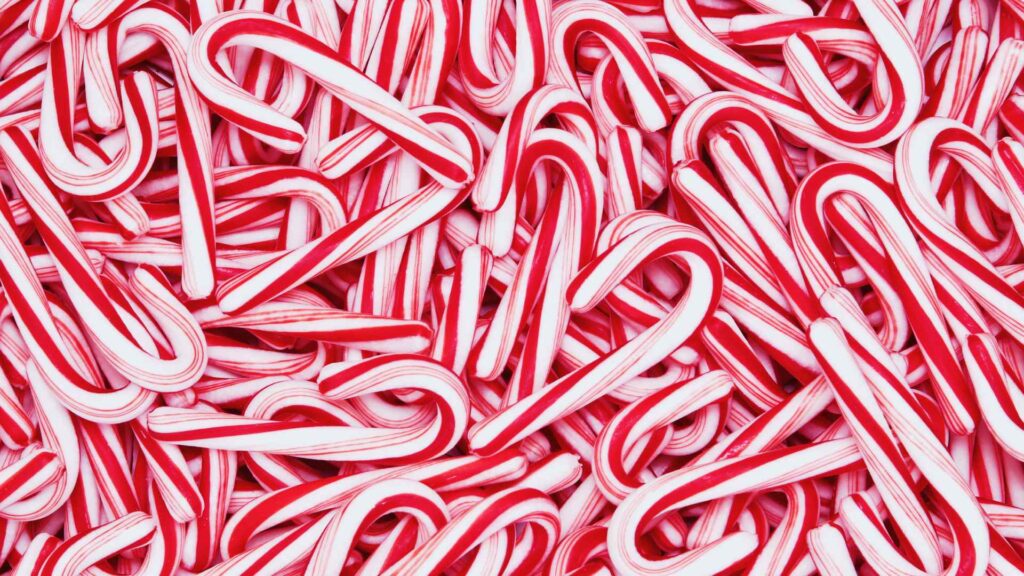
Traditional candy canes are usually hard candy made from sugar or corn syrup, peppermint flavor, and color. One small piece is more likely to cause no sign or mild stomach upset than a toxin syndrome, provided it contains no xylitol or chocolate.
A whole box can deliver a large sugar load and many hard pieces, which raises vomiting, diarrhea, choking, tooth injury, and wrapper concerns. Dogs with diabetes, obesity, digestive disease, or a prescription diet deserve earlier advice.
A red-and-white appearance does not prove a standard formula because sour, fruit, filled, chocolate, organic, handmade, imported, and novelty canes vary. Save the exact label and do not rely on holiday colors.
Sugar-free requires an exact xylitol check
Sugar-free does not automatically mean xylitol, but it always requires reading every sweetener on the package in hand. If xylitol, birch sugar, or wood sugar appears, call a veterinarian, emergency clinic, or animal poison service immediately.
The FDA xylitol warning explains that dogs can develop dangerous low blood sugar and liver injury. Do not wait for vomiting, weakness, staggering, collapse, tremors, or seizures.
Other sugar alcohols can cause gas or diarrhea but are not automatically handled as xylitol. Report the exact sweetener names, order on the label, candy weight, pieces missing, dog weight, time, and symptoms.
Our Twizzlers guide shows why “zero sugar” marketing never substitutes for the current ingredient panel. The same label-first rule applies to mints, gum, gummies, and candy canes.
Peppermint flavor is not peppermint essential oil
The small amount of food flavor in an ordinary candy cane is different from a bottle of peppermint essential oil, concentrated extract, diffuser liquid, or topical product. Concentration and route matter far more than the shared scent.
The Merck Veterinary Manual essential-oil review explains that concentrated oils can be absorbed through the mouth, skin, lungs, and mucous membranes. Drooling, vomiting, weakness, abnormal walking, tremors, breathing signs, or skin irritation after concentrated exposure needs prompt advice.
Do not apply peppermint oil to a dog’s gums, coat, collar, bedding, food, or water for breath, fleas, nausea, pain, or congestion. Prevent licking after a spill, move away from fumes, save the product, and call for cleaning instructions.

Chocolate and filled products need a second calculation
Chocolate-coated, cocoa, mocha, or filled candy canes require the type and amount of chocolate. The Merck Veterinary Manual chocolate review explains that theobromine and caffeine concentrations vary, with cocoa powder and darker products generally creating greater concern.
Filled candy canes can add sweetened fruit paste, sour acids, glycerin, extra oils, or other candy pieces. A mixed holiday candy bowl can also contain gum, raisins, macadamias, coffee candy, or medications that matter more than the candy canes.
Our pumpkin-pie guide also explains holiday xylitol and chocolate checks, while our raisin guide explains why any grape or raisin exposure gets prompt professional contact. Inventory the entire candy bowl instead of assuming the visible red pieces were all that disappeared.
Hard shards can choke, cut, or break teeth
A hard candy cane can fold into a jagged mouthful when gulped, especially in a puppy or small dog. Dental disease, swallowing trouble, excitement, and eating through a wrapper can further increase choking risk.
Breathing trouble, blue or gray gums, continuous gagging, frantic pawing at the mouth, or collapse is an emergency. Do not push candy deeper with a blind finger sweep.
Repeated vomiting, belly pain, refusal to eat, straining, or inability to keep water down can indicate obstruction, particularly when multiple canes or wrappers are missing. Do not induce vomiting when a bulky hard candy pieces or packaging may be present unless a veterinary professional directs it.
Sugar and calories are the long-term issue
Regular candy contributes calories without making a complete dog food more balanced. Frequent extras can promote weight gain and crowd out nutrients from the measured diet, even when each individual piece seems small.
The World Small Animal Veterinary Association treat guide recommends keeping treats at no more than 10 percent of daily calories. Candy can use that allowance quickly without offering a training advantage over a piece of the dog’s own food.
Sugar does not reliably make dogs hyperactive, and a candy raid should not be blamed for every later behavior change. Restlessness may reflect discomfort, choking, a co-ingredient, or an unrelated medical problem.
Candy canes should not be promoted as low-fat dog treats because low fat does not mean appropriate nutrition. Calories, hard texture, sweeteners, dental stickiness, and label variability still matter.
Dental stickiness is not a minor detail
Hard or sticky candy can lodge around teeth, under the gumline, or against dental appliances, but one piece does not instantly cause decay. Repeated exposure and poor dental hygiene are the meaningful pattern.
Do not use human toothpaste, mouthwash, or sugar-free gum to clean a dog’s mouth because those products may contain xylitol. Offer normal water and resume the established veterinary dental routine once choking risk has passed.
A broken tooth, mouth bleeding, persistent pawing, drooling, or refusal to eat deserves examination. Do not pull forcefully on candy stuck around a loose tooth or foreign material.
Wrappers can become the emergency
Plastic film, individual wrappers, resealable bags, cardboard, clips, twist ties, and display hooks can choke, cut, or obstruct. Count every wrapper and inspect the trash, floor, furniture, and dog’s mouth without putting fingers near a panicked bite.
A flexible snack bag can also seal around a dog’s nose and mouth and cause suffocation. Store candy inside a rigid lidded container behind a closed door, not in a bowl or tote on the floor.
If packaging is missing, report its material, dimensions, sharp edges, and whether it contained an oxygen absorber or other packet. Do not wait for a wrapper to appear in stool before seeking advice for symptoms.
Estimate the amount without pretending certainty
Count intact pieces and compare the remaining bag weight with the labeled net weight when practical. Include candy that may have been shared, dropped, hidden under furniture, or eaten by another dog.
If the bag was already open, report a minimum and maximum plausible amount rather than inventing an exact count. A poison specialist can work with a range, the dog’s weight, the product label, and current signs.
For filled or chocolate-coated pieces, note whether the dog ate only one end or the entire candy because the center may contain different ingredients. Photograph the cross-section and ingredient panel before discarding leftovers.
Monitor a low-risk exposure with the dog’s usual meals and activity unless the veterinarian advises differently. Repeated vomiting, persistent diarrhea, belly pain, marked lethargy, or refusal to eat warrants a call even when the original label looked ordinary.
Hard shards can also cut the tongue or gums, especially when a dog crunches several pieces quickly.
What to do after a candy raid
Secure the remaining candy, photograph front and back labels, and estimate the maximum number of pieces and wrappers missing. Check every nearby candy for xylitol, chocolate, raisins, macadamias, caffeine, alcohol, and medication look-alikes.
Call promptly for xylitol, meaningful chocolate, urgent co-toxins, a large or uncertain amount, packaging, choking, a medically vulnerable dog, or symptoms. For one small piece of ordinary peppermint candy cane in a healthy dog, label review and monitoring are usually proportionate.
Do not give peroxide, salt, oil, milk, charcoal, insulin, or human stomach medicine unless a veterinary professional specifically directs it. Keep normal water available and follow product-specific instructions.
A better reward is simpler
Use part of the dog’s measured complete food or a veterinary-approved training treat instead of candy. A small dog-appropriate food reward described in our apple-skin guide may suit some healthy dogs, but cores, seeds, medical diets, and calories still matter.
Prevent repeat raids by storing candy immediately after shopping and giving visitors one clear rule about feeding. During holidays, separate candy sorting from the dog and empty wrappers into a lidded bin.
Bottom line
One ordinary candy canes piece is usually a monitoring question, not a poisoning crisis, but hard holiday candy has no routine role in a dog’s diet. Verify sweeteners, fillings, chocolate, co-candies, amount, sticky choking risk, medical restrictions, and every missing wrapper.