Can Dogs Eat Cherries? Pits, Flesh, and Safe Handling
Dogs can eat a little plain cherry flesh, but whole cherries are a poor treat choice. The pit, stem, and leaves contain cyanogenic compounds, while the pit can also choke a dog or obstruct the digestive tract; if you share any, remove every non-flesh part and cut the flesh small.
The useful answer in one glance
A small piece of fresh, washed, fully pitted cherry flesh is not considered toxic to most healthy adult dogs. Cherries are still less convenient than fruits without a hard stone because one missed pit changes the situation.
- Plain ripe flesh, with pit and stem removed: a tiny occasional taste may be reasonable.
- Whole cherry or loose pit: choking and gastrointestinal obstruction are the immediate physical concerns.
- Chewed or crushed pits, stems, or leaves: call a veterinarian or animal poison control promptly for a case-specific cyanide risk assessment.
- Maraschino, pie filling, syrup, dried, candied, chocolate-covered, or cocktail cherries: check the full ingredient list and avoid sharing.
- Sugar-free cherry products: look immediately for xylitol, also called birch sugar or wood sugar.
If you want an easier fruit, our guides to apples and peaches explain their own seeds, cores, and pits. Different fruit does not mean no preparation is required.
Why the pit matters in two different ways
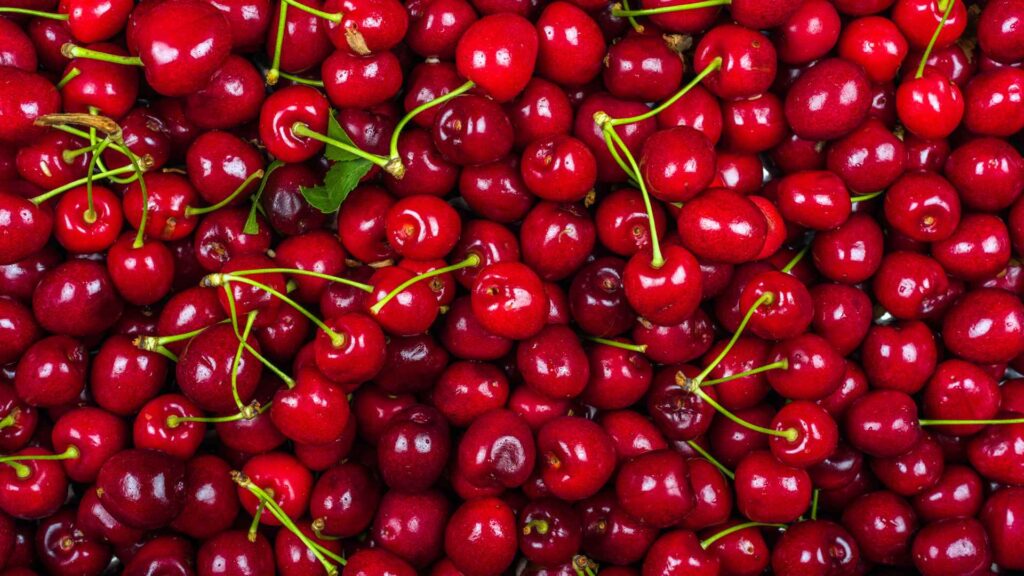
Cherry pits are hard, smooth objects that a dog may gulp without chewing. They can lodge in the throat or farther down the gastrointestinal tract, especially in a small dog or when several pits disappear together.
The FDA guide to potentially dangerous pet items notes that swallowed food objects can obstruct the esophagus, stomach, or intestines. A pit that passes through one large dog safely is not proof that every pit will pass.
The cyanide concern needs proportion
Cherry plants are in the Prunus group, and the ASPCA cherry entry identifies cyanogenic glycosides in stems, leaves, and seeds. The plant entry lists difficulty breathing, dilated pupils, panting, shock, and unusually bright red mucous membranes among serious signs.
Cyanogenic compounds can release hydrogen cyanide when plant material is damaged and metabolized. A crushed or chewed pit creates a different exposure from one intact pit swallowed whole, but neither situation should be judged by guesswork if the amount or condition is uncertain.
The Merck Veterinary Manual review of cyanide poisoning describes rapid, severe illness after a toxic exposure and includes Prunus plants among possible sources. It does not support declaring that one intact cherry pit automatically poisons every dog.
What to do if your dog ate a whole cherry
- Remove the remaining fruit, pits, stems, leaves, bowl, bag, skewer, and packaging from reach.
- Estimate how many cherries are missing and whether pits look intact, cracked, crushed, or chewed.
- Record the dog’s weight, the time of the incident, symptoms, and any medical conditions.
- Call your veterinarian or animal poison control promptly if pits were chewed, several cherries were eaten, plant material was swallowed, the dog is small, or the amount is unknown.
- Go to emergency care for breathing difficulty, collapse, seizures, severe weakness, blue or unusually bright red gums, or active choking.
Do not make the dog vomit unless a veterinary professional specifically instructs you after assessing the case. A hard pit can create additional trouble on the way back up, and home remedies can delay effective care.
If a veterinarian recommends observation after one intact pit, follow the exact monitoring window provided. Repeated vomiting, refusal of food, abdominal pain, marked lethargy, straining, or reduced stool can signal an obstruction and needs a prompt recheck.
How to prepare cherry flesh with the least fuss
- Choose fresh, ripe cherries without mold, fermentation, leakage, or damaged pits.
- Wash the fruit under running water and remove the stem.
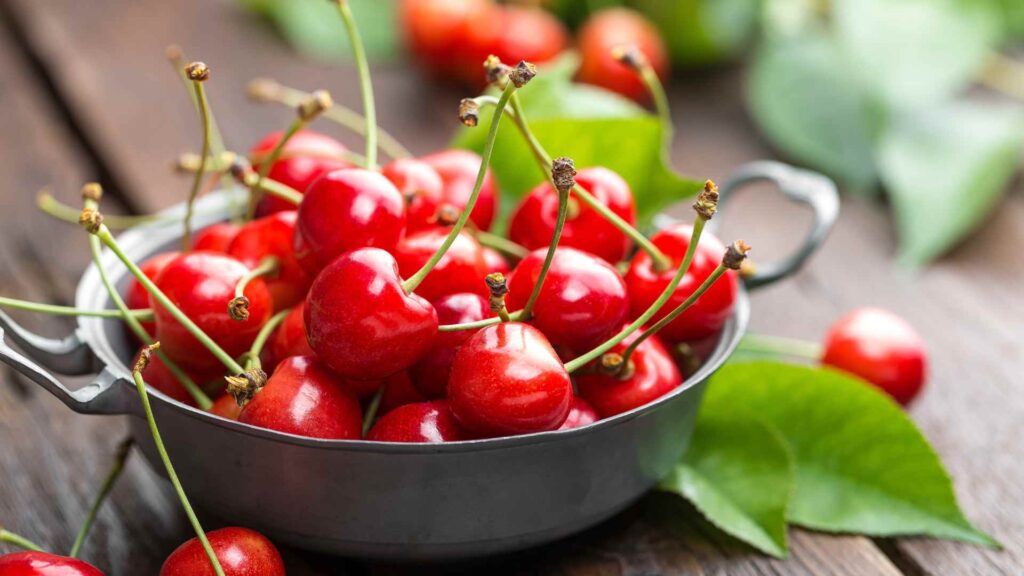
- Open each cherry, remove the entire pit, and inspect both halves rather than trusting a quick squeeze.
- Cut the flesh into pieces appropriate for the dog’s mouth and swallowing style.
- Offer one tiny piece, then store the rest and discard pits where the dog cannot raid them.
A mechanical cherry pitter is handy, but it is not perfect. Check every piece with your eyes and fingers because a missed stone can hide in soft flesh.
Skip cherries for dogs that inhale treats, have difficulty swallowing, or have a history of gastrointestinal obstruction. A soft commercial dog treat may be a much better fit for those dogs.
Fresh flesh still contains sugar and calories
Removing the pit solves the major cherry-specific hazards, but it does not turn fruit into unlimited food. Cherries contribute natural sugar, fiber, and calories that can cause loose stool when a dog gets too much.
The UC Davis veterinary treat guideline recommends that treats and other extras remain below 10 percent of daily calories, leaving at least 90 percent for a complete and balanced diet. That limit includes training rewards, chews, table scraps, and medication foods, not just fruit.
Dogs with diabetes, obesity, a therapeutic diet, or a sensitive gastrointestinal tract need individual advice before new treats. Cherry flesh is not a treatment for constipation, inflammation, sleep problems, arthritis, or any other condition.
Processed cherries bring a new ingredient list
Maraschino cherries
Maraschino cherries are commonly sweetened and preserved, so they add sugar without solving any nutritional need. Some are pitted, but pitted does not mean useful, low-calorie, or suitable for a dog with dietary restrictions.
Pie filling, jam, syrup, and preserves
These products may contain concentrated sugar, thickeners, spices, or sweeteners, and they are easy to overeat. Sugar-free versions deserve special attention because xylitol can cause a dangerous insulin release and low blood sugar in dogs.
The FDA xylitol warning advises immediate veterinary or poison-control contact after a suspected exposure. Do not wait for weakness, staggering, collapse, or seizures before making the call.
Dried and candied cherries
Drying shrinks fruit and concentrates its sugar and calories into a smaller bite. Dried-fruit mixes may also contain raisins, which require urgent veterinary advice because grape and raisin toxicity is unpredictable.
A bag labeled mixed fruit needs an ingredient-by-ingredient check, and our grape and raisin safety guide explains why waiting for symptoms is the wrong move. Keep the package and lot information for the veterinarian.
Chocolate-covered and cocktail cherries
Chocolate introduces methylxanthine toxicity, while cocktail cherries may be soaked in alcohol or served in an alcoholic drink. Both exposures require more information than the word cherry provides.
Use our chocolate guide to gather the product type, cocoa percentage, amount, dog’s weight, and time, then contact a veterinary professional. Alcohol exposure, abnormal behavior, weakness, vomiting, breathing changes, or collapse also warrants urgent care.
Stems, leaves, branches, and backyard trees
Do not let a dog chew cherry twigs, leaves, pruning debris, or windfall fruit. Wilting or damaged plant material can be especially concerning, and fallen fruit also ferments, molds, attracts wildlife, and hides pits in grass.
Fence off the drop zone during fruiting season and collect fallen cherries before the dog goes outside. Compost bins and yard-waste bags should be secured because they can concentrate exactly the material you meant to remove.
Ornamental cherry species and cherry laurel should not be treated as snack plants just because their names sound familiar. Photograph the plant and retain a sample safely if a veterinarian or poison expert asks for identification.
Which dogs deserve extra caution
- Small dogs and puppies, because one pit is large relative to the airway and intestinal diameter.
- Dogs that gulp food, steal from counters, or swallow toys and other foreign objects.
- Dogs with prior obstruction, gastrointestinal surgery, swallowing disorders, or chronic vomiting.
- Dogs with diabetes, obesity, pancreatitis, or a prescribed therapeutic diet.
- Dogs already ill or taking medication that could complicate vomiting, sedation, or appetite changes.
Age and size do not make cherry plant material safe, but they change how a veterinarian interprets a physical hazard and the consequences of lost calories or fluid. When calling, give the dog’s actual weight rather than only the breed.
Frequently asked questions
Can dogs eat pitted cherries?
A tiny piece of plain, fresh, fully pitted flesh may be tolerated by many healthy adult dogs. Inspect it carefully, cut it small, and keep it within the treat budget.
Will one cherry pit kill a dog?
One swallowed intact pit does not guarantee cyanide poisoning, but it can choke or obstruct, and chewed pits change the toxicology concern. Call for case-specific advice instead of relying on a universal prediction.
Can dogs eat black cherries, sweet cherries, or sour cherries?
The same preparation rule applies: no pit, stem, leaves, syrup, alcohol, or unsafe coating. Sourness does not neutralize the stone or make a larger portion appropriate.
Can dogs drink cherry juice?
Cherry juice is concentrated, easy to overfeed, and may contain added sweeteners or other fruits. Water is the appropriate routine drink unless a veterinarian directs otherwise.
Are cherries good for a dog’s sleep or joints?
Do not use cherries as melatonin therapy, an anti-inflammatory treatment, or a joint supplement. A veterinary plan should address pain, mobility changes, or sleep disruption rather than borrowing human-food marketing.
The bottom line
A little carefully prepared cherry flesh is not the main danger; the pit, stem, leaves, and processed ingredients are. Because safer treats demand less inspection, cherries are reasonable to skip entirely.
After an accident, identify the exact form, amount, time, and whether pits were chewed, then call when risk is uncertain. Fast breathing changes, collapse, seizures, active choking, or obstruction signs belong in emergency care.