Can Dogs Have Lime? Fruit, Peel, Essential Oil, and Products
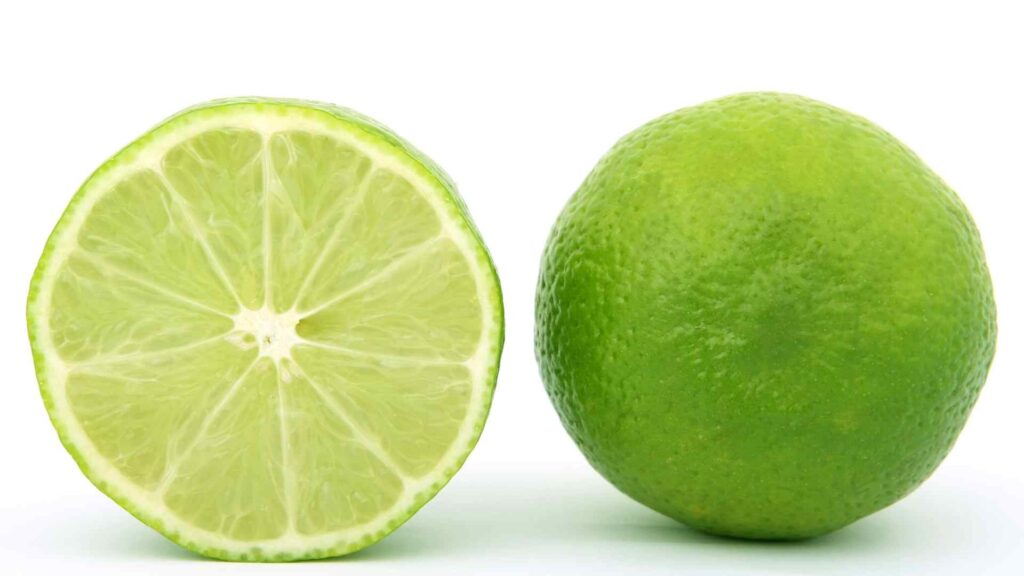
Dogs should not be intentionally fed lime, especially the peel, leaves, plant material, or essential oil. One lick of lime flesh or diluted juice usually causes no more than possible mouth or stomach irritation, while chewing peel or a plant and contacting concentrated oil deserve more caution.

The part and concentration change the answer
Lime flesh is acidic and unappealing to many dogs, but it is not equivalent to essential oil pressed or distilled into a concentrated product. Peel, zest, leaves, stems, and oil contain more aromatic plant chemicals than one drop of juice.
The ASPCA lime entry identifies essential oils and psoralens as toxic principles, while noting that fruit is edible and skins and plant material can cause problems. Its listed signs include vomiting, diarrhea, depression, and possible dermatitis.
That wording supports a proportionate conclusion: do not serve lime, but do not declare one lick of fruit juice identical to drinking oil. Exposure route, concentration, amount, dog size, and symptoms matter.
Flesh and juice
A tiny lick of plain lime flesh or juice may prompt drooling, lip licking, or a sour-faced retreat. Larger amounts can irritate the mouth and stomach, causing vomiting, diarrhea, or reduced appetite.
Acidity can be uncomfortable for dogs with chronic gastrointestinal disease, oral ulcers, or reflux-like signs. Lime juice should not be added to water, meals, or homemade remedies.
Seeds are not a useful snack and should be removed, though one accidentally swallowed seed is generally more of a physical nuisance than the defining lime hazard. Whole wedges can include peel and create a gulping risk.
Peel, zest, leaves, and stems
Peel and zest are rich in aromatic oils and are tough to digest. A swallowed strip can cause irritation and, if large relative to the dog, may contribute to gastrointestinal obstruction.
Leaves and stems belong to the plant-material warning and should not be chewed. Keep indoor citrus trees, fallen fruit, pruning scraps, fertilizers, and pest-control products inaccessible.
Wash hands after zesting before handling dog treats, and wipe up peel oil from counters. Normal kitchen trace contact is not a reason for panic, but deliberate rubbing of zest on fur is unnecessary exposure.
Essential oil is the high-concentration category
Lime essential oil should never be put in a dog’s mouth, food, water, coat, collar, bedding, or homemade flea mixture. “Natural” describes its origin, not its safety at a concentrated dose.
The Merck Veterinary Manual’s essential-oil guidance explains that oils can be absorbed through the digestive tract, skin, lungs, and mucous membranes. Higher concentration increases risk, and signs can include vomiting, drooling, lethargy, incoordination, respiratory trouble, tremors, or seizures.
Oil spilled on fur becomes an oral exposure when the dog grooms. Move the dog away from the source, prevent licking, ventilate after inhalation exposure, and call for product-specific decontamination advice.
Do not induce vomiting after essential-oil ingestion because aspiration can worsen injury. Bring the bottle, concentration, ingredient list, amount, route, and time to the veterinary team.
Lime is not flea or tick medicine
Citrus oils and d-limonene appear in some insect-control products, but species, formulation, concentration, route, and label directions determine safety. Kitchen juice and essential oil are not interchangeable with a regulated veterinary product.
The Merck pet-owner insecticide guide notes that oral d-limonene exposure causes vomiting in dogs. Do not invent a homemade dose for fleas, and ask the veterinarian for proven prevention appropriate to the dog.
Applying acidic juice to irritated skin, bites, paws, or hot spots can sting and delay diagnosis. Rinse accidental contact as directed and seek care for persistent redness, pain, blistering, or self-trauma.
Sunlight and psoralens
Psoralens are plant compounds associated with phototoxic reactions under the right exposure conditions. The practical pet precaution is to avoid applying lime or plant extracts to skin, especially before sunlight exposure.
A dog walking past a lime on the counter is not experiencing phototoxicity. Direct sap, peel, juice, or oil on skin plus redness after sun exposure is a reason to wash as advised and contact a veterinarian.
Key lime pie is mostly a dessert problem
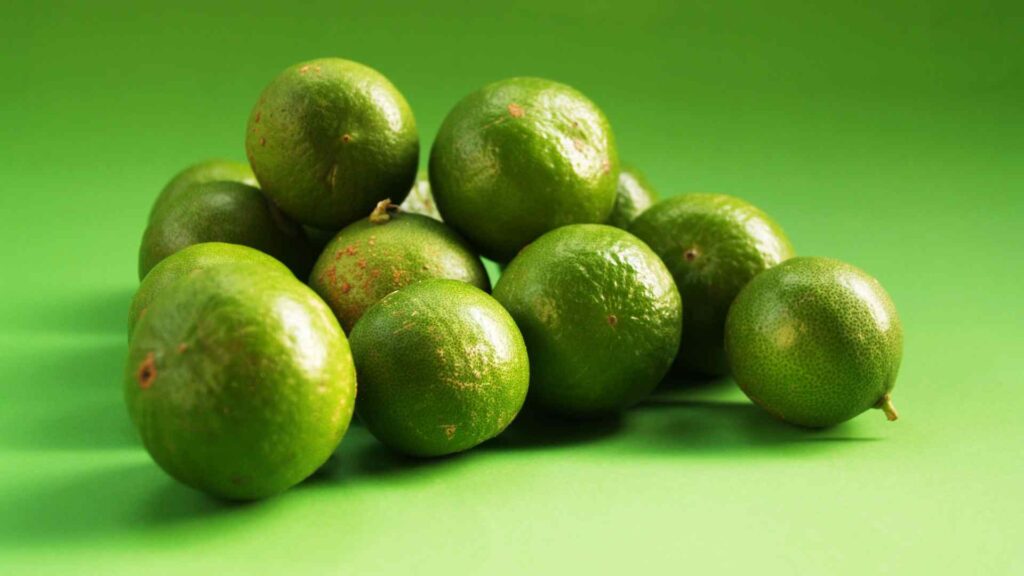
Key lime pie combines acidic juice with sugar, sweetened condensed milk, eggs, butter, and crust. It may cause gastrointestinal upset and delivers considerable fat and calories, even when no ingredient reaches a classic toxic dose.
Sugar-free pie or whipped topping needs a xylitol or birch sugar check. Chocolate crust, macadamia garnish, alcohol, and swallowed foil or plastic can change the emergency.
One lick of ordinary filling is generally a monitoring event for a healthy dog, while a missing slice or whole pie deserves a recipe-based call. Dogs with pancreatitis, diabetes, or dairy intolerance need extra caution.
Cocktails, soda, candy, and cleaners
Margaritas and other cocktails introduce alcohol, which is a separate and potentially serious hazard. Mixers can add salt, sugar, caffeine, grapes, sweeteners, or cannabis products.
Lime soda, sparkling water, candy, gummies, and drink powders need label review. The word “lime” may describe flavoring with little fruit, while the actual risks come from xylitol, caffeine, chocolate, sugar, or packaging.
Citrus cleaners and degreasers are chemical products, not food exposures. Keep the container and contact poison or veterinary professionals after ingestion, eye contact, respiratory signs, or a substantial skin spill.
Lime does not provide needed vitamin C
Healthy dogs synthesize vitamin C and receive necessary nutrients from complete food. Lime does not boost immunity, detoxify the body, alkalize urine, prevent infection, or replace prescribed treatment.
Juice also does not treat dehydration. A dog refusing water, repeatedly vomiting, acting weak, or showing heat-illness signs needs assessment rather than citrus in the bowl.
Lime, lemon, and orange are not perfect twins
Citrus fruits share acidity and aromatic oils, but sweetness, peel thickness, products, and serving habits differ. The orange guide explains why a tiny peeled orange segment is treated differently from lime peel or oil.
The lemon guide covers another sour citrus, while coconut is botanically unrelated despite appearing beside lime in recipes. Check coconut forms separately for fat, shell, milk, water, and oil distinctions.
What to do after a lime exposure
After one lick of plain flesh or diluted juice, remove access, offer normal water, and monitor for drooling, vomiting, diarrhea, mouth discomfort, or reduced appetite. Do not neutralize acid with baking soda or another home remedy.
After peel, several wedges, leaves, plant material, a whole fruit, or a substantial juice amount, call with the dog’s weight, amount, time, symptoms, and product. Watch for repeated vomiting, abdominal pain, appetite loss, lethargy, or inability to keep water down.
After essential oil, cleaner, concentrated extract, or a skin spill, contact a veterinarian or animal poison service promptly. Do not induce vomiting, and do not apply another oil or solvent to the coat.
Seek emergency care for breathing trouble, severe weakness, collapse, marked incoordination, tremors, seizures, persistent vomiting, or altered awareness. For cocktails, save the recipe and check alcohol plus grapes or raisins using the grape guide.
Zest, dried lime, and candied products
Zest is concentrated colored peel, so use it under the peel guidance rather than treating tiny shreds as juice. Dried lime and lime powder can concentrate peel components and may be used with salt or spices.
Candied peel combines the part dogs should avoid with a heavy sugar coating. Marmalade, curd, syrup, and preserves may add peel, sugar, butter, eggs, sweetener, or alcohol.
A lick of ordinary lime-flavored food is generally evaluated by its actual recipe, not by the intensity of its green color. Artificial flavor does not prove safety, and natural flavor does not prove toxicity.
Diffusers, candles, and room sprays
Passive fragrance and aerosolized oil are different exposures, but either can irritate a dog with respiratory disease. Active diffusers can deposit microdroplets on fur, creating dermal and later oral exposure during grooming.
Keep the dog out of the room while using a diffuser, prevent access to the device, ventilate afterward, and stop use if coughing, wheezing, watery eyes, drooling, nausea, or breathing changes occur. Birds and cats in the household can be even more sensitive.
A knocked-over diffuser is a concentrated liquid spill, not merely a bad smell. Prevent licking and call with the full ingredient list, because blends often contain several oils.
Eye and skin exposure
Juice in the eye can sting, while peel oil or essential oil can irritate skin and mucous membranes. Prevent rubbing, begin gentle flushing with lukewarm water when safe, and call for product-specific instructions.
Do not use another essential oil, alcohol, vinegar, or household solvent to remove citrus oil. Persistent squinting, eye redness, blistering, marked pain, or widespread skin irritation needs examination.
Dogs with less margin for experimentation
Puppies, toy breeds, seniors, and dogs with liver, kidney, respiratory, neurologic, skin, or chronic digestive disease deserve earlier advice after concentrated exposure. Prescription diets and medication plans also make random citrus products a poor addition.
A dog that dislikes sour fruit is showing excellent snack judgment. There is no training, nutritional, or medical reason to teach it to accept lime.
The bottom line
Do not intentionally feed lime or apply it to a dog. One lick of flesh or diluted juice is usually far less concerning than peel, plant material, concentrated essential oil, cleaner, or an alcohol-containing product.
Keep the parts and products separate, monitor minor fruit exposure, and call promptly after oil or significant plant ingestion. Lime offers no needed vitamin C, hydration therapy, or homemade flea control benefit worth the irritation and exposure risk.