Can Dogs Have Matcha? Caffeine, Powder, Lattes, and Triage
Dogs should not be given matcha because it contains caffeine, and powder or concentrate can deliver a meaningful amount quickly. A tiny lick of a diluted latte differs from a spoonful of powder, but both require the product, amount, dog weight, time, symptoms, and co-ingredients to decide the next step.
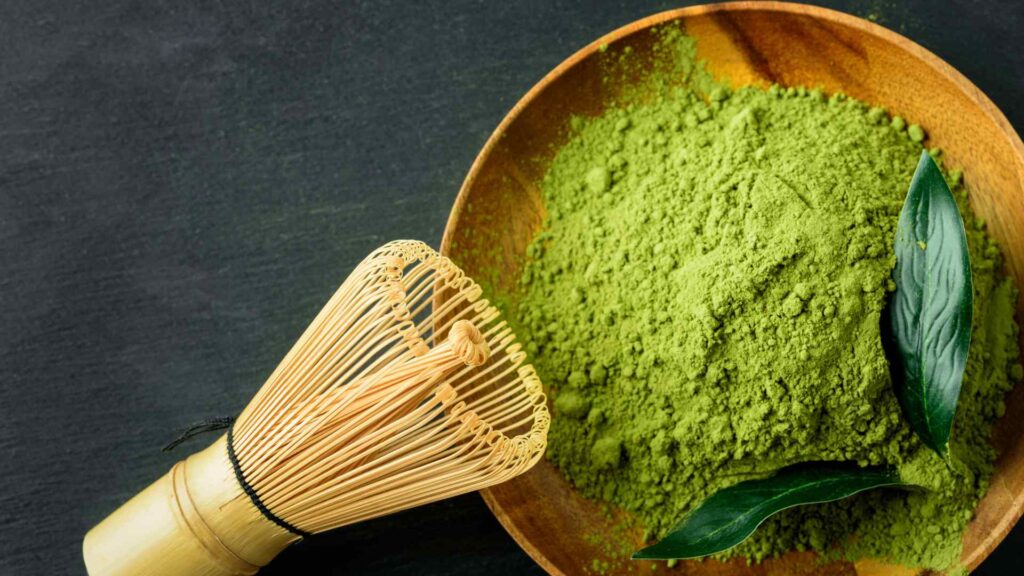
Matcha is powdered tea leaf
Matcha is made by grinding specially grown green tea leaves into a fine powder, so the leaf is consumed rather than removed after steeping. Brand, grade, scoop size, recipe, and preparation all affect caffeine exposure.
Ceremonial, culinary, organic, stone-ground, and premium labels do not mean caffeine-free. Decaffeinated also does not always mean zero caffeine.
FDA lists caffeine-containing drinks such as tea among potentially dangerous items for pets. Matcha belongs in that caffeine conversation.
Caffeine is the urgent concern
Caffeine stimulates the nervous and cardiovascular systems. Dogs can develop restlessness, panting, vomiting, rapid heartbeat, abnormal rhythms, tremors, seizures, high body temperature, weakness, or collapse.
Merck explains that caffeine is a methylxanthine and that individual susceptibility varies in its methylxanthine toxicology discussion. Do not use a one-size internet dose table to clear a powder exposure.
Signs can progress, and a comfortable dog may still need early treatment based on the calculated exposure. Call a veterinarian or animal poison service promptly after powder, concentrate, supplement, or an uncertain amount.
Powder makes amount difficult to estimate
Fine matcha can spread across a counter, carpet, muzzle, paws, and fur. A dog may ingest more while grooming after the visible pile is gone.
Do not sweep first and lose the ability to estimate the spill. Photograph it beside the scoop, save the package, separate the dog, and prevent grooming until a professional advises cleanup.
Avoid blowing powder or using compressed air because that can aerosolize it. Keep the dog away while carefully containing the spill.
Tea bags, leaves, and ready-to-drink bottles
Matcha powder differs from brewed green tea, loose leaves, tea bags, and bottled tea, but all can contribute caffeine. Do not estimate one product from another product’s label.
A torn tea bag adds paper, string, tag, staples, and wet leaves. Report missing bag parts as possible foreign material.
Bottled matcha drinks may include juice, sweeteners, milk, gums, preservatives, or added stimulants. Save the cap and label, and note how much liquid remains.
Serving size is easy to misunderstand
A café scoop, household teaspoon, single-serve sachet, and supplement scoop can hold different amounts. Powder density and a heaped scoop make visual estimates even less reliable.
Report what tool was used rather than translating it into a dose yourself. A poison professional can combine product information with the dog’s weight.
If the package states caffeine only per prepared serving, explain how the drink was mixed and how much powder went into the batch. Do not assume the dog drank a standard serving.
Special-risk dogs deserve a lower threshold
A small dog can receive more caffeine per pound from the same spill than a large dog. Puppies and frail seniors also have less room for error during vomiting, overheating, or agitation.
Dogs with heart rhythm disease, seizures, high blood pressure, kidney disease, or stimulant-sensitive medication need rapid case-specific advice. Do not adjust prescribed medicine on your own.
Pregnant or nursing dogs should not be offered matcha. A human prenatal wellness claim does not establish reproductive safety in dogs.
Symptoms can look like excitement at first
Early restlessness, pacing, panting, or inability to settle may be mistaken for excitement after a counter raid. Check the kitchen before assuming the behavior is harmless.
Repeated vomiting, marked agitation, a racing or irregular heartbeat, tremors, overheating, weakness, or collapse warrants emergency care. Video can help the veterinary team understand abnormal movement without delaying departure.
Do not encourage running to burn off energy. Exercise adds heat and cardiovascular demand to a stimulant exposure.
Matcha desserts need recipe reconstruction
Cake, mochi, macarons, cheesecake, tiramisu, doughnuts, and cookies may contain matcha plus chocolate, coffee, alcohol, dairy, raw dough, nuts, or sweeteners. Ask the baker for the ingredient list.
The ice cream guide covers lactose, fat, sugar, and dangerous flavors in frozen products. Frozen temperature does not neutralize caffeine.
Mochi and chewy candy can be swallowed in a sticky wad. Choking or foreign-body concerns remain separate from stimulant toxicity.
Kitchen cleanup protects people too
Keep the dog out of the room while wiping powder with a damp disposable towel. Wash hands, utensils, counters, and any food-contact surface after the exposure is documented.
A vacuum may spread fine powder or contaminate the machine, depending on the spill. Follow product and appliance instructions after the dog is safely separated.
Store matcha and supplements in closed original containers behind a door. Decorative tins and zip pouches are not dog-proof when left on a low shelf.
Prevention at cafés and gatherings
Place cups in the center of a high table and clear them before a dog can nose through leftovers. Lids slow spills but do not make drinks secure.
Tell guests that green desserts and drinks may contain caffeine. One person allowing a lick can be followed by several others who do not know the dog was already exposed.
Keep handbags and gym bags off the floor because they may contain matcha sachets, energy powders, chocolate, gum, or xylitol mints. A bag raid is rarely one-product simple.
Monitoring applies only after case-specific advice
A professional may advise home observation for a truly tiny, well-characterized exposure in a comfortable dog. That decision should use the actual product and amount, not a general statement that green tea is healthy.
Write down the time and watch the dog continuously for the period advised. Seek care sooner if any symptom begins or the exposure estimate changes.
Do not offer extra food to dilute caffeine unless instructed. Food can complicate decontamination choices and does not cancel absorbed stimulant.
Lattes bring more than tea
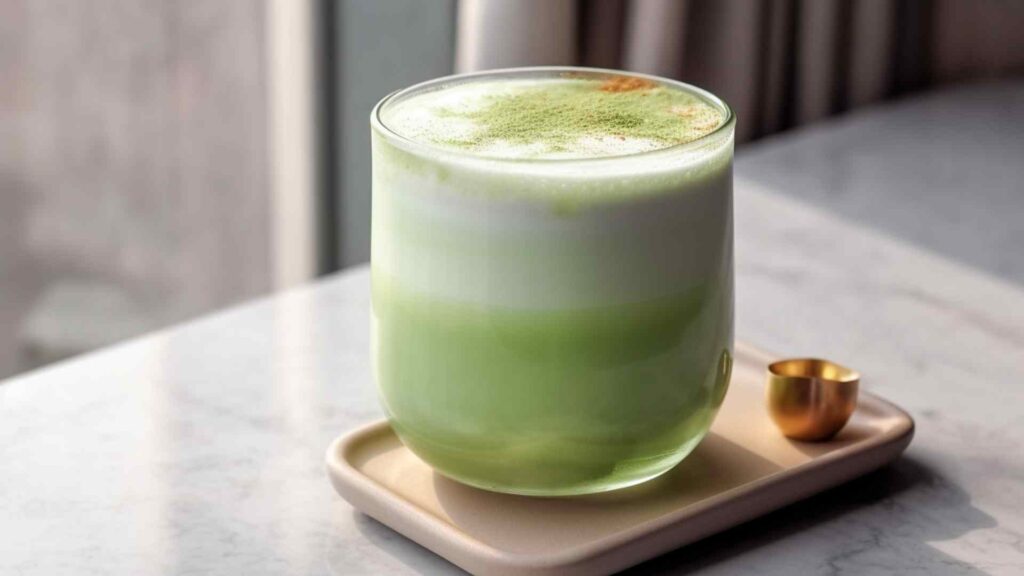
A matcha latte may add cow’s milk, plant beverage, cream, sweetened condensed milk, syrup, vanilla, whipped topping, or boba. Lactose, fat, sugar, sodium, and choking pieces change the symptom picture.
The vanilla yogurt guide explains why dairy, sugar, and sweetener labels matter in flavored products. A splash of milk does not neutralize caffeine.
Sugar-free syrups, powders, and whipped toppings require a xylitol check. Xylitol is a separate emergency because it can cause rapid hypoglycemia and sometimes liver injury in dogs.
Chocolate matcha products stack hazards
Matcha brownies, cookies, truffles, bars, and ice cream may contain cocoa, chocolate chips, coffee, alcohol, macadamias, or xylitol. Evaluate every stimulant and toxic ingredient together.
Use the chocolate guide to collect cocoa type and amount, but call with the whole matcha product rather than calculating chocolate alone.
A green coating does not prove the absence of chocolate because white chocolate or cocoa butter may be used beneath matcha flavoring. Keep the wrapper.
Supplements and energy products are concentrated
Matcha capsules, extracts, pre-workout powders, energy gummies, fat burners, and focus blends can add caffeine from multiple sources. Guarana, coffee extract, yerba mate, and added caffeine may appear together.
A front label that says natural energy does not establish a canine-safe amount. Report the serving size, caffeine declaration, full ingredient list, missing units, and package count.
Do not give matcha for antioxidants, immunity, weight loss, cancer prevention, focus, or inflammation. Human marketing claims do not create a canine treatment plan.
Hot drinks and café hardware
A hot latte can burn the mouth before caffeine becomes the only concern. Broken ceramic, glass, metal straws, plastic lids, wooden stirrers, and tea whisks create injury or obstruction risks.
Boba pearls, jelly cubes, and ice can be gulped. A café raid requires a count of drink, toppings, cup parts, napkins, and sweetener packets.
What to do after matcha exposure
- Remove access and identify powder, prepared tea, latte, chocolate product, supplement, energy blend, spill on fur, or container.
- Photograph the label and spill; record caffeine per serving if stated, amount missing, time, dog weight, symptoms, conditions, and medications.
- List chocolate, coffee, guarana, xylitol, alcohol, dairy, fat, boba, supplements, and missing packaging or utensils.
- Call a veterinarian or animal poison service promptly for powder, concentrate, supplement, significant drink, unknown amount, or any symptoms.
- Do not induce vomiting or give milk, oil, salt, charcoal, sedatives, heart medicine, or home remedies unless the treating professional directs it.
Keep the dog quiet and away from exercise while arranging advice because excitement can make a stimulant picture harder to manage. Do not force water into a nauseated or neurologically abnormal dog.
What information makes the call useful
Bring the package, recipe, receipt, or café menu when possible. Matcha amount alone is not enough if the drink also contains espresso or a supplement powder.
State whether powder remains on fur or paws and what cleanup has occurred. Mention heart disease, seizure history, kidney disease, pregnancy, age, and current medication.
Frequently asked questions
Can dogs have decaf matcha?
Do not offer it. Decaffeinated products can retain caffeine, formulations vary, and the dog gains no necessary benefit.
What if my dog licked a drop of matcha latte?
Save the recipe and monitor while you contact a professional if caffeine amount is uncertain or the dog is small, symptomatic, or medically fragile. One diluted drop is not equivalent to powder, but ingredients still matter.
Can matcha help a dog’s health?
No. It is not an antioxidant treatment, supplement, or weight-management tool for dogs.
The bottom line
Keep matcha powder, drinks, desserts, and supplements away from dogs. Caffeine concentration and co-ingredients make deliberate feeding a poor trade.
After exposure, fast label-based advice is more useful than a generic safe-dose table. Symptoms, powder, concentrates, supplements, and uncertain amounts deserve prompt attention.