Can Dogs Eat Paprika? Powder, Spice Blends, and Risks
A tiny amount of ordinary sweet paprika baked into food is unlikely to poison a dog, but paprika should not be offered as a supplement or seasoning. Larger powder exposures can irritate the eyes, nose, lungs, mouth, and stomach, while hot paprika, blends, extracts, and oils require more caution.
The quick answer
If a healthy dog licked a crumb containing a light dusting of sweet paprika and acts normal, remove the food and observe. Call after a spoonful, powder-cloud inhalation, eye exposure, hot paprika, concentrated extract or oil, a seasoned blend, symptoms, or swallowed packaging.
Sweet, smoked, and hot paprika
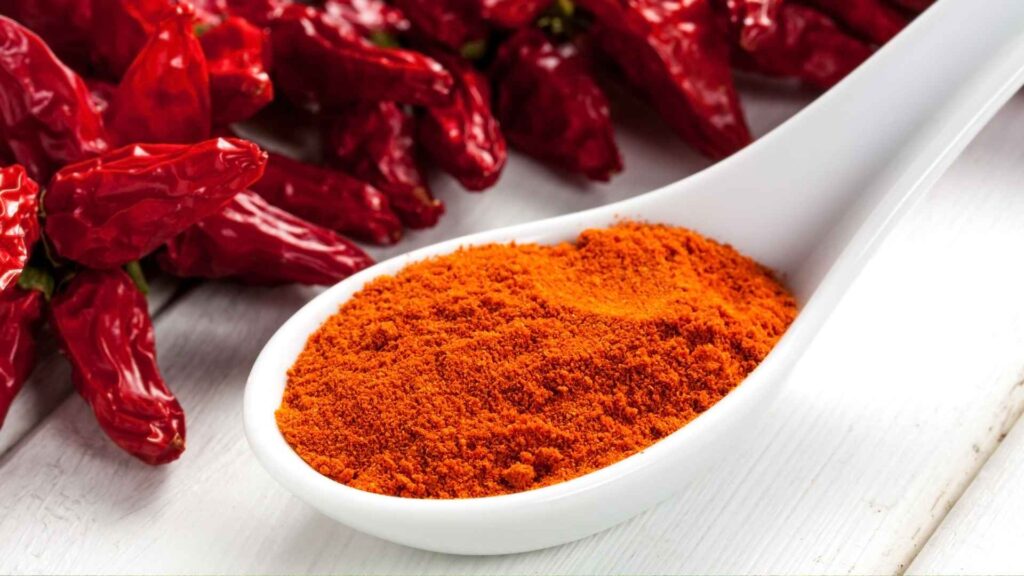
Paprika is made from ground Capsicum peppers, but products range from mild and sweet to hot. Smoked paprika adds smoke flavor, while hot paprika can contain more pungent capsaicinoids and cause greater burning or gastrointestinal irritation.
Do not use color to judge heat because bright red powder may be mild or intense. The label, country of origin, blend, and recipe provide better information.
Food-level exposure is usually modest
A pinch dispersed through a large cooked dish is different from a dog licking powder from the floor or chewing the jar. It is inaccurate to call every paprika crumb toxic, yet deliberate feeding offers no nutritional or medical advantage.
The finished dish may contain much more concerning ingredients than paprika. Onion, garlic, salt, butter, fatty meat, chili, and sugar-free sauce deserve their own review.
Powder inhalation
Fine spice can aerosolize when a jar spills or a dog noses into a bag. It may cause sneezing, coughing, gagging, watery eyes, nasal irritation, or breathing difficulty.
Move the dog to fresh air without creating another dust cloud and avoid forcing food or water during respiratory distress. Persistent coughing, wheezing, labored breathing, blue or gray gums, or collapse is an emergency.
Eye exposure
Paprika in the eye can cause pain, redness, tearing, squinting, and rubbing. Gently flush with lukewarm water or sterile saline while arranging veterinary advice, provided the dog can be handled safely.
The Merck Veterinary Manual recommends copious eye irrigation after irritant exposures. Continued squinting, cloudiness, discharge, or reluctance to open the eye needs prompt examination.
Hot paprika and capsaicin
Capsaicin activates pain and heat-sensing pathways rather than providing a useful “metabolism boost” for dogs. Hot powder can cause intense mouth discomfort, drooling, vomiting, diarrhea, restlessness, and respiratory irritation if inhaled.
Do not neutralize it with oil, salt, or another spice. Call for a meaningful hot-paprika exposure or persistent signs, and follow the veterinarian’s instructions about rinsing or feeding.
Seasoning blends
Paprika may appear in taco seasoning, barbecue rub, Cajun spice, chili powder, sausage seasoning, and seasoned salt. These blends can contain onion powder, garlic powder, high sodium, pepper, sugar, or anti-caking agents.
The ASPCA explains that onion and garlic can damage canine red blood cells depending on dose. Keep the ingredient panel even when the first ingredient is paprika.
Our garlic guide, salt guide, and cumin guide help unpack common blend ingredients.
Extracts, oleoresin, and essential oil
Paprika extract or oleoresin is more concentrated than a culinary dusting, and an essential-oil product can have an entirely different composition. Do not apply concentrated pepper products to a dog’s skin, coat, collar, or food.
The Merck Veterinary Manual describes oral, skin, and inhalation hazards from concentrated essential oils. Call promptly after ingestion or a large spill and bring the label.
What stomach upset looks like
Paprika and the surrounding food may cause drooling, lip licking, nausea, vomiting, diarrhea, gas, or reduced appetite. A brief mild sign after a tiny known taste differs from repeated vomiting, severe pain, weakness, tremors, or inability to keep water down.
Do not use paprika to treat constipation, digestion, weight, circulation, pain, or parasites. A food pigment and laboratory observations do not establish a safe canine therapy.
Containers and pantry accidents
Glass jars can break and cut the mouth or paws, while plastic lids, shaker inserts, freshness seals, and bags can be swallowed. Check every container component after a raid.
Repeated vomiting, abdominal pain, straining, inability to keep water down, or marked lethargy after packaging ingestion needs urgent care. Do not pull visible plastic or string from the rectum.
What to do now
- Move the dog away from powder and secure the container.
- Identify sweet, smoked, or hot paprika and every ingredient in a blend.
- For eye contact, gently flush with lukewarm water or saline.
- Record amount, time, dog’s weight, conditions, medicines, and symptoms.
- Call for concentrated exposure, inhalation, persistent eye pain, serious symptoms, or missing packaging.
Do not induce vomiting or give milk, oil, salt, mustard, or medicine without veterinary direction. The route of exposure matters as much as the amount.
Paprika on common foods
Paprika often appears on deviled eggs, roasted potatoes, chicken, chips, fries, sausage, hummus, sauces, and snack coatings. The surrounding fat, salt, garlic, onion, dairy, or meat may matter more than the small spice amount.
If the dog stole a finished dish, save the recipe and estimate the portion. Asking only about paprika can miss the ingredient that actually changes triage.
Paprika versus bell pepper
Ground paprika comes from dried peppers, while a piece of fresh bell pepper has a different concentration, texture, and ingredient profile. Our bell pepper guide covers plain flesh and choking preparation separately.
Do not assume a spice powder provides the same portion or tolerance as a vegetable slice. Drying and grinding create a fine, concentrated material that is easier to inhale and spread into eyes.
Paprika versus chili powder
In some cuisines, “paprika” means a mild single spice, while chili powder may be a blend containing cumin, garlic, onion, oregano, salt, and hotter peppers. Labels and recipes are essential because names are not standardized across every kitchen.
If a dog licks an unknown red powder, keep a sample and photograph the container. Do not sniff closely or taste an unidentified spill to determine heat.
Skin and paw exposure
Powder trapped between toes or in skin folds can cause licking, redness, and irritation. Rinse gently with lukewarm water, prevent grooming during cleanup, and call for persistent pain or a concentrated extract.
Do not scrub aggressively or apply vinegar, alcohol, essential oil, or another spice. Combining irritants can worsen tissue injury and confuse the clinical picture.
Dogs with extra vulnerability
Flat-faced dogs, dogs with airway disease, and dogs already coughing may tolerate airborne powder poorly. Eye disease, dry-eye conditions, and facial folds can also complicate decontamination.
Dogs with chronic gastrointestinal disease, pancreatitis, heart disease, kidney disease, or prescription diets may be more affected by the seasoned food than the paprika. Call with the entire meal and medical history.
Why supplements and colorants need labels
Paprika may appear as a color additive in small amounts, while capsules and extracts can be far more concentrated. A product marketed for human circulation, metabolism, or antioxidants should not be transferred to a dog without veterinary review.
Capsules may also contain black pepper extract, caffeine, vitamins, herbs, or xylitol-containing chewable material. Keep the supplement facts panel and count what remains.
Cleaning a spice spill safely
Remove pets from the room before sweeping or wiping so paws and noses do not spread the powder. Damp wiping usually creates less airborne dust than vigorous dry brushing.
Ventilate the area without blowing powder toward the dog, food, bedding, or people. Wash contaminated bowls and toys before returning them.
Monitoring a tiny exposure
After a known small food-level taste, watch for drooling, vomiting, diarrhea, coughing, squinting, reduced appetite, and unusual discomfort. Most dogs who remain bright and comfortable need no special diet change.
Call if symptoms persist, breathing changes, the eye remains painful, or the dog becomes weak or trembly. Symptoms outweigh reassuring assumptions about a red dusting.
Kitchen amounts versus supplement amounts
A recipe pinch is spread across many servings, while a capsule or measuring spoon can deliver a concentrated exposure at once. This difference explains why food-level reassurance cannot be transferred to extracts or supplements.
Never create a dose from human supplement directions. Dogs vary in size, disease, medications, and tolerance, and no general paprika requirement exists.
Food aspiration and vomiting
A dog that vomits after a spicy meal can inhale stomach contents, particularly when sleepy, weak, flat-faced, or neurologically impaired. Coughing, fast breathing, fever, or lethargy after vomiting deserves prompt evaluation.
Do not force food or liquid into a nauseated dog. A veterinarian can decide whether anti-nausea care, examination, or monitoring is appropriate.
Spice rack prevention
Keep jars behind a closed cabinet door and replace cracked lids or loose shaker tops. Clean spills before allowing pets back into the room, including powder beneath appliances and rugs.
Store concentrated oils and supplements separately from culinary spices so no one grabs the wrong bottle. Clear labeling helps both prevention and emergency identification.
What a clinic needs
Provide the product name, sweet or hot designation, complete blend, amount, time, route, dog’s weight, conditions, medicines, and symptoms. Mention eye, skin, or inhalation contact even when some powder was also swallowed.
Photos of the front and back label reduce confusion between paprika, cayenne, chili powder, and a seasoning blend. Keep the container available during the call.
Children and table scraps
Teach children not to share seasoned chips, sausage, or fries with dogs. A closed snack bowl and immediate cleanup prevents repeated small exposures that are otherwise hard to quantify.
Bottom line
A tiny food-level dusting of sweet paprika is usually an irritation-monitoring situation, not a poisoning crisis. Large powder, hot varieties, eyes, lungs, seasoning blends, extracts, oils, symptoms, and containers require a more cautious response.