Can Dogs Eat Peppers? Bell Peppers, Hot Chiles, and Products
If pepper means a sweet bell pepper, a few plain pieces are usually low risk for dogs; if it means a hot chile, capsaicin can cause painful irritation. Black pepper is a separate spice, and ornamental pepper plants may not be edible Capsicum at all.
Identify the pepper first
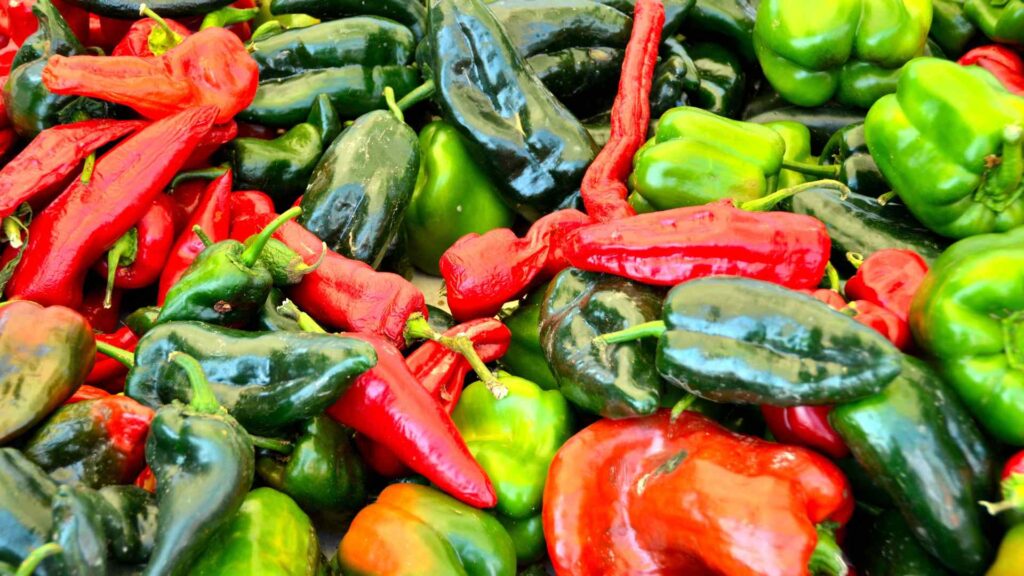
- Bell pepper: mild Capsicum fruit in green, red, yellow, orange, purple, or other colors.
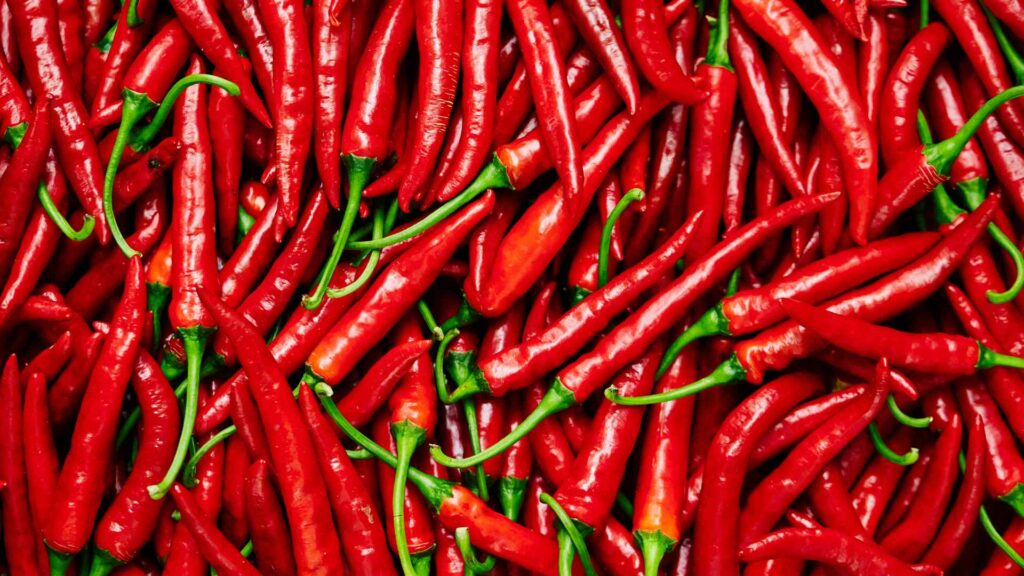
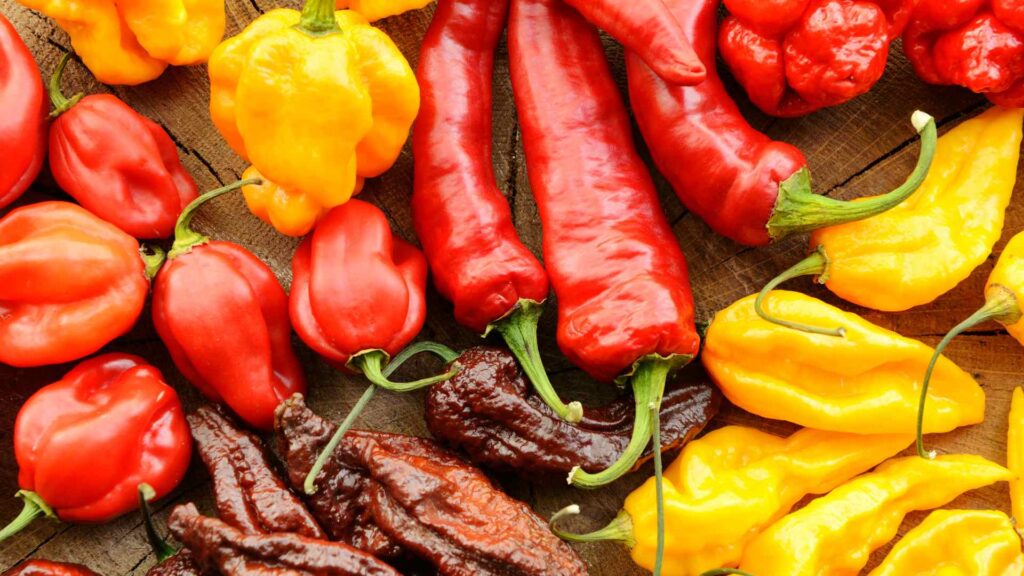
- Hot chile: jalapeño, serrano, cayenne, habanero, Thai chile, and many others containing varying capsaicinoids.
- Black pepper: dried Piper nigrum fruit used as a spice, not a bell pepper or chile.
- Ornamental pepper: a marketing name that may refer to a different plant and cannot be cleared from the word pepper.
- Pepper product: sauce, flakes, powder, brine, spray, extract, or seasoning blend requiring its own label review.
Save the plant tag, produce sticker, package, recipe, or sauce bottle and report the amount, time, dog weight, symptoms, and missing packaging. A photo of the whole pepper and its cut surface may help identify a culinary variety.
Plain bell pepper is the simple case
Bell peppers contain little capsaicin, so a few clean pieces are generally treated as ordinary produce rather than a poison exposure. Any new food can still cause gas, soft stool, vomiting, or refusal to eat.
Wash the pepper under running water, remove the stem, core, sticker, and damaged areas, then cut the flesh into pieces appropriate for the dog’s size. Serve it raw or plainly cooked without oil, butter, salt, sauce, garlic, or onion.
Color mostly reflects variety and ripeness, not a dog-specific medical advantage. Red bell pepper does not become a vitamin treatment, and green bell pepper is not harmful merely because it is less ripe.
Our bell pepper guide covers colors and preparation in more detail, while the green pepper guide handles the regional ambiguity between bell peppers and green chiles. This broader guide focuses on identifying which meaning applies.
Capsaicin makes hot peppers irritating
Capsaicin activates heat and pain receptors rather than literally burning tissue like a hot stove, but the discomfort can be intense. It can irritate the mouth, eyes, nose, skin, stomach, and respiratory tract.
An FDA capsaicin product label warns that unintended exposure can severely irritate eyes, mucous membranes, respiratory tract, and skin. That medical patch is far more concentrated than food, but it illustrates why capsaicin powder and extract deserve extra care.
A small lick of mild chile may cause lip licking, drooling, pawing at the mouth, thirst, vomiting, or diarrhea. A concentrated sauce, powder, extract, pepper spray, or very hot cultivar can produce more severe pain and respiratory exposure.
Move the dog away from airborne powder and rinse contaminated eyes with lukewarm water while calling for instructions. Seek urgent care for breathing difficulty, severe eye pain, collapse, repeated vomiting, or rapidly worsening signs.
Do not neutralize chile with a second problem
Milk, cream, oil, bread, salt, antacids, and human pain medicines are not universal antidotes for capsaicin exposure. Rich dairy and oil can add vomiting, diarrhea, or pancreatitis risk without addressing eye or airway contamination.
Offer normal access to water if the dog can drink comfortably, but do not force liquids into a distressed animal. Call for product-specific advice when the amount is more than a tiny food exposure.
Do not induce vomiting after hot sauce, capsaicin concentrate, or pepper spray ingestion because re-exposure and aspiration can worsen irritation. Bring the product container to the clinic.
Seeds and membranes do not tell the whole heat story
The pale internal tissue of hot peppers carries much of the capsaicinoid material, and seeds pick up compounds from contact. Removing seeds may reduce some exposure but does not make a hot pepper dog-safe.
Bell pepper seeds are not usually toxic in a small amount, yet they add no benefit and can be removed with the core. A mass of seeds, stems, or tough plant material can upset the stomach.
Whole miniature peppers and large chunks can choke a small dog or fast eater. Cut mild flesh into small pieces and supervise.
Black pepper is a different plant and question
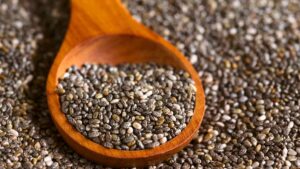
Ground black pepper and peppercorns come from Piper nigrum, not the Capsicum plants that produce bell peppers and chiles. A dusting on food is usually an irritation issue, while inhaled powder can trigger sneezing, coughing, and eye discomfort.
Whole peppercorns may be swallowed with meat, brine, or seasoning packets, and concentrated pepper extract creates a different exposure. Our salt and black pepper guide covers that spice specifically.
Do not confuse pink peppercorns, Sichuan pepper, white pepper, or mixed pepper grinders with plain black pepper. Read the label and report every component.
Ornamental peppers may not be culinary peppers
Some ornamental Capsicum cultivars are very hot, while plants sold as ornamental pepper may belong to another genus. The ASPCA ornamental pepper entry identifies Solanum pseudocapsicum, also called Jerusalem cherry, as toxic to dogs.
Do not rely on a phone app, fruit color, or the word ornamental to identify a plant after ingestion. Photograph the full plant, leaves, stems, flowers, fruit, roots, pot, and tag, then save a sample safely.
Tell the veterinarian about fertilizer, systemic insecticide, herbicide, compost, mulch, and nearby plants. Unknown garden exposure deserves identification before reassurance.
Seasoned peppers bring onion and garlic
Stuffed peppers, fajitas, stir-fries, pizza toppings, sausage dishes, roasted vegetables, and frozen meals often contain onion, garlic, salt, oil, cheese, and rich meat. The mild pepper can be the safest item in the dish.
Onion and garlic can damage canine red blood cells in raw, cooked, and powdered forms, and signs may be delayed for days. Call promptly with the recipe and amount rather than waiting for weakness or pale gums.
High-fat dishes can cause digestive upset and may contribute to pancreatitis in susceptible dogs. Skewers, toothpicks, foil, twine, and wrappers add injury and obstruction risks.
Save restaurant ingredient information when possible, but do not delay an urgent call while waiting for a kitchen response. Report the uncertainty honestly.
Pickled peppers and brine
Pickled jalapeños, pepperoncini, banana peppers, and mixed antipasto may contain substantial sodium, vinegar, garlic, onion, sugar, preservatives, or hot chile. A dropped ring is different from a dog drinking the jar.
Rinsing removes some surface brine but does not make a heavily seasoned hot pepper useful dog food. Our pickle and brine guide explains the sodium and co-ingredient questions.
Glass jars, metal lids, seals, and plastic rings may be more urgent than the peppers after a pantry raid. Do not induce vomiting if sharp material may have been swallowed.
Sauces, flakes, powders, and extracts
Hot sauce can combine chile with salt, vinegar, garlic, onion, fruit, alcohol, sweetener, or caffeine. Dry cayenne and chile powders aerosolize easily, while extracts and pepper spray deliver far more concentrated capsaicinoids.
Wear gloves for a spill and prevent the dog from rubbing contaminated paws into the eyes. Call before bathing a large concentrated exposure because product-specific instructions matter.
Repeated vomiting, bloody diarrhea, severe pain, coughing, wheezing, weakness, tremors, collapse, or seizures warrants urgent care. A mild food exposure should not produce escalating neurologic or respiratory signs.
Bell peppers are food, not vitamin therapy
Bell peppers contain vitamins and plant compounds, but sprinkling them into meals does not treat deficiency, immune disease, eye disease, inflammation, arthritis, or cancer. A complete dog food is formulated around the whole nutrient profile, not one colorful ingredient.
The World Small Animal Veterinary Association treat guide recommends keeping treats below 10 percent of daily calories. That limit protects the balance of the complete diet even when the extra is produce.
Dogs with diabetes, digestive disease, food-allergy trials, or prescription diets should receive pepper only with veterinary approval. Optional variety should not disrupt a medical plan.
Quantity changes an ordinary produce question
One thumbnail-size piece of bell pepper and an entire grocery bag are not equivalent exposures. Large amounts of raw produce can cause vomiting, diarrhea, gas, abdominal discomfort, or appetite loss even when the plant is not considered toxic.
A dog that raids several peppers may also swallow produce stickers, rubber bands, twist ties, mesh bags, trays, or plastic film. Report those missing objects and call for repeated vomiting, a painful belly, inability to keep water down, or marked lethargy.
Peppers from a compost pile create a mixed exposure that may include moldy food, coffee grounds, onion, garlic, grapes, raisins, skewers, and fermented material. Secure the pile and tell the veterinarian everything that could have been accessible.
What to do after a pepper exposure
- Identify bell pepper, hot Capsicum, black pepper, ornamental plant, or concentrated product.
- Secure the remainder and save labels, recipes, plant photos, and packaging.
- Estimate amount, timing, dog weight, medical history, route, and symptoms.
- Call for hot concentrates, unknown plants, dangerous co-ingredients, large amounts, packaging, or significant signs.
- Follow product-specific eye, skin, inhalation, or ingestion instructions from the veterinarian.
Do not induce vomiting or give milk, oil, salt, bread, antacid, or human medicine unless a veterinarian directs you. Pepper type, concentration, exposure route, symptoms, and aspiration risk change the response.
Bottom line
A few plain bell pepper pieces are usually low risk, but hot chiles cause capsaicin irritation and black pepper is a separate spice. Stems, choking, ornamental plants, seasonings, brine, concentrates, symptoms, and packaging require a more specific assessment.