Can Dogs Eat Potatoes? Cooked, Raw, Green, and Sprouted
Yes, most healthy dogs can eat a small amount of fresh, fully cooked, plain potato. Do not feed raw potatoes, green or sprouted tubers, sprouts, leaves, or stems, and skip fries, chips, loaded mash, and heavily seasoned dishes; preparation, plant condition, portion, and co-ingredients determine whether the potato is a harmless bite or a real concern.
The potato answer in one kitchen test
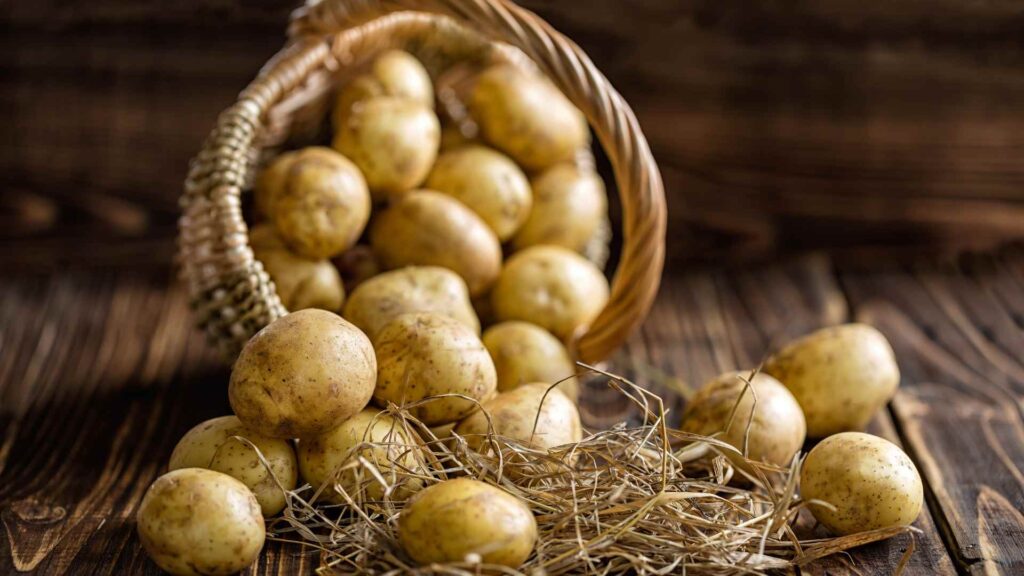
A firm, normal-colored potato that is thoroughly boiled, baked, or steamed and served without additions can be an occasional dog treat. A potato that is green, sprouted, damaged, unusually bitter, raw, fried, or buried under toppings belongs in a different risk category.
This distinction prevents two common mistakes. Ordinary cooked potato is not automatically toxic, but cooking should not be used as a rescue plan for a green or heavily sprouted potato.
Sweet potatoes follow different plant chemistry and preparation rules, so see the separate guide to sweet potatoes for dogs. Similar names do not make them interchangeable.
Why green and sprouted potatoes matter
Potatoes naturally contain steroidal glycoalkaloids, chiefly alpha-solanine and alpha-chaconine. Levels vary by variety and storage conditions and can rise with light exposure, sprouting, aging, physical damage, and other stress.
The green color itself comes from chlorophyll and is not the toxin, but greening is a useful warning that the tuber has been exposed to light and may have higher glycoalkaloid levels. Sprouts and the tissue around them can be especially concentrated, which is why “just cook it well” is not the safest advice.
An European Food Safety Authority risk assessment identifies alpha-solanine and alpha-chaconine as the principal potato glycoalkaloids and describes gastrointestinal effects such as nausea, vomiting, and diarrhea after excessive exposure. The assessment also notes that data were insufficient to establish a companion-animal risk threshold, so dog-size dose tables would create precision the evidence does not support.
The FDA’s natural-toxin educational material similarly explains that potato glycoalkaloids can produce gastrointestinal and systemic effects at high intake and are concentrated in skins and certain potato byproducts. It is sensible toxicology, not fearmongering, to discard green, sprouted, badly damaged, or very bitter potatoes rather than feed them to anyone.
Raw potato is not a good dog treat
Raw potato is hard, starchy, and difficult to chew into safe pieces. Large chunks can choke a dog or cause a gastrointestinal obstruction, while the glycoalkaloid content is an additional concern, especially in peel, green tissue, sprouts, or damaged areas.
The Merck Veterinary Manual’s obstruction overview explains that swallowed material may lodge in the stomach or intestine and cause vomiting, appetite loss, abdominal pain, dehydration, and lethargy. Some cases require endoscopic or surgical removal.
A stolen fingernail-sized raw piece from a fresh potato is different from a small dog swallowing half a tuber or eating a pile of green peelings. The ingredient, condition, amount, dog size, and symptoms all belong in the call to a veterinarian or animal poison service.
How to prepare a potato safely
1. Inspect before washing
Choose a firm potato with normal coloring and no sprouts, mold, rot, or strong bitterness. Discard questionable tubers completely rather than trimming one patch for the dog’s portion.
2. Scrub and peel
Wash under running water and peel for the most conservative dog serving, since glycoalkaloids are more concentrated near the surface and skin can be chewy. A small amount of normal, thoroughly cooked peel is not automatically poisonous, but there is no reason to make skins the feature.
3. Cook it completely
Boil, steam, bake, or microwave until the center is soft and easily mashed. Cooking improves texture and digestibility, but it is not a reliable excuse to use a green or sprouted potato.
4. Cool, then cut or mash
Dense potatoes can stay hot inside, so split one open and let it cool fully. Mash it plain or cut the flesh into pieces comfortably smaller than the dog’s normal treats, with extra care for puppies, toy breeds, seniors, and gulpers.
5. Start with one small taste
Potato adds starch and calories and may cause gas, vomiting, or loose stool when a dog eats too much or is not used to it. One small bite is a better first trial than a scoop of mash.
Potato nutrition without the sales pitch
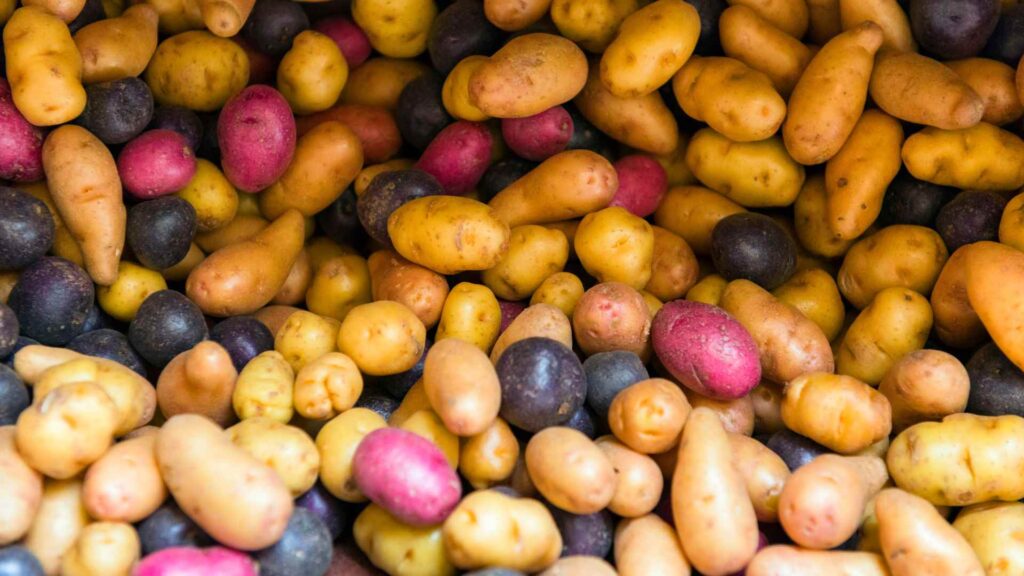
Potatoes provide carbohydrate and contain potassium, vitamin C, vitamin B6, and other nutrients. A complete and balanced dog food already supplies the nutrients a healthy dog needs, so potato is an optional food, not a supplement or health treatment.
Do not use potato to boost immunity, treat diarrhea, speed recovery after surgery, increase athletic energy, regulate blood sugar, or correct a nutrient deficiency without veterinary direction. Those claims depend on the dog’s diagnosis and entire diet, not the presence of one starchy ingredient.
Commercial dog food containing potato is also different from adding kitchen leftovers. The finished diet should be evaluated for nutritional adequacy, quality control, calorie density, and whether it fits the dog, rather than judged as healthy or unhealthy from a single item on the label.
How much potato can a dog eat?
There is no research-backed potato chart that can account for body condition, daily calories, medical history, regular food, and all other treats. Begin with one bite-sized piece of plain cooked flesh and keep any later serving clearly in treat territory.
The World Small Animal Veterinary Association treat guide recommends keeping treats under 10 percent of daily calories. The other 90 percent or more should come from a complete and balanced diet suited to the dog’s life stage and health.
That ceiling includes potato plus every biscuit, dental chew, food-toy filling, training reward, and table scrap. Potatoes are starchy, so an apparently modest scoop can spend more of the calorie budget than a few pieces of plain green beans.
Dogs with diabetes, obesity, or a therapeutic diet need individualized limits rather than a generic serving. Ask the treating veterinarian whether potato fits and how it should be counted.
Fries, chips, hash browns, and tots
Fried potato products combine starch with oil and usually salt, producing a calorie-dense snack with little upside for a dog. Restaurant versions may carry onion powder, garlic powder, cheese seasoning, chili, sauces, or cross-contact with other ingredients.
One plain dropped fry is unlikely to poison a healthy dog, but fries should not become a planned treat. A larger raid can cause vomiting or diarrhea, and the fat load is a particular concern for dogs with pancreatitis or a history of it.
Potato chips are easy to overeat because they are thin, salty, and numerous. Flavored varieties create an ingredient-checking problem, while whole bags and wrappers introduce a possible packaging obstruction on top of the food exposure.
Mashed, baked, roasted, and loaded potatoes
Plain potato mashed with water is simply a soft form of cooked potato. Typical mashed potatoes are different because recipes add butter, cream, milk, salt, cheese, gravy, onion, or garlic.
A plain baked potato can supply a small spoonful of cooled flesh, but loaded toppings make it a human meal. Bacon adds fat and salt, sour cream and cheese add calories and fat, and chives belong to the same Allium family as onion and garlic.
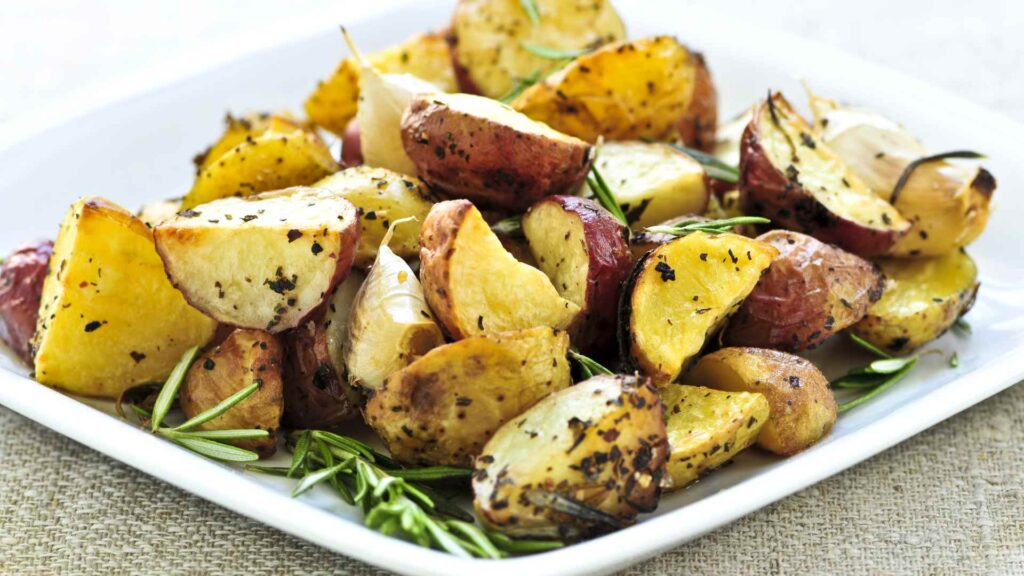
Roasted potatoes often look plain while carrying oil, salt, garlic, onion, or herb blends. Read a packaged product label and ask what went into homemade food rather than guessing from appearance.
The FDA pet hazard guide identifies onion, garlic, xylitol, and several other familiar human-food ingredients as dangerous for dogs. Onion and garlic powders count, so inspect seasoning packets and gravy mixes too.
Potato plants and garden access
Keep dogs away from potato leaves, stems, berries, sprouts, seed potatoes, peel piles, and compost containing green plant material. Garden access can involve a much less predictable exposure than one bite of cooked tuber flesh.
Store potatoes in a cool, dark place that pets cannot reach, and discard green or sprouted potatoes where a scavenger cannot retrieve them. Do not leave raw peeling scraps on the counter beside a dog who considers gravity part of meal service.
If a dog eats potato foliage, numerous sprouts, green tubers, or a large quantity of raw peel, call a veterinarian or animal poison service promptly. Save a photo or sample of the plant or tuber when this can be done safely.
Dogs who need a tailored answer
Dogs with diabetes: Potato is rich in digestible carbohydrate and can affect a glucose-management plan. Do not add it casually to meals or use it to hide medication without the treating veterinarian’s approval.
Dogs managing weight: Plain potato can fit some calorie plans, but a watery vegetable such as carrot may provide more pieces per calorie. Count every addition instead of treating vegetables as free food.
Dogs with pancreatitis: Plain cooked potato is low in fat, but fries, chips, butter, cream, cheese, gravy, and bacon are not. Follow the prescribed low-fat plan and ask before adding toppers.
Dogs on elimination or prescription diets: An unapproved potato treat can undermine a food trial or alter therapeutic nutrient targets. Familiarity does not make it exempt from the plan.
Dogs with chronic gastrointestinal disease: Potato is not a universal bland-diet treatment. Vomiting or diarrhea deserves a cause-based plan, and a home recipe is unlikely to be complete for prolonged feeding.
What to do after a potato raid
Identify the potato’s condition, the form eaten, the approximate amount, and the time. Note whether sprouts, green peel, plant material, seasoning, frying oil, toppings, foil, skewers, or packaging are also missing.
Call a veterinarian or animal poison service promptly for green or sprouted potatoes, leaves or stems, a large raw amount, a swallowed large chunk, or any product containing onion, garlic, xylitol, grapes or raisins, chocolate, or another recognized hazard. Do not wait for symptoms after suspected xylitol exposure.
Seek urgent care for choking, trouble breathing, repeated vomiting or retching, severe or persistent diarrhea, abdominal pain or swelling, marked weakness, confusion, tremors, seizures, collapse, or inability to keep water down. These signs cannot be safely sorted out through a wait-and-see experiment.
If a healthy dog stole a small amount of plain, fully cooked potato and remains comfortable, monitor for stomach upset and skip additional treats. Keep fresh water available and call the clinic if signs develop, persist, or involve a medically fragile dog.
Do not induce vomiting or give hydrogen peroxide, salt, milk, oil, activated charcoal, or another home treatment unless a veterinary professional directs you. The response depends on the actual exposure and the dog’s health.
Simple serving ideas
Offer one or two tiny cooled cubes as occasional training rewards, spread a thin layer of plain mash on a lick mat, or tuck a little into a familiar food puzzle. Refrigerate leftovers promptly and discard them when spoiled.
For more produce options, compare the site guides to carrots and green beans. If savory leftovers are involved, remember that onions are unsafe for dogs and garlic requires the same no-sharing rule.
Frequently asked questions
Can dogs eat potato skin?
A little normal, thoroughly cooked skin is not automatically toxic, but skin is tougher and can carry more glycoalkaloids than the inner flesh. Peel the dog’s portion, and never feed green, sprouted, bitter, or raw peel.
Can puppies eat cooked potatoes?
A puppy eating solid food can try a tiny, soft, plain piece, but puppy food should provide nearly all nutrition. Keep portions and pieces very small and avoid turning potato into a regular meal topper.
Does boiling remove all solanine and chaconine?
Do not assume boiling makes a green or sprouted potato safe. Glycoalkaloid reduction varies by compound and cooking method, so discard questionable potatoes and begin with a fresh, normal tuber.
The bottom line
A small amount of fresh, fully cooked, plain potato flesh is acceptable for many healthy dogs. Inspect the tuber, peel it, cook it until soft, cool it, cut it small, and count it with all other treats.
Raw, green, sprouted, bitter, or plant material is a different exposure and warrants caution, while fries, chips, mash, and loaded potatoes bring fat, salt, and seasonings. When a raid involves questionable tubers, a large chunk, or symptoms, call a veterinary professional promptly.