Can Dogs Eat Radishes? Safe Cuts, Pickles, and Horseradish
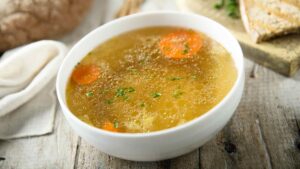
Dogs can eat a few small pieces of washed, plain garden radish, but many dislike its peppery bite. Slice round radishes into safer shapes, keep portions modest, and skip pickled, salted, buttered, or seasoned versions because radish is not a dental cleaner, diet tool, or vitamin treatment, and horseradish is a different plant and product.
Identify the radish before sharing it
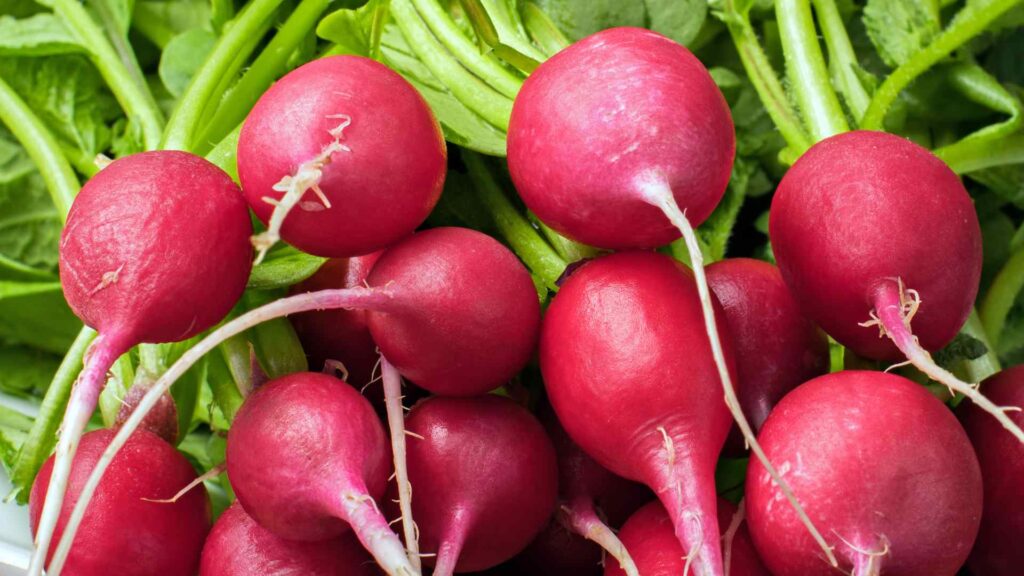
Common garden radish is Raphanus sativus, sold in red, white, purple, black, and elongated varieties. Daikon is a large mild radish in the same species, while wild plants and lookalikes require reliable identification.
A grocery-store root with a label is easier to assess than a plant pulled from a roadside or unfamiliar yard. Plant-identification apps can be wrong, especially before flowers or seedpods appear.
The ASPCA wild-radish listing describes gastrointestinal irritation from isothiocyanates in Raphanus raphanistrum. That species-specific information should not be pasted onto every cultivated radish, but it supports caution with unknown plants and large plant meals.
If the dog ate a garden plant that may have been treated, also identify fertilizer, pesticide, slug bait, compost, mulch, wire, and plant tags. The chemical or foreign material may matter more than the root.
How to serve a plain radish
Rinse under running water, trim the root tail and tough stem end, and cut the radish into small pieces. Serve it raw for crunch or cook it plain until softer, depending on the dog’s chewing ability.
Do not add salt, butter, oil, dip, cheese, onion, garlic, or spice. One or two pieces are enough for a first taste.
The flavor can cause a dog to spit, drool, or refuse it without being poisoned. Do not coax the dog with repeated pieces when a normal food is already complete.
A dog that tolerates a tiny piece may still develop gas, belching, loose stool, or stomach discomfort after a bowlful. Portion remains part of safety.
Round shapes can become choking shapes
A whole round radish can fit like a plug in the throat, particularly for a small dog or a fast gulper. Thick coins can also be swallowed with little chewing.
Quarter rounds, cut coins into smaller pieces, or grate a tiny amount over approved food. Daikon sticks should be short and thin rather than long batons that can lodge or be gulped.
Gagging, repeated swallowing, drooling, pawing at the mouth, coughing, blue or pale gums, or breathing trouble requires immediate attention. Do not sweep fingers blindly through the mouth.
The Merck Veterinary Manual lists drooling, gagging, difficulty swallowing, regurgitation, and repeated swallowing among esophageal foreign-body signs.
Peppery compounds can irritate the gut
Radishes belong to the mustard family and contain compounds responsible for their sharp flavor. A few mild pieces may be tolerated, while a large amount can irritate the mouth or digestive tract.
Watch for drooling, lip licking, vomiting, diarrhea, gas, reduced appetite, or abdominal discomfort. Repeated vomiting, blood, marked lethargy, or inability to keep water down deserves veterinary care.
Cooking can soften texture and mellow flavor but does not turn a large serving into balanced nutrition. Do not use spices or fat to make the vegetable more appealing.
The cabbage guide and Brussels sprouts guide cover other mustard-family vegetables with similar portion-and-gas conversations.
Radish leaves and seedpods
Young cultivated radish greens are used as human food, but they are fibrous and may carry soil, grit, pesticides, or wilted plant material. Dogs do not need a bowl of leaves for vitamins.
Remove greens for a simple root serving, especially when the plant identity or treatment history is uncertain. A couple of clean cultivated leaves are not the same exposure as grazing through a wild patch.
Seedpods and mature stalks are tougher and can be swallowed in stringy pieces. Compost piles containing entire plants may also include mold or unrelated toxic scraps.
If leaves, flowers, or pods were eaten, photograph the plant and collect a safe sample for identification. Report whether it was cultivated, wild, sprayed, wilted, or pulled from compost.
Pickled radishes are brine products
Pickled radishes can contain vinegar, salt, sugar, onion, garlic, chili, spices, and sweeteners. Bright color and thin slices do not make the brine dog-friendly.
One small drained slice of a conventional recipe is unlikely to cause salt poisoning in a healthy dog, but it remains unnecessary. A jar raid or swallowed brine creates a larger sodium and seasoning exposure.
The pickle guide explains how a plain vegetable differs from brine, Alliums, sweeteners, and packaging. Save the exact recipe for homemade pickles.
Sugar-free pickles require a xylitol check, while Korean and Japanese radish dishes may include garlic, onion, soy sauce, fish sauce, chili, or sweetener. Evaluate the entire preparation.
Salads, dips, tacos, and restaurant food
Radishes often arrive with butter and salt, creamy dip, ranch, cheese, dressing, bacon, or seasoned meat. The toppings can add more fat, sodium, and hazardous ingredients than the root.
Tacos may include onion, garlic, salsa, avocado, fatty meat, hot sauce, toothpicks, or foil. A few radish slices do not define the plate raid.
Salads can contain grapes, raisins, walnuts, macadamia nuts, blue cheese, croutons, and dressings with garlic or xylitol. Inventory everything missing before choosing a response.
The garlic guide covers fresh and powdered Allium exposure when it appears in dressing, dip, or seasoning.
Horseradish is not a large radish
Horseradish is Armoracia rusticana, a different plant whose pungent root is commonly grated into sauces. The shared name does not make the products interchangeable.
Prepared horseradish can contain vinegar, salt, mustard, preservatives, dairy, mayonnaise, sugar, onion, or garlic. Its intense compounds can irritate a dog’s mouth, nose, and stomach.
Do not offer horseradish as a decongestant, parasite treatment, or appetite stimulant. A dog with respiratory or appetite changes needs a diagnosis rather than a pungent food.
Wasabi paste may contain real wasabi, horseradish, mustard, color, salt, or other ingredients. Save the label after a raid and monitor for pronounced drooling, vomiting, diarrhea, or discomfort.
Radishes do not brush teeth or cause weight loss
Crunching a radish may scrape a little debris, but it does not clean below the gumline or prevent periodontal disease. Hard round foods can also choke or hurt a damaged tooth.
Use dog-safe toothpaste, regular brushing, and veterinary dental care for oral health. Persistent bad breath, bleeding gums, facial swelling, or difficulty eating warrants an examination.
Low calorie does not make radish a weight-loss treatment. Weight management depends on measured complete food, total calories, activity, medical factors, and follow-up.
The UC Davis veterinary treat guide recommends keeping extras within a small share of daily calories. A vegetable can still displace balanced food when fed by the bowl.
Medical and diet considerations
Dogs on kidney, urinary, cardiac, diabetic, gastrointestinal, allergy, or weight-management diets should receive only approved extras. General vegetable safety does not override a prescription plan.
Radish should not be used as vitamin C, potassium, fiber, thyroid, liver, or blood-pressure therapy. Nutrient presence in food does not establish a therapeutic canine dose.
Dogs with chronic gastrointestinal sensitivity may react to peppery raw vegetables more readily. A soft cooked piece may be easier, but skipping radish is also perfectly reasonable.
Puppies need almost all calories from complete growth food and have smaller airways. There is little reason to use whole crunchy radishes as puppy entertainment.
Food safety and storage
Rinse fresh radishes under running water and use a clean knife and cutting board. The FDA produce-safety guide advises against washing produce with soap, detergent, or commercial produce wash.
Refrigerate cut radishes promptly in a clean covered container and discard slimy, moldy, or spoiled pieces securely. A strong radish smell is normal, but decay, soft wet patches, and mold are not.
Keep produce bags, rubber bands, twist ties, labels, and plastic tubs away from dogs. Packaging can obstruct even when the vegetable itself is low risk.
After a bag raid, count missing radishes and objects separately. A swallowed clip or film may determine the follow-up plan.
What to do after a radish incident
After a few small plain pieces, provide normal water and monitor for drooling, gas, vomiting, diarrhea, or discomfort. Skip more peppery or rich foods that day.
After a whole-radish gulp, a large plant meal, unknown wild plant, pickled jar raid, horseradish sauce, seasoned dish, or missing packaging, save the label and call with dog weight, amount, time, symptoms, and missing objects.
Seek urgent care for choking, breathing trouble, collapse, repeated vomiting, severe abdominal pain, marked weakness, a swollen belly, or inability to keep water down. Known xylitol or dangerous co-ingredient exposure deserves prompt advice before symptoms.
Do not induce vomiting or give peroxide, salt, oil, milk, charcoal, antacids, or human medicine unless directed for the exact exposure.
The bottom line
A few small pieces of washed, plain garden radish can be an optional taste for a dog that enjoys them. Cut round roots into safer shapes and expect the peppery flavor or extra fiber to bother some stomachs.
Unknown plants, whole radishes, leaves and pods, pickle brine, seasoned dishes, horseradish, and packaging need separate attention. Radish is a food, not dental care, weight treatment, or vitamin therapy.