Can Dogs Eat Asparagus? Safe Prep and Plant Risks
Dogs can eat a small amount of plain asparagus, but soft cooked pieces are safer and easier to digest than long raw stalks. The vegetable is not toxic, yet tough fibers, choking risk, rich toppings, and confusion with the toxic ornamental asparagus fern make preparation important.
The quick answer
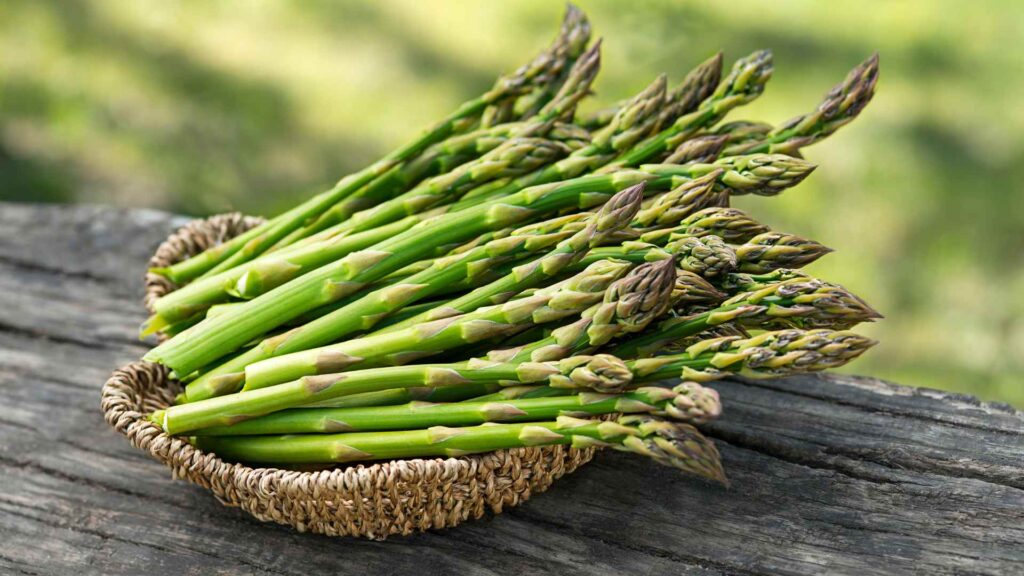
The edible spears people buy at a grocery store are not considered poisonous to dogs. A few soft, bite-sized pieces can be an occasional treat for a healthy dog that tolerates new vegetables.
Asparagus is optional, not a canine superfood or a treatment for constipation, inflammation, arthritis, immunity, skin, or weight. A complete dog food already supplies the nutrients a dog needs in the right overall balance.
The practical issue is whether this particular stalk is worth serving. If it is woody, heavily seasoned, attached to a skewer, or sitting in butter sauce, the answer is no.
Why raw asparagus can be awkward
Raw asparagus is fibrous, firm, and sometimes stringy. A long spear can be difficult to chew and may become a choking hazard, especially for a small dog, puppy, senior, or determined food gulper.
Raw pieces may also travel through the digestive tract poorly and cause gas, vomiting, loose stool, or abdominal discomfort. These outcomes are not guaranteed, but they make a whole raw stalk an unimpressive gamble.
The veterinarian-reviewed PetMD asparagus guide identifies plain asparagus as non-toxic while recommending preparation based on the dog’s size, health, and diet. Cooking until tender and cutting across the stalk solves much of the chewing problem.
If your dog snatched one raw spear and is breathing, swallowing, and behaving normally, a crisis is unlikely. Watch for repeated gagging, vomiting, abdominal pain, inability to swallow, or unusual lethargy, and call a veterinarian if any appears.
How to prepare asparagus for a dog
Wash the spear, trim off the woody base, and steam or boil it in plain water until it is soft enough to mash with a fork. Let it cool, then chop it into short pieces appropriate for your dog’s mouth and chewing style.
Roasting can work if the asparagus remains plain, but it is easy to add oil, salt, cheese, or seasoning without thinking. Steaming is wonderfully boring, which is exactly what makes it useful here.
Serve one small piece the first time and wait to see how your dog handles the fiber. A dog that develops gas or loose stool has delivered a clear review, and no second tasting is required.
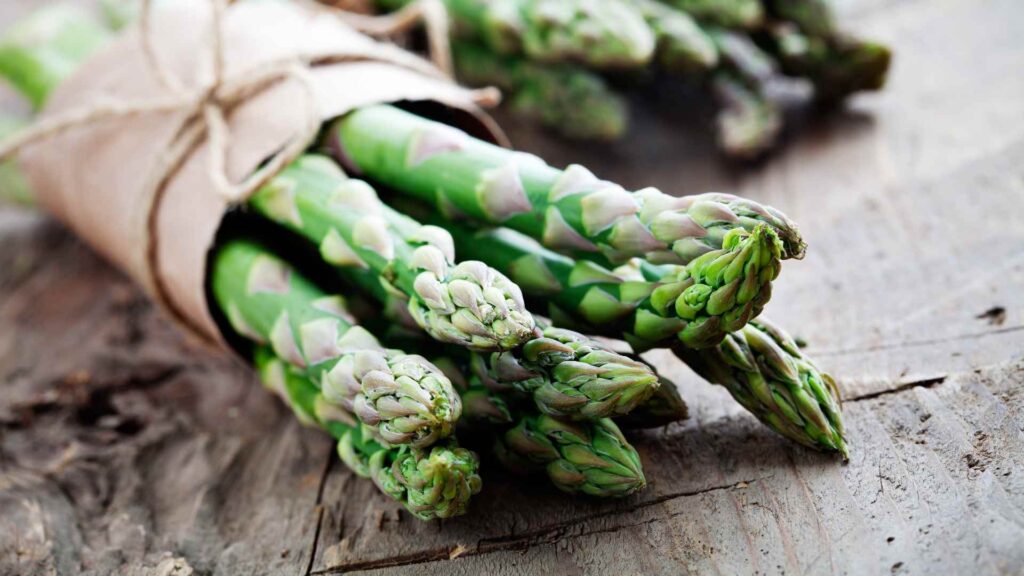
Discard tough peelings, woody ends, rubber bands, produce ties, and skewers where the dog cannot reach them. Packaging and cooking hardware can create a more serious obstruction or puncture hazard than the vegetable itself.
Toppings change the safety calculation
Restaurant and holiday asparagus often arrives with garlic butter, onion, hollandaise, cheese sauce, bacon, salty stock, or a rich oil coating. Those extras add fat, sodium, and ingredients that a plain spear does not contain.
Onion and garlic can damage canine red blood cells in sufficient amounts, including in cooked and powdered forms. Check our guides to onions and garlic if your dog ate seasoned asparagus, and call your veterinarian with the recipe and amount.
Butter, cream sauces, bacon fat, and generous oil may trigger vomiting or diarrhea and can be a problem for dogs with pancreatitis history or a prescribed low-fat diet. A light coating is not automatically poisoning, but a pan of rich leftovers deserves more concern than one steamed tip.
Salt may increase thirst and add unwanted sodium, particularly for a dog on a sodium-restricted plan. Pickled asparagus can also contain concentrated salt, vinegar, spices, garlic, or onion, so it is best left off the dog menu.
Lemon juice is acidic and may irritate a sensitive stomach, while lemon zest and essential oils are not useful additions. Parmesan and cheese sauce add calories, fat, sodium, and possible dairy intolerance without making asparagus safer.
The asparagus fern distinction
“Asparagus fern” is a common name used for ornamental plants, not the tender grocery-store spear on your dinner plate. The ASPCA lists the ornamental cultivar Asparagus densiflorus “Sprengeri,” commonly called asparagus fern, as toxic to dogs and cats.
According to the ASPCA plant entry, repeated skin contact can cause allergic dermatitis and eating the berries may cause vomiting, abdominal pain, or diarrhea. Call your veterinarian or animal poison control if a dog chewed an ornamental plant or ate its berries.
Garden asparagus grown for food is Asparagus officinalis, but its mature feathery growth and berries still are not dog treats. Keep dogs out of the asparagus bed, remove fallen berries, and identify any plant before drawing conclusions from a common name.
Take a clear photo of the whole plant, leaves, berries, and label if exposure occurs. A garden center receipt or botanical name can help poison-control staff distinguish an ornamental species from an edible spear.
Fresh, frozen, canned, and jarred asparagus
Fresh asparagus
Fresh spears offer the most control over ingredients. Cook them plain, remove the woody end, and chop them after cooling.
Frozen asparagus
Plain frozen asparagus can be cooked and served like fresh asparagus. Do not offer a whole rock-hard frozen spear, because freezing does not remove the choking and tooth risks of an awkward shape.
Canned asparagus
Canned asparagus is soft, but many products contain added sodium. Choose no-salt-added asparagus, drain it, check the ingredient list, and keep the portion small.
Pickled or marinated asparagus
Skip it. Brine, salt, garlic, onion, oil, hot pepper, and other seasonings make jarred appetizers needlessly complicated for a dog.
Asparagus soup, quiche, pasta, and casserole
These are mixed dishes, so assess the whole recipe. Cream, cheese, butter, onion, garlic, leeks, broth, bacon, pastry, and nut toppings matter more than the few green pieces.
Does asparagus offer special health benefits?
Asparagus contains fiber and several vitamins and minerals, but listing nutrients does not prove that a small treat prevents disease or corrects a deficiency. Dogs eating a complete and balanced diet should already receive essential nutrients at appropriate levels.
The FDA explains what “complete and balanced” means on a pet-food label, including nutritional adequacy for a stated life stage. Replacing meaningful amounts of that diet with vegetables can dilute protein, essential fats, vitamins, and minerals.
Fiber can alter stool, but more is not always better. Too much asparagus may cause gas or diarrhea, while constipation with straining, pain, vomiting, or poor appetite needs veterinary assessment rather than a vegetable experiment.
Asparagus is also not arthritis medicine, an immune booster, a detox tool, or a coat treatment. Those promises stretch a modest snack far beyond the evidence.
How much asparagus can a dog have?
No evidence-based asparagus chart assigns a number of stalks to every dog size. Start with one small cooked piece, and consider the dog’s size, health, usual diet, and past response before offering more.
The World Small Animal Veterinary Association recommends that all treats together stay below 10 percent of daily calories. That ceiling is not a serving target, and a few soft pieces are plenty for most dogs.
Dogs on prescription diets should not receive asparagus unless the veterinary team approves it. The same caution applies during an elimination diet, because unplanned extras can make the results impossible to interpret.
My dog ate asparagus: what should I do?
Identify whether the exposure was an edible spear, a mixed dish, or a garden plant. Note the amount, preparation, ingredients, time, dog’s weight, symptoms, and whether a skewer, foil, string, or packaging is missing.
A healthy dog that ate a few plain edible pieces and remains comfortable can usually be watched. Provide normal water access, offer the usual balanced diet, and skip more treats while monitoring for gastrointestinal upset.
Call your veterinarian promptly for repeated vomiting, persistent diarrhea, marked lethargy, a painful or swollen abdomen, inability to swallow, repeated gagging, blood, or inability to keep water down. Breathing difficulty, blue or pale gums, collapse, or choking requires emergency care.
Call sooner if the dish contained onion, garlic, xylitol, alcohol, raisins, or another toxic ingredient, or if an ornamental asparagus fern or berries were eaten. Do not induce vomiting or give oil, bread, salt, or human medication unless a veterinarian directs you.
Easier vegetable treats
Asparagus is safe when prepared carefully, but it is not the easiest vegetable to portion. Plain cooked green beans, bite-sized carrots, or soft cabbage may be simpler options for a dog that enjoys vegetables.
Every alternative still needs an appropriate size, plain preparation, and a modest portion. Rotate only if the dog tolerates variety, and remember that regular kibble can work perfectly well as a training reward.
Frequently asked questions
Can puppies eat asparagus?
A weaned puppy eating a complete puppy diet can have a tiny, soft, plain piece, but asparagus is unnecessary for growth. Cut it very small and avoid raw stalks because puppies have small airways and enthusiastic eating habits.
Can dogs eat raw asparagus tips?
The tip is usually softer than the woody base and is not toxic, but raw fiber may still cause digestive upset. A steamed, cooled, chopped tip is easier to chew and offers no meaningful downside.
Can dogs eat asparagus every day?
There is no need to serve it daily. Frequent extras can crowd out a balanced diet, and repeated fiber may not suit a sensitive dog.
Is asparagus good for weight loss?
A small plain piece can replace a higher-calorie treat, but asparagus is not weight-loss therapy. A veterinarian should set the dog’s target weight, calories, balanced diet, and monitoring plan.
Why did asparagus upset my dog’s stomach?
The portion may have been too large, the stalk too fibrous, or the dish too fatty or seasoned. Stop offering it and call your veterinarian if signs are repeated, severe, painful, bloody, or accompanied by weakness.
The bottom line
Edible asparagus spears are not toxic to dogs, but plain, tender, chopped pieces are safer than long raw stalks. Keep portions small, skip toppings, and do not use the vegetable to treat a medical or nutritional problem.
Ornamental asparagus fern is a different exposure and can cause dermatitis or gastrointestinal signs, particularly after berry ingestion. Photograph the plant and call a veterinarian or animal poison service rather than assuming every plant called asparagus is dinner.