Can Dogs Eat Green Beans? Safe Forms, Portions, and Pitfalls
Dogs can eat plain green beans in small, appropriately cut pieces. Fresh, frozen, or cooked beans can be treats, while salty canned beans, whole hard-frozen pods, casseroles, and large diet substitutions create avoidable risks.
The quick answer
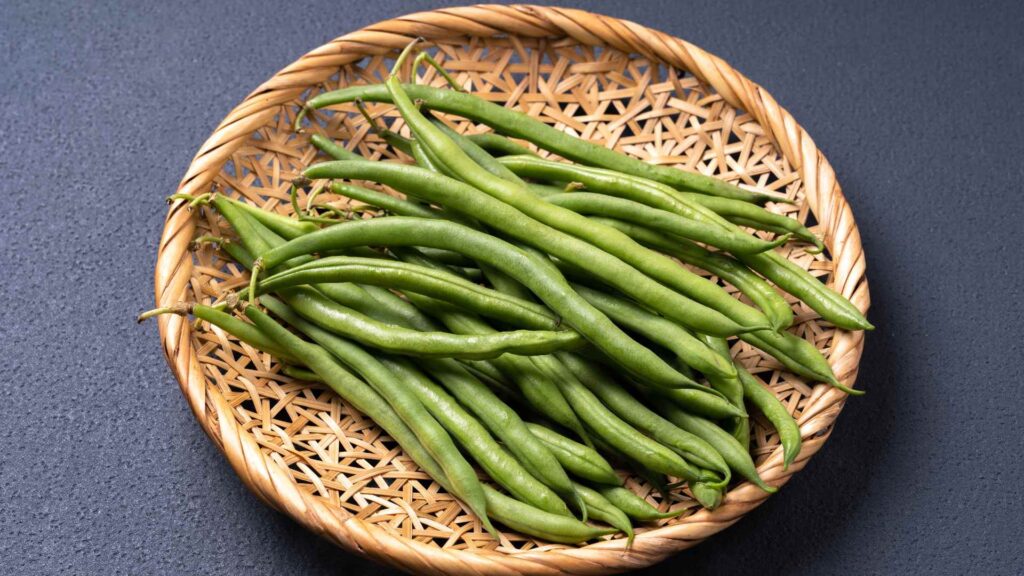
Plain green beans are not toxic to dogs and can be a crisp, low-calorie alternative to richer treats. They are an extra, not a meal replacement, digestive cure, joint supplement, or weight-loss program.
The safest version is washed, unseasoned, and cut to suit the dog’s size and chewing habits. Soft cooked pieces are easiest for puppies, seniors, small dogs, and anyone inclined to swallow first and negotiate later.
If your dog has a prescription diet, gastrointestinal disease, swallowing problem, or veterinary weight plan, ask before adding them. Even a simple vegetable can complicate a carefully controlled feeding plan.
Fresh, frozen, cooked, and canned beans
Fresh raw green beans
Dogs can eat washed raw green beans, but the pod should be trimmed and cut into short pieces. Long, firm beans are harder to chew and may cause gagging or choking in a small dog or enthusiastic gulper.
Raw fiber may cause gas, loose stool, or abdominal discomfort, particularly after a large serving. Start with one small piece and let the dog’s digestion cast the deciding vote.
Steamed or boiled green beans
Plain steaming or boiling softens the pod without adding unnecessary ingredients. Cool the beans and cut them across the pod before serving.
Do not add butter, oil, salt, garlic, onion, cheese sauce, bacon, or seasoned broth. A dog-safe vegetable can become an unsuitable side dish in one generous stir.
Frozen green beans
Plain frozen beans are ingredient-simple, but a whole rock-hard pod may be a choking hazard and can be rough on teeth. Thaw or cook them, then cut them into dog-sized pieces.
Do not assume frozen automatically means refreshing and safe. Shape, hardness, chewing style, and supervision still matter.
Canned green beans
No-salt-added canned beans can be convenient, soft treats after draining. Standard canned products may contain much more sodium, so read the nutrition panel and ingredient list rather than relying on the picture on the can.
Rinsing can remove some surface brine, but it does not turn a salty product into a sodium-free food. Dogs with heart, kidney, blood-pressure, or sodium-restricted dietary needs should follow their veterinarian’s plan.
Pickled and seasoned beans
Skip pickled green beans and deli-style bean salads. Brine, salt, sugar, garlic, onion, chili, and other spices make them unnecessarily complicated.
Green bean casserole is not a vegetable treat
Traditional casserole may contain cream soup, fried onions, garlic, butter, cheese, bacon, salty stock, and a crunchy topping. The small amount of green bean does not cancel the richer or toxic ingredients.
Onion and garlic can damage canine red blood cells in sufficient amounts, including cooked ingredients and powders hidden in soup mix. Review our guides to onions and garlic, then call a veterinarian with the recipe, amount, dog weight, and time of exposure.
Fried toppings and creamy sauces add fat that may trigger vomiting or diarrhea and may contribute to pancreatitis in a susceptible dog. A stolen lick is different from eating the casserole dish, so report the actual amount without assuming either disaster or safety.
The same whole-recipe rule applies to three-bean salad, stir-fry, soup, curry, bacon-wrapped beans, and restaurant sides. Identify every ingredient before deciding whether the beans are the important part.
Green beans are food, not treatment
Green beans contain fiber and micronutrients, but a small treat does not prevent chronic disease, repair joints, cure constipation, create a shiny coat, or “boost” immunity. Nutrient lists are not proof of a medical outcome.
A complete and balanced dog food is designed to supply essential nutrients for its stated life stage. The FDA’s pet-food label guidance explains how to recognize that nutritional adequacy statement.
Replacing a large portion of complete food with green beans dilutes protein, essential fats, vitamins, minerals, and calories in ways that a bowl’s volume does not reveal. Puppies, pregnant or nursing dogs, underweight dogs, and dogs with medical conditions are especially poor candidates for improvised diet dilution.
Fiber can change stool consistency, but it can also cause gas or diarrhea when added too quickly. Constipation accompanied by repeated straining, pain, vomiting, poor appetite, blood, or a swollen abdomen requires veterinary assessment rather than more beans.
The truth about the “green bean diet”
Some online plans tell owners to replace progressively larger portions of dog food with green beans, sometimes reaching half the bowl. That approach can reduce calories, but it can also create nutritional imbalance and does not identify why the dog gained weight.
Weight management begins with an accurate body-condition assessment, medical history, target weight, calorie plan, and measured portions. The American Animal Hospital Association weight-loss guidance recommends consulting a veterinarian before starting a program and mentions green beans as one possible low-calorie treat.
That is very different from using beans to replace a major share of complete food. If your veterinarian recommends a therapeutic weight diet, it is formulated to provide essential nutrients at reduced calories, while random bowl dilution is not.
A few bean pieces may replace higher-calorie treats within a professional plan, but they do not cause fat loss on their own. Total calories, nutrient adequacy, medical factors, activity, and follow-up measurements drive safe progress.
Never put a growing puppy on a home-designed green bean diet. Growth has narrow nutritional requirements, and calorie restriction without veterinary supervision can cause lasting harm.
How much can a dog eat?
There is no evidence-based table that assigns every dog a number of beans by body size. Start with one small cut piece, then consider the dog’s size, calorie needs, diet, medical history, and gastrointestinal response.
The World Small Animal Veterinary Association treat guide advises keeping all treats below 10 percent of daily calories. This is a ceiling for every extra combined, not a target reserved for vegetables.
Count toppers, dental chews, table scraps, pill foods, training rewards, and green beans together. A day filled with tiny gifts can quietly become a second dinner.
Stop or reduce the amount if gas, stool changes, vomiting, or appetite changes occur. Dogs do not need to “adjust” to a treat that consistently makes them uncomfortable.
Who needs extra caution?
Dogs on prescription diets: Extra foods can change sodium, fat, fiber, protein, mineral, allergen, or calorie intake. Ask the prescribing veterinary team before adding any topper.
Dogs in elimination trials: Green beans can invalidate a tightly controlled trial if they are not an approved ingredient. Even plain treats count as dietary exposures.
Dogs with swallowing or dental problems: Serve soft, finely cut pieces or choose another reward. A whole frozen bean is not a dental chew.
Dogs with gastrointestinal disease: Fiber tolerance varies with the condition and individual. A veterinary team may recommend a specific fiber type and amount rather than whichever vegetable happens to be in the freezer.
Dogs with sodium restrictions: Use fresh, plain frozen, or verified no-salt-added beans only if approved. “Reduced sodium” still means the product contains sodium.
A simple preparation routine
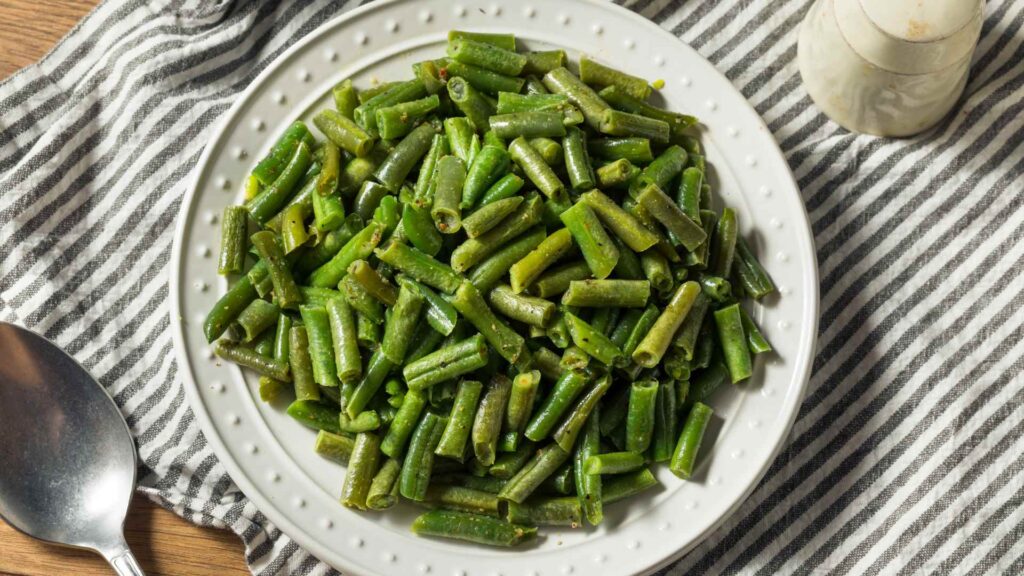
Choose fresh or plain frozen beans with no sauce or seasoning. Wash fresh beans, trim the stem ends, and steam or boil until tender if your dog benefits from a softer texture.
Cool completely and cut across the pod into small pieces. Serve one piece by hand or mix a measured amount into the regular meal.
Refrigerate cooked beans promptly and discard slimy, moldy, sour-smelling, or spoiled leftovers. Food safety still applies when the diner has four legs and a forgiving palate.
Do not cook the dog’s portion in seasoned broth or share beans that sat under meat drippings. Set aside the plain portion before preparing the family’s dish.
My dog ate green beans: what now?
Work out whether the beans were plain or part of a mixed dish, then note the amount, time, ingredients, dog’s weight, medical conditions, and symptoms. Check whether packaging, a skewer, foil, string, or casserole topping is also missing.
A healthy dog that ate a modest amount of plain cut green beans and remains comfortable can usually be watched. Provide normal water access, continue the usual balanced diet, and avoid more extras while monitoring.
Call your veterinarian for repeated vomiting, persistent diarrhea, a painful or swollen abdomen, inability to swallow, repeated gagging, marked lethargy, blood, or inability to keep water down. Breathing difficulty, collapse, blue or pale gums, or active choking requires emergency care.
Call sooner if the beans were cooked with onion, garlic, xylitol, alcohol, raisins, a large amount of salt, or another toxic ingredient. Do not induce vomiting, force food, or give human medicine unless a veterinarian directs you.
Other plain vegetable options
If your dog likes vegetable treats, small plain pieces of carrot, soft asparagus, or cooked cabbage may offer variety. Each food still needs its own preparation and portion check.
Regular kibble is also an excellent reward because it keeps calories and ingredients predictable. Play, praise, sniff time, and toys can deliver delight without adding food at all.
Frequently asked questions
Can puppies eat green beans?
A weaned puppy can have a tiny, soft, plain piece if treats fit the complete puppy diet. Avoid whole raw or frozen pods, and never dilute a puppy’s balanced growth food with a large volume of vegetables.
Can dogs eat green beans every day?
A few approved pieces may fit some dogs’ daily treat allowance, but daily use is not necessary. Keep total extras below the calorie limit and stop if digestive signs develop.
Are French-cut beans safer?
The smaller shape can be easier to chew, provided the beans are plain and not canned in salty liquid or cooked in sauce. Strings or long shreds can still be awkward for a dog that gulps food.
Can green beans help diarrhea?
Fiber affects stool differently depending on the type, amount, diet, and cause of diarrhea. Do not use beans to treat repeated, bloody, painful, or illness-associated diarrhea without veterinary advice.
Can diabetic dogs eat green beans?
Some diabetic dogs may be able to eat measured plain green beans, but consistency in food type, timing, and amount matters. Ask the veterinarian managing insulin and diet before adding or changing treats.
The bottom line
Plain green beans can be safe treats when washed, cut appropriately, and served in modest amounts. Fresh, plain frozen, steamed, or no-salt-added canned options are easier to manage than hard whole pods, brined beans, or mixed dishes.
Do not replace a large share of complete dog food with green beans or present them as weight-loss therapy. If the beans came from a casserole, the ingredient list and amount eaten decide whether a veterinary call is needed.