Can Dogs Eat Coconut? Flesh, Oil, Milk, and Shell Risks
A tiny amount of plain coconut flesh is unlikely to seriously harm most healthy dogs, but coconut is fatty and unnecessary. Keep the hard shell and fibrous husk completely away, skip coconut water, and treat coconut milk and oil as concentrated extras that can cause diarrhea, add calories, and conflict with low-fat diets.
First, which coconut product?
“Coconut” can mean fresh white flesh, dried flakes, canned coconut milk, a carton beverage, coconut water, coconut oil, coconut cream, or a dessert containing several of them. Those products differ dramatically in fat, sugar, potassium, texture, and added ingredients, so a single yes-or-no answer hides the useful part.
Plain fresh flesh is the most straightforward version, but only in a tiny piece. The ASPCA Animal Poison Control food guide says small amounts of coconut products are unlikely to cause serious harm, while the oils in fresh flesh and milk may cause stomach upset, loose stool, or diarrhea.
That framing is more accurate than calling coconut either a poison or a superfood. The practical question is whether a small, plain taste fits this dog’s calorie needs, digestive tolerance, and medical diet.
Coconut flesh: small, plain, and soft
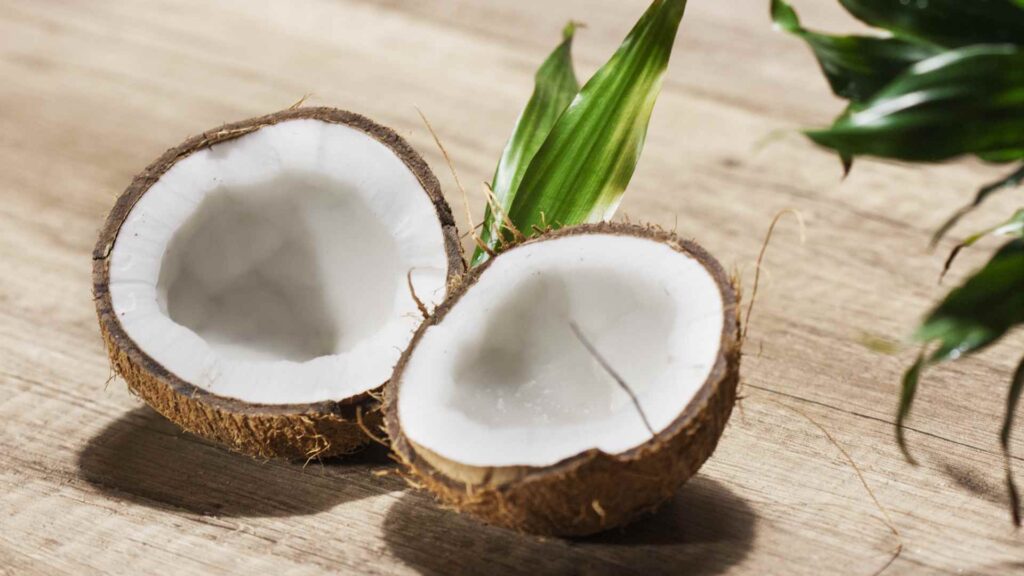
Fresh coconut meat is not generally classified as toxic to dogs, but it is calorie-dense and contains considerable fat. A shaving or tiny dice can be enough for a healthy dog to investigate the flavor without turning the snack into a meal.
Remove every trace of hard shell and tough brown husk, then cut the white flesh into pieces suitable for the dog’s mouth. Fresh coconut can be firm and slippery, so supervise closely and do not offer a large crescent that can be swallowed whole.
Dried unsweetened flakes contain less water, making their calories and fat easier to overfeed by volume. Sweetened flakes add sugar, while toasted products may carry salt, chocolate, or flavorings, so the label deserves more attention than the tropical beach on the package.
The shell and husk are the clearest no
A coconut shell is hard enough to fracture teeth, cut the mouth, choke a dog, or break into pieces that obstruct or injure the digestive tract. The fibrous husk is not a chew and can form a bulky mass when swallowed.
The Merck Veterinary Manual’s gastrointestinal obstruction guidance notes that foreign material can lodge anywhere along the digestive tract. Vomiting, appetite loss, abdominal pain, lethargy, dehydration, and reduced stool can follow, and removal may require endoscopy or surgery.
Do not let a dog play with a whole coconut, even if the shell seems too sturdy to crack. Strong chewers make ambitious engineering decisions, and swallowed fibers or shards are not improved by their natural origin.
Coconut milk and coconut cream
Coconut milk is made from coconut flesh and contains coconut fat, while coconut cream is a richer, more concentrated product. Neither is needed for hydration, and neither should be poured over a dog’s meal as a routine wellness supplement.
A lick of plain, unsweetened coconut milk is unlikely to be a crisis for most healthy dogs, but more can cause vomiting, loose stool, or an uncomfortable calorie surprise. Canned products vary widely, so check for added sugar, gums, flavorings, and preservatives.
Carton “coconut milk beverages” may be heavily diluted and fortified, but that does not automatically make them dog drinks. Read the complete label for chocolate, coffee, xylitol or birch sugar, and other sweeteners or flavorings before responding to an accidental sip.
Coconut cream, cream of coconut, and canned coconut milk are not interchangeable. Cream of coconut is commonly sweetened for cocktails and desserts, making it an especially poor choice for a dog.
Coconut water is not dog sports drink
Coconut water is the clear fluid inside a young coconut and is different from pressed coconut milk. It contains substantial potassium, and the ASPCA advises against giving it to pets.
Fresh, clean water is the right everyday hydration source for dogs. A dog that is dehydrated, vomiting, overheated, weak, or refusing water needs veterinary assessment rather than an improvised electrolyte drink.
Bottled coconut water can also contain added sugar, flavors, other fruit juices, caffeine, or sweeteners. Check the label after a spill, but do not use the product as routine hydration even when it is plain.
Coconut oil deserves teaspoon-level thinking
Coconut oil is nearly all fat, so a spoonful delivers far more fat and calories than a tiny shred of coconut flesh. It may cause greasy stool, diarrhea, vomiting, or reduced appetite, particularly when introduced suddenly or raided in quantity.
Do not add coconut oil to food to treat worms, repel fleas, cure allergies, prevent infection, improve cognition, reduce inflammation, or create a glossy coat. Those are medical or performance claims, and routine oral coconut oil has not earned a role as a substitute for diagnosis and evidence-based treatment.
Dogs with pancreatitis or a history of it commonly need a carefully controlled low-fat diet. The Merck Veterinary Manual’s pancreatitis guidance identifies low-fat feeding as important in affected dogs, making coconut oil an especially poor experiment for that group.
Topical use is a separate decision and is not harmless simply because the product is edible. Oil can trap moisture or debris, irritate some skin, make floors slippery, and encourage licking that converts a topical application into an oral fat dose.
Itchy, red, infected, painful, or persistently flaky skin deserves a veterinary diagnosis. Do not coat a wound, ear canal, hot spot, or surgical incision with coconut oil unless the treating clinician specifically recommends it.
Coconut desserts and prepared foods
Macaroons, coconut cake, candy, ice cream, yogurt, granola, curry, and baked goods are ingredient lists, not coconut servings. They may contain chocolate, raisins, macadamia nuts, xylitol, alcohol, onion, garlic, excess salt, large amounts of sugar, or several kinds of fat.
The FDA’s pet hazard guide explains why xylitol, chocolate, grapes and raisins, onion, garlic, and macadamia nuts require special caution. Xylitol exposure is urgent even before symptoms appear, so keep the wrapper and call a veterinarian or animal poison service immediately.
Coconut curry presents a different cluster of concerns: onion and garlic are common, chili can irritate the mouth and gut, and coconut milk supplies fat. A tiny lick and a missing bowlful are different exposures, so identify the actual recipe and amount.
How much coconut can a dog have?
There is no evidence-based coconut portion chart that neatly covers every dog. If a healthy dog is trying plain flesh for the first time, one tiny shaving or dice is enough, followed by a day of observation before any repeat.
The World Small Animal Veterinary Association treat guide recommends keeping treats under 10 percent of daily calories. Coconut’s fat makes those calories accumulate faster than they do with many watery fruits or vegetables.
That 10 percent is a maximum for all treats combined, not a coconut target. Training bites, dental chews, table scraps, food-toy fillings, and “just one lick” donations from the family all spend the same calorie budget.
For coconut oil, milk, cream, and dried coconut, concentration makes casual measuring especially unreliable. If you want to use one regularly, discuss the exact product, calories, amount, and reason with a veterinarian first.
Dogs who should skip coconut
Dogs with pancreatitis or fat intolerance: Avoid coconut flesh, milk, cream, and oil unless the treating veterinarian has incorporated them into a plan. One dietary exception can undermine a carefully controlled low-fat regimen.
Dogs with kidney, heart, or electrolyte disorders: Skip coconut water and ask before adding any coconut product. Potassium and fluid-management needs vary by diagnosis and medication.
Dogs managing weight: Coconut packs calories into a small volume and is easy to overlook when counting treats. A lower-calorie crunchy option may deliver more reward moments for the same energy allowance.
Dogs with chronic gastrointestinal disease: Added fat and unfamiliar fiber can aggravate symptoms. Do not use coconut to treat diarrhea, constipation, reflux, or inflammatory bowel disease without veterinary guidance.
Dogs on elimination or prescription diets: Coconut is still an extra ingredient. Get approval before adding it, since an unplanned taste can interfere with a food trial or therapeutic nutrient targets.
What if your dog ate coconut?
Find out which product was eaten, how much is missing, when it happened, and whether shell, husk, packaging, foil, or a utensil also disappeared. Keep labels and recipes, since “coconut snack” tells a veterinarian much less than the full ingredient panel.
Call promptly after any shell or husk ingestion, a large oil or cream exposure, a coconut-water raid by a medically fragile dog, or a product containing xylitol, chocolate, raisins, macadamia nuts, onion, or garlic. Do not wait for symptoms after suspected xylitol exposure.
Seek urgent care for choking, trouble breathing, repeated vomiting or retching, a painful or swollen abdomen, marked weakness, tremors, seizures, collapse, or inability to keep water down. Refusing food, acting unusually quiet, or passing little stool after shell ingestion also needs veterinary attention.
If a healthy dog ate one tiny piece of plain flesh and remains normal, monitor for vomiting, diarrhea, loss of appetite, or discomfort. Offer fresh water, skip additional rich treats, and call the clinic if signs appear or persist.
Never induce vomiting or give hydrogen peroxide, salt, milk, oil, or another home remedy unless a veterinary professional directs you. Coconut oil is particularly unhelpful as a response to a coconut-oil raid.
Lower-fat ways to add variety
If your dog wants a new texture more than a tropical ingredient, compare small portions of banana or crunchy vegetables. A veterinarian can help choose treats for dogs with pancreatitis, kidney disease, food allergies, or strict calorie goals.
For creamy food-toy fillings, read the ingredient-level cautions for yogurt and peanut butter. Those foods have different risks, and peanut butter labels must always be checked for xylitol or birch sugar.
Coconut is botanically a fruit, but its fat profile makes it behave more like other rich treats in a dog’s calorie budget. The guide to nuts for dogs explains why product type, fat, mold, shells, and seasonings all matter there too.
Frequently asked questions
Can dogs eat unsweetened coconut flakes?
A few soft, unsweetened flakes are unlikely to seriously harm a healthy dog, but dried coconut is concentrated in fat and calories. Skip hard toasted pieces and products with sugar, chocolate, or other additions.
Can puppies eat coconut?
A healthy puppy eating solid food could sample a minuscule piece of plain soft flesh, but there is no nutritional need. Puppy food should supply nearly all calories, and the shell, husk, milk, oil, and water are best left alone.
Does coconut oil kill fleas or worms?
Do not rely on it. Parasite prevention and treatment should match the parasite, the dog’s health, and local risks, using a veterinarian-recommended product with evidence for that job.
The bottom line
A tiny piece of plain coconut flesh is unlikely to seriously harm most healthy dogs, but it is a rich optional treat. Keep portions tiny, expect possible stomach upset, and let balanced dog food handle nutrition.
Keep shells and husks completely out of reach, skip coconut water, and be cautious with fatty milk, cream, and oil. For pancreatitis, kidney or heart disease, prescription diets, or recurring digestive trouble, ask the treating veterinarian before sharing any form.