Can Dogs Drink Apple Juice? Sugar, Seeds, Mold, Cider, and Labels
A lick of plain apple juice is usually not poisonous to a healthy dog, but juice is concentrated sugar and acid, not a hydration tool. Xylitol products, fermented or alcoholic juice, moldy homemade juice, mixed-fruit ingredients, additives, large amounts, and swallowed caps or packaging change the answer.
Apple seeds and cyanide need proportion, not panic
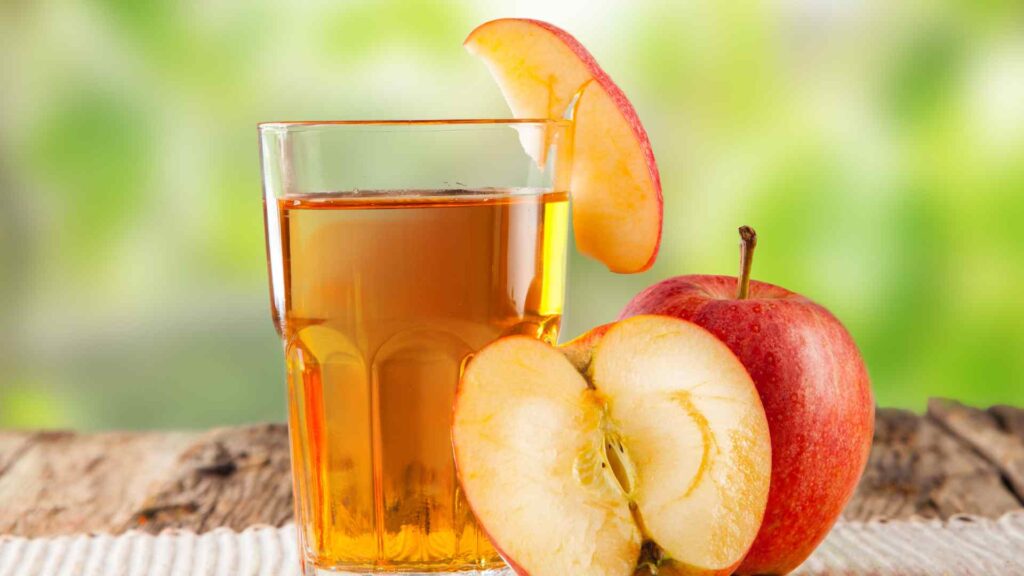
Apple stems, leaves, and seeds contain cyanogenic material, but Merck Veterinary Manual notes that fruit sold for human consumption has very low seed cyanide levels and toxicity would be rare. Chewing or grinding matters more than swallowing a couple of intact seeds.
Commercial filtered juice should not contain a mouthful of crushed seeds, and one sip is not equivalent to chewing an orchard’s worth. Report a home-pressed batch made with many crushed cores or plant material rather than using a generic seed count.
For whole-fruit preparation, see the apple guide. Remove cores, stems, and seeds before sharing flesh.
Moldy apples and homemade juice
FDA juice-safety guidance explains that patulin can occur when damaged, moldy, rotten, or improperly stored apples are used. Pasteurization does not reliably destroy patulin.
Do not press fallen, bruised, moldy, or rotten apples for a pet. Discard suspicious juice and secure compost and pomace where a dog cannot raid them.
Unpasteurized juice can also carry pathogens. A farm label or homemade origin is not evidence that raw juice is gentler.
Fermentation, cider, and alcohol
Apple cider may mean unfiltered sweet juice or an alcoholic fermented drink, depending on the product and region. Read the label instead of relying on the word cider.
Hard cider, apple wine, brandy, cocktails, and juice left fermenting are alcohol exposures. Call promptly for meaningful ingestion, wobbliness, vomiting, unusual sleepiness, slow breathing, low body temperature, or collapse.
A swollen bottle, fizz in a supposedly still homemade juice, pressure release, or alcoholic odor suggests fermentation or spoilage. Do not taste-test it for the dog.
Concentrate and additives
Frozen concentrate and reduced juice pack more sugar and acid into a smaller amount until correctly diluted. A dog can lap concentrate quickly from a thawing can.
Flavored drinks may add grape juice, artificial sweeteners, caffeine, vitamins, herbal extracts, dairy, or color. Sugar-free means read the sweetener panel for xylitol.
Apple-cider vinegar is not apple juice and should not be used as a hydration, flea, ear, skin, or digestive remedy. Concentrated acid can irritate tissue.
Bottles, pouches, and straws
Plastic bottles, caps, foil seals, straws, glass, juice-box liners, and squeeze-pouch tops can be swallowed. A broken glass or missing cap changes the event even when little juice is gone.
Sticky spills can also coat medications, cleaners, or rodent products stored nearby. Inventory the entire cupboard or trash area.
After an apple juice spill or raid
- Identify plain pasteurized juice, concentrate, blend, sugar-free drink, unpasteurized juice, fermented cider, alcohol, moldy homemade juice, or packaging.
- Photograph labels and estimate amount, time, dog weight, symptoms, conditions, medications, and normal diet.
- Flag xylitol, grape ingredients, alcohol, caffeine, crushed seeds or cores, moldy apples, spoilage, and missing caps, pouches, glass, or straws.
- Call promptly for a flagged hazard, symptoms, a large or unknown amount, medical restriction, or swallowed packaging. Do not induce vomiting unless directed.
Apple juice is not one standard product
Labels may say 100 percent apple, apple juice cocktail, apple drink, apple blend, concentrate, reduced sugar, diet, or sugar free. Those phrases describe very different proportions, sweeteners, calories, and companion juices.
Pure unsweetened apple juice is intensely tart, so many supermarket bottles dilute or sweeten it. Read ingredients, serving size, added sugar, calories, and every named juice before deciding what a dog swallowed.
A teaspoon licked from a glass is different from drinking a bowl, chewing a concentrate tube, or puncturing a family-size bottle. Amount relative to dog size and product strength matters.
Hydration and cleanse claims need a firm reality check
Apple juice does not treat dehydration, heat illness, constipation, diarrhea, urinary disease, low energy, or a vague need to cleanse. Sugar and flavor may encourage drinking while delaying care for the underlying problem.
Do not pour juice into the water bowl to manage reduced drinking, vomiting, diarrhea, straining, blood, odor, or frequent urination. Altering the only water source may reduce access to plain water.
Vomiting, diarrhea, excessive thirst, reduced drinking, weakness, or urinary changes have many possible causes. A dog that cannot keep water down, appears dehydrated, collapses, or repeatedly strains to urinate needs prompt veterinary care.
Never restrict plain water in an attempt to make urine more concentrated or to increase interest in flavored juice. Normal water access supports the dog, but drinking more at home does not relieve an obstruction or replace examination.
A veterinarian may need a properly collected urine sample and culture rather than a sample caught after home remedies begin. Antibiotics, pain relief, diet changes, or other care depend on the actual diagnosis.
Ask the clinic how it wants a urine sample collected and stored before arriving. Juice mixed into the water bowl can complicate the history and should be disclosed along with supplements, antibiotics, and every recent diet change.
Sugar and calories are the everyday problem
Apple cocktails and drinks may contain substantial added sugar. One ordinary sip is not sugar poisoning, but repeated servings add calories and can make weight or glucose management harder.
All extras share one calorie budget; the WSAVA treat guide recommends keeping them below 10 percent of daily intake. Sweet drinks are easy to overlook because they do not look like treats.
Dogs with diabetes, obesity, dental disease, gastrointestinal disease, or a prescription diet need stricter rules. Unsweetened does not mean calorie-free, and natural sugar still counts.
Sugar free means read, not panic
Xylitol can cause rapid hypoglycemia and sometimes liver injury in dogs. Merck’s xylitol guide recommends checking ingredient lists on sugar-free products.
Do not claim every diet apple drink contains xylitol because many use other sweeteners. If xylitol, birch sugar, or wood sugar is present, call a veterinarian or animal poison service immediately, even if the dog appears normal.
Other sweeteners are not automatically equivalent to xylitol, though some can cause digestive upset. Save the bottle so a professional can evaluate the actual ingredient and amount.
Apple blends may contain grape juice
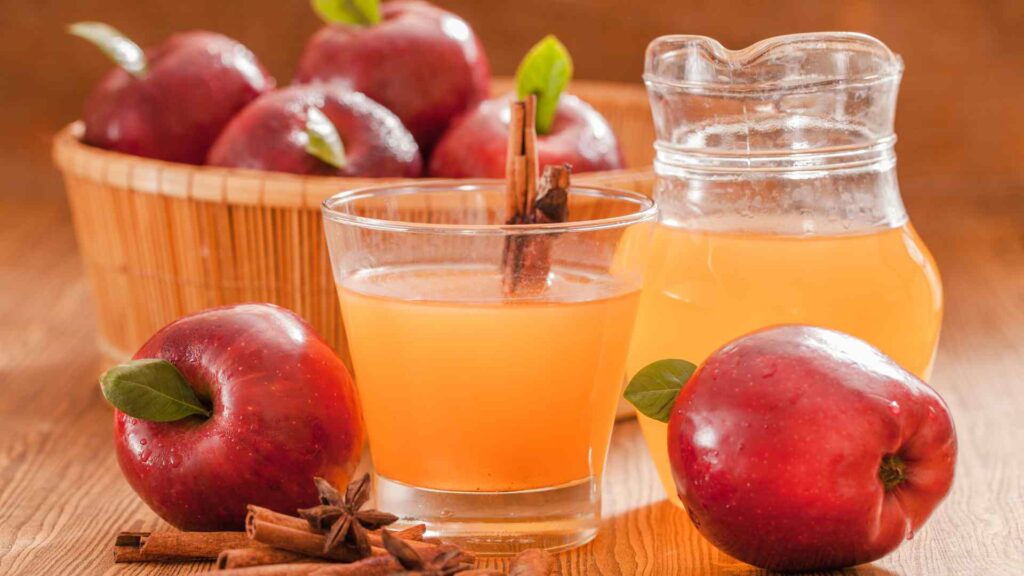
Apple-grape is a common blend, and grape ingredients turn the exposure into an urgent canine toxicology question. Color, seedless labeling, organic certification, or dilution does not make actual grapes or raisins safe.
Cornell’s grape and raisin guide says tartaric acid content and canine sensitivity vary, so any ingestion of grape or related Vitis fruit should be treated seriously.
Processed grape juice has not been associated with the same toxicosis in the way whole grapes and raisins have, according to Cornell, but a mixed product can contain fruit solids or unclear concentrate ingredients. Call with the exact label rather than guessing.
For actual fruit or raisins, use the site’s green grape guide or raisin guide and contact a professional immediately.
Acidity and concentration
Pure apple juice and concentrate can be harshly acidic and may cause drooling, nausea, vomiting, diarrhea, or abdominal discomfort after a large amount. Dilution changes taste and concentration but does not create a treatment dose.
Concentrate tubes, frozen cans, powders, and supplement chews may deliver much more apple material per mouthful than ready-to-drink juice. They may also add sweeteners, vitamins, herbs, or minerals.
Do not use apple juice to acidify a dog’s urine. Urine pH goals differ by stone type and disease, and inappropriate acidification can work against a veterinary plan.
Cocktails and alcohol
A apple cocktail may mean a nonalcoholic juice beverage or an alcoholic mixed drink. Ask which one, then identify vodka, liqueur, wine, bitters, cannabis, xylitol syrup, chocolate garnish, and other ingredients.
The ASPCA’s people-food safety guide warns that alcohol can cause vomiting, incoordination, breathing difficulty, tremors, coma, and death. A meaningful alcoholic-drink exposure deserves an immediate call.
Do not wait if a dog is wobbly, sleepy, cold, weak, vomiting repeatedly, collapsed, or breathing abnormally. Bring the alcohol percentage, drink size, missing amount, time, and dog weight.
Whole apples, dried fruit, and supplements are separate
A small peeled, seedless apple piece is not the same as juice because it retains texture and fiber. Dried apples concentrate sugar and may be mixed with raisins.
Supplements differ in ingredient, concentration, testing, and other active compounds. Use one only for a defined reason and with veterinary guidance, not because juice marketing promises detoxification or immunity.
Homemade apple water is still a nonstandard product. Boiling and diluting fruit does not establish safety, efficacy, storage life, or a treatment dose.
Apple-flavored treats may contain little apple and plenty of sugar, fat, starch, or other fruit. A picture of apples does not establish a therapeutic dose or evidence for a health benefit.
Bottles, caps, and drink containers
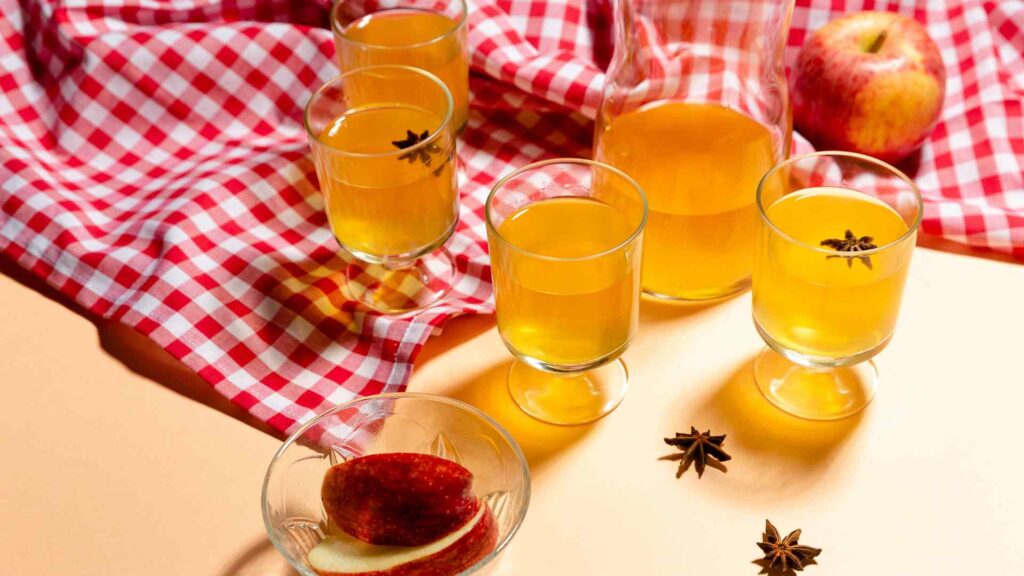
A dog may chew a bottle, cap, seal, straw, juice pouch, carton liner, concentrate lid, glass, or cocktail skewer while reaching the liquid. Missing plastic or sharp material can be more urgent than plain juice.
Repeated vomiting, retching, drooling, abdominal pain, a swollen abdomen, refusing food, or inability to keep water down can signal a foreign body. Do not wait for packaging to pass when symptoms appear.
What to do after a juice spill or raid
- Identify pure juice, cocktail, blend, concentrate, sugar-free drink, supplement, or alcoholic beverage.
- Photograph the ingredients and nutrition panel, including every fruit juice and sweetener.
- Estimate the amount, concentration, time, dog weight, symptoms, conditions, medications, and normal diet.
- Account for the bottle, cap, seal, straw, carton, pouch, glass, skewers, and wrappers.
- Call immediately for xylitol, alcohol, actual grapes or raisins, dangerous mix-ins, missing packaging, or significant symptoms.
A healthy adult dog that licked a tiny amount of plain unsweetened apple juice and remains normal can usually be monitored. Offer normal water, do not force fluids, and return to the complete diet.
A large amount, concentrate, repeated vomiting, marked diarrhea, pain, weakness, tremors, collapse, or abnormal behavior needs prompt veterinary advice. Puppies and medically fragile dogs deserve a lower threshold.
Do not induce vomiting or give sugar, salt, oil, charcoal, antacids, antibiotics, or human medicine unless a veterinarian directs it. Product ingredients and the dog’s condition determine the correct response.
Safer drink habits
Fresh water should remain the default drink. Adding juice can complicate calorie counting and create false reassurance when reduced drinking or dehydration needs examination.
If sweetness is the appeal, the brown sugar guide explains why ordinary sugar is unnecessary and why xylitol is a separate emergency. Dogs do not need flavored water for enrichment.
The lemon guide covers similar acidity and concentrate questions without suggesting juice as vitamin therapy. Apple juice also should not be marketed as immunity, dental, kidney, or antioxidant treatment.
Frequently asked questions
Can apple juice hydrate a sick dog?
No. Grocery apple juice does not prevent or treat dehydration, urinary disease, infection, or another medical problem, and supplements should be selected with the veterinarian.
Is unsweetened apple juice safe?
A tiny amount is often tolerated, but acidity, concentration, calories, blend ingredients, dog health, and amount still matter. It is not necessary for routine feeding.
Can I add apple juice to my dog’s water?
Do not alter the main water supply, especially during illness. Keep plain fresh water available and ask the veterinarian about any therapeutic product.
What if the drink contains grape juice?
Save the label and call promptly, particularly if actual grape solids, whole fruit, or raisins may be present. Do not wait for kidney-related symptoms.
The bottom line
One tiny taste of plain unsweetened apple juice is usually a minor event for a healthy adult dog, but juice is unnecessary. Sugar, acidity, concentrate strength, blended fruits, and packaging matter.
Xylitol, grape or raisin material, alcohol, severe symptoms, and missing containers require faster action. Apple juice is not hydration therapy, a cleanse, or a substitute for examination.