Can Dogs Eat Dill? Herb, Pickles, and Essential Oil
Dogs can eat a tiny amount of correctly identified fresh or dried culinary dill. Plain dill is not a needed supplement, and concentrated dill oil, herbal extracts, pickles, seasoning blends, sauces, and an unknown garden plant require different decisions.
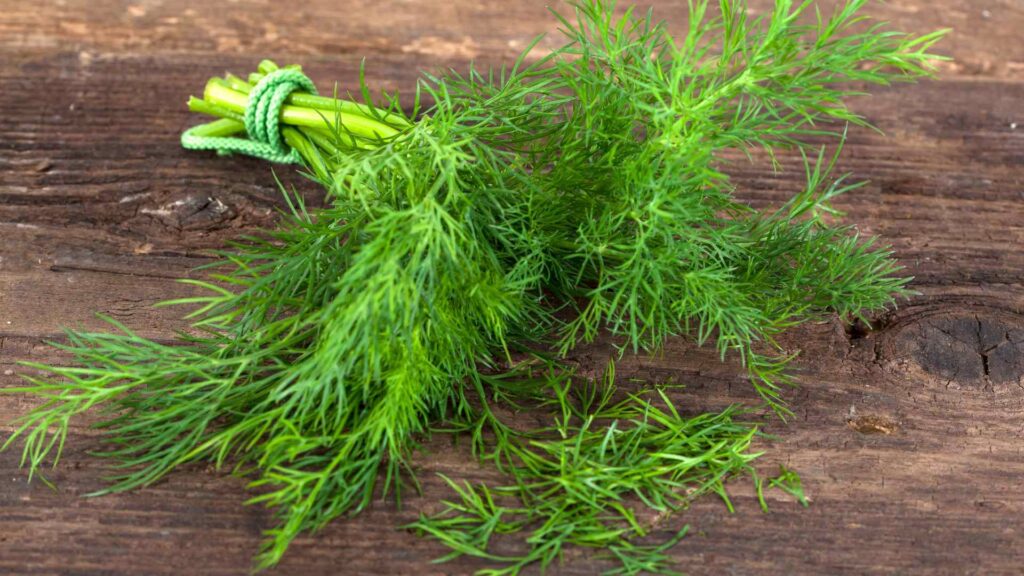
Culinary dill is the low-concern form
Culinary dill is Anethum graveolens, an aromatic herb in the carrot family. A few washed leaf fronds or a light dusting of plain dried dill is much less concentrated than an essential oil or extract.
The ASPCA lists dill as non-toxic to dogs, while noting dermatitis with prolonged contact. Non-toxic does not mean unlimited or therapeutic.
How to offer a taste
- Confirm the plant or package says culinary dill and is free of pesticides or garden chemicals.
- Rinse fresh fronds under running water, dry them, and remove tough stems.
- Chop a few soft leaves finely and mix only a pinch into the regular meal.
- Use plain dried dill sparingly because a small spoonful represents much more herb than one fresh frond.
- Stop if vomiting, diarrhea, itching, facial swelling, or unusual behavior appears.
There is no reason to feed a bunch, whole stem, flower head, or spoonful of seed. A tiny taste is enough to learn whether the dog tolerates the herb.
Dill seed is not dill weed
Dill weed means the feathery leaves, while dill seed is the dried fruit used as a stronger spice. Neither is considered a routine dog supplement, and the concentrated flavor of seed makes generous amounts more likely to irritate the stomach.
Check spice jars for salt, garlic, onion, pepper, and anti-caking blends. A jar labeled dill seasoning may contain much more than dill.
Dill essential oil is a different exposure
Essential oils are concentrated volatile plant constituents, not bottled servings of the culinary herb. They can be absorbed by ingestion, skin, lungs, and mucous membranes.
The Merck Veterinary Manual states that higher essential-oil concentration increases risk and advises against applying concentrated oils directly to pets.
Signs after oil exposure
Drooling, vomiting, lethargy, poor coordination, loss of appetite, tremors, coughing, wheezing, or breathing difficulty can follow essential-oil exposure. Signs may develop within minutes to hours and depend on the oil, concentration, route, and amount.
Move the dog to fresh air after inhalation, prevent licking, and call promptly with the exact product. Merck advises against inducing vomiting after essential-oil ingestion because aspiration is a concern.
Oil on fur or skin
Remove access to the spilled bottle and stop the dog from grooming. Call for decontamination instructions because a cleanser suitable for one product or location may irritate another.
Do not apply more oil, alcohol, vinegar, or a homemade dilution to neutralize it. Eyes, mouth, broken skin, breathing signs, or a large spill deserve immediate professional guidance.
Diffusers and room fragrance
A passive diffuser mainly creates vapor unless it spills, while active devices can release droplets that settle on fur and are later swallowed during grooming. Dogs with chronic respiratory disease may be more vulnerable to airborne irritation.
Do not diffuse dill oil to calm a dog, improve breathing, treat parasites, or freshen breath. Remove the dog from the room, ventilate, and call if coughing, watery eyes, drooling, vomiting, or labored breathing develops.
Pickles are mostly a brine question
Dill pickles commonly contain salt and may include garlic, onion, hot pepper, sugar, or sweeteners. The cucumber and dill do not erase the brine or seasonings.
Our pickle guide separates one plain slice from drinking brine or raiding a jar. Save the label and count the lid, seal, glass, and any missing jar pieces.
Dill pickle chips and snacks
Dill-flavored chips, crackers, popcorn, nuts, and pretzels can deliver substantial sodium, fat, calories, and powdered onion or garlic. “Natural flavor” does not tell you the recipe well enough to approve a bag raid.
A crumb is usually an observation issue after the label is checked, while a large theft or serious symptoms needs advice. Our salt guide covers concentrated exposures without recommending forced water.
Seasoning blends
Ranch, seafood, lemon-dill, garlic-dill, and herb blends may contain Alliums, salt, citrus oil, mustard, dairy, or sweeteners. Read every line rather than assuming the largest word on the front is the only ingredient.
Garlic and onion remain hazardous when dried or powdered. Our garlic guide explains why cumulative Allium exposure deserves a more careful history than one moment of stomach upset.
Dill sauces and dips
Creamy dill sauce can include mayonnaise, sour cream, yogurt, garlic, onion, mustard, lemon, salt, and fat. A fish dish may also contain bones, skin, butter, or raw seafood.
Inventory the whole plate after a theft. Our fish guide covers bones and preparation, but the sauce label or recipe still controls the seasoning decision.
Garden dill must be positively identified
Dill belongs to the Apiaceae family, which also contains edible herbs and dangerous look-alikes. Do not use a phone app or a feathery-leaf guess to authorize a dog to graze.
The University of Minnesota Extension describes poison hemlock as highly poisonous and notes its smooth hollow stem with purple spotting, fern-like leaves, and white umbrella-shaped flowers. Leave unknown plants in place, photograph them, and contact an expert or poison service.
Pesticides and fertilizers
A correctly identified dill plant can still carry slug bait, weed killer, insecticide, fertilizer, compost, or contaminated soil. The chemical label and amount matter more than the herb name in that situation.
Do not rinse a recently treated plant and assume it is safe. Call with the product label, application time, plant part eaten, and symptoms.
Allergy and contact irritation
Food allergy to dill is not a common default explanation, but any individual can react to a new ingredient. Prolonged plant or oil contact can also irritate skin without proving a food allergy.
Stop exposure and call for facial swelling, widespread hives, breathing difficulty, weakness, or collapse. Mild recurring skin or digestive signs need a veterinary workup rather than repeated home challenges.
Dill is not a digestive remedy
Do not use dill to treat gas, nausea, constipation, diarrhea, parasites, poor appetite, or abdominal pain. These signs can reflect obstruction, pancreatitis, infection, toxin exposure, or other conditions that an herb will not diagnose.
Repeated vomiting, a painful or swollen abdomen, inability to keep water down, bloody stool, black stool, or marked lethargy needs veterinary advice. Adding fragrant food can make nausea worse.
No breath or milk-production claims
Dill does not replace dental care, and masking odor can delay recognition of periodontal disease, oral injury, kidney disease, or diabetes. Brush with pet toothpaste and use a veterinarian-approved dental plan.
Do not give dill or dill oil to increase milk production in a nursing dog. Lactation problems can endanger the mother and puppies and need prompt veterinary evaluation of nutrition, infection, calcium balance, and milk supply.
Treat portions still count
A pinch of herb contributes little energy, but the cheese, oil, dip, cracker, or meat carrying it may not. Keep the entire dressed snack within the dog’s treat allowance and protect a complete diet.
The culinary herb has no dose that guarantees benefit. If the dog enjoys greens, use a tiny supervised taste rather than a daily medicinal ritual.
Fresh and dried dill storage
Refrigerate fresh dill cleanly and discard slimy, moldy, or foul-smelling bunches. Keep dried dill and seed sealed, dry, and away from heat so moisture and spoilage do not turn an ordinary spice into a questionable exposure.
A produce bag, rubber band, twist tie, clamshell, silica packet, or spice-jar insert can be swallowed during a raid. Count packaging before deciding the dog ate only an herb.
If the dog ate a bunch
A bunch of correctly identified untreated dill is not automatically a poisoning emergency, but its stems and volume can cause gagging, vomiting, gas, or diarrhea. Remove what remains and estimate the amount, plant parts, and packaging.
Call for repeated vomiting, inability to swallow water, a painful or swollen abdomen, severe lethargy, or breathing trouble. A small dog that swallowed bound stems deserves more caution than a large dog that nibbled loose leaves.
Dill in cooked meals
Plain dill added to a fully cooked meal does not neutralize butter, salt, bones, fatty skin, onion, garlic, alcohol, or sauce. Work from the full recipe and the portion missing rather than treating the herb garnish as the meal’s identity.
If the dish is part of a therapeutic or allergy diet, call the treating team before adjusting the next meal. Do not compensate for a rich theft by fasting a puppy, changing medication, or improvising a bland diet.
Dried-herb inhalation
A dog that knocks over a spice container can inhale dust into the nose and airways. Move the dog away from airborne powder, ventilate, and avoid flushing the nose or forcing water into the mouth.
Brief sneezing may settle, but persistent coughing, wheezing, nasal discharge, distress, or abnormal breathing needs veterinary advice. Bring the exact blend because chile, garlic, and other powders may add irritation or toxicity.
What to do after exposure
- Remove the herb, oil, diffuser, plant, food, spice jar, and packaging from reach.
- Identify culinary dill, seed, oil, extract, seasoning blend, pickle, sauce, or unknown plant.
- Record the amount, time, dog’s weight, symptoms, medicines, and medical conditions.
- Photograph labels and unknown plants, including stems, leaves, flowers, and growth location.
- Call promptly for essential oil, uncertain plant identity, pesticide, Allium, large exposure, or serious symptoms.
Bottom line
A pinch of correctly identified plain culinary dill is generally low risk, but dogs do not need it for digestion, breath, immunity, or milk production. Keep essential oil off the dog, verify garden plants, read pickle and seasoning labels, and use symptoms and co-ingredients to decide when to call.