Can Dogs Eat Blackberries? Safe Portions and Product Pitfalls
Yes, dogs can eat a few plain, ripe blackberries after they are washed, stripped of stems and leaves, then cut or mashed for a small dog or enthusiastic gulper. The berry itself is generally safe, but jam, baked goods, mixed fruit, and mystery berries on a trail can turn a simple snack into a label-reading exercise.
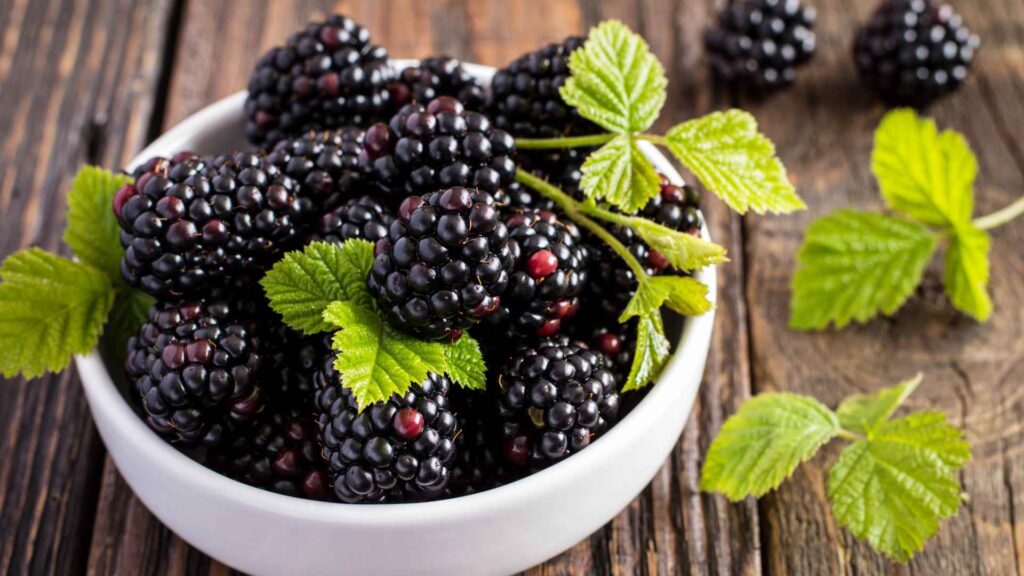
Blackberries at a glance
- Serve only correctly identified, fresh blackberries that look and smell normal.
- Rinse them under running water and remove stems, leaves, dirt, and damaged fruit.
- Give one small taste first, then watch for digestive upset.
- Cut, squash, or mash whole berries for tiny dogs and dogs that bolt food.
- Keep all treats together below 10 percent of daily calories.
A blackberry does not need yogurt, honey, whipped cream, or a smoothie to become appealing. Plain is easier on the calorie budget and far easier to evaluate if your dog later feels unwell.
Are blackberries toxic to dogs?
Plain blackberries are not treated as a poisonous fruit for dogs. A veterinarian-reviewed PetMD guide to blackberries describes them as an occasional treat and points out that their small serving contributes little meaningful nutrition.
That last detail is refreshingly useful. Blackberries contain nutrients, but a few berries cannot treat inflammation, prevent cancer, boost immunity, cure constipation, or repair an unbalanced diet.
The fruit does bring natural sugar and fiber, so a berry pile can cause gas, soft stool, vomiting, or abdominal discomfort. Stop serving it if your dog reacts poorly, and contact the veterinarian if symptoms are severe, persistent, bloody, or paired with lethargy.
Added xylitol is a separate problem
Do not confuse plain, ripe fruit with blackberry-flavored gum, candy, jam, protein products, or baked goods. A dog that eats a few plain blackberries has a different exposure from one that raids a product whose ingredient list contains concentrated xylitol.
Check every sugar-free or reduced-sugar label for xylitol, which may also be marketed as birch sugar. If it appears on the label and your dog may have eaten the product, call a veterinarian or animal poison service immediately rather than calculating risk at home.
The FDA warns that added xylitol can rapidly lower a dog’s blood sugar and may also injure the liver. Weakness, vomiting, poor coordination, collapse, and seizures after a possible xylitol exposure are emergencies, but waiting for symptoms is not recommended.
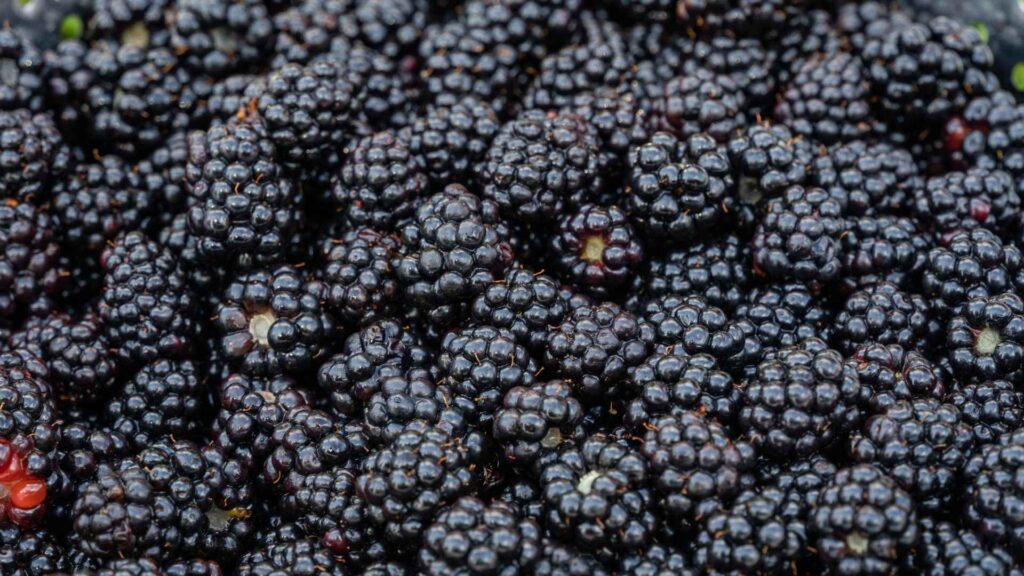
How to prepare fresh blackberries
Sort the container first. Discard berries that are crushed, leaking, fuzzy with mold, unusually soft, or sour and fermented-smelling, since washing cannot rescue spoiled fruit.
Rinse the berries gently under running water just before serving and pat them dry. The FDA’s produce-safety advice says not to use soap, detergent, or commercial produce wash on fruits and vegetables.
Remove attached stems and leaves, then size the fruit for your dog. A whole blackberry may be fine for a calm large dog, but quartering or mashing is the sensible move for a toy breed, puppy, senior with dental trouble, or habitual gulper.
Give one berry or a small piece the first time rather than dropping a handful into dinner. If your dog handles it well, the future portion can remain modest and occasional.
How many blackberries can a dog have?
No rigid berry chart can account for body size, daily food, exercise, health conditions, and every other reward. One mashed berry may be plenty for a tiny dog, while a few berries may fit a healthy large dog’s plan, but neither dog needs a bowlful.
The WSAVA treat guide recommends that extras contribute less than 10 percent of a dog’s daily calories. That allowance covers all extras, including dental chews, training rewards, table bites, and fruit.
For a dog with diabetes, excess weight, pancreatitis, chronic bowel disease, food allergy, or a prescription diet, ask the veterinarian before making blackberries routine. During a strict elimination-food trial, even one berry is an unplanned ingredient.
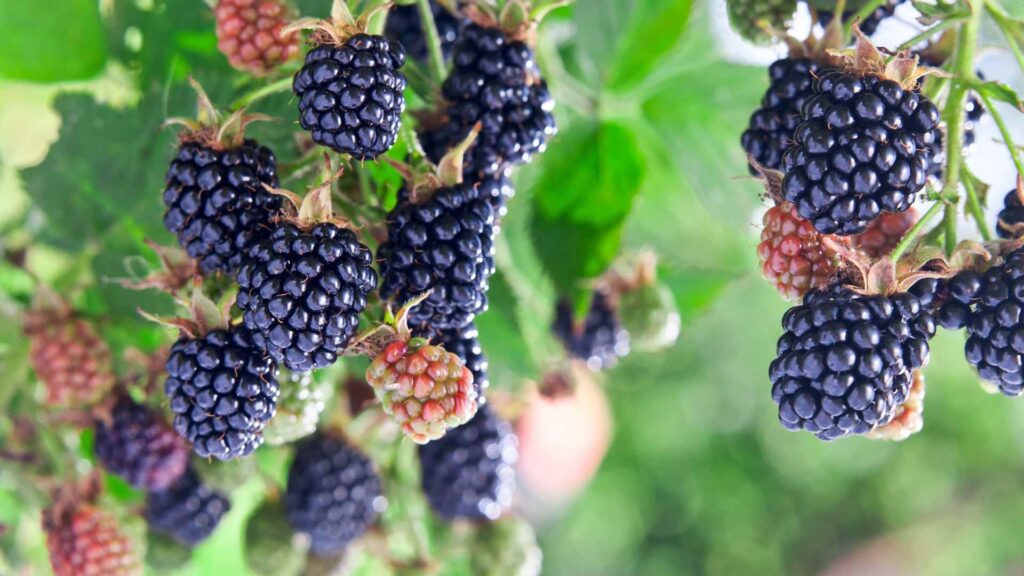
Wild blackberries require more judgment
A known blackberry from an unsprayed patch can be prepared like a store-bought one, but “dark berry on a bush” is not an identification method. Pokeweed, holly, mistletoe, and other plants can carry berries dogs should not eat.
Do not let a dog graze freely when you cannot identify the plant with confidence. Take clear photos of the berries, leaves, stems, and entire plant if an unknown fruit was swallowed, then call a veterinarian or poison service for identification and triage.
Avoid patches treated with pesticides or herbicides, plants beside polluted road runoff, and fruit contaminated by animal waste. Washing reduces surface dirt and some residue, but it does not turn a sprayed, spoiled, or unidentified berry into a safe snack.
Thorns create their own nuisance around eyes, noses, paws, and mouths. Pick the berries yourself and serve them away from the bramble instead of inviting your dog to conduct a face-first harvest.
Fresh, frozen, dried, and mixed berries
Plain frozen blackberries with no added sweetener can be thawed and mashed. A hard frozen berry can be a choking or tooth hazard, so do not assume colder automatically means better enrichment.
Dried blackberries are smaller but more concentrated in sugar and calories, and commercial mixes often contain other ingredients. Read the entire label and skip any mix containing raisins, because grapes and raisins can cause acute kidney injury in dogs.
Mixed frozen fruit deserves the same inspection. Plain cranberries have different preparation considerations, while grapes in the same bag turn the mixture into something you should not share.
Fruit that has thawed into a warm, leaking puddle or smells fermented belongs in the trash. Refrigerate prepared berries and clean bowls, knives, cutting boards, and hands after handling damaged produce.
Jam, jelly, muffins, pie, and smoothies
Blackberry jam and jelly are usually high in added sugar, and sugar-free versions may contain xylitol. A tiny lick of ordinary jam is generally a stomach-and-calorie concern, but the product label decides whether urgent toxicology advice is necessary.
Muffins, pies, cobblers, and bars may add butter, chocolate, raisins, macadamia nuts, alcohol, or artificial sweetener. Do not judge a baked product by the berry pictured on its package.
Smoothies can hide grapes, protein powders, caffeine, chocolate, supplements, and sweeteners, while dairy may upset a lactose-intolerant dog. Our milk guide explains why dairy tolerance varies, but the safest blackberry serving does not require a blender.
Peanut butter and berry enrichment can work only after the peanut-butter label is checked for xylitol. The same label rule applies every time, because manufacturers can change formulas.

What if my dog ate too many?
The container matters almost as much as the count. A dog that stole berries from a ventilated carton may also have swallowed absorbent padding or plastic film, creating a foreign-body question that plain fruit alone would not.
Check the floor, trash, and remaining package rather than assuming the missing berries tell the whole story. Mention damaged packaging during the veterinary call, especially if pieces are unaccounted for.
Remove the remaining food and determine what it actually contained. Count or estimate the berries, save packaging and ingredient lists, note the time, and check whether grapes, xylitol, chocolate, or another risky ingredient was part of the raid.
A healthy dog that ate several plain berries and feels normal can often be watched for digestive upset after a veterinary phone consultation. Do not fast a puppy, withhold prescribed medicine, or give anti-diarrheal drugs without professional direction.
Call promptly for repeated vomiting or diarrhea, blood, a painful or swollen abdomen, marked lethargy, facial swelling, breathing trouble, tremors, wobbliness, collapse, or seizures. Unknown wild berries and any possible xylitol or grape exposure deserve immediate expert advice even before signs appear.
Do not induce vomiting unless a veterinarian or animal poison specialist instructs you. The safest response depends on the ingredient, dose, timing, symptoms, and dog’s medical history.
For mild digestive upset after a known small amount of plain fruit, keep fresh water available and remove further treats. Ask the veterinarian what and when to feed next instead of improvising a prolonged fast, especially for a puppy, senior, toy breed, or dog with diabetes.

Frequently asked blackberry questions
Can puppies have blackberries?
A weaned puppy may taste a tiny mashed piece if the veterinarian has no dietary concerns. Puppy food needs to supply balanced growth nutrition, so fruit should stay a minor extra rather than becoming a daily bowl topper.
Are blackberry seeds dangerous?
The tiny seeds in ripe blackberry flesh are not treated like peach pits and normally do not need to be removed. They can add to the berry’s fibrous texture, which is another reason to start small with a sensitive dog.
Can blackberries treat constipation?
No, a berry is not a diagnosis or a reliable constipation treatment. Straining, pain, vomiting, lethargy, a swollen abdomen, or failure to pass stool warrants veterinary advice because obstruction and other illnesses can look like simple constipation.
Are bananas a safer fruit?
Both can be optional treats when properly prepared, but neither is necessary. See our banana guide for its own portion, peel, and product considerations.
The bottom line
A few washed, correctly identified blackberries can be a fun treat when they are plain and sized for safe swallowing. Keep wild-berry identification strict, treat added xylitol as a separate emergency, and let balanced dog food carry the nutritional workload.