Can Dogs Eat Oranges? Flesh, Peel, Juice, and Citrus Oil
Yes, most healthy dogs can eat a small piece of fresh orange flesh. Remove the peel, thick pith, seeds, stem, and leaves, separate the flesh into tiny pieces, and skip juice, marmalade, candied peel, essential oil, and mixed citrus drinks.
The useful answer is about parts
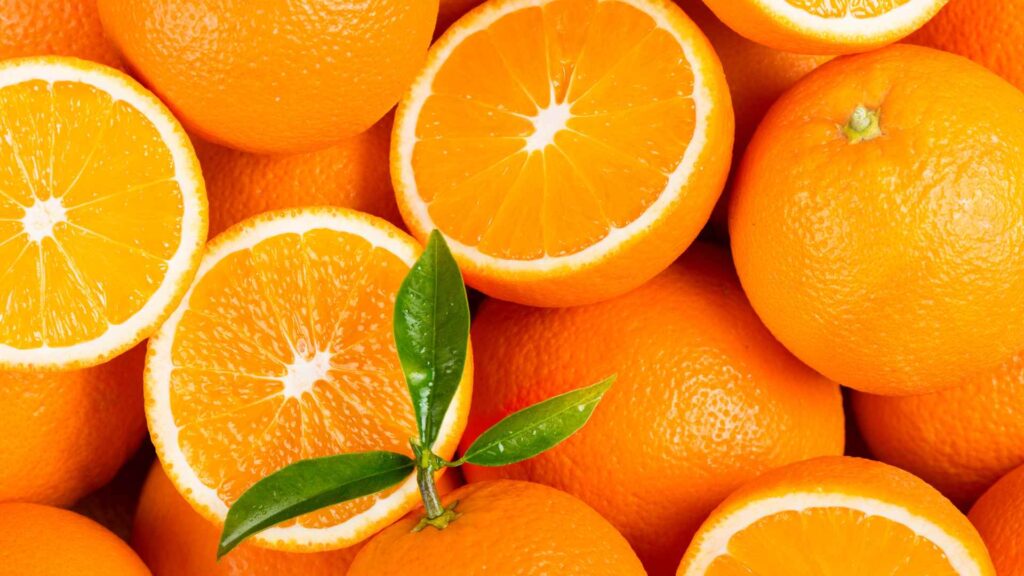
The juicy flesh inside a sweet orange is not considered toxic to dogs, and a small taste is usually low risk. The peel, plant material, and concentrated citrus products deserve a different answer.
The veterinarian-reviewed PetMD orange guide advises removing peel, pith, and seeds before offering small pieces. It also notes that sugar and acidity make oranges a poor fit for some dogs.
Dogs do not need orange for vitamin C, hydration, or immune support. A complete and balanced diet already handles routine nutrient needs, while clean drinking water remains the everyday hydration source.
Orange flesh: optional, tart, and easy to overdo
Some dogs adore the bright sweetness, while others recoil from the citrus smell. Either reaction is fine because orange is an optional treat, not a food a dog must learn to enjoy.
A first taste should be one tiny piece with membranes that are easy to chew. Stop if it triggers drooling, lip licking, vomiting, gas, loose stool, itching, or another unusual response.
Orange contains natural sugar and acid, so a large serving can upset the digestive tract. Dogs with diabetes, calorie restrictions, recurring digestive trouble, or a veterinary therapeutic diet should receive only treats approved for their individual plan.
Why the peel is not a dog treat
Orange peel is tough, fibrous, bitter, and rich in aromatic citrus oils. It can cause gastrointestinal irritation, and a large wad can be difficult to pass through the digestive tract.
The ASPCA orange plant entry identifies essential oils and psoralens as toxic principles and notes that the fruit itself is edible. Its reported signs include vomiting, diarrhea, depression, and possible skin irritation.
A tiny accidental scrap of peel may cause nothing more than an upset stomach, but “not always an emergency” does not mean “safe to feed.” Remove peel before serving so the dog never has to prove how well it can pass a leathery strip.
Pith, seeds, stems, and leaves
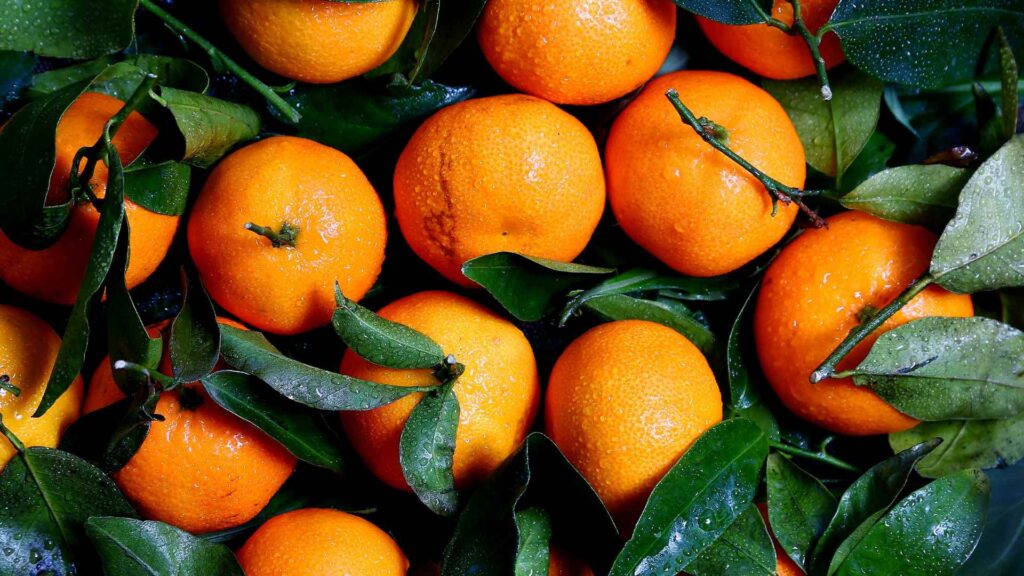
Pith: The white layer is not the concentrated oil reservoir that colored peel is, but thick pith is fibrous and bitter. Removing it makes the bite smaller, softer, and easier to assess.
Seeds: Remove visible seeds rather than inviting a dog to swallow them. A stray seed is unlikely to cause poisoning, but seeds add no value and can be a physical nuisance for a tiny dog.
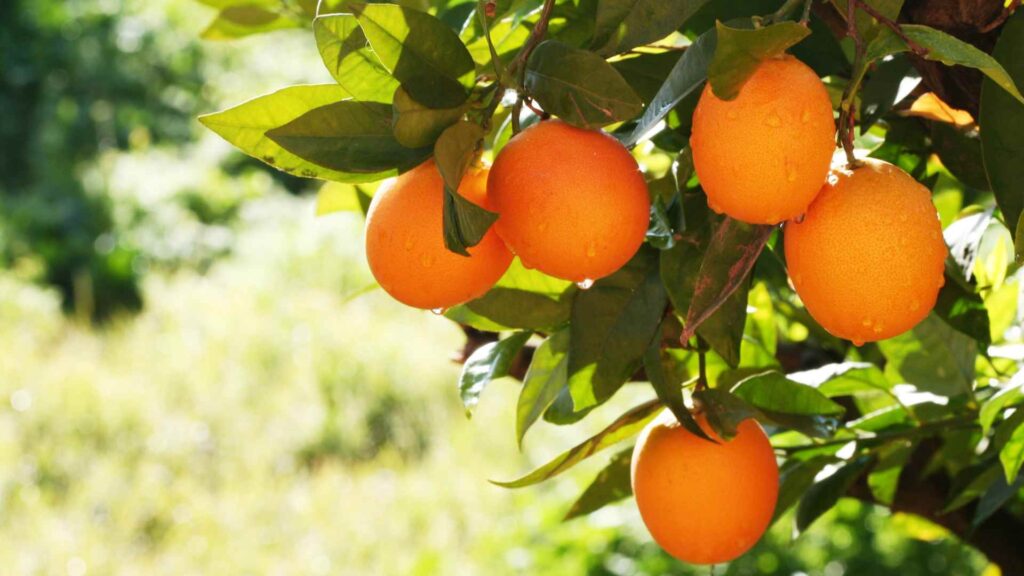
Stem and leaves: Do not feed them, and keep dogs from chewing citrus plants or garden trimmings. Plant material can expose a dog to oils and irritants in a tougher, less digestible package.
Membrane: The thin membrane around a segment is usually manageable in a small piece, but it can be stringy. Remove thick connective material for toy breeds, puppies, senior dogs, or any dog that gulps.
A simple preparation method
Wash the intact orange before peeling so dirt on the outside does not transfer to your hands and the flesh. Choose fresh fruit without mold, fermentation, leaking spots, or an alcohol-like smell.
Peel completely, remove thick white pith, check every segment for seeds, and cut the flesh into small pieces. Place one piece in the dog’s bowl or offer it by hand while supervising.
Do not serve a whole segment to a toy breed or fast eater. Rounded, slippery food can be swallowed with very little chewing, so piece shape matters even when the ingredient itself is safe.
How much orange is reasonable?
No dog needs a prescribed number of orange segments. Begin with one bite, keep future portions modest, and remember that a small dog has far less room for treat calories than a large dog.
The UC Davis School of Veterinary Medicine treat guidance recommends that at least 90 percent of daily calories come from complete and balanced food. Every edible extra counts, including fruit, chews, table scraps, and rewards used during training.
If several family members offer treats, use a daily container so everyone can see what remains. The easiest portion mistake is not one generous hand, but five reasonable hands that never compare notes.
Orange juice is not orange flesh
Juicing removes much of the structure that slows eating and makes a concentrated, easy-to-lap source of sugar and acid. Commercial juice can also include added sugar, flavorings, or blends with other fruits.
Do not add juice to a water bowl to make a reluctant dog drink. A dog refusing water, repeatedly vomiting, acting weak, or showing signs of heat illness needs proper assessment rather than a sweetened workaround.
A lick from a spilled glass of ordinary orange juice is usually a monitoring event for a healthy dog. A large amount, a sugar-free product, a cocktail, or juice containing grapes calls for ingredient-specific advice.
Marmalade, candied peel, and baked goods
Marmalade combines concentrated sugar with pieces of peel, which is the very part we remove for dogs. Sugar-free marmalade may use sweeteners, so check specifically for xylitol and the label term “birch sugar.”
Candied peel is still peel, now carrying a heavy sugar coating. Orange cake, chocolate-orange sweets, pastries, and cranberry-orange breads can add chocolate, raisins, alcohol, macadamia nuts, fatty frosting, or xylitol.
If a dog raids a baked product, save the package and recipe. The orange flavor may be the least important ingredient in the triage decision.
Orange essential oil is a separate hazard
Essential oil is not fruit juice and should never be added to food, water, fur, bedding, or a dog’s mouth. Distillation or pressing creates a concentrated product whose dose and absorption are nothing like eating one small piece of flesh.
The Merck Veterinary Manual’s essential-oil guidance explains that oils may be absorbed through the skin, lungs, and digestive tract, and can cause gastrointestinal, neurologic, or respiratory signs. Risk depends on concentration, route, amount, and the animal.
Keep bottles, diffusers, cleaning concentrates, and oil-soaked cloths inaccessible. A spill on fur can become an oral exposure when the dog grooms, so call promptly for decontamination advice instead of applying another product.

Can oranges hydrate a dog?
Orange flesh contains water, but a treat-size piece does not correct dehydration. Water content is a feature of the food, not evidence that it treats fluid loss, heatstroke, vomiting, kidney disease, or diarrhea.
Provide clean water routinely and follow a veterinarian’s plan when illness changes fluid needs. Never force citrus or liquid into a weak, vomiting, coughing, or poorly responsive dog because aspiration can add another emergency.
Dogs who should be especially selective
Dogs with diabetes: Fruit sugar must fit a veterinarian-designed feeding and medication plan. Do not use orange to correct suspected low blood sugar unless the dog’s clinician has provided that exact emergency instruction.
Dogs with chronic digestive disease: Acidity, sugar, pulp, and new fiber may worsen signs. A bland reputation in human conversation does not make citrus a veterinary gastrointestinal diet.
Dogs with dental pain or swallowing difficulty: Avoid tough membrane and slippery segments, and use only an approved texture. Coughing, gagging, dropping food, or chewing on one side deserves evaluation.
Dogs on prescription or elimination diets: Treat restrictions protect the purpose of the plan. Ask before introducing orange, even if another dog in the home eats it comfortably.
Puppies and toy breeds: Use tiny pieces and a tiny calorie allowance. Growing dogs need balanced puppy food, and a whole citrus segment can be a choking hazard.
What to do when a dog steals an orange
If a healthy dog eats a few seedless pieces of peeled flesh, remove the rest and watch for digestive upset. Offer normal water and avoid piling on more treats while the stomach settles.
After peel, leaves, stems, a large amount, or concentrated oil, record what disappeared, the amount, time, dog weight, and signs. Contact a veterinarian or animal poison service for a risk assessment tailored to the exposure.
Seek urgent care for trouble breathing, repeated vomiting, pronounced weakness, tremors, inability to stand, collapse, severe drooling, or altered awareness. Persistent abdominal pain, appetite loss, or inability to keep water down also warrants prompt care.
Do not induce vomiting or give oil, milk, salt, peroxide, charcoal, or food unless a veterinary professional specifically directs it. Essential-oil and obstruction cases can become more dangerous with the wrong home response.

Other fruits are not interchangeable
For a different occasional fruit, compare peeled mango flesh, prepared pear, or carefully served pomegranate. Each has unique pit, core, seed, sugar, or digestive considerations.
Coconut products are especially easy to confuse, so check the guide to coconut flesh, milk, water, and oil before sharing them. Most importantly, never generalize orange safety to grapes or raisins, which can cause acute kidney injury in dogs.
The bottom line
A tiny piece of peeled, seedless orange flesh is an acceptable occasional treat for many healthy dogs. Cut it small, introduce it slowly, and let the dog’s appetite and digestion vote on whether it appears again.
Peel, thick pith, seeds, plant material, juice, marmalade, candied products, and essential oils need separate decisions. Orange is a bit of culinary variety, not vitamin therapy, hydration treatment, or a reason to ignore a complete canine diet.