Can Dogs Eat Tomatoes? Ripe Fruit, Green Parts, and Sauces
Yes, most healthy dogs can eat a small amount of ripe red tomato flesh. Remove the stem and leaves, skip green or unripe tomatoes, cut the ripe fruit into manageable pieces, and keep tomato plants, sauces, ketchup, salsa, and seasoned dishes off the menu.
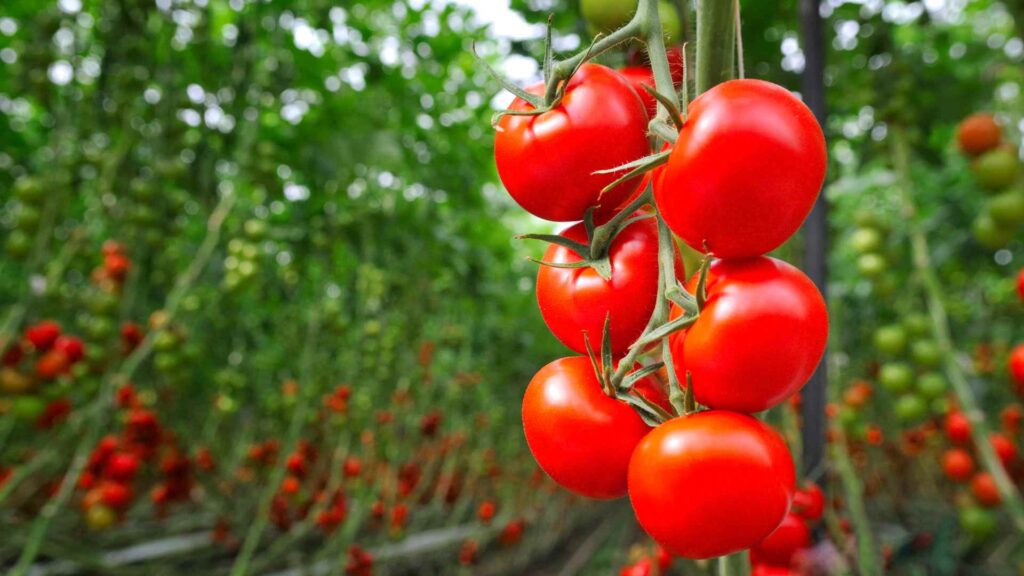
Ripe tomato and tomato plant are not the same snack
The soft flesh of a fully ripe red tomato is generally considered safe in a small amount. The green parts of the plant, including stems and leaves, contain more defensive plant chemicals and should not be fed.
Unripe green tomatoes also contain more of those compounds than ripe fruit. The veterinarian-reviewed PetMD tomato guide makes this practical distinction and advises keeping dogs away from tomato plants.
This is why “tomatoes are toxic” is too broad, while “all tomatoes are safe” is equally unhelpful. Ripeness, plant part, amount, dog size, and added ingredients determine the real risk.
Tomatine, solanine, and clearer terminology
Tomato plants contain steroidal glycoalkaloids, with alpha-tomatine being the compound most closely associated with tomatoes. Solanine is a related glycoalkaloid more strongly associated with potatoes, though some pet-safety pages use “solanine” broadly when discussing tomato plants.
A recent peer-reviewed review of tomato steroidal alkaloids describes higher tomatine-related compounds in immature fruit and their decline during ripening. That pattern supports the familiar advice to choose only fully ripe fruit and remove every green plant part.
The ASPCA tomato plant entry lists the ripe fruit as non-toxic while warning about the green plant. Different references may choose different headline terminology, but the useful household rule stays consistent.
What a safe tomato serving looks like
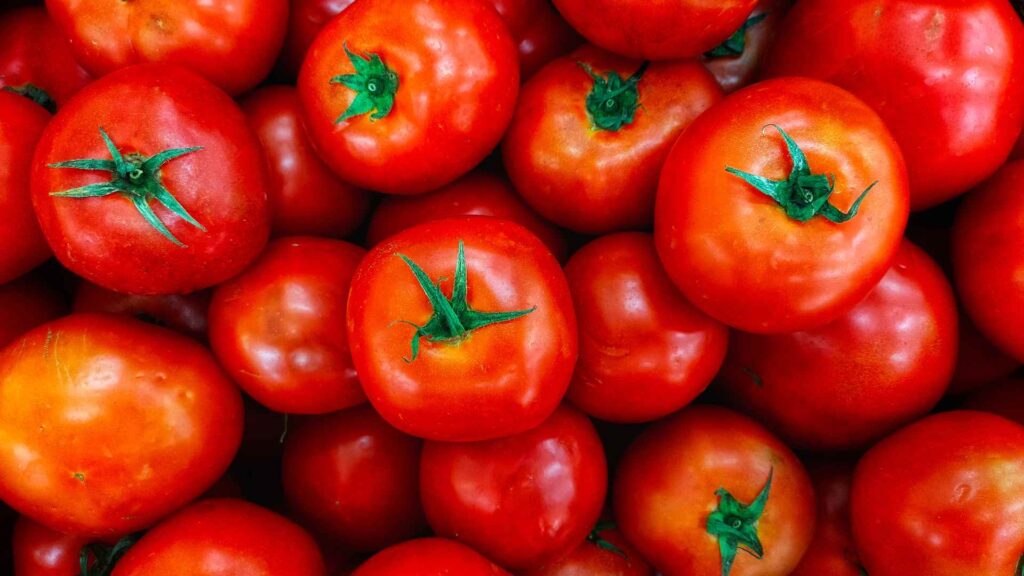
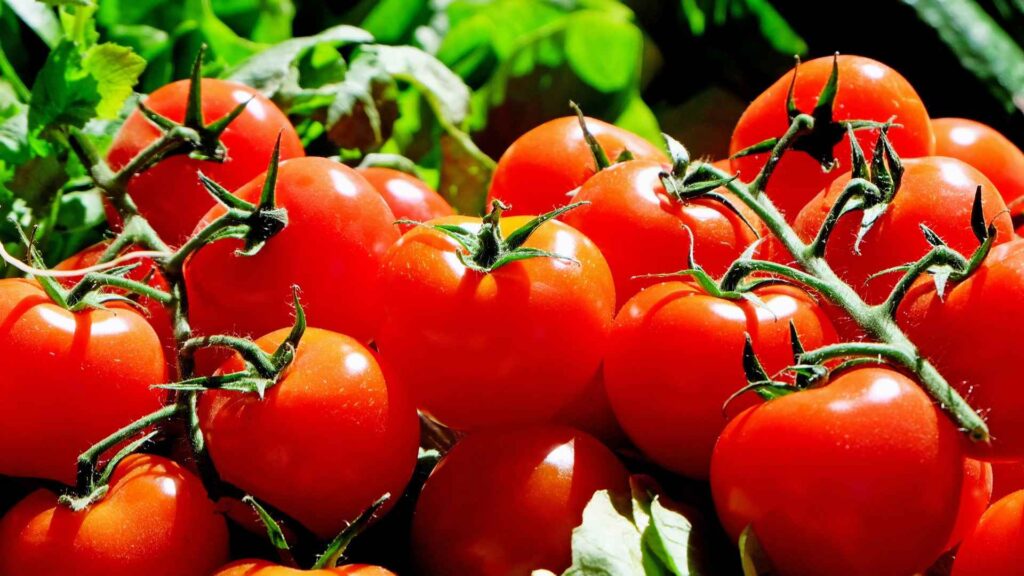
Choose a sound, fully red tomato with no mold or spoiled areas. Wash it under running water, remove the stem, leafy cap, and any attached vine, then cut the flesh into small pieces.
Cherry and grape tomatoes still need cutting because their round, slippery shape can be a choking hazard. Halve or quarter them lengthwise, with especially small pieces for puppies, toy breeds, and enthusiastic gulpers.
Start with one piece and wait before offering more. Tomato is acidic and includes skin, seeds, and fiber, so an unfamiliar helping may cause vomiting, loose stool, or gas even when no poisoning is involved.
The seeds inside ripe tomato flesh do not need to be removed for toxicity reasons. A dog with a sensitive digestive tract may handle peeled, seedless flesh better, but that is an individual tolerance decision.
How much can a dog have?
There is no medically necessary tomato allowance, and a rigid size chart would pretend that every dog has the same health, diet, and tolerance. Think of ripe tomato as an occasional taste, not a bowl-filler or daily supplement.
For a first trial, one small bite is sensible. Any future serving should remain modest enough that it does not crowd out the dog’s complete and balanced food or trigger digestive trouble.
Treat calories from tomato, training rewards, chews, table scraps, and dental products all belong in the same budget. A low-calorie ingredient does not make unlimited snacking nutritionally neutral.
Green tomatoes deserve more caution
A nibble of one slightly underripe tomato is not automatically a catastrophe, but it deserves more attention than an equivalent bite of ripe flesh. Risk rises with the amount eaten, the greenness of the fruit, plant material, and the dog’s size and health.
Do not wait for symptoms after a small dog eats several green tomatoes or any dog consumes a meaningful amount of vine or leaves. Call a veterinarian or animal poison service with the plant part, estimated amount, time, weight, and current signs.
Possible signs include drooling, vomiting, diarrhea, reduced appetite, lethargy, weakness, or abnormal behavior. Those signs are not specific enough to diagnose tomatine exposure at home, so describe the evidence rather than guessing.
A garden changes the equation
Fence tomato beds or use barriers that a curious dog cannot nose aside. Pick fallen fruit, pruned vines, leaves, plant ties, stakes, fertilizer packets, and pest-control products promptly.
A compost pile can combine unripe tomatoes with moldy food and other hazards. Secure compost behind a solid lid rather than relying on the dog’s previous lack of interest.
Never assume a “natural” garden spray is pet-safe. Keep the label, follow re-entry directions, and contact the manufacturer or a veterinarian if a dog licks wet product or chews treated plants.
Sauce, ketchup, salsa, and soup
Plain tomato sauce: Cooked ripe tomato itself is not the main concern, but packaged and homemade sauces often contain onion, garlic, salt, oil, or spicy seasoning. Check every ingredient before deciding what happened.
Ketchup: A lick of ordinary ketchup is unlikely to poison most dogs, but it can be salty and sugary, and specialty products may contain sweeteners or seasonings. Ketchup offers no benefit that justifies making it a treat.
Salsa and pico de gallo: These commonly contain onion, garlic, chili, lime, and salt. The tomato does not cancel the risks posed by the rest of the bowl.
Tomato soup: Concentrated ingredients, sodium, dairy, onion, and garlic are common. Soup also complicates amount estimates because one stolen bowl can contain more tomato and seasoning than it appears to.
Sun-dried tomatoes: Drying concentrates the food into small chewy pieces, and products may be packed in salted, seasoned oil. They are easier to overfeed and may include garlic or herbs.
Pizza and pasta: Cheese, fatty meat, dough, sauce, garlic, onion, and packaging make this a mixed exposure. If a dog steals the dish, inventory the whole recipe rather than focusing only on tomato.
Why onion and garlic matter
Onion and garlic are Allium plants that can damage canine red blood cells, and concentrated powders can hide in sauces and seasoning blends. Review the guides to onions and garlic if either appears on a label.
Signs of red blood cell injury can be delayed, so a dog looking normal immediately after a concerning amount does not prove safety. Call for case-specific advice instead of waiting for pale gums, weakness, rapid breathing, or dark urine.
Dogs who may need to skip tomato
Dogs with reflux-like signs, chronic vomiting, inflammatory digestive disease, or a history of loose stool may not tolerate acidic fruit. A veterinarian can help determine whether any extras fit the dog’s feeding plan.
Dogs on prescription elimination diets should not receive surprise produce, even if it is generally safe. One unrecorded treat can muddy the interpretation of a carefully controlled food trial.
Puppies need nearly all calories from balanced growth food, while tiny dogs have little room for extras. Senior dogs and dogs with chronic disease may also have individualized calorie, sodium, texture, or medication requirements.
What to do after accidental ingestion
For a small bite of ripe red flesh in a healthy dog, remove the remainder and monitor for stomach upset. Provide normal access to water and skip additional new treats that day.
Call promptly after green fruit, stems, leaves, a large amount, repeated vomiting, marked drooling, weakness, tremors, abnormal heart rate, collapse, or any breathing trouble. Bring a photograph or sample of the plant and the product label when safe.
For sauce or prepared food, record the brand, recipe, amount missing, time, dog weight, and symptoms. Look specifically for onion, garlic, xylitol or birch sugar, grapes or raisins, alcohol, chocolate, macadamia nuts, and swallowed wrappers.
Do not induce vomiting or give peroxide, salt, oil, milk, charcoal, or food unless a veterinary professional directs it for this exact case. The right response depends on the substance, timing, symptoms, and aspiration risk.
If a whole tomato or large piece may be stuck, the Merck Veterinary Manual lists vomiting, appetite loss, abdominal pain, dehydration, and lethargy among obstruction signs. Repeated unproductive retching or breathing difficulty is an emergency.
Better ways to offer variety
If ripe tomato disagrees with your dog, there is no reason to persist. Plain, safely cut bell pepper or zucchini may provide a different texture for dogs allowed vegetables.
Do not substitute raw green potato just because it is another garden crop. Potatoes have their own glycoalkaloid and preparation concerns, and each food deserves its own rules.
Shopping, storage, and leftover sense
Choose fully colored tomatoes that are not split, moldy, leaking, or fermented-smelling. Ripening a firm tomato on the counter is reasonable for people, but do not use a dog to finish fruit that is still green or has begun to spoil.
Refrigerate cut tomato in a covered container and discard questionable leftovers. Remove produce stickers, plastic wrap, skewers, toothpicks, and vine trusses before a dog can steal them along with the food.
When saving a plain piece from meal preparation, set it aside before salt, oil, sauce, or seasoning touches the cutting board. This tiny habit is easier than trying to reconstruct which scraps were mixed with onion after a plate disappears.
Households with several treat-givers can reserve one small daily container for extras. Once it is empty, the kitchen is closed, which protects both calorie limits and a sensitive stomach from good intentions arriving in shifts.
The bottom line
Most healthy dogs can have an occasional small piece of washed, ripe red tomato flesh. Remove stems, leaves, vines, and the leafy cap, cut round tomatoes to prevent choking, and stop if the fruit causes digestive upset.
Keep dogs away from tomato plants and green fruit, and treat sauces as recipes rather than as tomatoes. When the plant part, amount, or ingredient list raises concern, early professional advice is far more useful than a blanket internet verdict.