BEHIND FOODS TO AVOID
Hi, I’m Ellie Simons
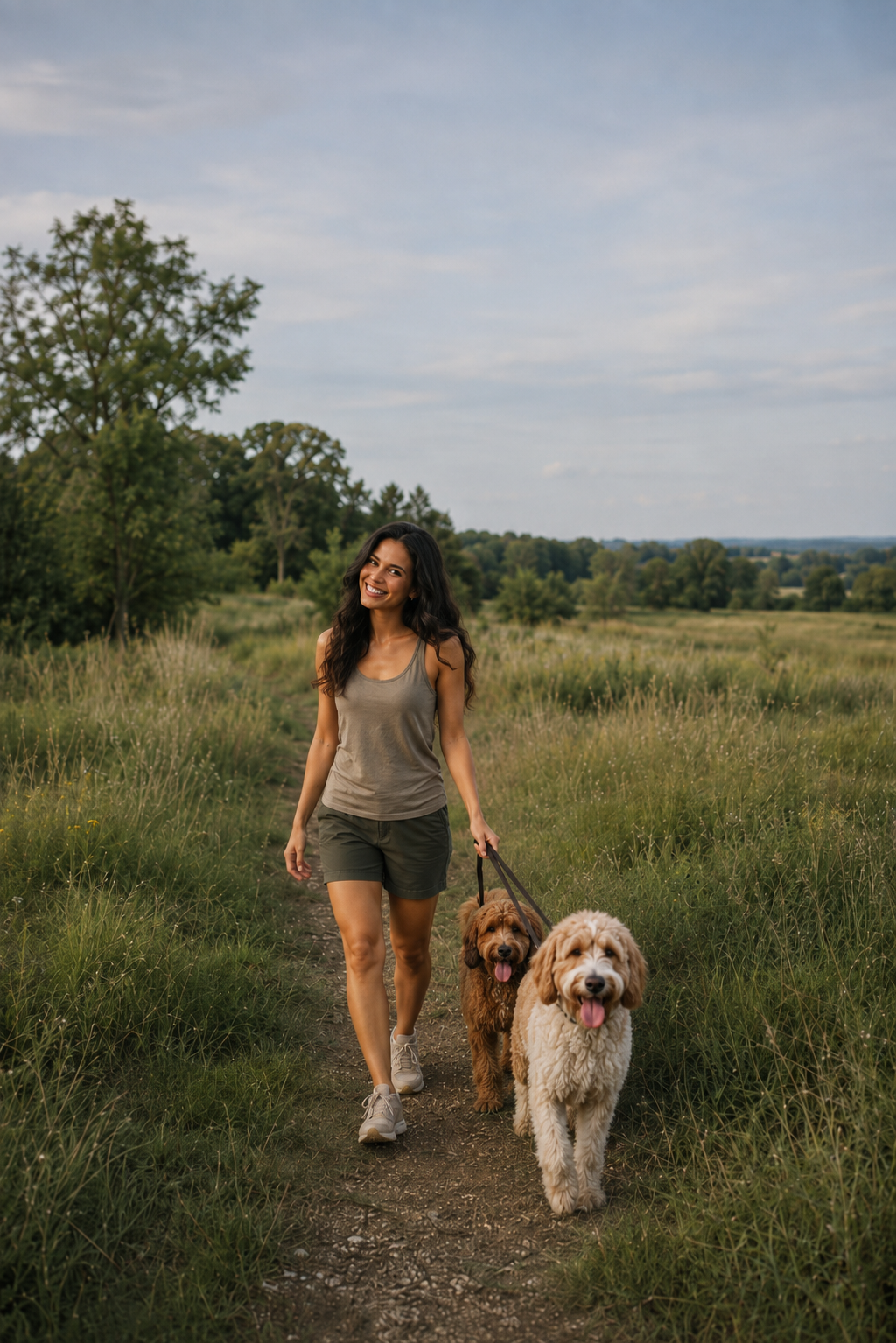
I’m Ellie, the founder and editor of Foods To Avoid. I live in Wisconsin with my two Aussiedoodles, Rover and Otto… and a Maine Coon, Clementine, which means there is plenty of furry interest whenever a snack appears and no shortage of inspiration for the question, “Can they eat this?”
When I’m not comparing labels and veterinary sources, I’m usually enjoying a hike or finding a pet-safe way to share a bite with my crew. I’m not a veterinarian, veterinary nutritionist, or toxicologist; my job is to research carefully, explain the evidence in plain language, and be honest about where that evidence stops. When I’m not with my dogs, I’m traveling – check out my sister blog cruiseports.co to follow my adventures!
THE DETAILS CHANGE THE DECISION
What makes these guides different
A simple “yes” or “no” often leaves out the detail that matters most. Each guide separates the food itself from the product, preparation, amount, co-ingredients, and physical hazards around it.
01
Form and preparation
Plain food is separated from raw, cooked, dried, concentrated, seasoned, sweetened, or mixed products.
02
Evidence boundaries
Evidence about people, dogs, cats, or another species is labeled rather than quietly treated as interchangeable.
03
Practical triage
Urgent risks are clear, but universal dose charts and do-it-yourself treatments are not invented.
HOW THE WORK IS CHECKED
Evidence before confident language
- Veterinary manuals, regulators, veterinary schools, poison-control organizations, peer-reviewed research, and current labels are prioritized.
- Popular wellness claims are removed when they outrun the evidence.
- Bones, pits, peels, shells, wrappers, and containers are treated as real physical hazards.
- Material errors are corrected under a public corrections process.
The important boundary
Foods To Avoid provides general educational information. It cannot examine your pet, diagnose a condition, calculate an individualized safe exposure, or replace a veterinarian or animal poison specialist.