Feline-specific answers
Can my cat eat this?
Cats are not small dogs. Our feline guides use cat-specific evidence where it exists, clearly label limited evidence, and never transfer a dog toxicity threshold to a cat.
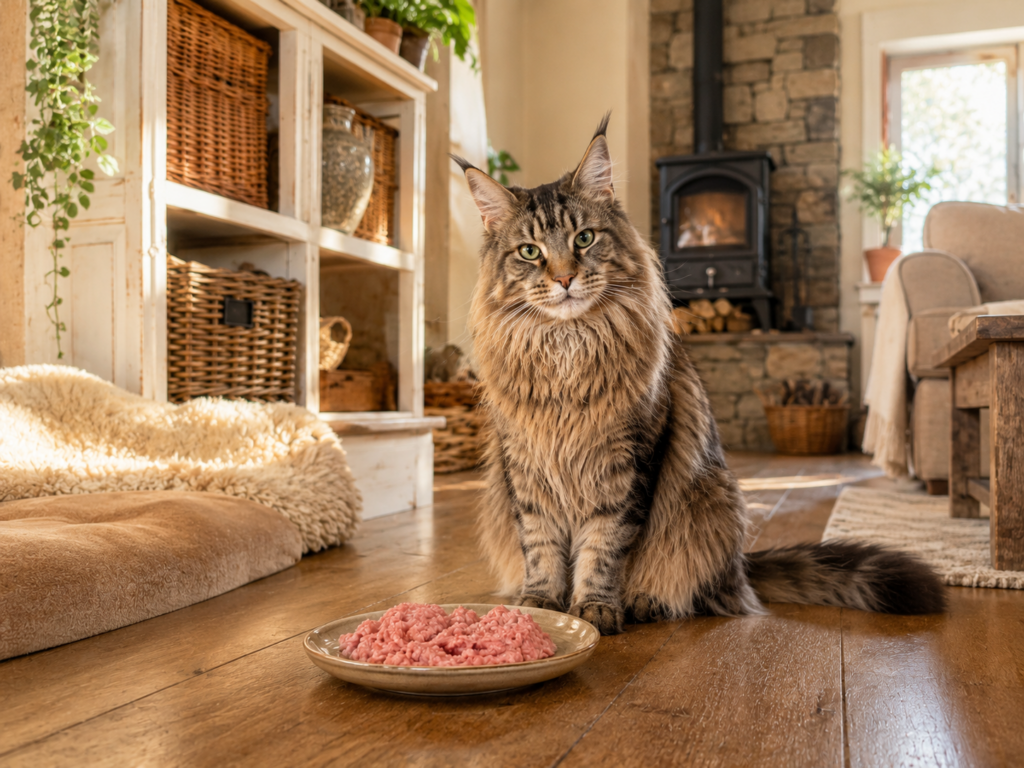
Three things that change a feline answer
Species evidence
Some hazards are well documented in dogs but poorly studied in cats. We say that plainly, then recommend proportionate next steps instead of pretending the data are stronger than they are.
The complete product
A plain bite can differ from food containing Alliums, chocolate, caffeine, alcohol, essential oils, bones, strings, wrappers, or a sweetener such as xylitol.
Diet displacement
Cats have specific nutritional requirements. Even a food that is not considered toxic can become a poor choice when treats or human foods displace a complete feline diet.
Popular cat food-safety guides

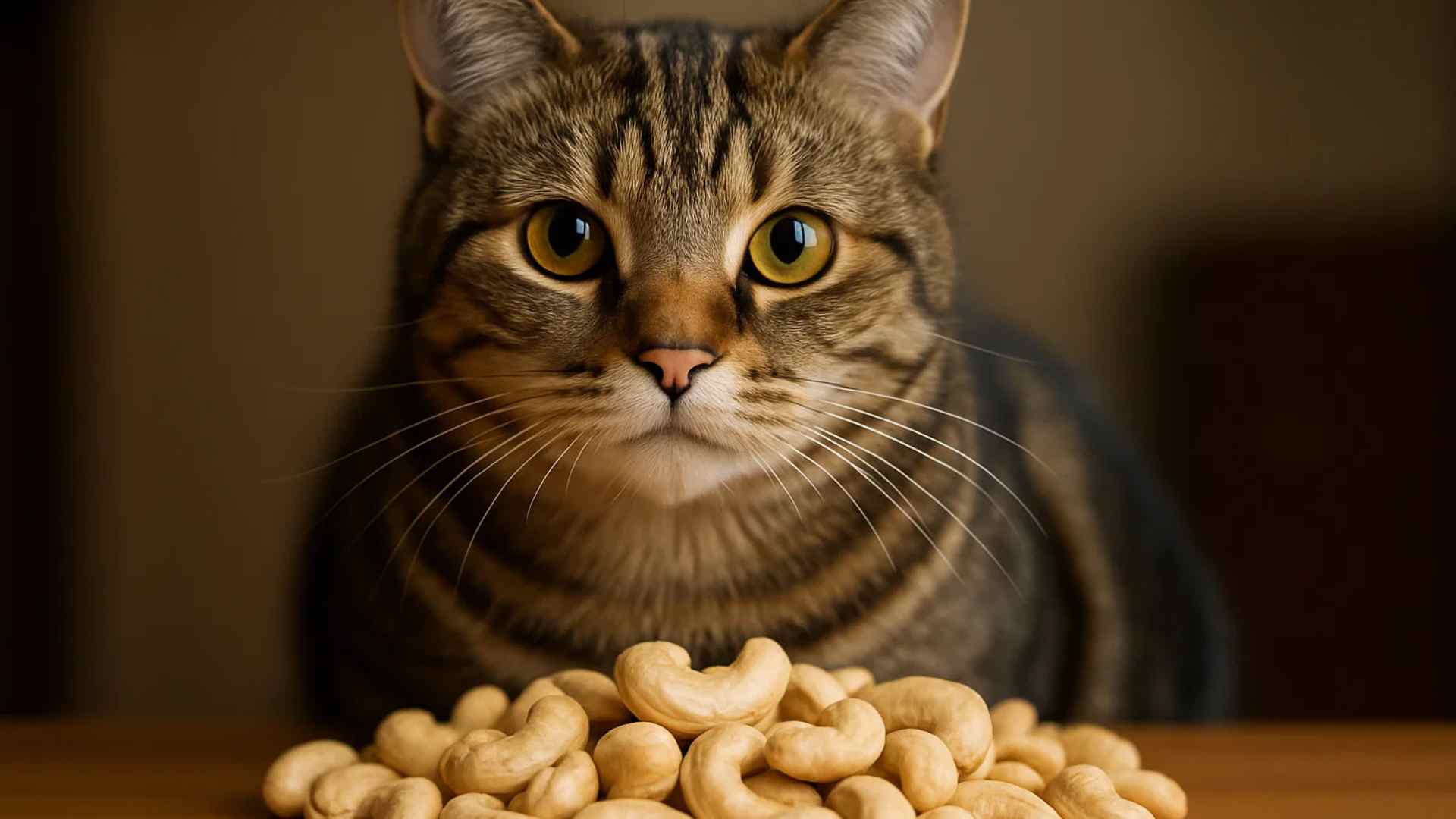
Cashews
Plain nuts, salt, fat, mold, mixed nuts, packaging, and the limits of cat-specific evidence.
Raw fish
Pathogens, parasites, thiaminase, bones, and species-specific preparation risks.
Salami
Salt, spices, Alliums, fat, cured-meat handling, mold, casings, and packages.
Applesauce
Plain fruit versus sweeteners, spices, serving size, seeds, jars, and pouches.
If your cat ate something now
Collect the package, ingredient list, estimated amount and time, your cat’s weight and health conditions, and any symptoms. Call your veterinarian or a pet poison specialist for case-specific guidance, and never induce vomiting unless a professional specifically instructs you.