Can Dogs Eat Oatmeal? A Safe, Practical Guide
Yes, dogs can eat plain, fully cooked oatmeal in small amounts. Serve it cool and unseasoned, treat it as an occasional extra rather than a meal, and skip any bowl containing raisins, chocolate, xylitol, or other risky add-ins.
The quick answer for the breakfast crowd
Oatmeal itself is not toxic to dogs, and a spoonful of plain cooked oats can be a perfectly reasonable treat for many healthy adults. The important word is plain, because the cozy human version can turn into a canine hazard once sweeteners, raisins, chocolate, butter, or flavored packets enter the bowl.
- Best choice: plain rolled or steel-cut oats cooked in water.
- Serve: cooled, soft, and in a portion that fits your dog’s daily calorie needs.
- Avoid: raw dry oats, flavored packets, excessive portions, and dangerous toppings.
- Ask your veterinarian first: if your dog has diabetes, pancreatitis, obesity, chronic digestive trouble, or is eating a prescription diet.
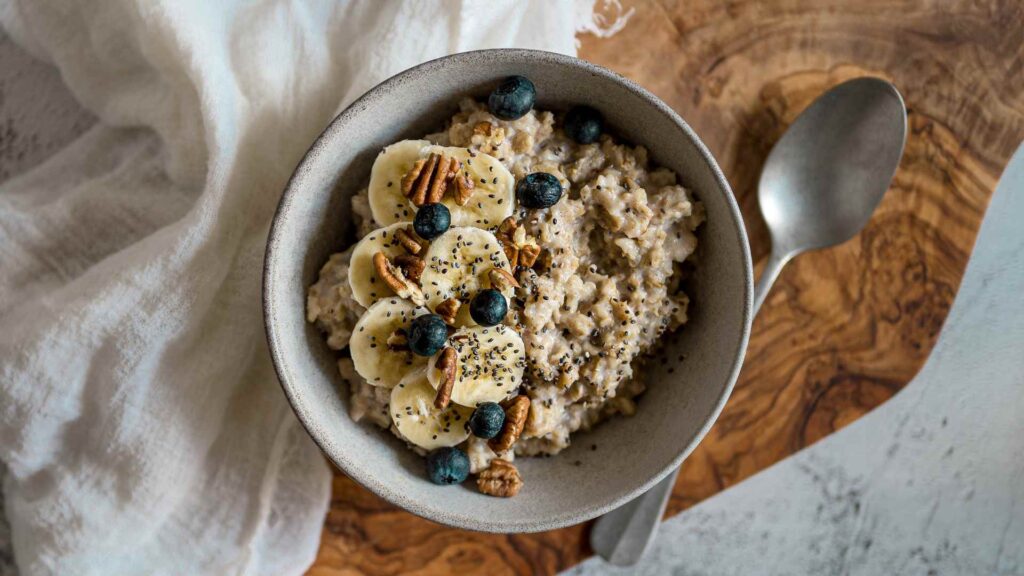
What oatmeal can and cannot do for a dog
Oats supply carbohydrate, fiber, and several micronutrients, but that does not make oatmeal a treatment for constipation, itchy skin, diabetes, or any other condition. A dog eating a complete and balanced food already receives nutrients in carefully planned amounts, so oatmeal is an extra, not nutritional insurance.
The fiber may change stool consistency, and too much can cause the exact mess you hoped to avoid: gas, loose stool, or vomiting. The American Kennel Club’s veterinarian-informed oatmeal guidance likewise recommends cooked, plain oatmeal and warns that a large serving can upset the gastrointestinal tract.
Oats also contain calories, so they are not automatically a weight-loss food for dogs. If the goal is a crunchy, lower-calorie reward, compare oatmeal with plain produce such as dog-safe carrots or plain cucumber pieces.
Is oatmeal good for a wheat-sensitive dog?
Oats and wheat are different grains, but “wheat-free” does not mean “allergy-proof.” Dogs can react to many dietary proteins, and commercial oats may also be processed around other grains.
If your dog is completing an elimination diet, do not improvise with oatmeal unless the veterinary team approves it. The Merck Veterinary Manual explains that a food trial only works when all unapproved treats, table foods, flavored medications, and other food sources are excluded.
How to make dog-safe oatmeal
This is one of those kitchen jobs where boring is beautiful. You need oats, water, a saucepan or microwave-safe bowl, and enough patience to let breakfast cool.
- Choose plain rolled oats or steel-cut oats with no flavoring packet.
- Cook them thoroughly in water according to the package directions.
- Leave out milk, cream, butter, salt, sugar, syrups, and spices.
- Cool the oatmeal to room temperature before offering it.
- Start with a small taste and watch for vomiting, diarrhea, itching, or unusual discomfort.
Cooked oats are softer and easier to eat than a scatter of dry flakes. Do not serve a hot spoonful, since a dog may gulp it before realizing it can burn the mouth.
Milk is unnecessary and may trigger gas or diarrhea in dogs that digest lactose poorly. Water keeps the ingredient list simple and makes it much easier to identify the culprit if the new food does not agree with your dog.
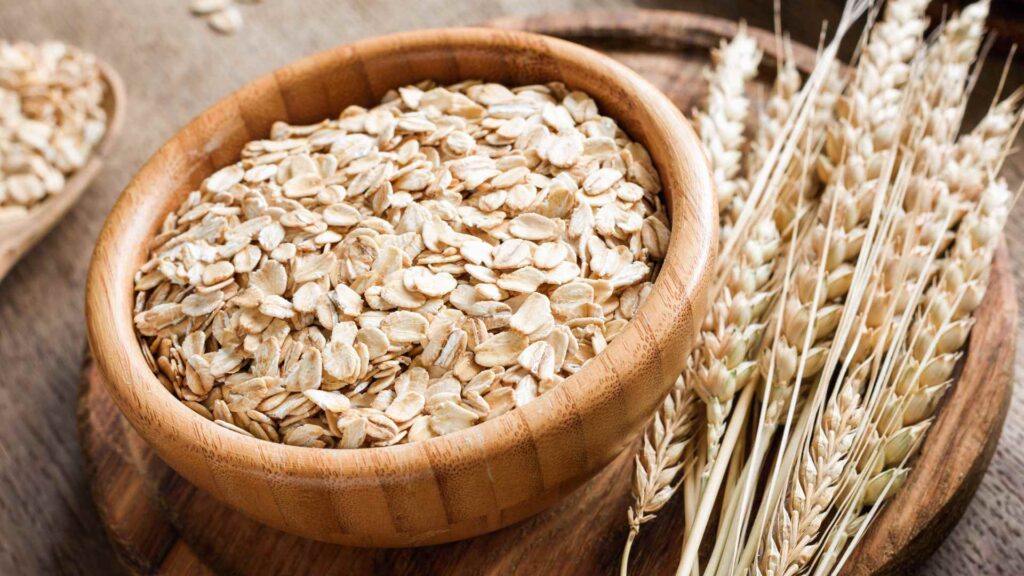
How much oatmeal can a dog eat?
There is no single tablespoon formula that suits every dog, because calorie needs vary with body size, life stage, activity, body condition, health, and the rest of the diet. For a first taste, think a teaspoon for a small dog or a tablespoon for a larger dog, then stop and see how the stomach handles it.
That starting amount is a cautious introduction, not a daily prescription or permission to keep refilling the bowl. Oatmeal and all other extras should fit inside the dog’s treat allowance, while the complete and balanced diet does the real nutritional work.
The World Small Animal Veterinary Association nutrition resources help owners and veterinary teams consider calories, body condition, diet history, and individual needs rather than relying on a universal serving chart. Your veterinarian can translate that bigger picture into an appropriate portion for your particular dog.
Can dogs eat oatmeal every day?
Most dogs do not need oatmeal every day, and frequent extras can quietly unbalance calories or crowd out regular food. Occasional small servings are the simpler choice unless a veterinarian has deliberately included oats in a properly formulated feeding plan.
Toppings that turn oatmeal into trouble
The oats are rarely the dramatic part of an oatmeal accident. The ingredient label and toppings tell you whether you have a minor dietary indiscretion or an urgent poisoning concern.
- Xylitol: This sweetener may appear in sugar-free products and some nut butters, and it can cause a rapid, life-threatening drop in a dog’s blood sugar.
- Grapes or raisins: These can damage canine kidneys, and there is no dependable “safe” number to test at home.
- Chocolate or cocoa: Risk depends on the type, amount, and dog’s size, so call for professional guidance rather than guessing.
- Macadamia nuts: These are toxic to dogs and do not belong in a shared breakfast bowl.
- Lots of butter, cream, or sugar: These add calories and can provoke digestive upset, even when no classic toxin is present.
The U.S. Food and Drug Administration warns that xylitol can cause hypoglycemia in dogs, with signs such as weakness, staggering, collapse, and seizures. If a packet, topping, or peanut butter contains xylitol, contact a veterinarian or animal poison-control service immediately.
Raisins deserve the same no-wait response, even if your dog looks cheerful right now. For more detail, read our guides to grapes and raisins and chocolate, but make the urgent call before settling in for research.
What about instant, overnight, and raw oats?
Instant oatmeal
Plain instant oats are not automatically poisonous, but flavored packets are a poor gamble because they may contain lots of sugar, sodium, dried fruit, or sweeteners. Read the entire ingredient list, not just the flavor printed on the front.
Overnight oats
Human overnight oats often include milk, yogurt, chia seeds, syrups, raisins, chocolate, or sugar substitutes. A recipe can be evaluated ingredient by ingredient, but a plain water-cooked spoonful is easier and safer than reverse-engineering a loaded jar.
Raw oats and granola
Dry oats are harder to digest and can be unpleasant to swallow, while granola commonly adds sugar, fat, nuts, chocolate, or raisins. Neither offers an advantage over fully cooked, plain oatmeal.
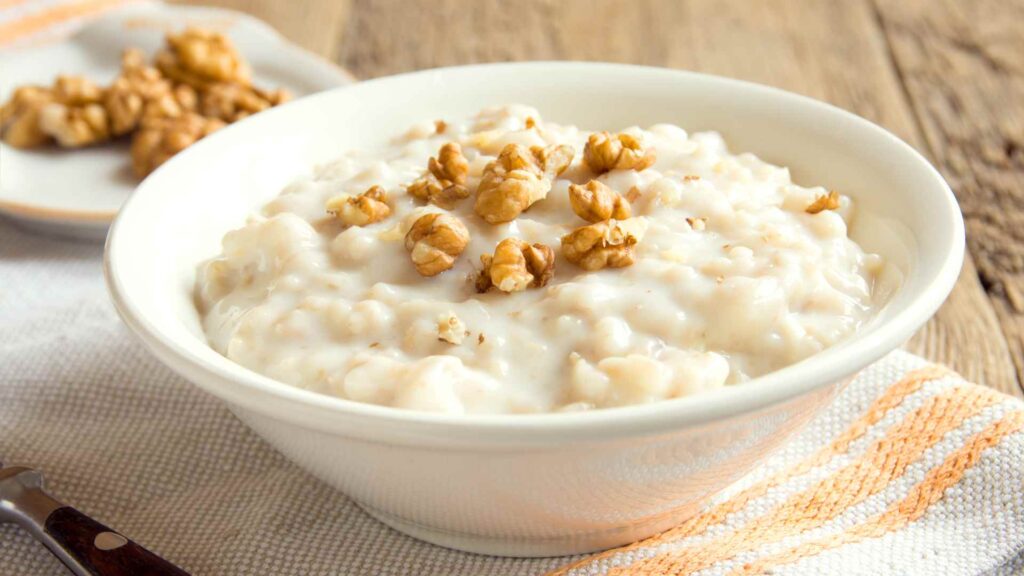
Dogs who need a little more caution
Dogs with diabetes: Oatmeal contains carbohydrate and can affect the carefully coordinated relationship among food, exercise, and insulin. Do not use cinnamon, oats, or any other pantry ingredient to adjust blood glucose without the prescribing veterinarian.
Dogs with pancreatitis or a low-fat prescription: Plain oats are not especially fatty, but toppings often are, and any unscheduled food may disrupt a treatment plan. Get an individualized answer before sharing.
Dogs with obesity: A healthy-sounding food can still create a calorie surplus. Measure the portion and subtract treat calories elsewhere rather than adding oatmeal on top of a full day’s intake.
Dogs with chronic vomiting, diarrhea, constipation, or bloat risk: Fiber is not a diagnosis, and adding it blindly may worsen discomfort or delay care. Repeated digestive signs belong in a veterinary conversation.
Puppies: Growing dogs have less room for nutritionally incomplete extras because their main diet must support development. A tiny taste of plain oatmeal may be tolerated, but it should never displace puppy food.
Dogs on elimination or prescription diets: “Just one spoonful” can interfere with a diet trial or a tightly controlled medical plan. Ask before adding it, even when oats sound wholesome.
If your dog already ate oatmeal
If it was a small amount of plain cooked oatmeal and your dog is acting normally, remove the leftovers, provide fresh water, and monitor for digestive upset. Call your veterinarian if vomiting repeats, diarrhea is severe, the abdomen looks swollen, your dog seems painful or weak, or anything simply feels wrong.
If the oatmeal contained xylitol, raisins, grapes, chocolate, macadamia nuts, or an unknown sweetener, contact your veterinarian, an emergency clinic, or animal poison control now. Do not induce vomiting or give home remedies unless a veterinary professional specifically instructs you to do so.
Have the package, recipe, estimated amount, time of exposure, and your dog’s weight ready for the call. Those details are far more useful than waiting for symptoms to reveal how serious the situation might be.
Useful oatmeal questions, answered
Can dogs eat oatmeal with peanut butter?
Only if both parts are plain and the peanut butter is confirmed xylitol-free, and even then the combination is calorie-dense. Our peanut butter guide explains what to check on the jar.
Can oatmeal settle a dog’s upset stomach?
It is not a universal bland diet, and a sudden food change can make gastrointestinal signs worse. Call your veterinary clinic for advice when vomiting or diarrhea is recurring, bloody, painful, accompanied by lethargy, or affecting a puppy, senior, or medically fragile dog.
Can dogs eat oatmeal cookies?
They should not, because cookies add sugar and fat and may contain raisins, chocolate, macadamia nuts, or xylitol. A dog does not need dessert dressed as a whole grain.
Are oats and oatmeal the same for this decision?
Oatmeal is a prepared oat dish, so safety depends heavily on cooking and added ingredients. If you are comparing oat forms or reading a pet-food label, our guide to oats for dogs goes deeper.
The bottom line
Plain oatmeal cooked in water can be a small, occasional treat for many healthy dogs. Keep the serving modest, protect the bowl from dangerous add-ins, and let your dog’s regular complete and balanced food remain the main event.