Can Dogs Eat Pomegranate? Seeds, Rind, and Safety
Dogs should not be served fresh pomegranate as a snack. It is not considered poisonous, but the seeds can upset the stomach and pieces of rind or stem can choke or obstruct.
One or two dropped arils are usually a monitoring situation for a healthy dog. A bowlful, peel, chocolate-covered seeds, juice blend, or supplement needs a closer look.
Pomegranate is not toxic, but it is still a poor dog treat
Pomegranates are nutritious for people, and that halo can make them look like an obvious upgrade to a dog bowl. Dogs have different digestive tolerances, however, and a complete dog food already supplies the nutrients a healthy dog needs.
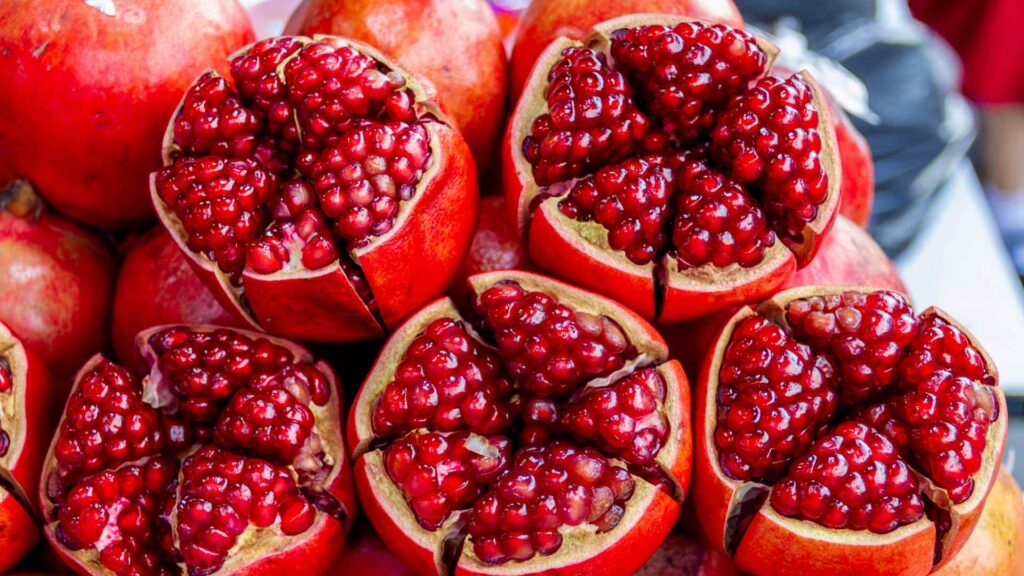
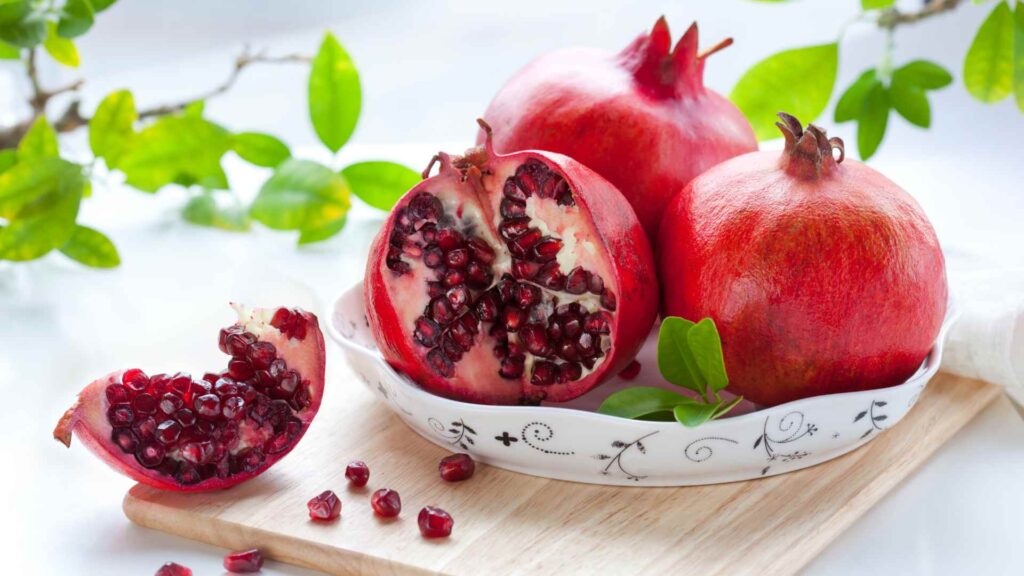
The ruby arils contain juicy pulp around a crunchy seed, and dogs tend to gulp rather than politely chew each one. The American Kennel Club’s veterinary guidance recommends avoiding fresh pomegranate because the seeds can cause vomiting or diarrhea and may be difficult to break down.
The peel, white membrane, stem, and crown are tougher and offer no practical advantage to a dog. Remove those parts from reach as soon as you open the fruit, especially if your dog treats the kitchen trash like an escape-room challenge.
- A couple of arils: Usually low concern in a healthy medium or large dog, provided the dog remains comfortable and the arils were plain.
- Many arils: More likely to trigger vomiting, loose stool, or abdominal discomfort, particularly in a small dog.
- Rind or stem: Raises concern for choking or obstruction, with risk depending on the piece and the dog.
- Prepared product: Requires an ingredient check for chocolate, xylitol, raisins, alcohol, excess sugar, or other hazards.
Why fresh pomegranate can upset a dog’s stomach
Pomegranate brings fiber, organic acids, natural sugars, and plant compounds into a concentrated mouthful. None of those makes the fruit a poison, but together they can be more excitement than a dog’s digestive system requested.
Vomiting and diarrhea are the most likely results after a seed raid. Mild signs may settle, but repeated vomiting, worsening diarrhea, refusal to eat, or obvious discomfort deserves veterinary guidance rather than a home remedy assembled from social media.
The rind and stem are a different kind of problem
A swallowed chunk of rind can act like a foreign object instead of food. The Merck Veterinary Manual lists vomiting, loss of appetite, lethargy, and abdominal pain among possible signs of gastrointestinal obstruction.
A tiny fleck and a large leathery piece are not equivalent, and the dog’s size matters. Call your veterinarian after rind ingestion so they can assess the shape, amount, timing, and your dog’s history before symptoms make the decision for you.
What to do if your dog ate pomegranate
Put the fruit and any prepared products away, then take thirty seconds to investigate. Knowing whether your dog ate two loose seeds or half a chocolate snack can completely change the advice.
- Identify the part. Note whether the dog swallowed arils, rind, stem, membrane, juice, molasses, a supplement, or a mixed snack.
- Estimate the amount and time. Photograph what remains, save the label, and write down when the raid probably happened.
- Check the ingredient list. Look specifically for chocolate, xylitol, grapes or raisins, caffeine, alcohol, macadamia nuts, and medications.
- Call when the exposure is not clearly minor. Your veterinarian or an animal poison control service can weigh the dog’s size, health, product, and amount.
- Monitor as directed. Watch appetite, energy, vomiting, stool, belly comfort, and normal drinking rather than relying on one quick glance.
Do not induce vomiting or give oil, milk, laxatives, or human nausea medicine unless a veterinary professional directs you. An obstruction risk and a simple stomach upset are managed differently, which is exactly why improvising can backfire.
Seek urgent veterinary help for these signs
- Repeated vomiting, unproductive retching, or inability to keep water down
- A swollen or painful belly, a hunched posture, or repeated stretching
- Marked lethargy, weakness, collapse, tremors, or seizures
- Blood in vomit or stool, trouble breathing, or pale gums
- A swallowed chunk of rind, packaging, or a product containing a known toxin
Pomegranate juice, molasses, gummies, and supplements
Juice
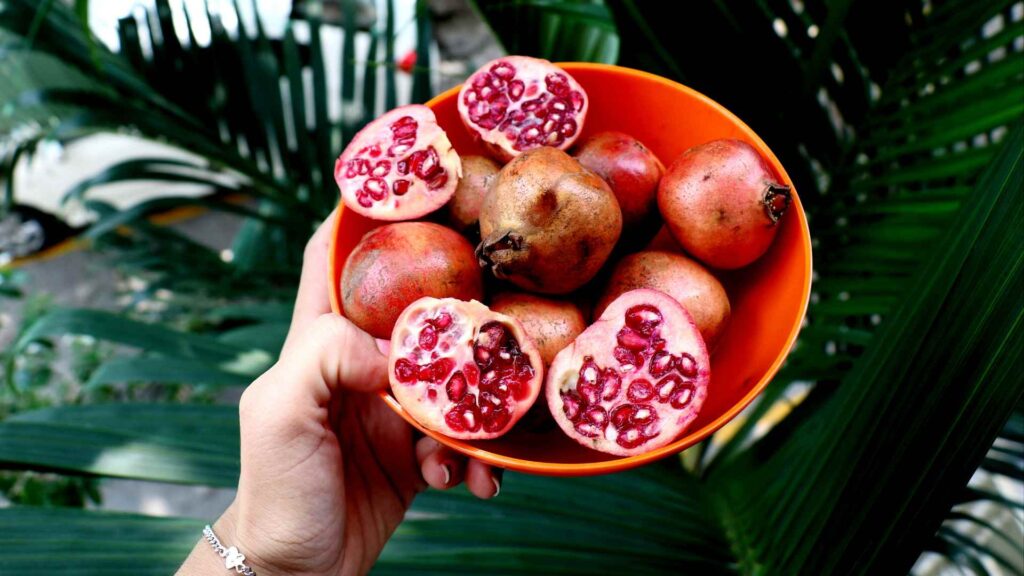
Plain pomegranate juice removes the tough seed but concentrates sugar and acidity, so it is not a useful dog drink. Juice cocktails may add sweeteners or other fruit ingredients, while spilled juice can be wiped up without turning it into a canine wellness shot.
Molasses, syrups, and sauces
Pomegranate molasses is a concentrated cooking ingredient, often with added sugar. Sauces may also contain onion, garlic, alcohol, hot spices, or other ingredients that make the finished dish more concerning than the fruit itself.
Candy, gummies, and chocolate-covered seeds
These are human treats, not dog treats, and the pomegranate on the label does not cancel the rest of the recipe. Chocolate requires prompt veterinary advice, and sugar-free products deserve an immediate xylitol check.
The FDA warns that xylitol can trigger a rapid, profound drop in a dog’s blood sugar and may be life-threatening. If xylitol, birch sugar, or wood sugar appears on the label, call a veterinarian, emergency clinic, or animal poison control center right away even if your dog looks normal.
Pomegranate extract and supplements
An extract studied as a formulated ingredient is not interchangeable with feeding fresh fruit, and early research does not justify do-it-yourself dosing. For example, a 2022 laboratory study found activity from pomegranate extract against certain canine oral bacteria in vitro, but the authors said studies in dogs were still needed.
“In vitro” means the work happened in a laboratory setting, not that dogs became healthier after eating pomegranate. Use only a dog-specific product your veterinarian recommends, at the labeled amount, and keep human gummies or tinctures out of reach.
Is there a safe serving size?
Because fresh pomegranate is more likely to irritate than reward, the most useful serving size is none. If a healthy adult dog accidentally catches one or two plain arils, observe for stomach upset instead of turning that accident into a feeding plan.
A puppy, toy breed, dog with chronic gastrointestinal disease, or dog on a prescription diet deserves more conservative advice. Dogs with diabetes or calorie restrictions also do not benefit from sugary juice, syrup, or candy.
Dogs that need a quicker call
Puppies, very small dogs, seniors, and dogs with previous obstruction or gastrointestinal surgery have less room for a wait-and-see gamble after swallowing rind. A brachycephalic dog or any dog that coughs, gags, paws at the mouth, or struggles to breathe needs immediate care because choking is an airway emergency.
Call sooner for a dog with diabetes, chronic digestive disease, or a veterinary prescription diet, since even a non-toxic food can complicate symptom control. Your clinic may only recommend home monitoring, but that decision is safer when it is based on the dog’s record and the actual exposure.
Also mention any medication the dog takes and whether the fruit was spoiled or moldy. Those details can shift attention away from pomegranate itself and toward the part of the incident that presents the real risk.
Any treats your veterinarian approves should fit inside the WSAVA recommendation that treats supply no more than 10% of a dog’s daily calories. A treat budget protects the balanced part of the diet, and it does not turn unsuitable foods into suitable ones.
Fruit treats that are easier to serve safely
If your dog enjoys a juicy crunch, pick a fruit with straightforward preparation and offer a tiny piece first. Fruit is optional, and a cheerful dog will not know that the snack lacks a superfood marketing campaign.
- Blueberries: Wash them, serve plain, and cut or mash them for a dog likely to gulp.
- Apple: Remove the core, stem, and seeds, then offer a small plain piece.
- Watermelon: Remove rind and seeds, and remember that a little cube is plenty.
- Banana: Peel it and offer a small slice, particularly because it is naturally sugary.
Never generalize from one fruit to every fruit. Grapes and raisins are dangerous to dogs, and the safe choice is to keep them completely out of reach.
Common questions about dogs and pomegranate
Can dogs eat pomegranate seeds?
Do not offer them intentionally, because they are hard to digest and commonly cause stomach upset. One or two accidentally dropped arils are usually less concerning than a large quantity, but monitor and call if symptoms appear.
Can puppies eat pomegranate?
Puppies should skip fresh pomegranate. Their small size and developing digestive system leave little upside to a fruit that often causes vomiting or diarrhea, while a complete puppy food is built for growth.
Can dogs eat cooked pomegranate?
Cooking does not make the seeds an ideal dog treat, and recipes tend to add sugar, fat, spices, or unsafe ingredients. Evaluate the entire dish rather than assuming heat solved the problem.
Why is pomegranate included in some dog foods?
A manufacturer can use a measured ingredient in a formulated food for a specific technical or nutritional purpose. That does not mean scooping fresh seeds over dinner provides the same form, dose, safety testing, or benefit.
The bottom line
Fresh pomegranate is not a necessary or particularly dog-friendly treat, even though it is not classed as a poison. Skip intentional feeding, secure the rind, investigate mixed products carefully, and call your veterinarian for a large exposure, swallowed peel, risky ingredients, or any concerning symptom.