Can Dogs Eat Hummus? Chickpeas, Garlic, Tahini, and Labels
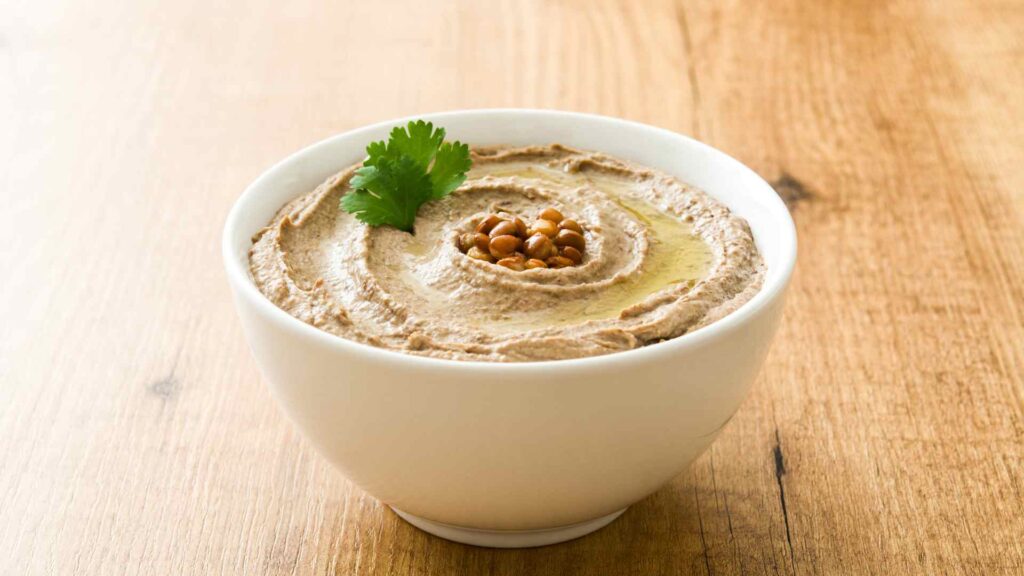
Most store-bought and restaurant hummus should not be fed to dogs. Plain cooked chickpeas can be safe in small amounts, but hummus commonly adds garlic, onion, lemon, tahini, oil, salt, spices, and preservatives, so a lick and an emptied tub require different responses.
Chickpeas are not the same as hummus
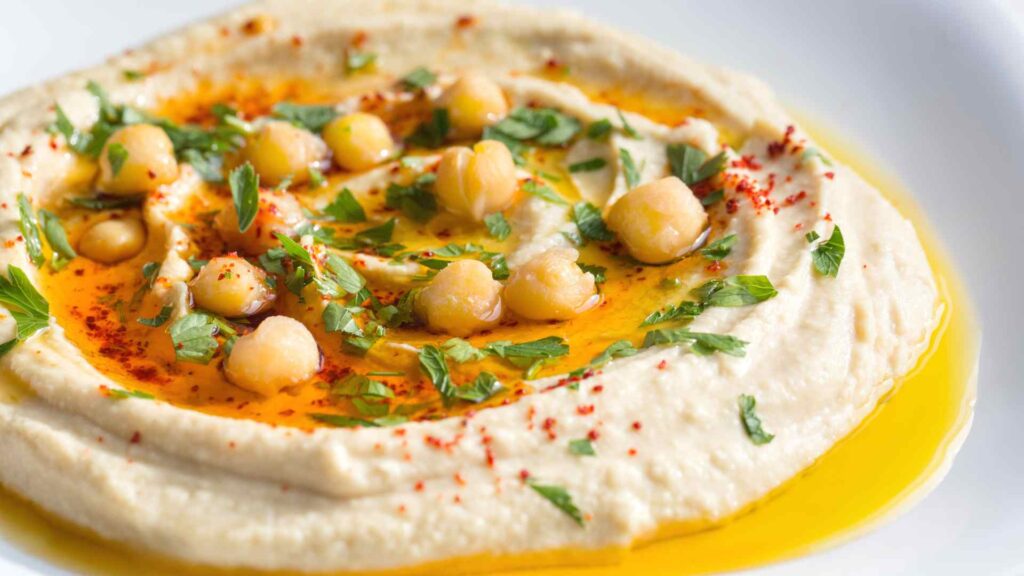
A plain, fully cooked chickpea is a single ingredient. Hummus is a recipe whose safety depends on every ingredient and the amount eaten.
The veterinarian-reviewed PetMD chickpea guide distinguishes plain chickpeas from hummus containing garlic, onion, and spices. This is the useful starting point, not a blanket claim that all beige dip is toxic.
Dogs do not need hummus for protein, fiber, gut health, or weight control. Complete and balanced food supplies necessary nutrients, and adding a rich dip can create more questions than benefits.
Ingredient-by-ingredient reality check
Cooked chickpeas: Plain soft chickpeas are not considered toxic, but too many can cause gas, loose stool, or vomiting. Whole chickpeas can also be gulped, so mash or cut them for a dog approved to receive them.
Garlic: Hummus often contains fresh roasted garlic, garlic powder, or garlic flavor. All forms count toward an Allium exposure, and concentrated powder can matter even when no clove is visible.
Onion: Less traditional recipes may use onion, onion powder, or seasoning blends. Garlic and onion can damage canine red blood cells, with clinical signs potentially delayed.
Lemon: A little juice mainly adds acidity and may upset a sensitive stomach. Peel, concentrated citrus oil, and large exposures raise different concerns than a small amount of juice mixed into a tub.
Tahini: Sesame paste is calorie-dense and fatty, though plain sesame itself is not the standard toxic concern. Richness can trigger vomiting or diarrhea and is unsuitable for many dogs with pancreatitis or low-fat diet needs.
Olive oil: Oil adds calories and can loosen stool, while a large amount is inappropriate for a dog with fat-sensitive disease. Human wellness marketing does not turn oil into canine treatment.
Salt: Sodium varies by brand and portion. One lick is generally not a salt emergency, while a whole tub, small dog, limited water access, or sodium-restricted medical plan deserves closer attention.
Preservatives and spices: Paprika, cumin, chili, potassium sorbate, and other additions vary. Do not label every unfamiliar word poisonous, but save the ingredient panel for evaluation.
Why garlic changes the response
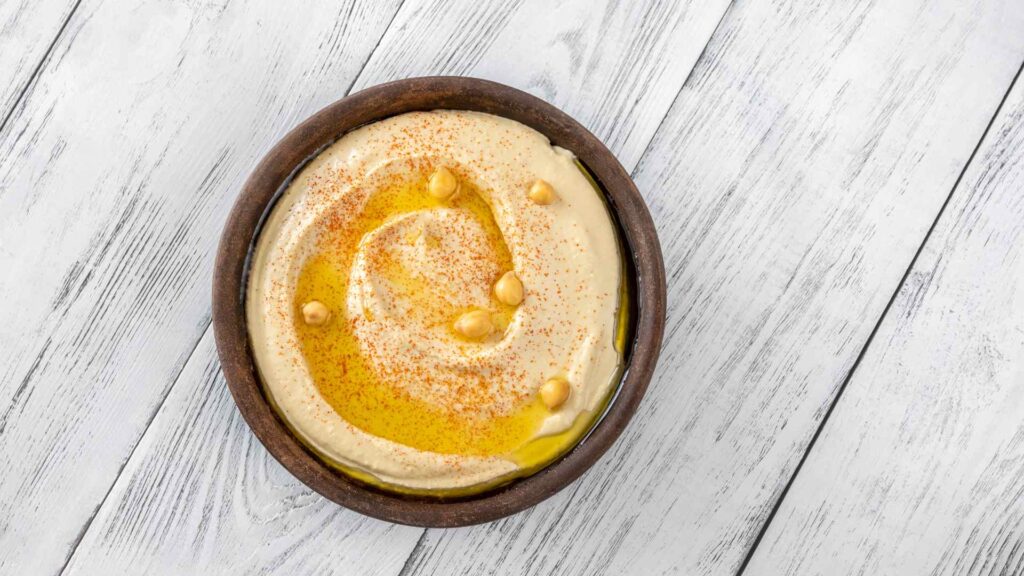
The ASPCA people-food guide explains that Allium species can cause gastrointestinal irritation and red blood cell damage in dogs. Amount, concentration, repeated exposure, and the individual dog affect risk.
Vomiting may occur early, while pale gums, weakness, rapid breathing, fast heart rate, exercise intolerance, or dark urine can appear later with meaningful red blood cell injury. Do not wait for anemia signs after a substantial garlic-containing hummus theft.
Use the detailed garlic guide and onion guide, then call with the hummus brand, amount, and dog weight. A recipe saying “roasted garlic” does not provide a reliable home dose.
Can plain homemade hummus be dog-safe?
A mash of fully cooked chickpeas and water, without garlic, onion, salt, citrus, tahini, oil, or spices, can be offered in a tiny amount to many healthy dogs. At that point it is closer to mashed chickpeas than conventional hummus.
Rinse no-salt-added canned chickpeas or cook dried chickpeas fully after proper soaking, then mash until smooth and cool. Never serve dry chickpeas, undercooked legumes, soaking water, or a hard handful.
Even a plain mash may cause gas or loose stool, and it should not replace balanced food. The dedicated chickpea guide covers forms and portions more directly.
Flavored hummus multiplies the questions
Roasted red pepper hummus may add garlic, oil, salt, and spicy ingredients beside the pepper. “Everything” hummus can add onion, garlic, poppy seeds, and extra sodium.
Chocolate dessert hummus can contain cocoa, sugar, and sometimes sweetener. Sugar-free hummus or dessert dip needs a xylitol, birch sugar, wood sugar, or birch bark extract check.
Jalapeño, buffalo, curry, pesto, olive, and sun-dried tomato varieties each need their own label review. Product color and front-label flavor are not reliable safety tools.
Restaurant hummus may have no accessible ingredient panel, and staff may not know exact garlic or salt amounts. That uncertainty is a reason not to share it intentionally.
Dippers and the grazing-board problem
Pita, crackers, vegetables, chips, olives, cheese, grapes, nuts, and toothpicks may surround the dip. After a platter raid, inventory the entire board rather than assuming hummus was the only missing food.
Grapes and raisins require prompt veterinary advice because they can cause acute kidney injury. Macadamia nuts, chocolate, xylitol-containing baked goods, and swallowed skewers also change urgency.
Plain, safely cut vegetables may be acceptable separately, but hummus coating adds its full recipe. The carrot guide explains why even a familiar dipper needs safe size and preparation.
Packaging can be worse than the dip
Plastic tubs, foil seals, lids, freshness film, snack cups, and silica packets can be swallowed during a raid. Sharp foil can injure tissue, while larger flexible pieces may obstruct the digestive tract.
Do not pull material protruding from the rectum or induce vomiting after sharp packaging. Call with the missing object’s dimensions and material, and seek urgent care for repeated vomiting, abdominal pain, appetite loss, lethargy, or inability to keep water down.
How much plain chickpea mash is enough?
No dog needs a hummus allowance, and a rigid spoon chart ignores calories, recipe, health, and tolerance. Begin with a pea-size taste of truly plain mash and stop if gas, vomiting, diarrhea, itching, or swelling follows.
The UC Davis veterinary treat guidance recommends that at least 90 percent of calories come from complete and balanced food. Every dip, chew, table scrap, and training reward shares the remaining allowance.
Dogs with diabetes, pancreatitis, chronic digestive disease, obesity, food allergy trials, or prescription diets need case-specific approval. Hummus is not a protein supplement, fiber treatment, or shortcut to a balanced vegetarian diet.
What to do after a hummus theft
For one lick of conventional hummus by a comfortable healthy dog, remove access, save the label, and monitor. A tiny exposure is not automatically an Allium poisoning emergency, but the ingredient list still matters.
For several spoonfuls, a whole tub, repeated access, a small dog, or a garlic-heavy recipe, call a veterinarian or poison service. Provide dog weight, amount, time, brand, ingredients, symptoms, and missing packaging.
Seek urgent care for breathing trouble, facial swelling, collapse, repeated vomiting, marked weakness, pale gums, fast breathing, dark urine, tremors, seizures, or a painful swollen abdomen. Delayed Allium effects are a reason to call before symptoms.
Do not induce vomiting or give peroxide, salt, oil, milk, charcoal, or extra fiber unless directed. A professional may recommend different steps depending on timing, amount, packaging, and the dog’s condition.
Chickpea labels and kitchen storage
Canned chickpeas can contain considerable sodium even before hummus ingredients are added. Choose no-salt-added beans for a plain mash, rinse them, and discard the can lid where the dog cannot lick or swallow it.
Dry chickpeas require proper soaking and full cooking for human food preparation, but the dog should not receive the hard beans or soaking liquid. A soft cooked chickpea should crush easily between fingers.
Refrigerate opened hummus promptly and discard moldy, fermented-smelling, swollen, leaking, or expired containers. A dog is not a safe disposal route for spoiled dip.
Sesame and food reactions
Tahini introduces sesame protein, which an individual dog may not tolerate, plus concentrated fat and calories. It is inaccurate to call every sesame exposure toxic, but new itching, hives, vomiting, diarrhea, or swelling deserves attention.
Breathing trouble, facial swelling, collapse, or rapidly spreading hives is urgent regardless of which ingredient caused it. Do not give a human antihistamine until a veterinarian confirms the product and dose, because combination medicines can contain unsafe ingredients.
Special-risk dogs
Puppies need nearly all calories from balanced growth food, and toy breeds can consume a meaningful share of daily calories in a few spoonfuls. Their small size also makes swallowed foil and lids proportionately larger.
Dogs with pancreatitis or fat-sensitive gastrointestinal disease should avoid tahini-rich, oily hummus. Dogs with kidney, heart, or sodium restrictions should avoid salty dips, even when the front label emphasizes plants or protein.
Dogs taking medication inside food need a predictable vehicle approved by the veterinary team. Hummus can add variable garlic, fat, sodium, and calories every time the brand changes.
Better ways to share the snack break
Set aside a few safely cut plain vegetables before opening the hummus, or use part of the dog’s regular meal as a reward. This lets the dog join the kitchen activity without inheriting the dip’s ingredient list.
If a creamy medication vehicle is necessary, ask about a compatible commercial pill treat or veterinary diet. A predictable small portion is more useful than chasing hummus brands for one without garlic.
The bottom line
Skip conventional hummus for dogs because garlic, onion, salt, lemon, tahini, oil, spices, and packaging can all matter. One lick is usually a different situation from an emptied tub.
A tiny amount of fully cooked chickpeas mashed with water can be acceptable for many healthy dogs, but it is optional variety, not protein or fiber therapy. If the label is busy, the smartest serving suggestion is none.