Can Dogs Eat Grapefruit? Flesh, Peel, Juice, and Oil Risks
A small bite of peeled grapefruit flesh is unlikely to poison most healthy dogs, but grapefruit is not a good routine treat. Its tart flesh can upset the stomach, while peel, leaves, and concentrated citrus oil carry different essential-oil and psoralen concerns that deserve more caution.
The form determines the answer
- One small piece of peeled flesh: often causes no problem or mild stomach upset in a healthy adult dog.
- Several segments or juice: sugar, acidity, and amount make vomiting or diarrhea more likely.
- Peel, zest, pith, seeds, leaves, or stems: plant material is harder to digest and contains different concentrations of citrus compounds.
- Grapefruit essential oil, extract, cleaner, or diffuser liquid: call promptly because concentration and exposure route matter.
- Prepared grapefruit products: assess sweeteners, alcohol, other fruit, medicine, and packaging as separate hazards.
Save the fruit label or product container and estimate the part, amount, time, and dog’s weight. A lick of flesh and a spill of essential oil should never receive the same generic citrus advice.
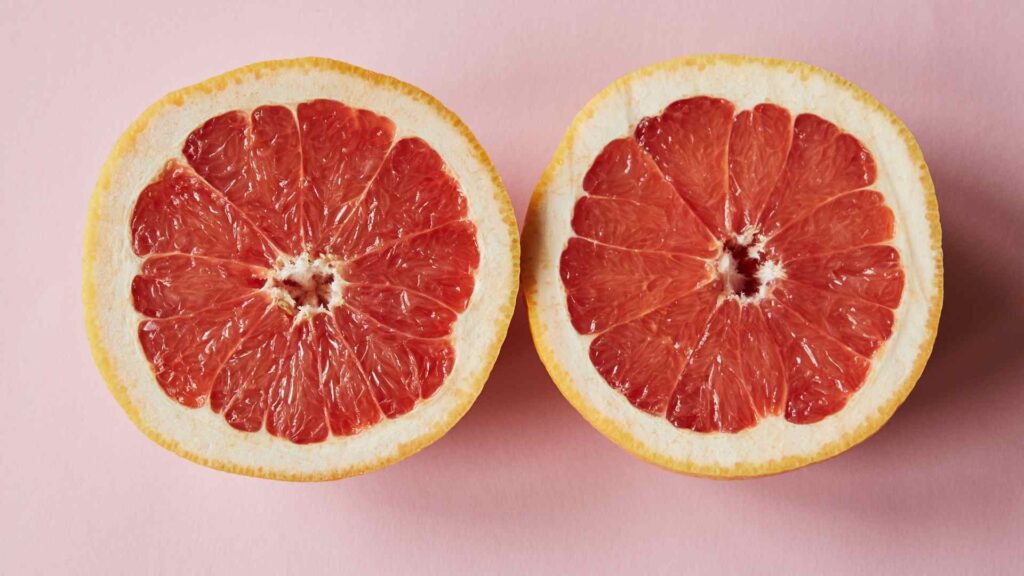
Flesh versus the rest of the plant
The ASPCA grapefruit safety entry identifies essential oils and psoralens as toxic principles while noting that the fruit is edible and skins or plant material can cause problems. Listed signs include vomiting, diarrhea, depression, and possible dermatitis.
This distinction prevents two common mistakes: calling every tiny flesh bite a poisoning emergency, or treating peel and concentrated oil as if they were ordinary fruit. Amount, dog size, symptoms, and exact plant part still guide triage.
Peeled flesh contains sugar and organic acids but little of the concentrated fragrant oil found in the rind. Its strong bitterness means many dogs refuse it, which is useful feedback rather than a flavor problem to solve with sugar.
Do not promote grapefruit as vitamin C therapy, an immune boost, or a weight-loss food. A complete dog diet meets nutritional needs, and grapefruit does not treat obesity, infection, or any deficiency without veterinary diagnosis.
If a dog steals one segment
Remove any remaining rind, note whether the segment was fully peeled, and check the dog’s mouth only if it can be done safely. A healthy adult dog that swallowed one small flesh piece and remains normal usually needs observation rather than panic.
Do not offer another piece to test tolerance, and do not add sugar to make the flavor more appealing. Continue the usual food and water routine, then call if vomiting, diarrhea, marked drooling, abdominal discomfort, or unusual tiredness develops.
A puppy, toy-size dog, elderly dog, or dog with gastrointestinal disease, diabetes, pancreatitis history, or a prescription diet deserves a lower threshold for advice. The same physical bite represents a different dose and dietary disruption across those patients.
For comparisons across lemons, limes, oranges, mandarins, and grapefruit, see our general citrus guide. Similar fruit names do not make their oils, peels, products, portions, or individual digestive effects identical for every dog of any size or medical history.
Acidity and sugar make the flesh a poor treat
Grapefruit’s acidity can irritate a sensitive mouth or stomach, especially after several segments. Lip licking, drooling, nausea, vomiting, abdominal discomfort, or diarrhea may follow an overlarge serving.
Its natural sugar adds calories without making the fruit toxic, and one bite does not cause diabetes. The practical issue is that repeated fruit extras can complicate weight management or a prescribed plan for diabetes and gastrointestinal disease.
If a dog enjoys fruit, a less acidic option may be easier to portion, but every fruit has its own rind, seed, and pit rules. Our orange guide explains the flesh-versus-peel distinction for a sweeter citrus fruit.
Peel and pith create chemical and physical concerns
Grapefruit peel contains fragrant oils and is tough, fibrous, and bitter. A small shred may cause only irritation, while a large strip can be difficult to swallow or pass, particularly for a small dog.
Thick pith is less oily than the colored outer rind but still bulky and hard to digest in quantity. Repeated vomiting, inability to keep water down, abdominal pain, a swollen belly, loss of appetite, or marked lethargy needs prompt veterinary care.
Seeds are not a useful dog snack and should be removed, but a few accidentally swallowed small seeds are not equivalent to a bottle of citrus oil. Call if many seeds, peel, or other plant parts were eaten, or if the dog is symptomatic.
Leaves and stems come with plant-compound and foreign-material concerns, and pesticide residue may add another unknown. Keep pruned material and fallen fruit away from dogs that chew garden debris.
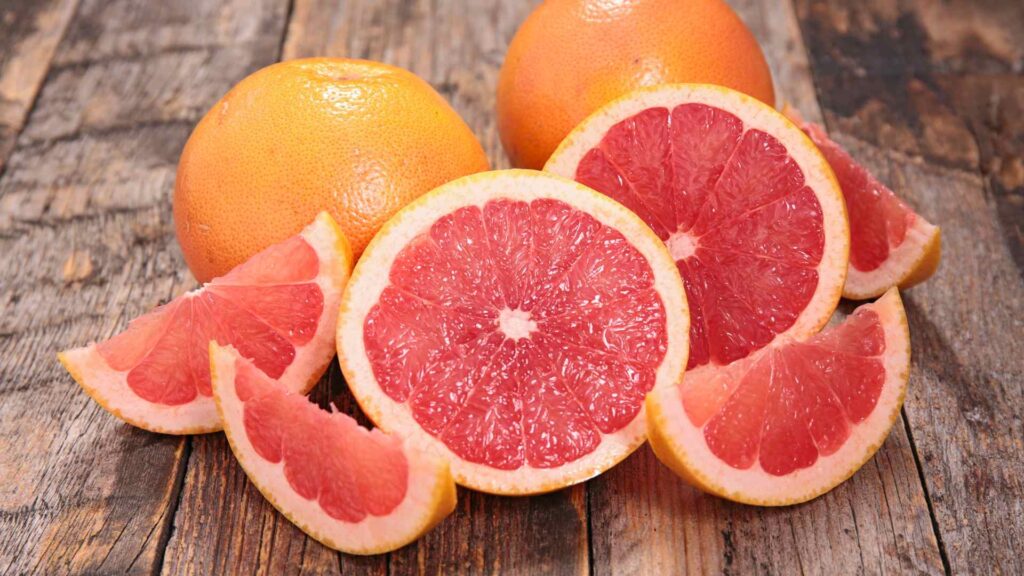
Essential oil is not concentrated fruit nutrition
Grapefruit essential oil is extracted from plant material and can be absorbed by swallowing, skin contact, inhalation, or mucous membranes. Concentration greatly changes risk, so a drop from an essential-oil bottle is not comparable to juice squeezed from flesh.
The Merck Veterinary Manual essential-oil review warns that higher concentrations carry greater risk and that concentrated oils should not be applied directly to pets. Possible signs include vomiting, drooling, lethargy, poor coordination, tremors, skin irritation, respiratory signs, or organ injury depending on the oil and exposure.
Do not add grapefruit oil to food or water, apply it to the coat, or use it as flea prevention or a skin treatment. Dogs may lick topical oil, and active diffusers can deposit droplets on fur that are later swallowed during grooming.
If oil spills on the coat, prevent licking and call for product-specific decontamination instructions. Do not induce vomiting after essential-oil ingestion because of aspiration risk.
Grapefruit juice is easier to overconsume
Juice concentrates sugar and acidity into an easy-to-swallow drink while removing much of the whole fruit’s structure. Pulp does not turn a glass into a necessary dog food.
Bottled grapefruit drinks may contain added sugar, other juices, sweeteners, preservatives, caffeine, or herbal ingredients. Sugar-free versions need an immediate xylitol check.
Our orange juice guide explains why juice is a poor routine treat even when the source fruit’s peeled flesh may be edible. Use the grapefruit drink’s own label rather than assuming every citrus beverage shares a recipe.
Prepared products can be more concerning than grapefruit
Grapefruit soda, gummies, marmalade, candy, yogurt, sparkling water, and baked goods may contain sweeteners, chocolate, raisins, macadamia nuts, or swallowed packaging. Identify every ingredient and do not infer caffeine-free or xylitol-free from flavor alone.
Cocktails can contain alcohol, which is an urgent toxicology concern, while grapefruit-flavored cleaners may contain detergents and concentrated fragrance chemicals. Save the full product label and safety information.
Human medication warnings about grapefruit interactions apply to specific human drug metabolism and do not create a blanket canine interaction chart. If a medicated dog eats grapefruit or a grapefruit supplement, call the prescribing veterinarian or pharmacist with the drug and product names.
What to do after an exposure
- Remove access and identify flesh, peel, pith, seeds, leaves, juice, oil, cleaner, supplement, or prepared food.
- Save the package and estimate the amount, time, dog’s weight, symptoms, and medical conditions.
- Check prepared products for xylitol, alcohol, caffeine, chocolate, raisins, macadamia nuts, detergents, and packaging.
- Call promptly for essential oil, cleaner, substantial plant material, unknown concentration, a vulnerable dog, or any symptoms.
- Follow veterinary instructions and do not improvise vomiting, charcoal, neutralizers, milk, or oil.
The ASPCA people-food guide says small citrus-fruit ingestions are unlikely to cause more than minor stomach upset, while significant amounts and other plant parts carry more concern. That is a useful proportionate starting point, not permission to feed grapefruit regularly.
A healthy adult dog that ate one tiny peeled flesh bite and remains normal can often be observed. Keep water available, return to the normal diet, and call if vomiting, diarrhea, discomfort, poor appetite, or unusual behavior develops.
Seek urgent care for collapse, tremors, severe lethargy, breathing trouble, repeated vomiting, inability to swallow, a painful swollen abdomen, or significant eye or skin injury. Bring the product or clear label photographs.
Frequently asked questions
Can dogs eat pink or ruby-red grapefruit?
Color does not remove the acidity, sugar, peel oils, or psoralen issue. A small peeled flesh bite may be low risk, but it remains an unnecessary treat.
Can puppies eat grapefruit?
Do not offer it. Puppies have small calorie budgets, sensitive stomachs, and a greater need for complete growth food.
Can grapefruit help a dog lose weight?
No. Weight management requires measured calories, body-condition monitoring, suitable exercise, and evaluation for medical contributors.
Can dogs have grapefruit essential oil in a diffuser?
Do not expose a dog directly or allow access to diffuser liquid. Stop use, ventilate, and call if coughing, wheezing, drooling, vomiting, lethargy, or oil contact occurs.
The bottom line
One tiny bite of peeled grapefruit flesh is usually far less concerning than peel, plant material, or concentrated essential oil. The flesh is still acidic, sugary, and unnecessary, so there is little reason to make it a routine treat.
Identify the exact form before choosing a response, and read every prepared-product label. Call early for oil, cleaners, substantial peel, unknown amounts, vulnerable dogs, or symptoms rather than treating all citrus exposures as interchangeable.