Can Dogs Eat Pecans? Risks, Symptoms, and Next Steps
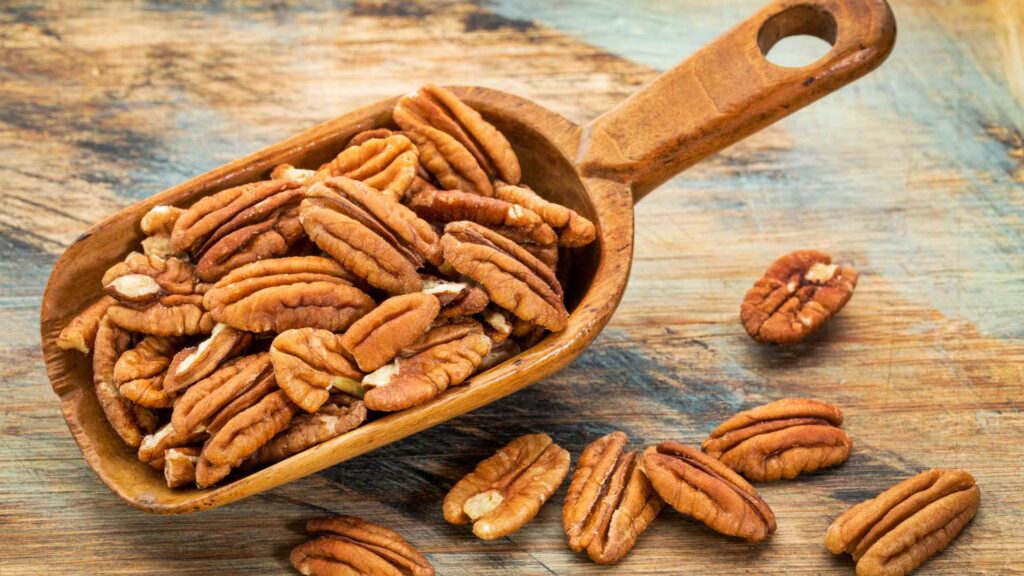
Dogs should not be offered pecans. One small fresh piece may cause nothing more than stomach upset in many dogs, but pecans are fatty, whole nuts and shells can obstruct the gut, and moldy nuts can contain toxins that trigger dangerous tremors or seizures.
The practical answer, without nutty drama
Pecans are not a useful dog treat, even though the nutrients and unsaturated fats make them appealing human food. A dog already eating a complete and balanced diet gains no special advantage from a calorie-dense nut with several avoidable hazards.
- Do not intentionally feed: fresh pecans, roasted pecans, shells, candied pecans, or pecan desserts.
- Call promptly: if the nuts were moldy, the dog swallowed shells or many whole nuts, another toxic ingredient was present, or any symptoms appear.
- Emergency signs: choking, repeated vomiting, a painful abdomen, tremors, seizures, collapse, or difficulty breathing.
- Never do: induce vomiting or give charcoal, oil, milk, or another home remedy without veterinary instructions.
The American Kennel Club’s veterinarian-informed pecan guidance recommends keeping pecans away from dogs and contacting a veterinarian after an ingestion. The response can still be individualized, because a crumb of fresh nut and a stomachful of moldy nuts are not equivalent events.
Why pecans are a poor choice for dogs
They pack a lot of fat into a small bite
Pecans are rich in fat and calories, so a small pile can add far more energy than it appears to contain. Even when no poisoning occurs, the result may be vomiting, diarrhea, abdominal discomfort, or an unwanted calorie surplus.
A rich food exposure can also be associated with pancreatitis in susceptible dogs, although not every dog who eats a pecan develops the disease. The Merck Veterinary Manual’s pancreatitis review notes that signs can include poor appetite, vomiting, weakness, abdominal pain, dehydration, and diarrhea.
Dogs with a previous episode of pancreatitis, high blood triglycerides, obesity, diabetes, or a prescribed low-fat diet deserve an especially conservative response. Call the treating veterinarian after any meaningful high-fat food raid.
Mold can turn nuts into a neurologic emergency
Pecans stored poorly or left under a tree can develop mold, and some molds produce tremorgenic mycotoxins. These toxins can cause vomiting, drooling, agitation, unsteady movement, muscle tremors, high body temperature, and seizures.
The Merck Veterinary Manual describes moldy nuts and food waste as recognized sources of tremorgenic neuromycotoxicosis in dogs. Signs may begin within hours, so visible shaking after a moldy-food exposure belongs in an emergency clinic.
You cannot reliably determine toxin production by sniffing a nut, scraping off visible mold, roasting it, or watching whether a squirrel ate nearby. Discard questionable pecans where dogs cannot raid them.
Whole nuts and shells can block the digestive tract
A whole pecan may be gulped rather than chewed, and a shell is harder, sharper, and less digestible than the nutmeat. Small dogs face an obvious size mismatch, but large dogs can swallow several nuts or shell fragments at once.
Obstruction can cause repeated vomiting, loss of appetite, lethargy, abdominal pain, and dehydration. A dog may still pass some stool with a partial blockage, so bowel movements do not automatically rule out trouble.
What about juglone?
Pecan and walnut trees contain juglone, and many pet resources cite it when advising against pecans. The clinical importance of a small amount of clean pecan nutmeat in dogs is less clearly defined than the practical risks from gastrointestinal upset, fat, mold, shells, and mixed recipes.
There is no need to build the safety decision around one disputed mechanism. Pecans offer little benefit to a dog and enough well-established downsides to choose something else.
Fresh, roasted, salted, candied, or shelled?
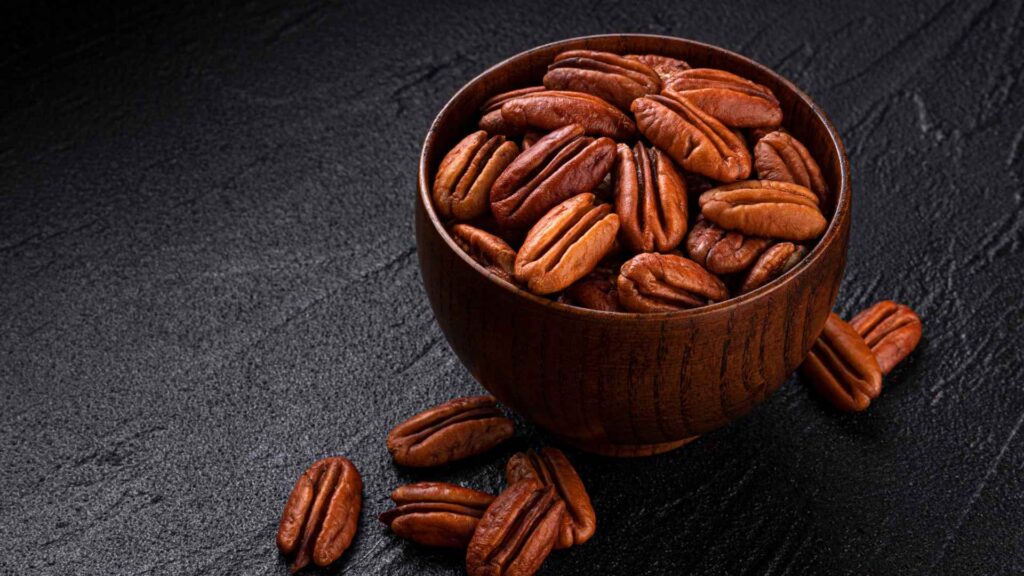
Fresh shelled pecans: These avoid the shell hazard but remain fatty and unnecessary. Do not use “fresh” as a synonym for “dog-safe.”
Roasted pecans: Roasting does not make pecans a suitable canine treat or guarantee that every toxin is eliminated. Oil, salt, and seasoning can add new problems.
Salted or flavored pecans: Dogs do not need the extra sodium, and savory blends may contain onion or garlic. Sweet versions may include chocolate, xylitol, or a heavy sugar coating.
Pecans in the shell: These create the greatest physical hazard and may carry dirt, mold, or pesticide residue from the ground. Never let a dog crack them like a backyard snack puzzle.
Stale or moldy pecans: Treat these as a potential poison exposure, not an ordinary dietary indiscretion. The ASPCA Animal Poison Control Center warns that moldy nuts and food waste can produce rapid tremors and seizures.
Pecan pie and other mixed foods
Pecan pie combines nuts with a large amount of sugar and fat, and recipes may add chocolate, alcohol, or sugar substitutes. A dog who steals pie needs an assessment of the complete recipe, not just the pecan count.
- Xylitol: This sweetener can cause rapid hypoglycemia and liver injury in dogs.
- Chocolate: Cocoa concentration, amount eaten, and the dog’s weight all affect risk.
- Raisins: These can cause acute kidney injury and require prompt veterinary guidance.
- Alcohol: Spirits and alcohol-containing flavorings can depress the nervous system.
- Macadamia nuts: Mixed-nut cookies and gift tins may contain this dog-toxic nut.
- Butter and rich pastry: The fat load may cause severe gastrointestinal upset and can be risky for pancreatitis-prone dogs.
Our guides to chocolate and grapes and raisins explain two common dessert hazards. If either ingredient was eaten, call first and read second.
What to do if your dog ate pecans
- Take away the remaining nuts, shells, package, pie, or trail mix.
- Check whether the pecans were fresh, moldy, shelled, salted, flavored, or part of a recipe.
- Estimate the number eaten, time of exposure, and your dog’s current weight.
- Contact your veterinarian or animal poison control for advice tailored to the exposure.
- Follow instructions and watch closely for gastrointestinal, neurologic, or choking signs.
A veterinarian may advise home observation after a tiny fresh piece in a large, healthy dog, but that decision should account for the individual facts. Puppies, toy breeds, medically fragile dogs, and dogs with prior pancreatitis deserve a lower threshold for examination.
Go to an emergency clinic for tremors, seizures, collapse, repeated vomiting, a swollen or painful abdomen, inability to keep water down, choking, or difficulty breathing. Do not wait for office hours when neurologic or respiratory signs are present.
Never induce vomiting unless a veterinarian specifically tells you to do it for this dog and exposure. Vomiting can be dangerous when a dog is already neurologically abnormal, choking, very sleepy, or at risk of aspiration.
Special-risk dogs
Dogs with pancreatitis or hyperlipidemia: Pecans conflict with the low-fat strategy commonly used for these patients. Contact the treating clinic after an accidental serving.
Small dogs and puppies: A single whole nut represents a larger calorie load and a greater obstruction or choking risk. Growing puppies also need their calories from a complete and balanced puppy diet.
Dogs with seizure disorders: Moldy-food toxins can cause tremors and seizures even in dogs without prior neurologic disease. A known moldy-nut exposure should be discussed promptly rather than dismissed as the dog’s usual condition.
Dogs on prescription or elimination diets: Unplanned nuts can interfere with fat restriction, calorie control, or a diagnostic food trial. Follow the prescribed plan exactly.
Dogs who forage under pecan trees: The recurring opportunity matters more than a one-time kitchen crumb. Remove fallen nuts and husks, restrict access during drop season, and practice a reliable “leave it.”
Safer treats with less baggage
A pecan-sized reward does not need to be a nut. Plain pieces of carrot, cucumber, green bean, apple without the core or seeds, or a familiar commercial dog treat are easier to portion and evaluate.
If you use peanut butter for medication or enrichment, choose a product without xylitol and account for its fat and calories. Our peanut butter safety guide explains the label check.
Keep all extras within the treat allowance recommended for your dog’s calorie needs. The World Small Animal Veterinary Association’s treat guide recommends that treats provide no more than 10 percent of daily calories.
Questions that come up after the snack bowl tips
My dog ate one fresh pecan and seems fine. Is this an emergency?
Severe illness is less likely after one small fresh piece than after multiple, moldy, or shell-on nuts, but call your veterinarian for an individualized recommendation. Monitor for vomiting, diarrhea, appetite loss, abdominal pain, weakness, tremors, and unusual behavior.
Can dogs eat pecan butter?
It removes the whole-nut obstruction risk but remains fatty and may contain sugar, salt, chocolate, or xylitol. There is no good reason to choose it as a dog treat.
Are walnuts the same risk?
They are a different nut, but fat, mold, and shell hazards overlap. Read our walnut guide rather than assuming every nut follows one rule.
Can dogs eat any nuts?
Nut safety varies, and even non-toxic types tend to be calorie-dense and may be salted, seasoned, moldy, or mixed with toxic nuts. Our broader guide to nuts for dogs sorts the categories.
The bottom line
Pecans are an avoidable risk, not a canine superfood. Keep nuts and shells out of reach, clean up under trees, call after a meaningful or uncertain exposure, and treat tremors, seizures, repeated vomiting, or obstruction signs as urgent.