Can Dogs Eat Lettuce? A Crisp, Safe-Serving Guide
Yes, dogs can eat plain lettuce in small amounts. Romaine, iceberg, green leaf, red leaf, and butter lettuce are not considered toxic, but wash the leaves, chop them into easy-to-swallow pieces, and keep salad dressing and toppings out of the dog bowl.
The salad-bowl answer in 30 seconds
- Best choice: fresh, washed lettuce served plain and finely chopped.
- Reasonable portion: a few pieces as an occasional treat, adjusted for your dog’s size and daily calories.
- Main concerns: choking on large leaves, diarrhea after too much fiber, contaminated produce, and unsafe salad ingredients.
- Skip it: if the lettuce is spoiled, recalled, heavily dressed, or part of a dish containing onion, garlic, raisins, xylitol, or other hazards.
The American Kennel Club’s veterinarian-informed lettuce guide describes common varieties such as romaine and iceberg as non-toxic, while warning that large fibrous pieces can be hard to digest. That makes preparation more important than choosing the trendiest leaf in the produce aisle.
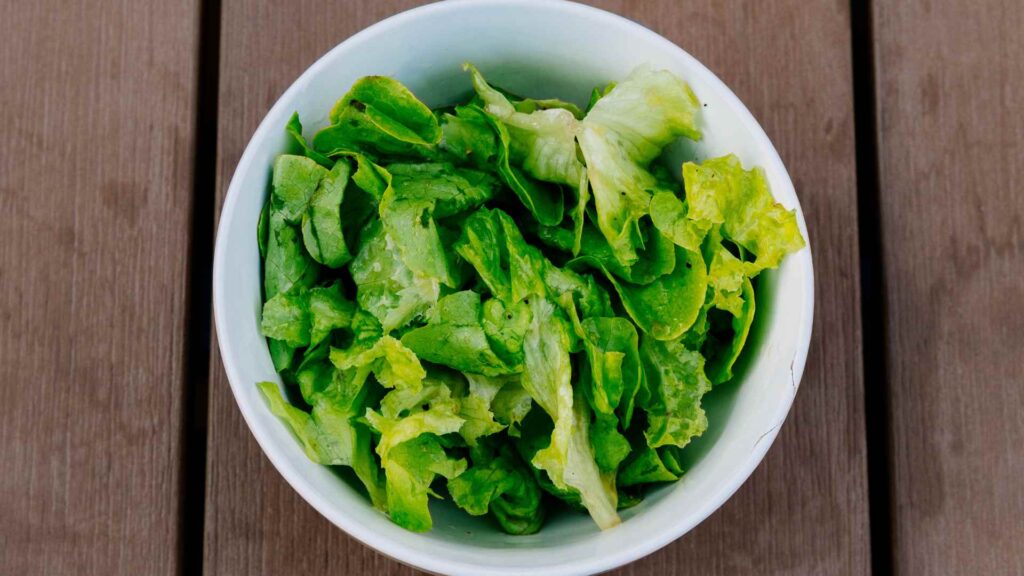
Is lettuce actually good for dogs?
Lettuce is mostly water and relatively low in calories, so a dog who enjoys the crunch may find it satisfying without getting a rich treat. It also contains fiber and small amounts of micronutrients, although the exact profile varies by variety.
Those facts do not turn lettuce into a supplement, a constipation remedy, or a replacement for drinking water. A complete and balanced dog food should provide the nutrients your dog needs, and fresh water should remain available at all times.
For a dog on a veterinarian-directed weight plan, lettuce might replace a more calorie-dense treat if the veterinary team approves it. Simply adding lettuce on top of the usual food and treats does not create weight loss, because total calories still count.
If your dog dislikes leaves, there is no nutritional reason to stage a negotiation. Other simple options include plain cucumber and dog-safe carrot pieces, provided they suit the dog’s health and chewing style.
Which lettuce varieties can dogs eat?
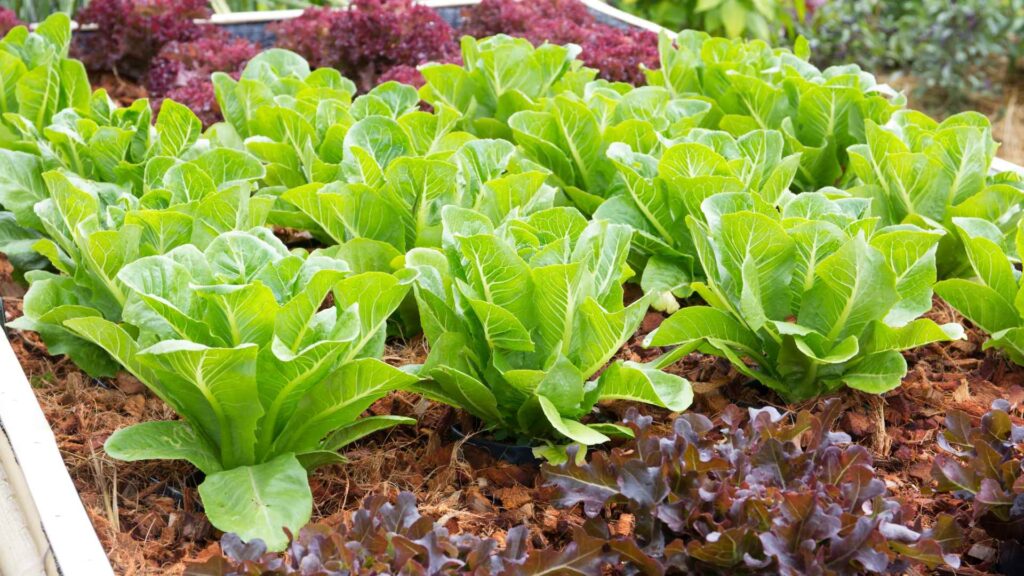
Romaine lettuce
Romaine is crisp and fibrous, so slice the leaf and thicker rib into small pieces rather than offering a whole spear. Do not serve romaine affected by a food-safety recall, even if it looks fresh.
Iceberg lettuce
Iceberg is safe when plain, but its nutritional contribution is modest. That is fine, because a treat does not have to carry the résumé of a full meal.
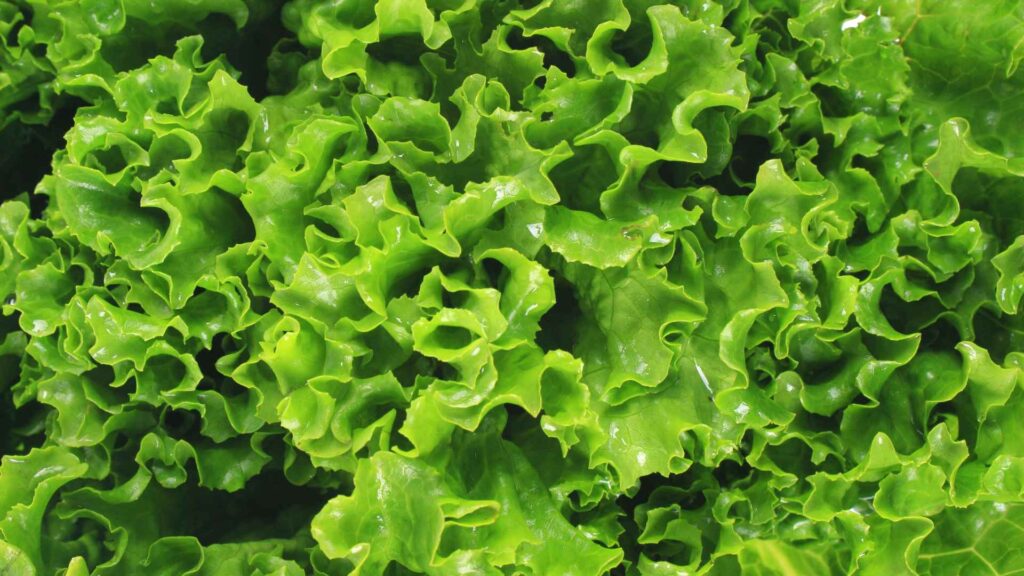
Green leaf, red leaf, and butter lettuce
These varieties can also be offered washed and chopped. Softer leaves may be easier for some dogs to chew, although determined gulpers can swallow almost anything too quickly.
Arugula and spinach
Arugula and spinach are leafy greens rather than true lettuce varieties, so they deserve separate consideration instead of being treated as interchangeable salad filler. For spinach-specific cautions, including oxalates and medical conditions, see our guide to spinach for dogs.
How to prepare lettuce safely
Start with leaves that are fresh, properly refrigerated, and free of slime, mold, or obvious decay. Remove damaged sections and discard lettuce that smells wrong or has been left at room temperature for an unsafe length of time.
- Wash your hands and use a clean cutting board and knife.
- Rinse the lettuce thoroughly under plain running water.
- Do not use soap, detergent, or household disinfectant on the leaves.
- Remove the tough base and chop leaves and ribs into small pieces.
- Serve the lettuce plain, either raw or lightly steamed, with no dressing or seasoning.
The U.S. Food and Drug Administration recommends washing produce under running water and specifically advises against soap, detergent, or commercial produce wash. Washing reduces surface contamination but cannot make recalled produce safe.
Chopping matters because a broad wet leaf can be awkward to chew and may be gulped whole. Size the pieces for the individual dog, especially for toy breeds, seniors with dental disease, and dogs who treat chewing as an optional hobby.
How much lettuce can a dog have?
There is no universal cup or handful that works for every dog, because size, calorie needs, body condition, digestive tolerance, health, and the rest of the diet all change the answer. Begin with one or two small pieces and see how your dog responds before offering more on another day.
That first taste is not a daily prescription. Lettuce and all other extras should remain a small part of the day’s calories while complete and balanced food does the nutritional heavy lifting.
The World Small Animal Veterinary Association nutrition resources emphasize individualized assessment of diet history, body condition, life stage, and disease. A veterinarian who knows your dog can apply those factors more usefully than an internet serving chart.
Can dogs eat lettuce every day?
Most healthy dogs do not need daily lettuce, although a few approved pieces may fit some feeding plans. Regularly adding large amounts can cause loose stool, crowd out balanced food, or make it harder to track calories and digestive triggers.
Why a leftover salad is different from plain lettuce
A naked leaf is simple, while a restaurant salad is a small ingredient detective novel. Dressing, croutons, cheese, cured meat, nuts, dried fruit, onion, garlic, and sweeteners each change the risk.
- Onion, garlic, and chives: Allium ingredients can injure canine red blood cells and cause anemia.
- Grapes and raisins: These can cause acute kidney injury and require prompt professional advice.
- Xylitol: This sweetener can cause a rapid, life-threatening drop in a dog’s blood sugar.
- Macadamia nuts: These are toxic to dogs and sometimes appear in composed salads.
- Rich dressing, bacon, and cheese: High-fat, salty additions may trigger digestive upset and are especially unsuitable for some medical diets.
- Hard croutons or skewers: Large pieces and non-food items create choking or foreign-body concerns.
The ASPCA’s people-food hazard list explains why onion, garlic, grapes, raisins, macadamia nuts, and xylitol do not belong in a dog’s salad. Check the complete recipe before deciding whether an exposure is simply inconvenient or urgent.
If onion was involved, our onion safety guide provides more context, but a veterinarian or animal poison-control service should handle the immediate risk assessment. Do not wait for visible anemia or weakness before making that call.
Foodborne bacteria and produce recalls
Raw produce can carry disease-causing bacteria, and lettuce has been involved in human food-safety outbreaks. Dogs can become ill, and contaminated food can also spread germs around bowls, counters, hands, and household surfaces.
Wash lettuce, refrigerate it promptly, prevent cross-contamination with raw meat, and follow recall instructions. Never feed a recalled product to a dog as a way to avoid wasting it.
Vomiting, diarrhea, fever, marked lethargy, loss of appetite, or blood in the stool deserves veterinary advice, particularly in puppies, seniors, pregnant dogs, and animals with weakened immune systems. People in the household should follow public-health guidance if they handled a recalled item.
Dogs who need a more careful answer
Puppies: A tiny chopped piece is unlikely to improve a puppy diet and should never replace growth-formulated food. Their smaller airways and calorie needs make portions and chewing safety especially important.
Dogs with chronic digestive disease: Adding raw fiber may worsen gas, diarrhea, or abdominal discomfort. Follow the veterinarian’s feeding plan instead of using lettuce to self-treat symptoms.
Dogs on elimination diets: Even a vegetable can disrupt a controlled food trial if it was not approved. Every treat, table scrap, flavored chew, and supplement must match the plan.
Dogs with kidney, bladder, endocrine, or cardiac disease: Lettuce is not automatically forbidden, but the whole diet and medication schedule matter. Ask before turning it into a routine topper.
Dogs with dental disease or swallowing problems: Raw fibrous leaves may be a poor texture choice. A veterinary examination can identify a safer treat format.
What to do if your dog eats lettuce
If your healthy dog steals a few pieces of plain, fresh lettuce and acts normal, remove the rest, offer fresh water, and monitor for vomiting or diarrhea. Mild gas may pass without treatment, but persistent or worsening signs justify a call.
If the dog swallowed a large intact core or appears to be choking, seek urgent veterinary help. Difficulty breathing, repeated gagging, collapse, or blue or gray gums is an emergency.
If the lettuce was recalled, spoiled, moldy, or coated in a dressing with a hazardous ingredient, contact your veterinarian or animal poison control with the package and recipe available. Do not induce vomiting or give a home remedy unless a veterinary professional directs you.
Quick questions about lettuce
Can dogs eat lettuce with ranch dressing?
Skip it, because ranch is fatty and salty and often contains onion or garlic seasoning. Plain chopped lettuce is a clearer, lower-risk choice.
Can lettuce help a constipated dog?
It is not a dependable treatment, and constipation can reflect dehydration, pain, obstruction, medication effects, or disease. Call your veterinarian if straining is repeated, painful, accompanied by vomiting, or not resolving promptly.
Is steamed lettuce safer than raw?
Light steaming softens the leaf and may suit some dogs, but it does not rescue spoiled or recalled produce. Serve it plain and cool, without oil, salt, onion, or garlic.
Are green beans more nutritious than lettuce?
They have different nutrient and fiber profiles, but neither should be treated as a complete meal. See our green bean guide for preparation and portion cautions.
The crisp conclusion
Plain, washed, finely chopped lettuce is a safe occasional snack for many dogs, though it is hardly a nutritional superhero. Keep portions small, respect recalls, and remember that the ingredients surrounding the leaf often matter more than the leaf itself.