Can Dogs Eat Cream Cheese? Plain Tastes, Flavors, and Risks
A tiny taste of plain cream cheese is unlikely to poison most healthy dogs, but it is a rich dairy food, not a useful routine treat. Lactose sensitivity, milk-protein allergy, fat, calories, sodium, pancreatitis history, flavored onion or garlic, sugar-free sweeteners, spoiled dairy, and swallowed packaging can all change the answer.
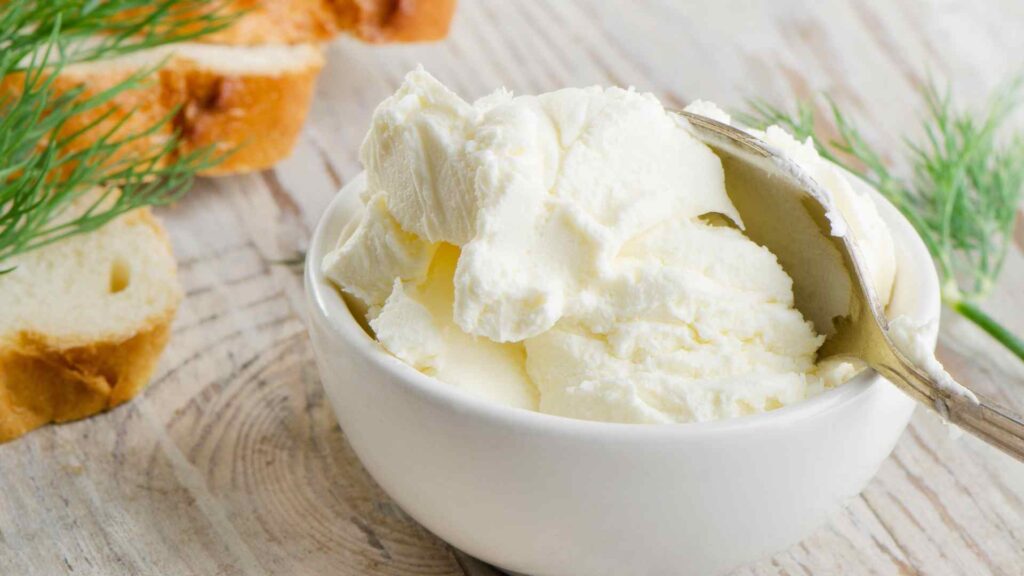
What plain cream cheese brings to the bowl
Traditional cream cheese is made from milk and cream, with cultures, salt, stabilizers, or gums depending on the product. It is energy-dense and fatty compared with many ordinary dog treats.
A fingertip smear and half a tub are not comparable exposures. Dog size, the exact formulation, medical history, amount, and other foods eaten determine the practical response.
Cream cheese does not become a calcium supplement or probiotic treatment because it is dairy or cultured. A complete diet already supplies required nutrients in the intended proportions.
The site’s cheese guide compares several cheese types, mold-ripened products, sodium, lactose, and dangerous add-ins. Cream cheese deserves special attention mainly because it is soft, easy to over-serve, and often flavored.
Lactose tolerance varies
Adult dogs vary in their ability to digest lactose, and cream cheese still contains dairy even if its lactose content differs from milk. A dog can tolerate one product poorly despite handling another small dairy treat.
The ASPCA people-food guide notes that pets lack significant amounts of lactase and that dairy can cause diarrhea or digestive upset. That makes tolerance an individual observation, not a promise.
Possible signs include gas, loose stool, vomiting, abdominal gurgling, discomfort, or urgency. They may appear after a larger amount even when a previous lick caused no problem.
Do not use cream cheese to treat diarrhea or help a dog gain weight without a plan. Adding rich dairy can worsen digestive signs or hide the reason weight is changing.
Milk-protein allergy is different from lactose intolerance
Lactose intolerance involves digestion of milk sugar, while a food allergy involves an immune response to protein. The two can produce overlapping gastrointestinal signs, but allergy may also involve itching, ear disease, or skin problems.
A dog on a veterinary elimination diet should receive no unapproved cream cheese, flavored spread, cheesecake, or medication bite. Even a small exposure can make a carefully controlled food trial harder to interpret.
Do not diagnose a dairy allergy from one soft stool or itchy evening. A veterinarian-directed elimination and challenge process is more reliable than repeatedly switching among yogurt, cheese, and milk.
Greek yogurt has a different texture and composition, discussed in the Greek yogurt guide. It is not automatically interchangeable with cream cheese.
Fat and pancreatitis need proportion
Cream cheese can deliver a large fat load quickly because a dog can lick it rather than chew it. A small taste does not guarantee pancreatitis, but a tub raid is not a harmless dairy snack.
The Merck Veterinary Manual pancreatitis guide lists large amounts of table scraps or inappropriate food among common risk factors. Signs can include vomiting, appetite loss, weakness, dehydration, diarrhea, and abdominal pain.
Dogs with previous pancreatitis, high blood triglycerides, diabetes, obesity, chronic digestive disease, or a prescribed low-fat diet should skip cream cheese unless their veterinarian specifically includes it. “Just for a pill” can become a daily fat source.
Repeated vomiting, a hunched or painful posture, refusal of food, marked lethargy, or inability to keep water down after a large cream-cheese exposure needs veterinary attention.
Calories and sodium are quieter concerns
A soft spread is easy to serve without measuring, and several spoonfuls can displace a meaningful share of a small dog’s food. Light, whipped, or reduced-fat labels do not make the product calorie-free.
The UC Davis veterinary treat guide recommends that at least 90 percent of calories come from complete and balanced food. Cream cheese shares the remaining allowance with every chew, topper, and table scrap.
Most cream cheese also contains sodium. One tiny taste is not expected to cause salt poisoning, but routine use may conflict with a sodium-modified heart or kidney diet.
Human “low sodium” claims are not veterinary prescriptions. Dogs with heart, kidney, blood-pressure, or fluid-balance problems need the treating team to approve extras.
Flavored cream cheese can add Alliums
Chive, onion, garlic, herb, vegetable, ranch, everything-bagel, and savory spreads may contain onion or garlic in fresh, dried, powdered, or extract form. Powder is still an Allium exposure.
Onion and garlic can damage canine red blood cells, with risk depending on amount, concentration, dog, and repeated exposure. Save the label and estimate the missing spread instead of assuming the flavor name reveals the full recipe.
One lick of lightly flavored spread is not automatically a severe poisoning, but a substantial amount or concentrated seasoning deserves prompt advice. Delayed weakness, pale gums, fast breathing, rapid heart rate, exercise intolerance, or dark urine requires care.
Use the garlic guide and onion guide when those ingredients appear. The cream cheese is no longer the only question.

Sweet and sugar-free flavors
Strawberry, honey, cinnamon, pumpkin, chocolate, caramel, frosting-style, and dessert spreads can add sugar, fruit preparations, cocoa, raisins, nuts, or flavor extracts. Bakery cream-cheese frosting may contain even more sugar and butter.
Sugar itself is not acutely toxic to dogs, but it adds calories and can cause stomach upset after a raid. Chocolate, raisins, macadamia nuts, alcohol, and xylitol require their own faster response.
Sugar-free, keto, low-carb, protein-enhanced, and flavored products require a full sweetener check. The FDA xylitol warning advises immediate veterinary or poison-control contact after known or possible exposure.
Look for xylitol, birch sugar, wood sugar, and birch bark extract. Do not wait for weakness, staggering, collapse, or seizures when the label confirms xylitol.
Bagels, sushi, dips, and cheesecake change the inventory
A cream-cheese bagel may include raisins, onion, garlic, chocolate, seeds, smoked salmon, or a wrapper. The dense bagel itself can also be a large calorie and choking-prone theft for a small dog.
Sushi rolls may add raw fish, smoked fish, avocado, soy sauce, wasabi, onion, or packaging. Inventory the whole roll rather than focusing on its white filling.
Party dips can contain onion soup mix, garlic, chili, bacon, spinach, artichoke, or salty seasoning. Cheesecake adds sugar, butter, crust, chocolate, alcohol, raisins, or sugar-free sweeteners depending on the recipe.
Ask for the ingredient list when the food came from a restaurant or bakery. A photograph of the top does not reveal sweeteners or powdered seasonings mixed throughout.
Using cream cheese for pills
A tiny plain smear can be a practical medication carrier for some dogs if the medicine may be given with food and the dog tolerates dairy and fat. It should be the smallest amount that reliably hides the dose.
Confirm whether the tablet can be crushed, split, or taken with dairy because medication instructions vary. Do not improvise when a drug requires an empty stomach or special handling.
Account for a daily medication bite in calories and in therapeutic-diet restrictions. A dog receiving several pills can quietly consume multiple spoonfuls by the end of the day.
For low-fat, elimination, kidney, heart, or diabetic diets, ask for a compatible alternative. A veterinary pill treat or a measured portion of approved food may fit better.
Spoilage, mold, and food safety
Cream cheese is perishable and should be refrigerated according to its label. A tub left warm for hours, a moldy block, or a spread with an uncertain history should be discarded securely rather than offered to the dog.
Do not scrape mold from soft cheese and feed the remainder. Mold can extend beyond the visible patch, and spoiled dairy can cause gastrointestinal illness.
A dog that raids spoiled cream cheese may develop vomiting, diarrhea, appetite loss, or lethargy. Severe, repeated, bloody, or persistent signs need veterinary assessment.
Homemade products made with unpasteurized milk add food-safety questions for both dogs and household members. Keep the recipe and source information if illness follows exposure.
Foil, tubs, lids, and utensils
Foil wrappers, plastic film, freshness seals, tub lids, silicone spatulas, and disposable knives may disappear along with the spread. Packaging can obstruct or injure even when the food ingredients are low risk.
Count missing objects separately and note their size and material. Do not induce vomiting after sharp foil, rigid plastic, or an utensil unless a veterinary professional specifically directs it.
Repeated vomiting, appetite loss, abdominal pain, marked lethargy, a swollen belly, regurgitation, or inability to keep water down after packaging ingestion needs prompt care. Never pull material protruding from the rectum.
Keep refrigerated tubs behind a closed door and discard foil or seals in a lidded bin. A dog that can open a soft plastic tub may swallow more than cheese.
What to do after a cream-cheese raid
After one small taste of plain cream cheese, remove access, provide normal water, and monitor for gas, vomiting, loose stool, pain, or appetite change. Skip other rich foods that day.
After a tub raid, flavored or sugar-free product, spoiled dairy, cheesecake, dip, or missing packaging, save the label and recipe. Call with dog weight, amount, time, symptoms, medical history, and every missing object.
Seek urgent care for collapse, repeated vomiting, severe abdominal pain, marked weakness, pale gums, fast breathing, dark urine, tremors, seizures, or inability to keep water down. Known xylitol exposure needs immediate help before symptoms.
Do not induce vomiting or give peroxide, salt, oil, milk, charcoal, antacids, or human medicine unless directed for the exact exposure.
The bottom line
A tiny taste of plain cream cheese is unlikely to poison most healthy dogs, but fat, calories, sodium, and dairy tolerance make it a poor everyday reward. Dogs with pancreatitis, therapeutic diets, or dairy reactions should skip it.
Flavored Alliums, sugar-free sweeteners, dessert ingredients, spoilage, and packaging can change a mild dairy incident into something urgent. Read the whole label and inventory the whole theft.