Can Dogs Have Peppermint? Leaves, Oil, Candy, and Pennyroyal
Dogs do not need peppermint, and concentrated peppermint oil should stay off their skin and out of their mouths. A nibble of identified culinary peppermint may cause no problem or mild stomach upset, while a large plant meal, essential oil, pennyroyal, sugar-free mint, chocolate candy, medicine, or swallowed wrapper requires a product-specific response.
“Peppermint” can describe very different things
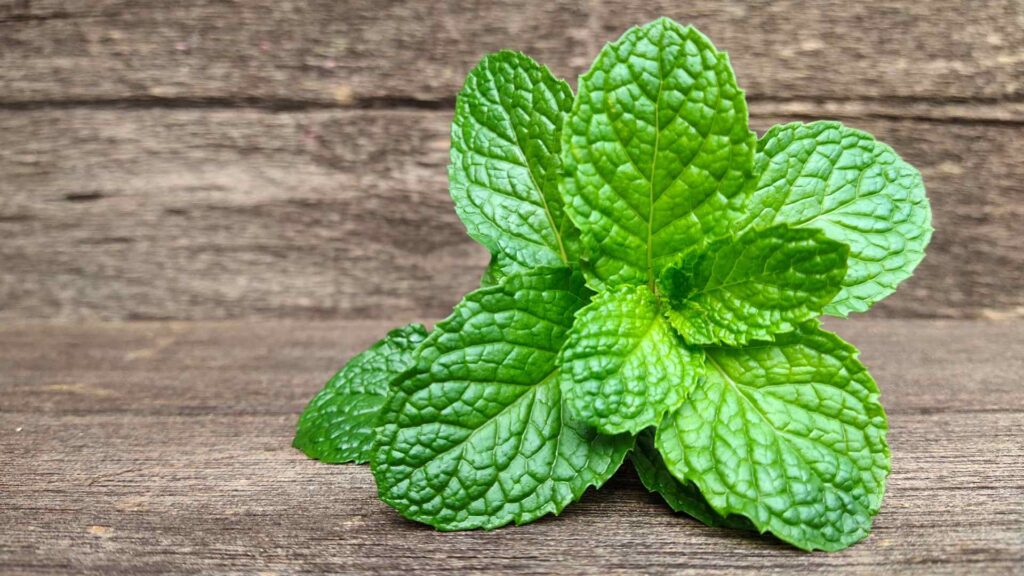
Peppermint usually means Mentha x piperita, a cultivated mint used in food and tea. The same word also appears on essential oil, flavor extract, candy, gum, toothpaste, mouthwash, medicine, diffusers, cleaners, and pest products.
Concentration and formulation change everything. A leaf is not a drop of distilled oil, and a candy cane is mostly a candy-and-packaging question rather than a plant question.
Plant identification matters too because mint-family plants can look similar. Do not rely on a phone app after a garden raid when pennyroyal or an unknown plant could be involved.
The site’s broader mint guide covers common culinary mints, plant identification, pennyroyal, and product forms. Here, peppermint gets the closer label-by-label treatment.
A few peppermint leaves are not a breath treatment
The ASPCA mint listing identifies essential oils as the toxic principle and notes vomiting and diarrhea with large plant ingestions. That supports keeping dogs out of the herb bed without turning one identified leaf into a guaranteed poisoning.
A dog that nibbles a small clean leaf and remains comfortable may only need monitoring. Remove access and watch for drooling, vomiting, diarrhea, appetite loss, or unusual lethargy.
Do not add peppermint to meals for fresher breath. Persistent bad breath can reflect dental disease, oral infection, a foreign object, kidney disease, diabetes, or another problem that fragrance only masks.
Peppermint is also not a reliable treatment for nausea, gas, reflux, inflammatory bowel disease, or car sickness in dogs. Those signs deserve a cause-based plan rather than a cooling flavor.
Peppermint oil is a concentrated exposure
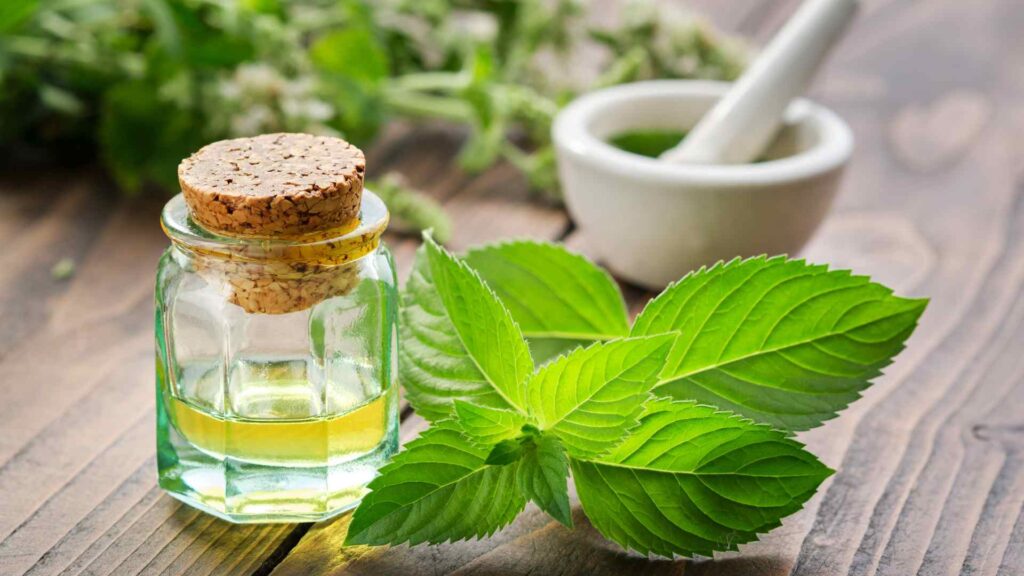
Essential oil contains volatile compounds at far higher concentration than a culinary leaf. It can be absorbed through the mouth, gastrointestinal tract, lungs, skin, and mucous membranes.
The Merck Veterinary Manual essential-oil review explains that greater concentration increases risk and advises against applying concentrated oils directly to pets. Possible signs include vomiting, drooling, lethargy, incoordination, respiratory irritation, tremors, seizures, and organ injury depending on the oil and exposure.
Do not put peppermint oil on a collar, paws, gums, skin, bedding, or food as a flea, tick, pain, nausea, or odor remedy. Natural does not mean gentle at distilled concentration.
If oil spills on fur or skin, prevent licking and call for decontamination instructions. Do not scrub with another oil or solvent because that may increase spread or absorption.
Diffusers, sprays, and inhalation
Passive diffusers mainly create vapor unless tipped, while ultrasonic and nebulizing units can send tiny droplets into the air. Those droplets may settle on fur and later be swallowed during grooming.
Keep dogs out of the room during use, ventilate afterward, and never place a diffuser beside a crate or bed where the dog cannot move away. Dogs with respiratory disease deserve especially cautious avoidance.
Coughing, wheezing, watery eyes or nose, drooling, vomiting, rapid breathing, or breathing effort after a fragrance exposure requires fresh air and veterinary advice. Breathing difficulty is an emergency.
A tipped diffuser is both a liquid-oil exposure and a packaging exposure. Save the oil label, ingredient list, concentration, bottle, and estimate of the missing amount.
Pennyroyal is not ordinary peppermint
European pennyroyal, Mentha pulegium, and American pennyroyal, Hedeoma pulegioides, are distinct plants associated with the name pennyroyal. Their oils are not safe culinary substitutes or pet pest-control remedies.
Merck lists pennyroyal among essential oils with potential liver and seizure risks. Historical use as a natural insect repellent does not establish a safe topical or oral dose for dogs.
If pennyroyal plant material, oil, tea, tincture, or flea product is involved, call promptly with the exact species or label. Do not wait for vomiting, weakness, tremors, unusual bleeding, or collapse.
Keep plant tags and purchase receipts for garden herbs when possible. A reliable name is far more useful to poison-control professionals than “some mint from the yard.”
Candy canes, breath mints, and gum
Peppermint candy usually adds sugar, hard or sticky texture, color, and wrappers. Sugar is not acutely toxic to dogs, but a large candy raid can cause stomach upset and a significant calorie load.
Sugar-free mints and gum require immediate label reading for xylitol, also called birch sugar, wood sugar, or birch bark extract. The FDA xylitol warning says to contact a veterinarian, emergency clinic, or animal poison center immediately after exposure.
Do not wait for vomiting, weakness, staggering, collapse, or seizures after confirmed or possible xylitol ingestion. Bring the package and count the missing pieces so professionals can estimate the dose.
Hard candies can lodge in the throat, while gum and sticky sweets can cling to teeth or arrive with foil, plastic, paper, or sticks. Count wrappers separately from candy pieces.
Peppermint chocolate and holiday desserts
Peppermint bark, cookies, brownies, cocoa, ice cream, and mocha drinks may contain chocolate or caffeine. Dark chocolate and cocoa powder generally create more methylxanthine risk than a comparable amount of milk or white chocolate.
Use the chocolate guide when cocoa appears and report chocolate type, cocoa percentage, dog weight, and amount. Peppermint flavor does not neutralize chocolate.
Rich desserts may also contain butter, cream, alcohol, macadamia nuts, raisins, or sugar-free sweeteners. A bakery label or recipe is more useful than guessing from the dessert’s color.
The caramel guide covers sticky candy, hot sugar, chocolate coatings, nuts, and wrappers when peppermint is paired with caramel.

Tea, extract, and medicine are separate products
Plain brewed peppermint tea is diluted compared with essential oil, but it offers no necessary canine benefit. Hot liquid can burn, tea blends may contain caffeine or other herbs, and sweetened cups may contain xylitol or honey.
Peppermint extract can contain alcohol and concentrated flavoring. Report the brand, alcohol percentage if listed, amount, and dog weight rather than treating it like a leaf infusion.
Cough drops, antacids, digestive remedies, nasal products, balms, toothpaste, and mouthwash can combine peppermint or menthol with xylitol, medication, alcohol, camphor, eucalyptus, or other ingredients. Never give a human product based on the flavor name.
A chewed medication tube or bottle adds dosing and packaging questions. Call with every active ingredient and strength, not only the peppermint listed under inactive ingredients.
No DIY flea, itch, or pain remedies
Peppermint is often promoted online as a flea repellent, cooling spray, sore-muscle rub, or itchy-skin treatment. These uses can expose a dog through skin, inhalation, and grooming without treating the underlying problem.
Fleas require an effective product selected for the dog’s age, weight, health, and species household. Never use a dog product on a cat, and do not improvise with peppermint or pennyroyal oil.
Red or itchy skin may reflect allergy, infection, parasites, contact irritation, or pain. Oil can worsen irritation, trap debris, and make the area difficult to examine.
Menthol’s cooling sensation is not proof of pain relief or tissue healing. If a dog is limping, sore, or reluctant to move, protect the area and arrange an assessment instead of applying a human rub.
What to do after a peppermint exposure
Identify the exact form first: plant, oil, diffuser liquid, candy, gum, chocolate, tea, extract, medicine, cleaner, or flea product. Save the plant sample or label and note dog weight, amount, time, route, symptoms, and missing packaging.
After one identified culinary leaf and no symptoms, remove access and monitor. After oil, pennyroyal, xylitol, medication, a large plant meal, breathing signs, or unknown ingredients, call immediately.
Seek urgent care for breathing trouble, collapse, tremors, seizures, repeated vomiting, severe weakness, inability to stand, or marked incoordination. Known xylitol exposure and substantial essential-oil exposure deserve help before severe signs.
Do not induce vomiting or give peroxide, salt, oil, milk, charcoal, or human medicine unless a veterinary professional directs it for the exact product. Essential oils carry aspiration risk, so home vomiting is especially inappropriate.
Prevent the next minty raid
Store gum, candy, cough drops, toothpaste, supplements, and essential oils in closed cabinets rather than handbags or bedside tables. Dogs often find xylitol in products that do not look like food.
Keep diffusers on stable surfaces behind a closed door and clean spills before pets re-enter. Empty bottles, droppers, reeds, and cotton pads belong in a lidded bin.
Label garden mint clearly and keep pennyroyal out of pet-accessible areas. Do not let a dog browse an herb bed simply because several plants smell familiar.
Use dog-safe toothpaste and veterinary dental care for breath. The lime guide explains similar distinctions among fruit, peel, juice, and essential oil when citrus is marketed as another freshening remedy.
The bottom line
One identified culinary peppermint leaf may cause no problem or mild digestive upset, but dogs do not need peppermint for breath or digestion. Large plant ingestions should still be discussed because mint essential oils can cause vomiting and diarrhea.
Peppermint oil, pennyroyal, xylitol candy, chocolate, medicines, diffusers, cleaners, and wrappers are different hazards. Name the exact product first, then let concentration, ingredients, route, amount, and symptoms guide the response.