Can Dogs Eat Granola? Raisins, Nuts, Chocolate, and Label Risks
Granola is not one predictable food, so the label matters more than the name. Plain oat clusters may cause only stomach upset, while raisins, macadamia nuts, chocolate, xylitol, mold, hard pieces, rich ingredients, or swallowed packaging can require urgent care.
Check these details first
- Raisins, grapes, or currants: call a veterinarian or animal poison service promptly.
- Macadamia nuts, chocolate, cocoa, or xylitol: treat as a time-sensitive mixed exposure.
- Plain oat granola: estimate amount, fat, sugar, salt, cluster size, and symptoms.
- Moldy or composted granola: neurologic toxins may matter more than the recipe.
- Bag, clip, wrapper, or freshness packet missing: report every nonfood item.
Save the package and record brand, variety, ingredients, product weight, amount left, time, dog weight, health conditions, medicines, and symptoms. Photograph a homemade recipe and list every mix-in rather than calling it simply oats.
Granola is a recipe, not a safety category
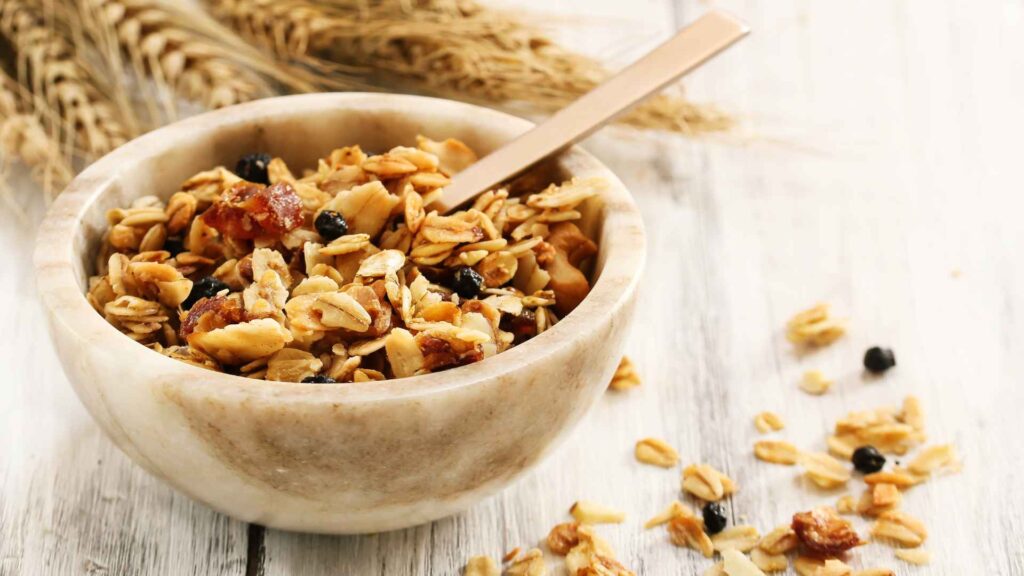
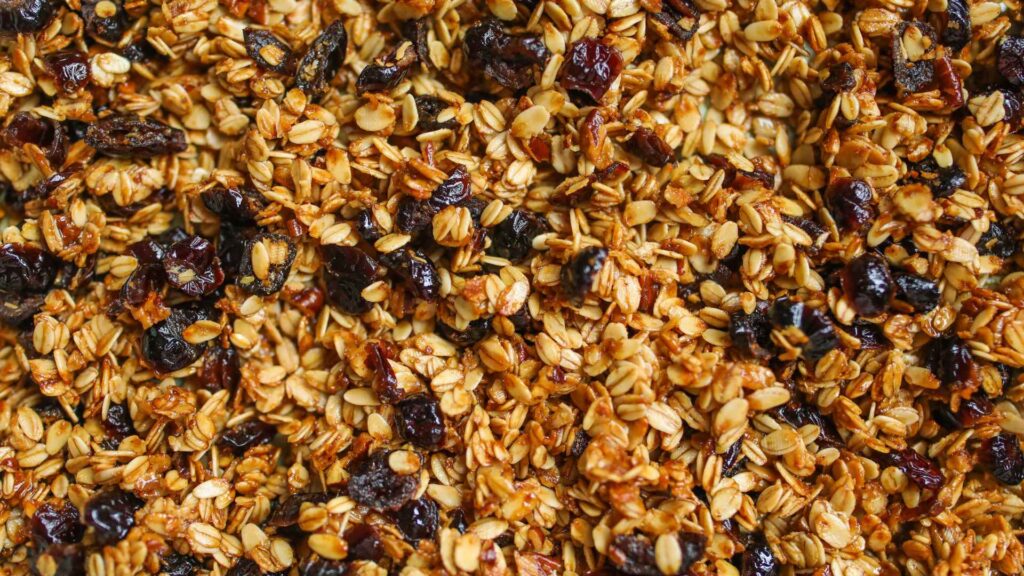
Most granola combines oats with oil or nut butter and a sweetener, then adds fruit, nuts, seeds, chocolate, spices, or flavorings. Protein granola, keto granola, bars, cereal, bites, and bakery clusters can have entirely different risk profiles.
A few crumbs from a plain formula are usually a monitoring question for a healthy dog. An emptied bag with raisins or an unknown sugar-free bar is not proportionate to that crumb.
Our oat guide covers plain cooked oats, dry oats, and flavored products. Granola adds density, fat, sugar, hard texture, and mixed ingredients that plain oatmeal does not.
Raisins make any amount a prompt call
Raisins, grapes, sultanas, and Zante currants are associated with unpredictable kidney injury in dogs. No household raisin count can reliably clear an exposure, and a dog may look normal before injury becomes obvious.
The Merck Veterinary Manual grape and raisin review supports prompt professional assessment and describes vomiting, appetite loss, lethargy, abdominal discomfort, thirst or urination changes, and acute kidney injury. Call before symptoms whenever raisins may be missing.
Give the professional the maximum granola weight eaten and the raisin position on the label, but do not delay because the precise fruit count is unknown. Our raisin emergency guide provides a concise information checklist.
Do not induce vomiting with peroxide, salt, mustard, oil, or fingers unless the treating professional specifically directs you. Timing, symptoms, aspiration risk, and co-ingredients affect that decision.
Macadamias and chocolate add neurologic risks
Macadamia nuts can cause weakness, abnormal walking, vomiting, tremors, depression, pain, and increased body temperature in dogs. White-chocolate macadamia granola still contains the toxic nut even though white chocolate has little methylxanthine.
The Merck Veterinary Manual macadamia review notes that signs often develop within hours. Call promptly rather than exercising the dog to test its legs.
Chocolate and cocoa add theobromine and caffeine, with dark, baking, and high-cacao forms generally creating greater concern than milk or white chocolate. Save cocoa percentage, chocolate type, product weight, amount, and dog weight.
Our macadamia guide covers timing, shells, and co-toxins. A mixed product should be assessed as a combined exposure rather than one ingredient at a time.
Xylitol can hide in specialty products
Ordinary granola usually uses sugar, honey, maple syrup, or another caloric sweetener, but sugar-free, keto, dental, and protein products need a careful xylitol check. Xylitol may also appear as birch sugar, wood sugar, or birch bark extract.
The FDA xylitol warning advises immediate veterinary or poison-control contact because dogs can develop dangerous low blood sugar and liver injury. Do not wait for vomiting, weakness, stumbling, collapse, tremors, or seizures.
Read every component, including yogurt coating, nut butter, drizzle, candy pieces, and protein inclusions. Natural, low carb, and no added sugar do not prove xylitol-free.
Other nuts and seeds
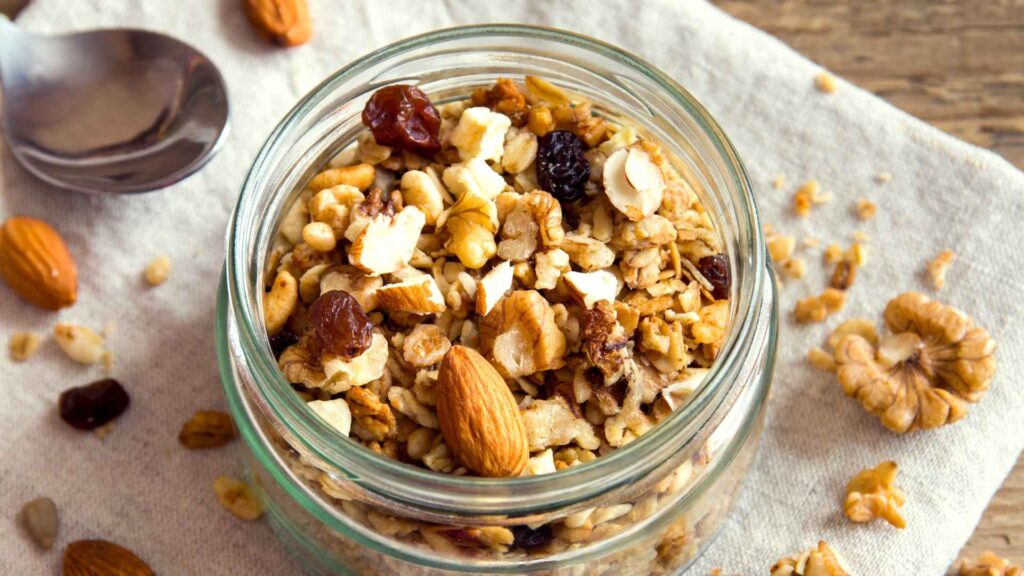
Almonds, walnuts, pecans, cashews, peanuts, pumpkin seeds, and sunflower seeds are not interchangeable. Even when the ingredient is not a characteristic canine toxin, fat, salt, coatings, shells, rancidity, choking, and mold remain relevant.
Large fatty servings may cause digestive upset and contribute to pancreatitis in susceptible dogs. Dogs with previous pancreatitis, high blood fats, obesity, endocrine disease, or a low-fat prescription diet deserve earlier advice.
Our nut guide helps identify a mix without downgrading raisins, macadamias, chocolate, or xylitol. Nut fragments can also make a maximum amount difficult to estimate.
Sugar, fat, salt, and calories
Granola is often calorie-dense because dry oats are bound with oil and sweetener. A handful can contribute much more energy than its volume suggests, especially for a small dog.
Ordinary sugar is mainly a calorie and dental concern in a small taste, while a large rich theft can cause vomiting or diarrhea. Honey, syrup, coconut, and fruit do not convert granola into a health food.
Salted nuts, pretzel pieces, savory granola, and electrolyte products can raise sodium. Dogs with heart, kidney, blood-pressure, or fluid-balance restrictions need advice from the clinician managing the diet.
Count granola alongside dental chews, training treats, scraps, and food used for pills. Frequent tiny extras can displace a meaningful share of the complete diet.
Hard clusters and bars can choke
Baked clusters can be hard enough to damage a tooth or lodge in the throat, while sticky bars can be swallowed in dense chunks. Small dogs, dogs with dental disease, and fast eaters are particularly poor candidates.
Breathing trouble, blue or gray gums, continuous gagging, or collapse is an emergency. Repeated vomiting, a painful belly, refusal to eat, or inability to keep water down can suggest obstruction.
Do not reach blindly into the throat or force bread and oil to push material through. Report missing wrappers, sticks, foil, or plastic at the same call.
Mold and rancidity change the emergency
Old, damp, composted, or visibly moldy granola can contain tremorgenic mycotoxins from moldy grains, nuts, or food waste. Possible signs include agitation, drooling, vomiting, abnormal sensitivity, tremors, overheating, and seizures.
The Merck Veterinary Manual mycotoxin review identifies moldy nuts and food waste as sources. Call promptly and describe storage, odor, visible growth, compost access, and every other discarded food.
Rancid oil may cause digestive upset even without visible mold. Discard questionable granola in a secured bin rather than feeding it to pets or wildlife.
Plain oats are not treatment
Oats contain nutrients and fiber, but granola should not be used to treat constipation, diarrhea, cholesterol, weight, energy, immunity, or skin disease. A nutrient list does not establish a canine therapeutic dose.
Dogs on elimination trials, kidney diets, low-fat plans, diabetes plans, or gastrointestinal diets should receive only approved extras. Novel granola ingredients can disrupt both treatment and diagnostic interpretation.
The World Small Animal Veterinary Association treat guide recommends keeping treats below 10 percent of daily calories. Pieces of measured regular food are simpler frequent rewards.
Packaging and pantry raids
Granola bags, bar wrappers, clips, cardboard, foil liners, jars, lids, and freshness packets can choke or obstruct. Plastic food bags can also seal around a dog’s face and cause suffocation.
Inventory every missing object and report gagging, repeated vomiting, belly pain, refusal to eat, straining, or lethargy. Do not induce vomiting when a wrapper or sharp object may be present.
Yogurt coatings, coconut, and spices
White yogurt-style coating may contain sugar, oils, milk ingredients, flavoring, and stabilizers rather than plain yogurt. It can add fat and dairy reactions, while sugar-free coating needs the same xylitol check as the rest of the product.
Coconut flakes, coconut oil, and nut butters raise calorie and fat density even when they are not the urgent toxin. Cinnamon, ginger, turmeric, and vanilla do not turn a cereal cluster into veterinary treatment.
Protein powders may add milk, soy, pea, sweeteners, caffeine-containing blends, vitamins, or supplements. Save the exact product label because the word protein reveals little about the actual formula.
Homemade granola still needs a complete recipe
Homemade does not mean simple when a batch includes oil, honey, raisins, chocolate, nuts, seeds, spices, and dried fruit. Write down every ingredient, brand, quantity, batch yield, and fraction missing.
Do not create dog granola by removing only raisins from a human recipe because chocolate dust, nut fragments, sweetener, and cross-contact can remain. A measured piece of regular dog food is a more predictable training reward.
Granola should not replace a complete meal during travel, hiking, illness, or appetite loss. Dogs need appropriate water access and balanced food, while a dog refusing its normal diet may need veterinary assessment.
Monitoring should match the ingredient
When a professional recommends home monitoring for plain granola, ask how long to watch appetite, vomiting, stool, comfort, and activity. Write down changes instead of repeatedly testing the dog with more food.
Raisin, macadamia, chocolate, or xylitol exposure should not be downgraded to home monitoring without professional advice. Different toxins have different timing, tests, and treatment priorities.
Bring the package or a clear photograph to the clinic and keep the lot code available if spoilage or a product problem is suspected. Report what was definitely eaten and the maximum plausible amount separately.
Bottom line
A few crumbs of plain granola are usually low risk, but the label controls the answer. Raisins, macadamias, chocolate, xylitol, nuts, fat, sugar, hard clusters, mold, medical diets, and packaging can turn a snack into a prompt call.