Can Dogs Eat Cauliflower? Plain, Cooked, and Seasoned Forms
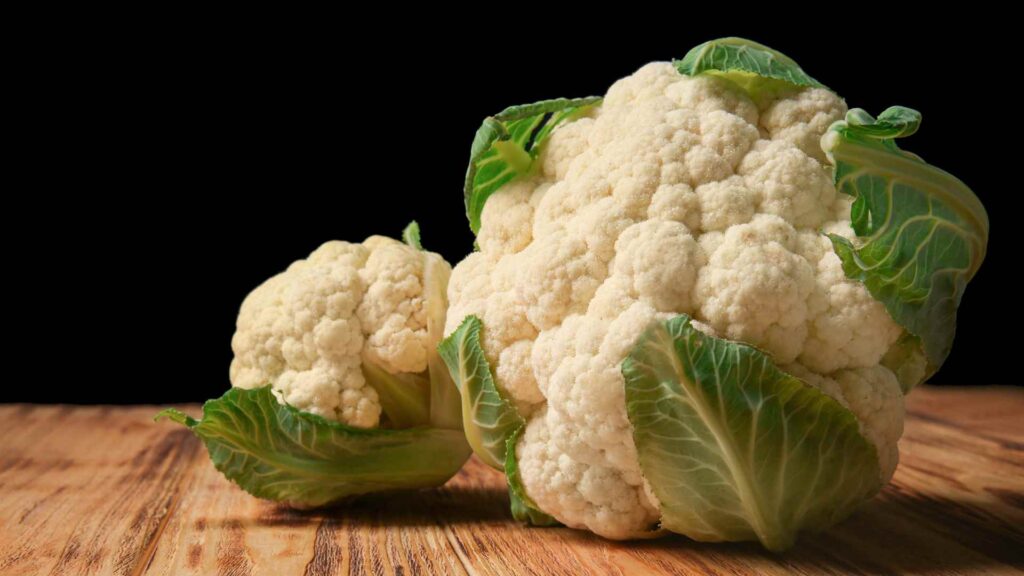
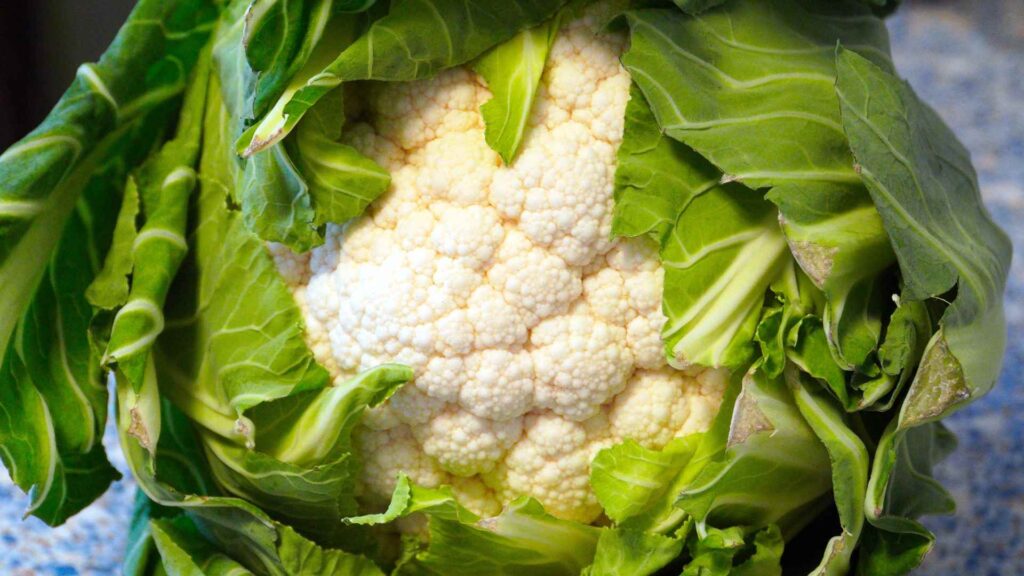
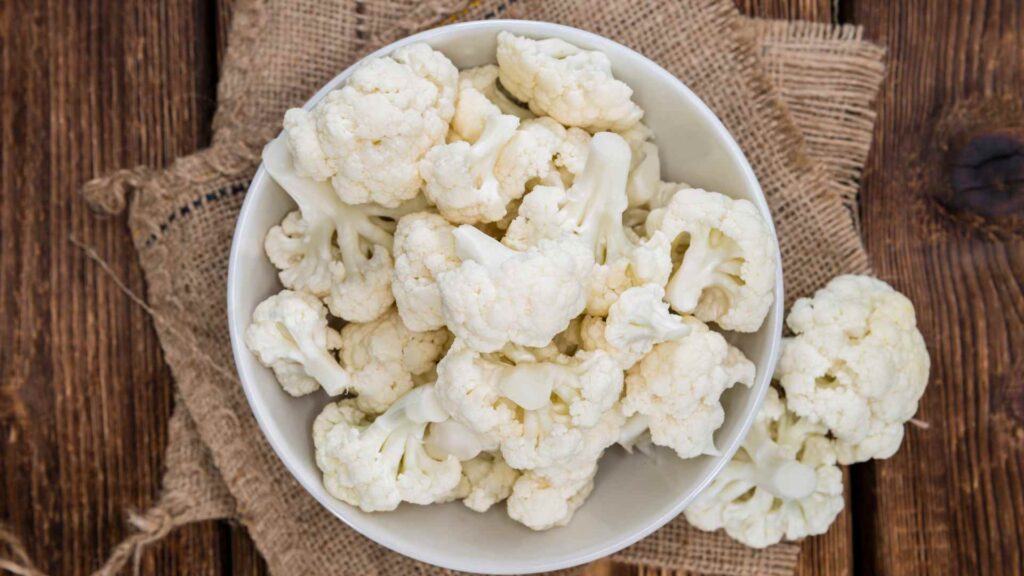
Most healthy adult dogs can eat a small amount of plain cauliflower, raw or cooked. Wash it, cut it into pieces your dog cannot gulp whole, and leave off salt, butter, oil, cheese, garlic, onion, and sauces; too much can cause gas, loose stool, or abdominal discomfort.
The short answer depends on what is on the cauliflower
A plain floret and a scoop of cheesy cauliflower casserole may share a name, but they are different feeding decisions. The vegetable itself is not considered toxic to dogs, while the preparation can add fat, sodium, unsafe Allium ingredients, and choking hazards.
Cauliflower is optional, not a missing piece in a complete canine diet. A dog who enjoys it can have a modest taste, and a dog who ignores it loses nothing.
Its close relatives follow similar but not identical rules, which is why our guides to cabbage for dogs and broccoli for dogs are separate articles.
A five-point safety check
- Confirm it is fresh, plain cauliflower rather than a seasoned prepared dish.
- Wash it under running water before cutting, even when you plan to cook it.
- Remove damaged or spoiled areas and any packaging, ties, skewers, or labels.
- Cut the florets and stem into small pieces suited to the dog’s chewing style.
- Offer one small piece first and stop if gas, vomiting, diarrhea, or discomfort appears.
The FDA produce-cleaning guidance recommends rinsing produce under plain running water and says soap or commercial produce wash is unnecessary. Wash before cutting so the knife does not carry surface contamination into the food.
Raw, steamed, roasted, and mashed are not identical
Raw cauliflower
Raw cauliflower is acceptable in a small, finely cut portion for a dog that chews well. Its firm florets and dense stalk can be awkward for small dogs, fast eaters, dogs with dental pain, and dogs that swallow treats whole.
Raw pieces may also produce more noticeable gas or digestive discomfort in some dogs. Start much smaller than the chunk you would put on a human vegetable tray.
Steamed or boiled cauliflower
Plain steaming or boiling softens the vegetable without requiring fat. Cool it completely, drain excess water, and chop or mash it before offering a taste.
Soft texture can make chewing easier, but soft food is not automatically safe for every senior dog. New trouble chewing, dropping food, bad breath, or reduced appetite deserves a dental or veterinary assessment.
Roasted cauliflower
Roasting is fine only when the dog’s portion is set aside plain. Human trays commonly use oil, salt, garlic powder, onion powder, Parmesan, chili, or spice blends, so the finished family dish is usually the wrong place to collect a dog treat.
Mashed cauliflower
Plain mashed cauliflower is simply softened vegetable, but restaurant-style mash often contains butter, cream, cheese, salt, or garlic. Ask what went into it instead of judging by its innocent color.
Stems and leaves
Clean leaves and stems are not inherently toxic, but the thick stalk is tougher and easier to gulp as a large object. Cook it until tender and cut it more carefully than the florets, or discard it.
Choking and obstruction are shape problems
A cauliflower floret can be firm, irregular, and just small enough for an enthusiastic dog to attempt in one swallow. Choking risk depends on the piece and the eater, not whether a food appears on a safe-food list.
The FDA overview of dangerous pet items explains that swallowed objects can lodge in the esophagus, stomach, or intestines. Although cauliflower usually breaks down, a large stem, skewer, plastic bag, absorbent pad, or produce tie can create a physical emergency.
Gagging, frantic pawing at the mouth, blue or pale gums, collapse, or difficulty breathing is an emergency. Repeated vomiting, inability to keep water down, abdominal pain, marked lethargy, or loss of appetite after a swallowed object also needs prompt veterinary care.
What cauliflower can and cannot do nutritionally
Cauliflower supplies fiber and several micronutrients, but the amounts in a dog-sized taste do not turn it into treatment. Complete and balanced dog food is designed to provide essential nutrients in suitable proportions for the dog’s life stage.
The Merck Veterinary Manual nutrition review notes that dogs can synthesize vitamin C in the liver and have no AAFCO dietary requirement for it. Cauliflower therefore should not be sold as an immune supplement or vitamin-C therapy.
It is not a hydration treatment
Fresh cauliflower contains water, but a few florets cannot correct dehydration. A dog with tacky gums, weakness, repeated vomiting or diarrhea, reduced urination, or refusal to drink needs assessment of the cause and an appropriate fluid plan.
It is not a constipation treatment
Fiber changes stool differently depending on type, dose, hydration, diet, and the cause of constipation. Adding a gas-producing vegetable to a straining dog can delay care when pain, obstruction, dehydration, medication, or another disease is responsible.
Call the veterinarian for repeated unproductive straining, pain, vomiting, a swollen abdomen, blood, profound lethargy, or more than a brief change in bowel habits. Do not keep increasing cauliflower in hopes that more fiber must be better.
It is not a weight-loss plan
Plain cauliflower may contain fewer calories than many biscuits, but weight loss depends on the whole calorie budget and adequate nutrient intake. Replacing food by volume can accidentally dilute essential nutrition or leave a dog hungry.
The UC Davis veterinary treat guidance recommends that treats and extras stay below 10 percent of daily calories, with at least 90 percent coming from a complete and balanced diet. A veterinarian can calculate a target for an individual weight-loss patient.
Seasoned cauliflower is where trouble gathers
Garlic, onion, leeks, and chives
Cauliflower rice, soup, curry, pizza crust, gratin, and frozen meals frequently contain Allium ingredients. The ASPCA people-food safety guide explains that onion, garlic, and chives can damage canine red blood cells as well as irritate the gastrointestinal tract.
Powders and cooked forms still count, so removing visible pieces is not a reliable fix. Our garlic guide and onion guide cover what to collect and report after an exposure.
Butter, cheese, cream, and oil
These additions raise fat and calories and can provoke vomiting or diarrhea after a large raid. Dogs with pancreatitis, hyperlipidemia, obesity, or a prescribed low-fat diet should not receive rich cauliflower dishes without veterinary approval.
A drizzle of olive oil is not required to make cauliflower nutritious. It is still concentrated fat and should be counted within the whole diet.
Salt, sauces, and spice blends
Buffalo cauliflower, restaurant appetizers, curries, and packaged cauliflower rice can carry substantial sodium and complicated seasonings. Hot sauce can irritate, while recipes may hide garlic, onion, dairy, or sweeteners.
Read the ingredient list and nutrition panel rather than relying on words such as veggie, keto, or plant-based. Those labels describe a marketing angle, not canine safety.
How much can a dog eat?
There is no evidence-based floret table that works for every dog. A floret can range from a pea-sized crumb to a fist-sized branch, and dogs differ in calorie needs, chewing, gastrointestinal tolerance, and medical restrictions.
For a healthy adult dog, begin with one small chopped piece and wait to see how the digestive system responds. Any later portion still belongs inside the total treat allowance, and there is no reason to push toward the 10 percent ceiling.
Puppies need a complete growth diet and have little room for experimental extras. Dogs on elimination diets, prescription diets, or carefully controlled mineral, fat, fiber, or calorie plans should eat only approved treats.
What to do after a cauliflower raid
- Remove access and keep the package, recipe, restaurant label, or ingredient list.
- Estimate the amount and identify raw florets, thick stems, sauce, seasoning, and added fat.
- Check for missing skewers, plastic film, produce bags, ties, lids, or absorbent pads.
- Call promptly for garlic, onion, a very rich or salty dish, missing objects, a medically restricted dog, or concerning symptoms.
- Do not induce vomiting or give home remedies unless a veterinary professional directs you.
A healthy dog who ate a small amount of plain chopped cauliflower and feels normal can usually be monitored. Keep normal water available, avoid more extras that day, and call if vomiting, diarrhea, marked gas, pain, weakness, or appetite changes develop.
Frequently asked questions
Can puppies eat cauliflower?
A tiny plain, soft piece may be tolerated, but puppies do not need it and should not have growth food displaced. Ask the veterinarian before making any topper routine.
Can dogs eat frozen cauliflower?
Plain frozen cauliflower can be cooked and cooled, but a hard frozen floret may be a tooth or choking hazard. Check frozen blends for sauce and seasoning.
Can dogs eat cauliflower rice?
Plain cauliflower chopped into rice-sized pieces can be an occasional taste. Packaged or restaurant cauliflower rice often contains oil, salt, garlic, onion, herbs, or cheese, so read the label.
Can cauliflower help a dog poop?
It is not a reliable constipation treatment. Persistent straining, pain, vomiting, or failure to pass stool needs veterinary guidance rather than escalating vegetable fiber.
Can dogs eat cauliflower every day?
There is usually no reason to offer it daily. Regular use should be measured, tolerated, included in the calorie budget, and approved when the dog has any medical or dietary restriction.
The bottom line
A small amount of washed, plain, bite-sized cauliflower can suit many healthy adult dogs, whether raw or softly cooked. The practical risks are gas, digestive upset, gulped pieces, and the ingredients or objects that travel with prepared dishes.
Treat cauliflower as an optional taste, not hydration, constipation, weight-loss, or vitamin therapy. When the dish contains Alliums, rich sauce, substantial seasoning, missing packaging, or the dog becomes unwell, call a veterinary professional with the full details.