Can Dogs Eat Kiwi? Peel, Portions, and Whole-Fruit Risks
Most healthy adult dogs can eat a tiny amount of ripe kiwi flesh, but peel and cut it first. Never hand over a whole kiwi: its size and firm shape create a choking or obstruction concern, while the tough skin, fruit sugar, acidity, and fiber can make a large serving rough on the stomach.
The safest kiwi is boring on purpose
Choose a fresh, ripe fruit with no mold, fermentation, syrup, sweetener, chocolate, or seasoning. Wash it, remove the fuzzy skin, cut the flesh into small pieces, and begin with one bite.
The American Kennel Club kiwi guide gives the same practical answer: small amounts can be offered after peeling and cutting, but a whole kiwi can block the airway. It also stresses that kiwi does not replace complete dog food.
Safe does not mean necessary or therapeutic. Kiwi can be a curious once-in-a-while flavor, not a vitamin prescription, digestive treatment, or required fruit course.
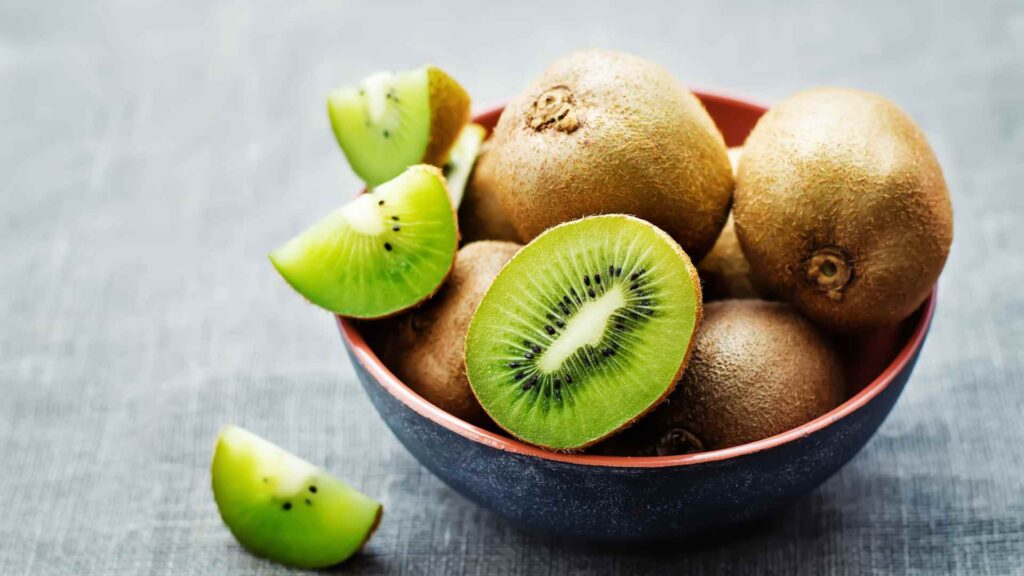
Prepare kiwi in five careful steps
- Select ripe fruit without leaking, bruised, moldy, or fermented areas.
- Rinse the whole kiwi under running water before putting a knife through the skin.
- Peel away the fuzzy skin rather than serving it as extra fiber.
- Cut the flesh into small, soft pieces suited to the dog’s mouth and eating style.
- Offer one piece, supervise the swallow, and wait for digestive tolerance before considering another taste later.
FDA guidance on selecting and serving produce safely recommends washing produce under running water even when the skin will be removed. It advises against soap, detergent, and commercial produce washes.
Why a whole kiwi is a bad experiment
A kiwi is compact, slippery once bitten, and large enough to lodge in the throat of a dog that gulps it. Small dogs may struggle to bite it, while a large dog may try to swallow it in one enthusiastic move.
The skin and dense fruit can also create a gastrointestinal foreign-body concern if swallowed largely intact. Risk depends on the dog, the fruit, where it is, and whether symptoms have started, so a universal wait-and-see rule would be unsafe.
The FDA dangerous-items guide for pets notes that swallowed material can obstruct the esophagus, stomach, or intestines. With kiwi, also check whether a produce sticker, plastic clamshell, bag, netting, or absorbent pad disappeared.
Choking signs need immediate action
Difficulty breathing, blue or pale gums, frantic pawing at the mouth, collapse, or severe distress is an emergency. Do not reach blindly into a panicked dog’s throat, because the object can be pushed deeper and the dog may bite.
Possible obstruction signs
Repeated vomiting, inability to keep water down, abdominal pain or swelling, marked lethargy, refusal to eat, or difficulty passing stool warrants prompt veterinary care. Report whether the kiwi was whole, peeled, and accompanied by packaging.
The peel is edible to people but unhelpful for dogs
Kiwi skin is not known as a canine toxin, yet it is tough, fuzzy, and high in insoluble fiber. Removing it reduces the amount of awkward material the dog must chew and may reduce digestive upset.
Do not treat peel as a natural toothbrush or fiber supplement. Dental plaque does not disappear because a dog chews rough fruit, and fiber therapy should match the dog’s diagnosis, diet, water intake, and stool problem.
The tiny black seeds do not need a rescue mission
The small seeds embedded through kiwi flesh are normally eaten with the fruit and are not the same kind of hazard as apple seeds, cherry pits, or peach pits. Trying to pick out every kiwi seed is unnecessary for a modest serving.
Fruit hazards vary, so preparation advice should not be borrowed at random. Our guide to apples for dogs covers cores and seeds, while the grape guide explains why grapes and raisins should never enter a dog fruit salad.

Sugar, calories, and fiber need proportion
Kiwi contains natural sugar and fiber, but one tiny bite does not cause diabetes in an otherwise healthy dog. The realistic problem is repeated extra calories, a large fruit raid, or a snack that conflicts with an individual medical plan.
Too much fruit can cause loose stool, gas, vomiting, or abdominal discomfort. A dog with diabetes, obesity, sensitive digestion, or a prescribed diet needs an individualized approved-treat list rather than a generic fruit allowance.
The UC Davis veterinary treat guideline says treats and additional foods should provide less than 10 percent of daily calories. That ceiling includes every fruit piece, chew, table scrap, training reward, and pill-hiding food.
Ten percent is not a kiwi target. Start with one small piece because tolerance can be learned with far less, and many dogs are happier receiving measured pieces of their normal food.
Kiwi is not vitamin therapy
Kiwi contains vitamin C, potassium, and other nutrients, but a dog-sized taste supplies an unpredictable amount and cannot correct a diagnosed deficiency. Complete diets already account for canine requirements when fed as directed.
The Merck Veterinary Manual nutrition review states that dogs synthesize vitamin C from glucose in the liver and have no AAFCO dietary requirement for it. That makes immunity, joint, and antioxidant treatment claims for a kiwi bite especially easy to overstate.
Potassium is also not a reason to improvise treatment. Weakness, abnormal laboratory values, kidney disease, heart disease, and medication-related electrolyte concerns require a veterinarian, because both the diagnosis and the desired intake matter.
Green kiwi, golden kiwi, and other fresh varieties
Green and golden kiwi can both be approached as optional fresh fruit flesh. Sweetness, acidity, size, and fiber vary, so the color does not create a universal portion or guarantee better tolerance.
Golden kiwi often has smoother skin, but removing it still simplifies chewing and portion control. Offer the same tiny peeled piece rather than assuming a sweeter variety is gentler or more nutritious for a dog.
Fresh, frozen, dried, juiced, and blended kiwi
Fresh ripe kiwi
Fresh peeled flesh is the easiest form to inspect and portion. Serve it at room or refrigerator temperature in a small soft piece.
Frozen kiwi
A hard frozen cube can be gulped or damage a compromised tooth, so thaw it or offer a very small softened piece. Freezing does not remove sugar, fiber, or an unsafe ingredient mixed into a homemade pop.
Dried kiwi
Dried fruit is concentrated, chewy, and often coated with added sugar. It is easier to overfeed, can stick together as a gulpable wad, and offers no advantage over a tiny fresh piece.
Kiwi juice, jam, and syrup
Juice removes much of the structure that limits how quickly fruit is consumed, while jam and syrup commonly add sugar. Sugar-free products create a separate label check for xylitol and other ingredients, so these are poor dog treats.
Smoothies and fruit bowls
A smoothie can hide sweeteners, dairy, protein powder, chocolate, caffeine, or supplements. A fruit bowl may contain grapes or raisins, which are unsafe for dogs even when the kiwi itself is suitable.
If you want another simple fruit question answered separately, see our guides to bananas and strawberries. Each fruit brings its own preparation and portion issues.
Who should skip casual kiwi
- Dogs on veterinary elimination or prescription diets unless kiwi is approved.
- Dogs with diabetes or a tightly controlled calorie or carbohydrate plan.
- Dogs with ongoing vomiting, diarrhea, constipation, pancreatitis, or abdominal pain.
- Dogs that gulp food, have swallowing trouble, or have a history of obstruction.
- Dogs with painful, loose, or fractured teeth when fruit is frozen or firm.
- Puppies whose complete growth diet and small calorie allowance should not be displaced.
Age alone does not make kiwi toxic, but seniors more often have dental disease, swallowing trouble, chronic illness, or medication-sensitive diets. New appetite or chewing changes should be investigated instead of disguised with fruit toppers.
What to do after a kiwi raid
- Remove access and determine whether the fruit was whole, peeled, cut, dried, sweetened, or part of another recipe.
- Count the missing fruit and inspect for lost stickers, plastic, netting, containers, or utensils.
- Save the ingredient list for smoothies, dried fruit, desserts, yogurt pops, or sugar-free products.
- Call promptly for a swallowed whole kiwi, missing packaging, xylitol, grapes or raisins, a medically restricted dog, or any concerning symptom.
- Do not induce vomiting unless a veterinary professional specifically directs you.
A healthy dog who ate one small peeled piece and feels normal can usually be monitored. Keep normal water available, offer no more new foods, and call if vomiting, diarrhea, swelling, breathing trouble, pain, lethargy, or appetite loss appears.
Frequently asked questions
Can puppies eat kiwi?
A tiny peeled piece may be tolerated, but puppies do not need kiwi and should get nearly all calories from a complete growth diet. Ask before making it a recurring reward.
Can dogs eat kiwi skin?
The skin is not considered toxic, but it is tough and fiber-heavy. Peel it to make chewing, swallowing, and digestive tolerance more predictable.
Are kiwi seeds safe?
The tiny embedded seeds are generally consumed with the flesh and do not need to be removed from a small serving. They are not comparable to large pits or fruit cores.
Can kiwi treat constipation?
No reliable serving treats the many causes of constipation. Repeated straining, pain, vomiting, lethargy, or failure to pass stool needs veterinary guidance.
Can dogs eat kiwi every day?
Most dogs have no nutritional reason to do so. Daily extras should fit the calorie budget and any medical diet, and a measured regular-food reward is usually simpler.
The bottom line
A tiny piece of washed, peeled, ripe kiwi flesh can be an occasional treat for many healthy adult dogs. The useful safety moves are removing the peel, cutting the fruit, supervising the bite, and keeping the portion genuinely small.
Never offer a whole kiwi, and do not promote the fruit as vitamin, hydration, constipation, or weight therapy. Call a veterinarian for choking or obstruction signs, unsafe mixed ingredients, missing packaging, medical conflicts, or more than mild digestive upset.