Can Dogs Eat Ham? A Practical Safety Guide
Dogs can eat a tiny piece of plain, boneless cooked ham, but ham is a poor routine treat because it is salty, fatty, and often seasoned. One stolen bite is unlikely to cause salt poisoning in a healthy dog with access to water, yet a bone, heavy glaze, large helping, or vulnerable dog changes the decision.
The quick answer: ham is not ideal dog food
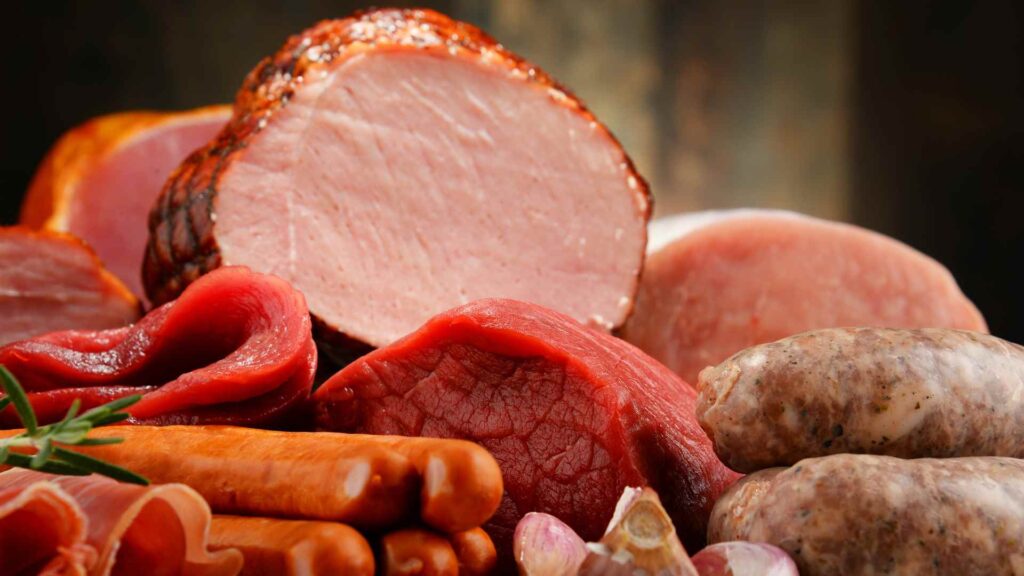
Plain pork is not inherently poisonous to dogs, so a pea-sized bit of thoroughly cooked, boneless ham is usually more of a dietary detour than an emergency. The trouble is everything that turns pork into ham: curing salt, fat, smoke flavor, sugar, spices, and sometimes unsafe ingredients.
That distinction matters because “not automatically toxic” does not mean “a smart snack.” Your dog gets more nutritional value and fewer surprises from a complete dog food or a simple lower-fat treat.
If you are choosing between holiday meats, our guide to plain turkey for dogs explains why unseasoned, skinless turkey is generally easier to serve safely. Ham belongs in the occasional-and-tiny category, if it belongs in the bowl at all.
Why ham deserves caution
1. Ham can contain a lot of sodium
Curing and brining give ham its familiar flavor, but they also make it much saltier than plain cooked pork. A salty meal may cause thirst, stomach upset, or a temporary increase in water intake even when it does not cause true salt toxicosis.
True salt toxicosis is a serious electrolyte emergency associated with excessive sodium exposure, especially when water is unavailable or sodium regulation is impaired. The Merck Veterinary Manual overview of salt toxicosis describes vomiting, weakness, poor coordination, tremors, and seizures among possible signs.
This is not a reason to panic over one small cube dropped at dinner. It is a reason to call for individualized advice after a large ham raid, concentrated brine exposure, repeated salty snacks, or any exposure involving a dog with kidney, heart, or fluid-balance problems.
Keep fresh water available, but do not force a dog to gulp water or try to correct a suspected sodium problem at home. Veterinarians must correct severe sodium abnormalities carefully because changing the balance too quickly can be dangerous.
2. Fat can turn a feast into a miserable night
Ham fat, skin, and pan drippings can deliver a heavy fat load in a few bites. The immediate result may be vomiting, diarrhea, gas, abdominal discomfort, or a dog who refuses breakfast the next morning.
Dietary indiscretion is considered a common risk factor for pancreatitis in dogs, according to the Merck Veterinary Manual. That does not mean every fatty bite causes pancreatitis, but dogs with a previous episode, high blood fats, obesity, or certain concurrent diseases deserve extra caution.
Signs that need veterinary attention include repeated vomiting, marked lethargy, loss of appetite, a painful or tense belly, and the “prayer position,” with the front end lowered and rear end raised. Do not assume those signs are ordinary indigestion after a rich meal.
3. Ham bones are a separate hazard
Do not give a dog the ham bone, cooked or raw. Bones can crack teeth, lodge in the mouth or esophagus, cause choking, or injure and obstruct the digestive tract.
Cooked bones may splinter, but raw bones are not a risk-free workaround. The ASPCA food-safety guidance warns that bones can cause gastrointestinal injury or obstruction serious enough to require surgery.
If your dog swallowed any portion of a ham bone, call your veterinarian or an emergency clinic for advice now. Do not induce vomiting, reach blindly into the throat, or feed bread to “cushion” the bone unless a veterinarian specifically directs you.
Immediate emergency signs include trouble breathing, repeated gagging, frantic swallowing, blue or pale gums, collapse, or obvious distress. Later warning signs include repeated vomiting, a painful abdomen, straining without producing stool, blood in vomit or stool, and unusual lethargy.
Seasonings and glazes can change the risk
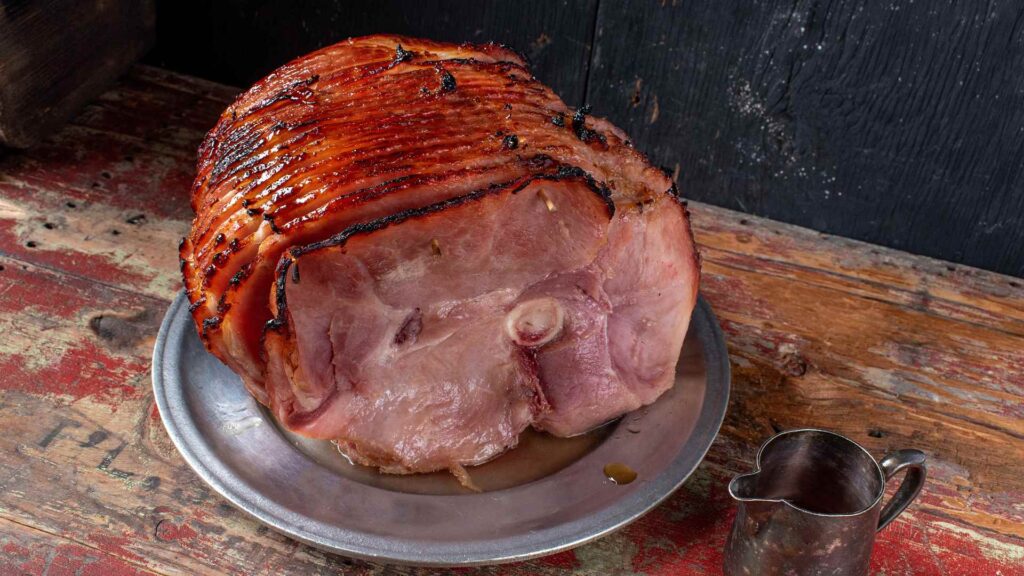
Holiday ham rarely arrives plain. Glazes may contain onion, garlic, raisins, alcohol, mustard, cloves, or concentrated sweeteners, while spice packets and gravy can add still more salt and fat.
Onion and garlic can damage canine red blood cells in sufficient amounts, whether they are fresh, cooked, or powdered. Powdered seasonings can be easy to overlook, so check the package and compare suspicious ingredients with our guides to garlic and dogs and onions and dogs.
Sugar itself is not the main toxic concern in a normal glaze, although it adds calories and may upset the stomach. A sugar-free glaze is more urgent because xylitol can cause a dangerous drop in a dog’s blood sugar, so call a veterinarian or animal poison service immediately if the label lists xylitol, birch sugar, or wood sugar.
Do not guess about a homemade glaze when you can ask the cook for the recipe. A quick ingredient check is far more useful than trying to judge safety from the ham’s color or smell.
Are some kinds of ham safer than others?
Plain baked ham: A trimmed, unglazed, boneless morsel is the least complicated option, but it is still salty and should stay tiny. Avoid the outer crust, visible fat, and drippings.
Deli ham: Thin slices look modest, yet processed lunch meat can contain substantial sodium plus flavorings and preservatives. It is not a good training treat, especially when many little rewards add up unnoticed.
Country ham, prosciutto, and heavily cured ham: These concentrated, salty meats are particularly poor choices for dogs. Their small serving size does not erase the sodium load.
Honey-baked or glazed ham: The glaze adds sugar and may hide unsafe ingredients, while the fatty exterior makes digestive trouble more likely. Trimmed meat from the center is less risky than the sticky edge, but plain meat is still preferable.
Canned ham: Canned products are usually processed and salty, sometimes with liquid that should never be poured over dog food. Read the full ingredient panel before considering even a taste.
Ham steak: It has the same basic concerns as a larger ham and may be seasoned in the pan. Remove every bit of bone and fat, and skip any piece cooked with onion, garlic, butter, or salty sauce.
Ham-adjacent meats: Bacon and hot dogs are not clever substitutes, since both are processed and may be fatty, salty, or seasoned. See the separate guides to bacon and hot dogs before sharing from breakfast or the grill.
If you choose to share a taste
Start with fully cooked ham that is plain, fresh, and boneless. Cut away skin, visible fat, glaze, crust, and any meat that touched a heavily seasoned sauce.
Offer a piece no larger than a small training treat, then stop. There is no universal serving that suits every dog, because body size, health history, usual diet, and the specific ham all matter.
Treat calories should generally remain under 10 percent of a dog’s daily calories, as explained in the World Small Animal Veterinary Association treat guide. Ham can use that allowance quickly without providing balanced nutrition.
Dogs on prescription diets, sodium-restricted plans, or low-fat diets should not receive ham unless their veterinarian has approved it. That rule also applies to dogs with pancreatitis history, heart disease, kidney disease, high blood pressure, or a stomach that reacts badly to rich food.
My dog ate ham: what should I do?
First, remove the remaining food and packaging, then work out what was eaten. Note the ham type, approximate amount, time, ingredients or glaze, whether a bone is missing, your dog’s weight, and any current symptoms.
A healthy medium or large dog that stole one small boneless bite of plain ham and remains comfortable can often be watched at home. Offer normal access to water, continue the dog’s usual food unless your veterinarian says otherwise, and avoid more treats that day.
Call your veterinarian promptly if the amount was large, the dog is very small, a bone or wrapper was swallowed, the recipe contained a toxic ingredient, or your dog has a relevant medical condition. The FDA’s pet hazard page also lists bones, fatty foods, garlic, onions, salt, and xylitol as concerns worth reporting accurately.
Seek urgent care for choking, breathing difficulty, collapse, seizures, tremors, severe weakness, repeated vomiting, a swollen or painful abdomen, blood, or inability to keep water down. Symptoms matter more than whether the theft happened during office hours.
Do not give hydrogen peroxide, salt, oil, antacids, or human pain medicine unless a veterinarian directs that exact treatment for your dog. Home attempts to induce vomiting can cause aspiration, injury, or a dangerous delay, particularly when bone fragments are involved.

Better rewards than ham
A few pieces of the dog’s regular kibble are the simplest training treats because they do not add a surprise ingredient. You can also ask your veterinarian about plain lean poultry, small carrot pieces, or a commercial treat that fits your dog’s calorie and medical needs.
For a dog who loves the smell of the dinner table, attention can be part of the reward. A cheerful cue, a quick game, or a food puzzle filled from the normal meal gives the dog something special without turning cured meat into a habit.
Frequently asked questions
Can puppies eat ham?
A tiny accidental bite of plain, boneless cooked ham is unlikely to poison a healthy puppy, but puppies have small bodies and developing digestive systems. Use a puppy-appropriate complete food for treats, and call a veterinarian sooner after a large, seasoned, or bone-containing exposure.
Can dogs eat ham fat or skin?
No useful benefit justifies the extra fat. Skin, rind, drippings, and fat trimmings are more likely than lean meat to trigger vomiting, diarrhea, abdominal pain, or pancreatitis in a susceptible dog.
Can dogs eat cooked ham bones?
No. A cooked ham bone can splinter, choke a dog, damage the mouth or digestive tract, and create an obstruction, so contact a veterinarian if any portion was swallowed.
Is one slice of ham too much?
“One slice” can mean a paper-thin deli piece or a thick carving, so the label is not a safe measuring tool. For many dogs a tiny lean morsel is enough, while a whole salty slice may be excessive for a small dog or one on a restricted diet.
Does ham cause worms in dogs?
Properly cooked commercial ham is not expected to give a dog worms. The more immediate concerns are sodium, fat, seasonings, bones, spoilage, and the nutritional imbalance created by frequent table scraps.
The bottom line
Ham is not an automatic poisoning emergency, but it is an unnecessarily salty and fatty regular treat. If you share any, make it one tiny, lean, plain, fully cooked, boneless piece and keep the rest of the meal out of reach.
A swallowed bone, toxic glaze ingredient, large serving, significant symptoms, or high-risk medical history calls for professional advice. When in doubt, the package, recipe, amount, timing, and your dog’s weight give a veterinarian the clearest path to a useful answer.