Can Cats Eat Eggs? Cooked, Raw, Shells, and Portions
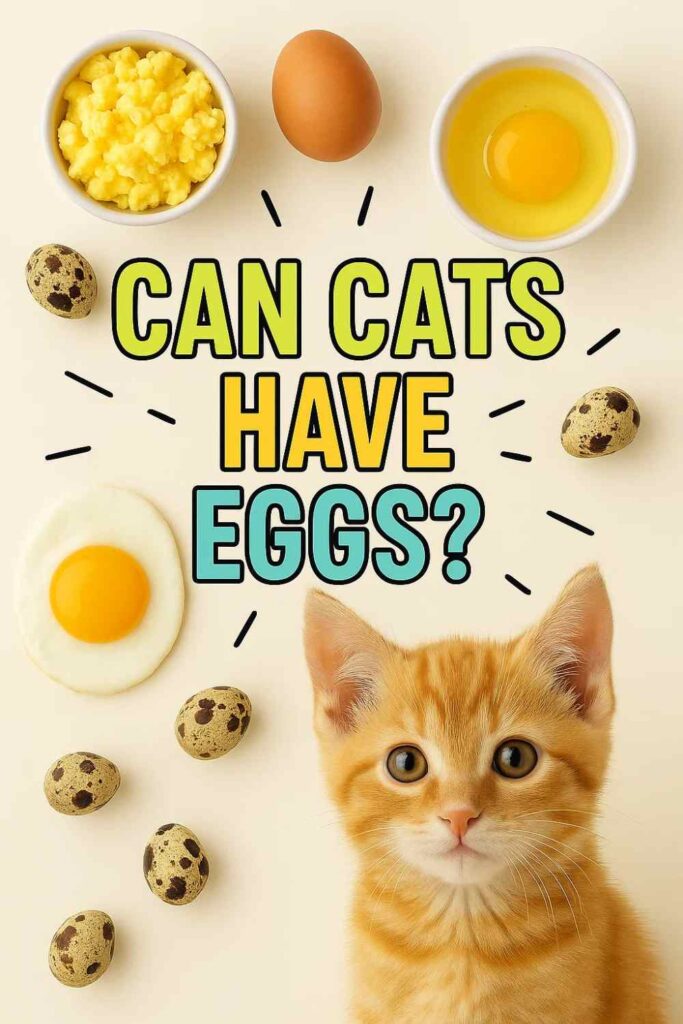
Cats can eat a small amount of plain, fully cooked egg if it agrees with them and their veterinarian has not restricted it. Raw or undercooked egg brings foodborne-pathogen risk, repeated raw egg white can interfere with biotin nutrition, and butter, salt, cheese, onion, garlic, shells, large portions, and an unbalanced diet change the answer.

The simplest safe version
Think fully cooked, plain, cool, and chopped into an easy-to-eat texture. Hard-boiled, poached, or scrambled egg can fit that description when the white and yolk are set and no oil, butter, milk, salt, sauce, or seasoning was added.
Egg is an optional extra, not something a cat needs on top of a complete food. A curious lick or small piece is different from replacing a meal with an egg or making it a daily nutritional project.
Why raw egg is the wrong shortcut
Fresh shells can look spotless and still contain Salmonella. The FDA egg-safety guidance recommends refrigeration, clean handling, and thorough cooking because raw or undercooked eggs can carry foodborne bacteria.
Cats do not have to look ill to create a household exposure. The FDA veterinary Salmonella guide notes that dogs and cats can carry and shed the bacteria, while kittens and animals with other health problems are more likely to show disease.
Raw egg can contaminate hands, counters, bowls, fur around the mouth, and litter-box areas. That matters even more in homes with young children, older adults, pregnant people, or anyone whose immune system is weakened.
Freezing an ordinary shell egg is not a dependable kill step, and “farm fresh” does not mean pathogen-free. If a recipe truly requires uncooked egg for people, the FDA advises pasteurized egg products, but there is still no feline reason to serve it raw.
The raw-white and biotin question, without the internet drama
Raw egg white contains avidin, a protein that binds biotin and can reduce its availability. The concern is a pattern of feeding substantial raw egg white, not a claim that one accidental lick instantly strips a cat of vitamins.
The Merck small-animal nutrition review identifies raw egg whites as a cause of biotin deficiency and explains that cooking destroys this antinutritional factor. Naturally occurring biotin deficiency is otherwise described as rare in dogs and cats.
A classic feline study produced deficiency in growing kittens by feeding diets containing large proportions of dried raw egg white for many weeks. That published kitten study supports concern about repeated exposure, not panic over a smear of uncooked white.
Whole egg, white, and yolk are not identical
Cooked white is mostly protein and contains fewer calories than yolk, while yolk carries more fat and energy. Neither part is a complete feline diet by itself, and splitting them does not turn egg into treatment.
For a cat with a history of pancreatitis, obesity, hyperlipidemia, diabetes, or a calorie-controlled plan, yolk and added cooking fat can matter even in a modest serving. Ask the veterinary team before adding rich extras.
Do not give raw white to “boost protein,” and do not give extra yolks to fix the avidin issue. The safer practical choice is a small amount of thoroughly cooked plain egg, or simply no egg.

How to prepare egg for a cat
- Use a fresh egg with an intact shell and wash your hands before and after handling it.
- Cook until the white and yolk are set, using no butter, oil, milk, salt, pepper, or seasoning.
- Cool it completely so steam and hot fat cannot burn the mouth.
- Chop or mash a tiny portion that the cat can lick or chew without gulping.
- Refrigerate leftovers promptly in a clean covered container and discard them if storage is uncertain.
A little warm water can change texture after cooking, but egg should not be used to force hydration or disguise a prolonged appetite problem. A cat that stops eating can become seriously ill and needs veterinary advice rather than an escalating buffet.
The separate boiled egg guide can help with the plainest preparation. The same portion and diet rules still apply, because boiling does not make an entire egg an everyday treat.
Skip the breakfast extras
Butter, bacon grease, oil, cream, milk, cheese, and sausage turn a plain egg into a richer meal. Added fat and calories may cause digestive upset or conflict with weight-control and medical plans.
Salt, soy sauce, hot sauce, seasoning salt, and stock can add sodium or irritating spices. Onion, garlic, chives, leeks, and their powders are Alliums, and the Merck Allium review explains that cats are especially susceptible to red-blood-cell damage.
Omelets, quiche, breakfast sandwiches, fried rice, mayonnaise mixtures, and casseroles require a complete ingredient check. Our cat pizza guide is a useful reminder that cheese, crust, sauce, Alliums, meat, and packaging each bring their own question.
Eggshell is not a casual calcium supplement
A cat may crunch a small shell fragment without an obvious problem, but jagged pieces can irritate the mouth or digestive tract and larger pieces can be hard to swallow. Remove shell before offering egg.
Ground eggshell appears in some professionally formulated recipes, but that does not make a guessed spoonful appropriate. Calcium must be balanced with other nutrients, and excess or deficiency can be harmful, especially during kitten growth.
Do not copy a homemade-diet recipe from a social post and add shell until it “looks right.” A therapeutic or home-prepared feline diet should be formulated for the individual cat by a veterinarian with appropriate nutrition expertise.

Egg allergy and digestive intolerance
Egg protein can be an allergen for an individual cat, although a one-time vomit does not prove allergy. Recurrent itching, skin lesions, ear trouble, vomiting, or diarrhea needs a veterinary workup rather than repeated kitchen challenges.
Food allergy is diagnosed through a controlled elimination and challenge process, not a home blood panel or ingredient guess. If the cat is already on a hydrolyzed or novel-protein trial, even a tiny egg treat can muddy the result.
Some cats simply develop loose stool or vomiting after an unfamiliar rich food. Stop the extra, monitor a bright comfortable adult after a truly small exposure, and call if signs persist, worsen, or involve a kitten or medically fragile cat.
Portion is about the whole cat, not an online spoon chart
A kitten, a petite sedentary adult, and a large active cat do not share one sensible serving. Regular food, body condition, medical history, and the calories in the whole egg all matter.
The WSAVA cat treat guide recommends keeping treats within 10 percent of daily calories. That is an upper boundary for all extras together, not a target and not permission to spend the allowance on egg every day.
A few tiny cooked morsels can use more of a small cat’s discretionary calories than they appear to. When weight loss, diabetes, urinary disease, kidney disease, pancreatitis, or a prescription diet is involved, ask before sharing.
Cats are obligate carnivores, but that does not make every animal food complete
Egg supplies amino acids and other nutrients, yet it lacks the full balance a cat needs across meals. “High protein” is not the same as complete and balanced, and more protein is not automatically better for every medical condition.
The Cornell feline feeding guide explains cats’ obligate-carnivore needs and the importance of a nutritional adequacy statement. It also recommends against raw foods because of infectious risk and lack of a clear proven benefit.
Use egg as a rare topper only if it does not crowd out the food designed to do the nutritional work. For picky eating, weight loss, or illness, identify the cause rather than teaching the cat to hold out for scrambled eggs.

What to do after an egg accident
First identify raw, undercooked, fully cooked, spoiled, or mixed-dish egg. Record the amount, time, cat’s age and weight, symptoms, medical conditions, and every added ingredient or missing piece of packaging.
A healthy adult cat that licks a tiny amount of plain cooked egg and remains normal can usually be watched. Provide the normal diet and water, and do not add more egg to “test” tolerance.
Call a veterinarian promptly for repeated vomiting or diarrhea, blood, marked lethargy, feverish behavior, weakness, collapse, breathing trouble, abdominal pain, inability to keep water down, or refusal to eat. Kittens, pregnant cats, seniors, immune-compromised cats, and cats with chronic disease deserve a lower threshold for advice.
If onion, garlic, chives, leek, a skewer, foil, plastic, or another hazardous co-ingredient was involved, assess that item separately. The egg’s cooked status does not neutralize the rest of the plate.
Do not induce vomiting or give hydrogen peroxide, salt, oil, milk, charcoal, antibiotics, or human stomach medicine unless a veterinarian directs it. Cats have different toxicology and medication risks from dogs and people.
Storage and cleanup count
Cooked egg should not sit at room temperature through a long brunch and then become a cat snack. Refrigerate promptly, use clean utensils, and discard food that smells off, feels slimy, or has an uncertain storage history.
Wash bowls and preparation surfaces after raw egg contact, then wash your hands before touching cat food or litter supplies. Do not let a cat lick a bowl, whisk, counter spill, or raw batter while you cook.
Raw batter can also contain uncooked flour, chocolate, raisins, xylitol, alcohol flavorings, or yeast, depending on the recipe. Inventory the entire bowl and call for the ingredient that creates the greatest risk.
Frequently asked questions
Can cats eat scrambled eggs?
Yes, a tiny amount can be reasonable when the egg is fully cooked and plain. Restaurant scrambled eggs commonly include butter, oil, milk, cheese, salt, or seasoning, so homemade plain preparation is easier to assess.
Can cats eat egg every day?
Daily egg is usually unnecessary and can add calories, crowd out complete food, or complicate a prescription diet. Ask the veterinarian if repeated use is needed for a specific plan.
Can cats eat raw egg yolk?
Raw yolk avoids the avidin concentration of white but does not avoid foodborne-pathogen risk or extra fat and calories. Cook it fully instead.
Is egg good for a cat’s coat?
Egg should not be marketed as coat treatment. Skin and coat changes can reflect parasites, allergy, infection, endocrine disease, pain, poor grooming, or nutritional imbalance and deserve a diagnosis.
Is an egg better than raw fish?
A fully cooked plain egg avoids several raw-food hazards, but it is still an extra rather than a complete meal. Our raw fish guide covers pathogen, parasite, bone, and whole-diet concerns that should not be transferred blindly to eggs.

Bottom line
A few cool bites of fully cooked plain egg can be an occasional treat for a suitable cat. Keep raw egg, repeated raw whites, shells, rich cooking fats, salt, Alliums, mixed dishes, and oversized portions out of the bowl, while the complete feline diet remains the main event.